
Ulica Floriańska — History & Facts
In Ulica Floriańska, the canvas emerges as a portal, inviting us to explore the divine interplay between the ordinary and the ethereal. Look to the center of the painting where a narrow street stretches with an almost sacred symmetry. The cobblestones glisten with a soft, muted sheen, reflecting the cool hues of twilight. Flanking the path, the buildings rise with an architectural grace, their facades drenched in warm ochres and rich terracottas that contrast beautifully against the cooler palette.
Notice how the light dances gently across the scene, casting long shadows that stretch into the depth of the street, guiding the viewer’s gaze forward and inviting contemplation. Delve deeper into the nuances of the painting—the figures that meander in the background, almost ghost-like, evoke a sense of solitude amidst the urban environment. Each brushstroke seems to whisper secrets of lives lived and stories untold. The delicate balance between the bustling life suggested and the quiet ambiance of the street conveys a profound tension: the divine within the mundane.
The interplay of light and shadow evokes a longing for connection, a yearning for something greater beyond the visible realm. Jan Kanty Gumowski painted this evocative piece between 1925 and 1926, during a time when Poland was rediscovering its national identity after decades of partition. Living in Kraków, he was influenced by the vibrant culture and historical architecture that surrounded him. This period in art was marked by a desire to capture the essence of place, weaving personal experience into the broader tapestry of modern life, and Ulica Floriańska stands as a beautiful testament to this pursuit.
More Artworks by Jan Kanty Gumowski
Browse all →
Dziedziniec Zamku królewskiego na Wawelu
Jan Kanty Gumowski
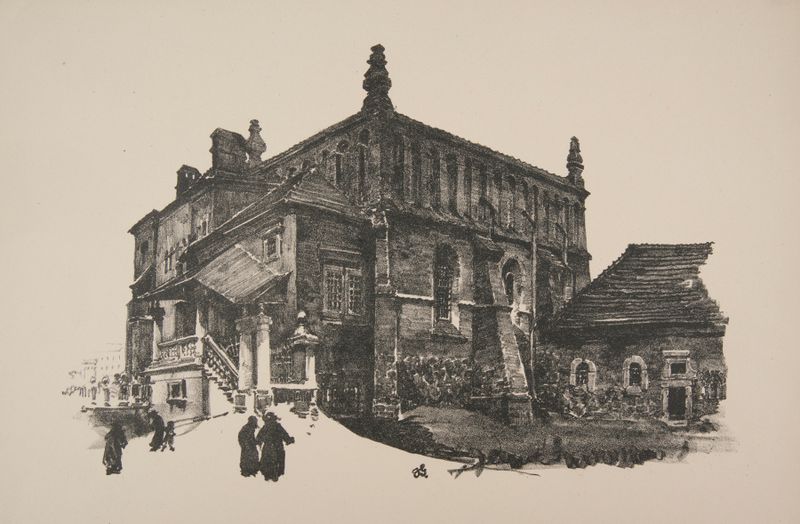
Stara synagoga na Kazimierzu
Jan Kanty Gumowski
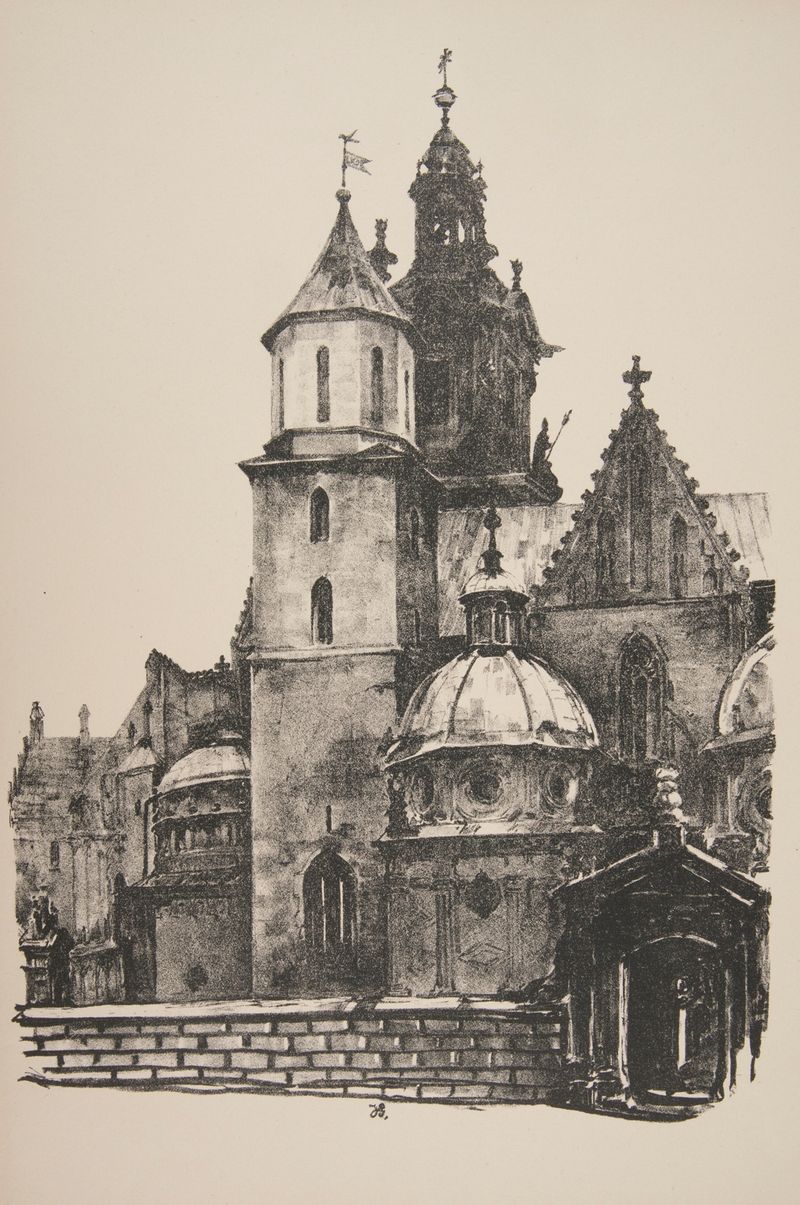
Katedra na Wawelu
Jan Kanty Gumowski
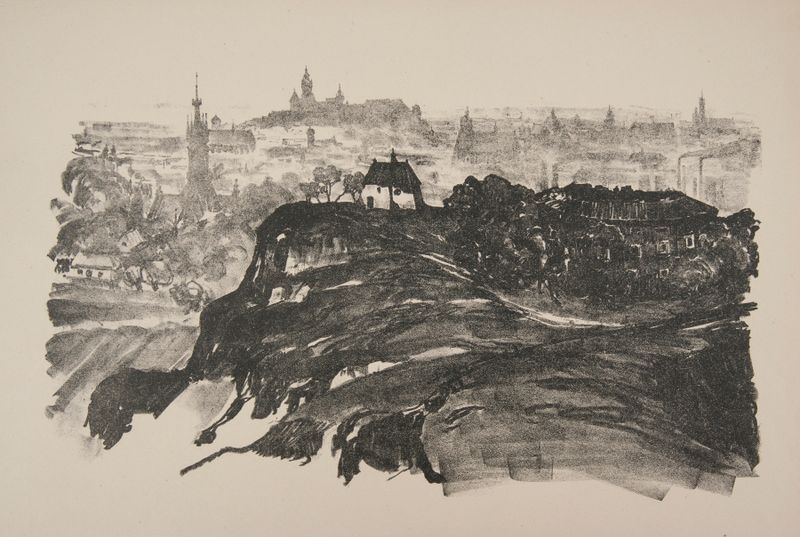
Widok ogólny Krakowa od południa
Jan Kanty Gumowski
Widoki Krakowa – cover
Jan Kanty Gumowski

Kościół Mariacki
Jan Kanty Gumowski
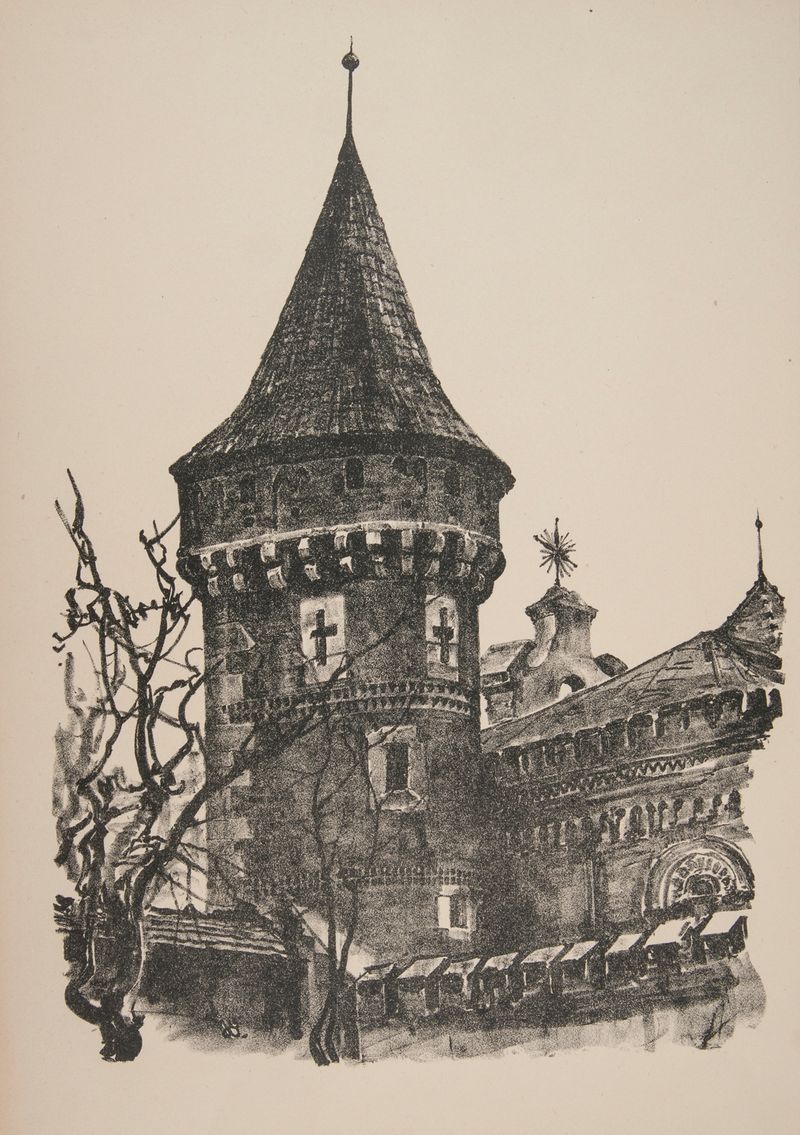
Baszta stolarska
Jan Kanty Gumowski
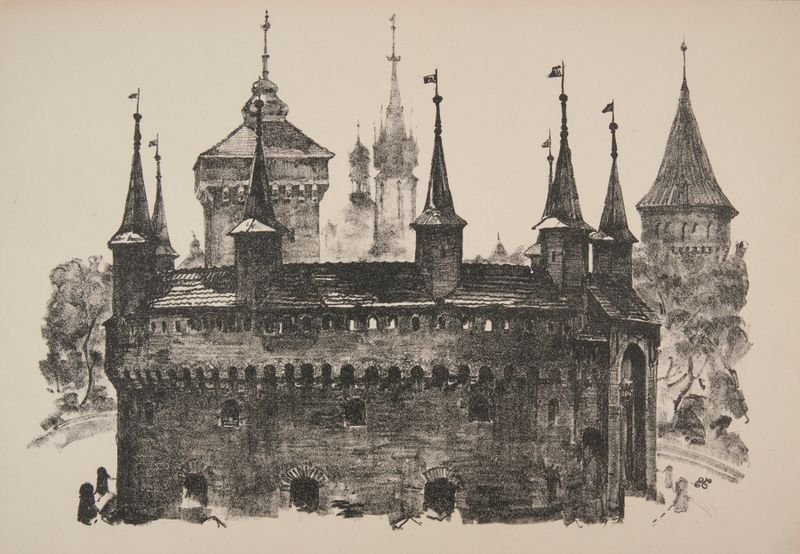
Barbakan
Jan Kanty Gumowski
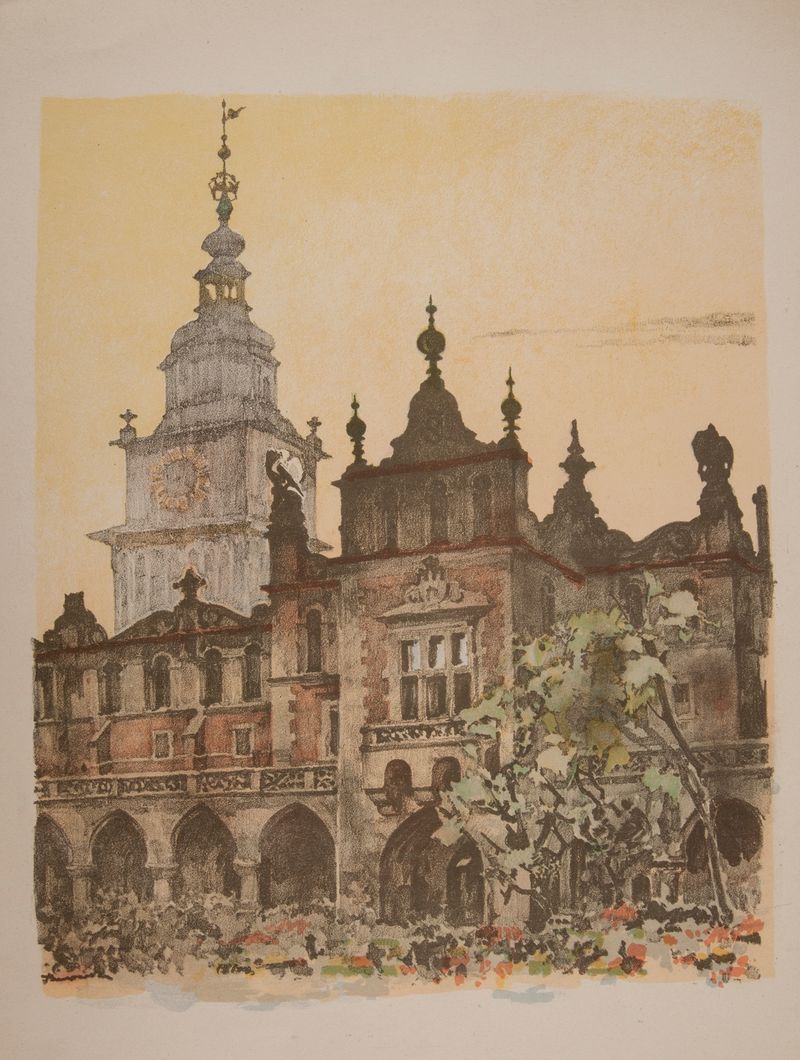
Sukiennice
Jan Kanty Gumowski

Brama Florjańska i baszta Pasamonikow
Jan Kanty Gumowski
More Architecture Art
Browse all →
The statue of Liberty
Frédéric Auguste Bartholdi

View of Houses in Delft, Known as ‘The Little Street’
Johannes Vermeer

View of Houses in Delft, Known as ‘The Little Street’
Johannes Vermeer

The Cathedral in Rouen. The portal, Grey Weather
Claude Monet

The yellow house
Vincent van Gogh

The Church in Auvers-sur-Oise, View from the Chevet
Vincent van Gogh