Umelcova záhrada — History & Facts
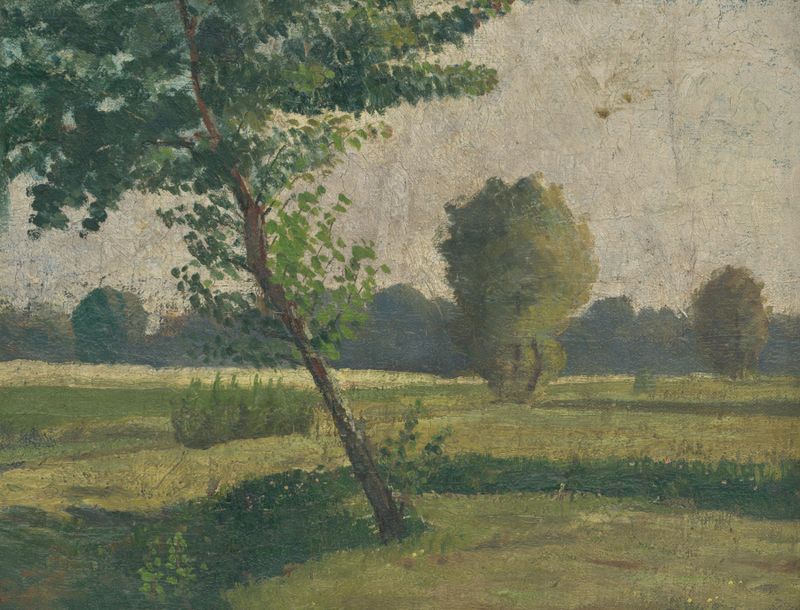
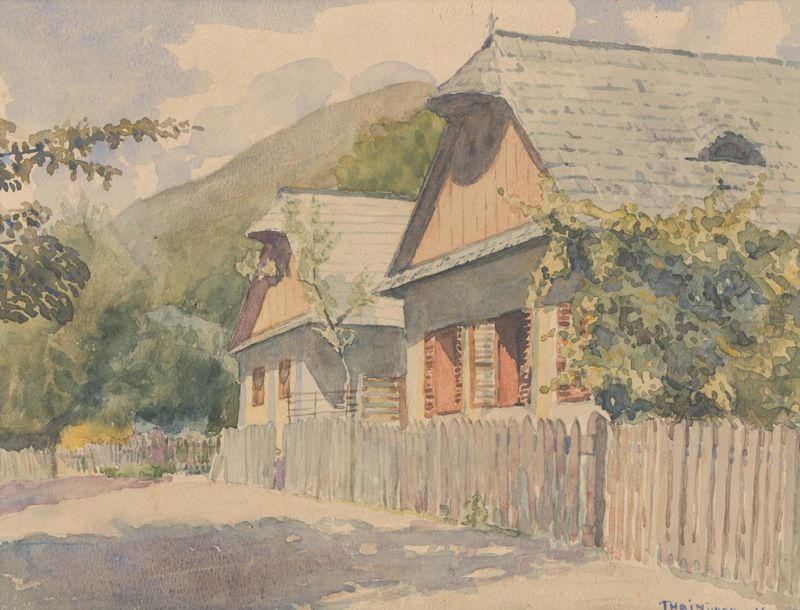
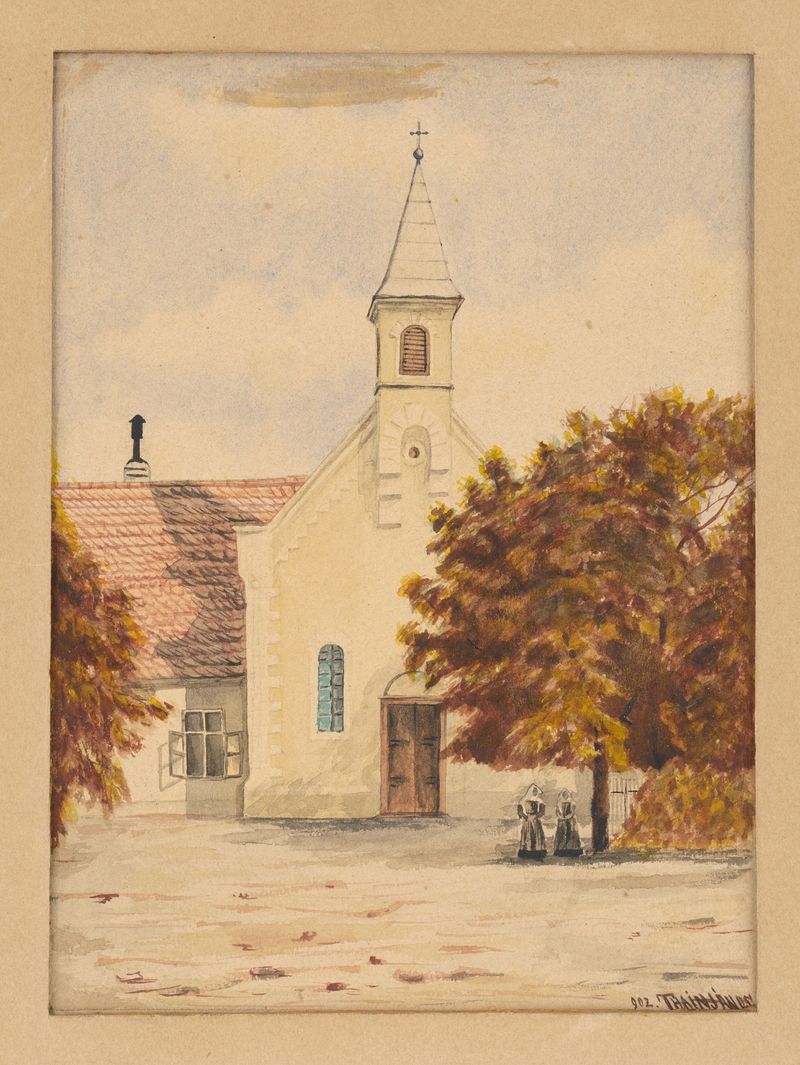
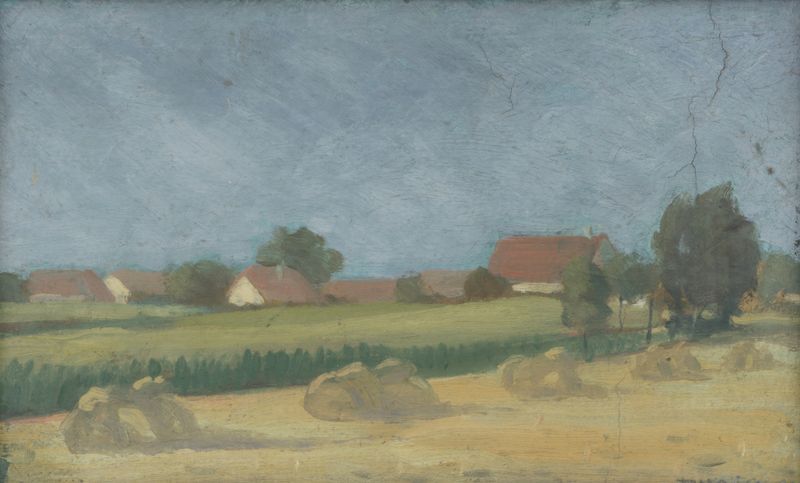
Can beauty exist without sorrow? In Umelcova záhrada, the delicate interplay of color and form suggests that beauty is often intertwined with the complexities of memory and loss. Look closely at the vibrant crimson and emerald hues that dance across the canvas. The lush garden bursts forth with life, meticulously arranged yet wild in its exuberance. Notice how the brushstrokes create a sense of movement, as if the flowers sway gently in a breeze, inviting you to step into this vivid world.
The light that filters through the leaves casts a warm glow, accentuating the depth of the petals while hinting at the shadows that linger just beyond the frame. Beneath the surface, the garden becomes a metaphor for the fleeting nature of beauty, reflective of the artist's own memories. Each bloom represents moments of joy, yet the muted background signifies the inevitable passage of time and the melancholy that accompanies it. As vibrant colors contrast with dark, indistinct areas, the viewer can sense a tension between celebration and sorrow, evoking feelings of nostalgia and longing. In 1918, Ján Thain painted this piece during a turbulent period in Europe, marked by the aftermath of World War I and the shifting tides of modernity in art.
Living in a time of upheaval, Thain sought refuge in the enchanting depictions of nature, creating works that explored the beauty of the external world while reflecting the deeper emotional landscapes within. This artwork stands as a testament to the artist's ability to capture both the ephemeral joy of a garden in bloom and the bittersweet resonance of memories that linger.