
Underriver–The Golden Valley — History & Facts
No other English painter of his generation was so devoted to the rural landscape as John Linnell, and Underriver–The Golden Valley is often cited as a key example of his deep connection to the English countryside. The painting’s title refers to the small village of Underriver in Kent, a region Linnell visited frequently and where he found lifelong inspiration. Though the exact date and circumstances of this work’s creation remain uncertain, its subject matter places it firmly within the artist’s mature period, when he was known for his meticulous observation of nature and his friendship with William Blake.
Unlike many of his contemporaries, Linnell rarely painted grand historical scenes, choosing instead to elevate the everyday beauty of the land. In Underriver–The Golden Valley, Linnell captures a moment of late afternoon, when the sun’s low angle casts a warm, golden light across rolling fields and distant woods. The eye is drawn first to a patchwork of cultivated land, dotted with grazing cattle and bordered by hedgerows, before it follows a winding path toward a cluster of cottages nestled in the valley. Linnell’s attention to detail—each tree rendered with botanical accuracy, every cloud carefully shaped—invites viewers to linger and explore.
The painting’s golden tones and tranquil mood recall the landscapes of John Constable, yet Linnell’s approach is more intimate, focusing on the harmony between human activity and the rhythms of nature. The absence of dramatic weather or heroic figures signals Linnell’s belief in the quiet dignity of rural life. The history of Underriver–The Golden Valley as an object is less well documented than some of Linnell’s other works. There is no surviving record of a commission or early exhibition, and the painting’s provenance prior to the twentieth century remains unclear—a common fate for many English landscapes of this period.
Today, it is recognized as a significant example of Linnell’s dedication to naturalistic landscape painting, and it is often included in surveys of nineteenth-century British art. Its place in Linnell’s career marks a period when he was both artist and mentor, encouraging younger painters to look closely at the world around them. The painting’s survival and continued appreciation reflect the enduring appeal of Linnell’s vision of the English countryside.
More Artworks by John Linnell

A View Near Hampstead
John Linnell
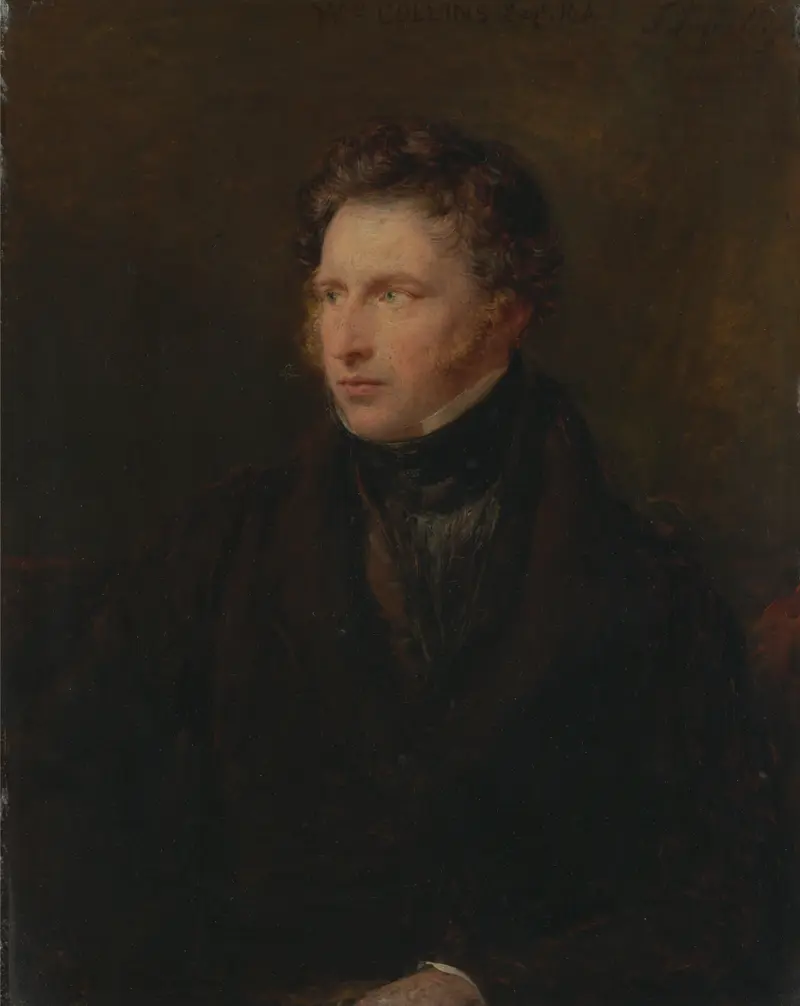
William Collins, R.A.
John Linnell
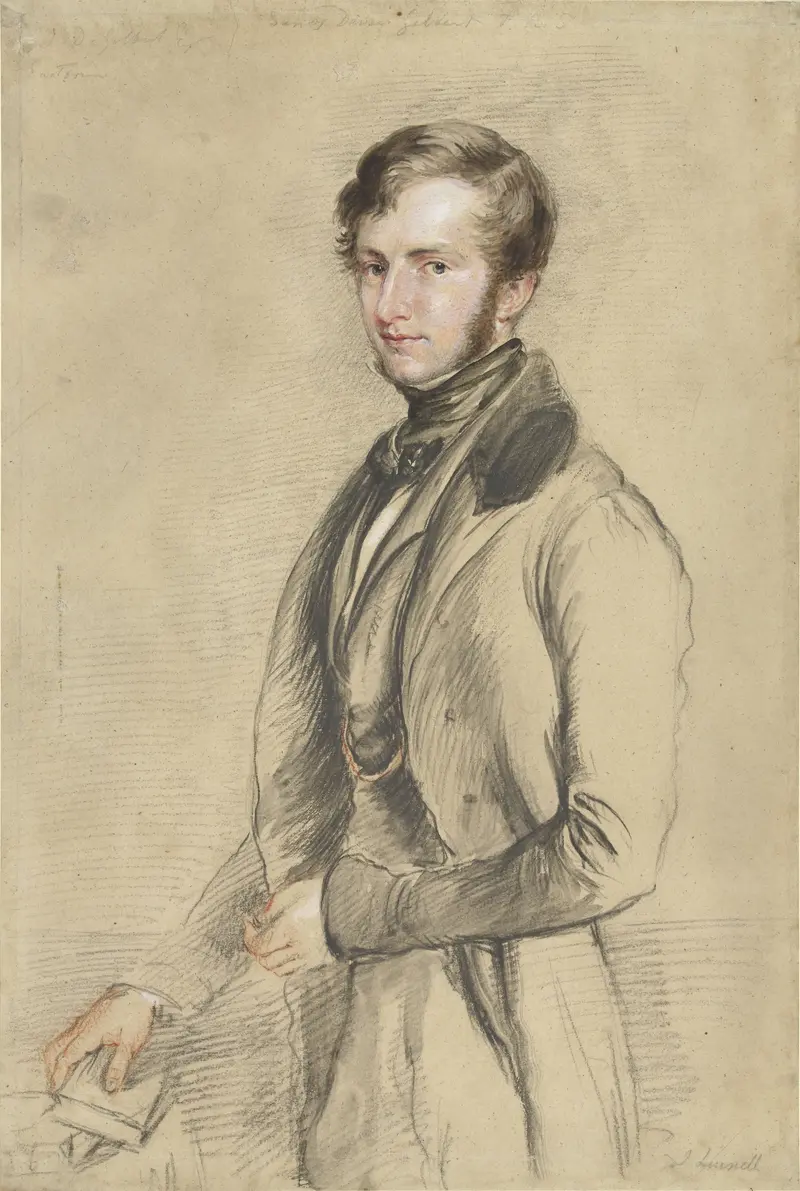
Portrait of John Davies Gilbert
John Linnell
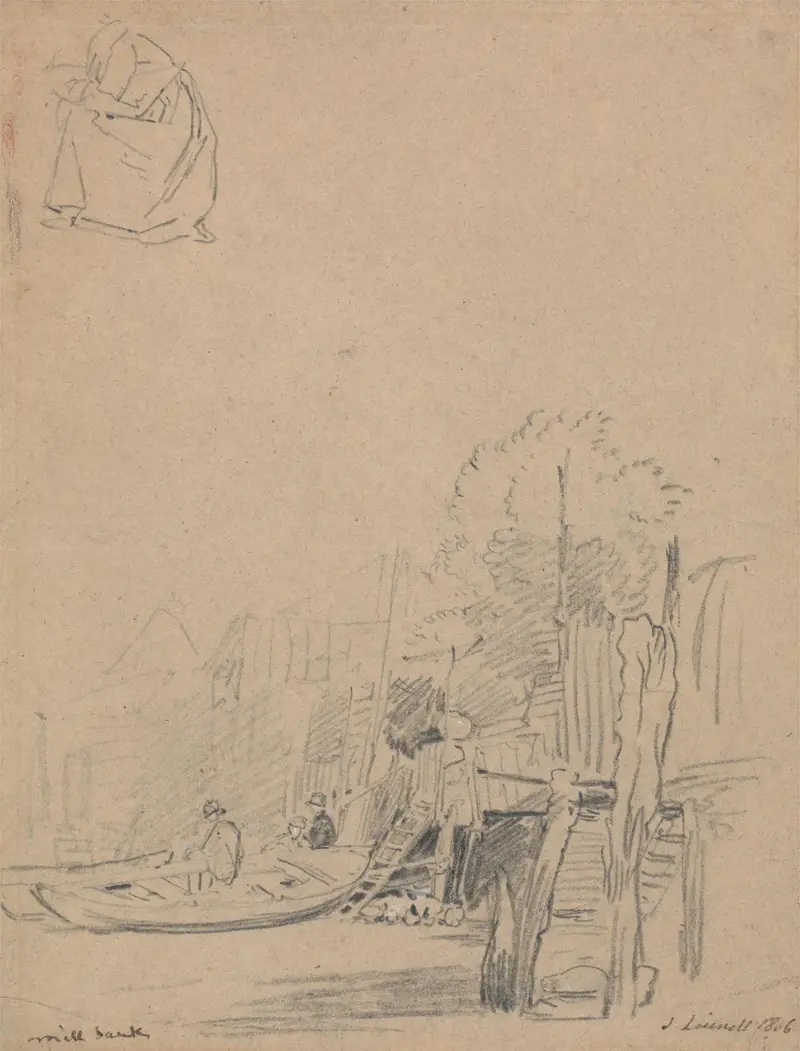
Millbank
John Linnell
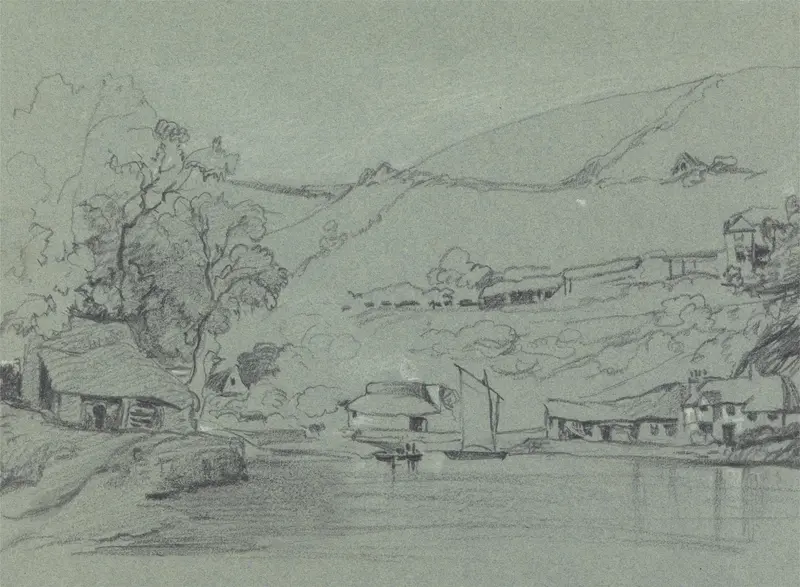
Scene in Kent
John Linnell
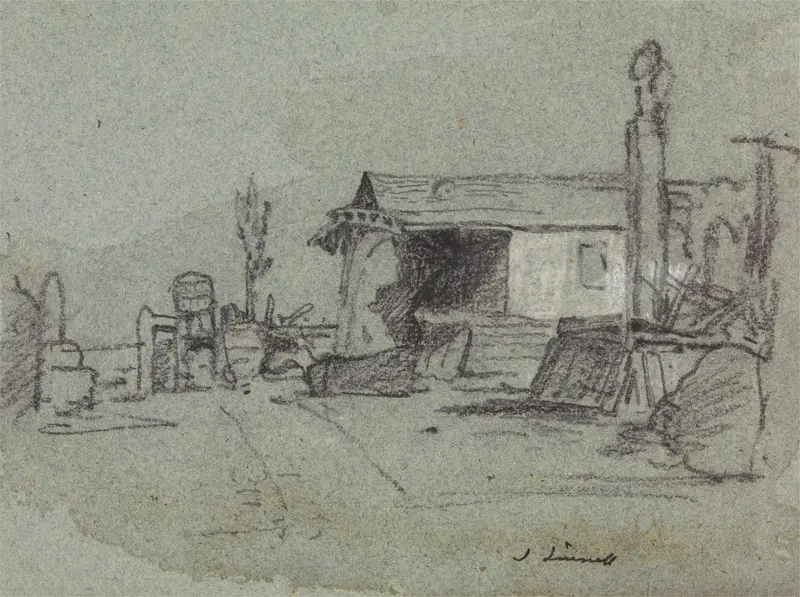
A Scene in the Edgware Road, London
John Linnell
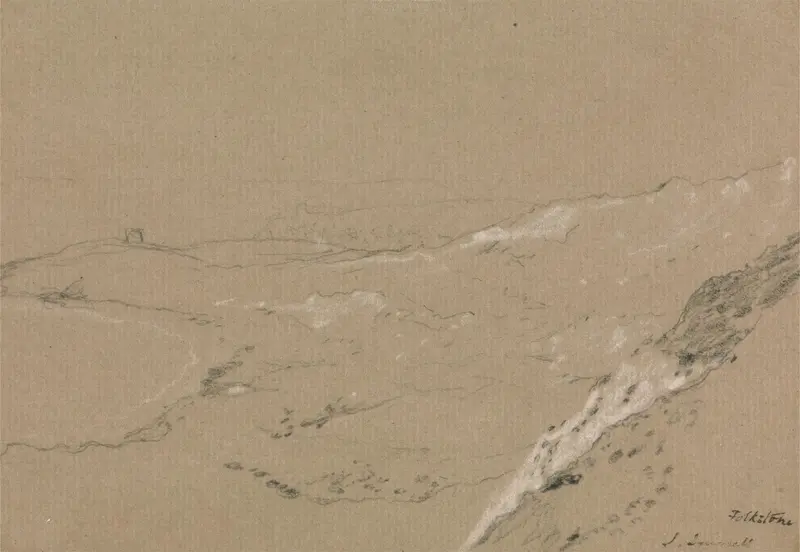
Folkestone
John Linnell
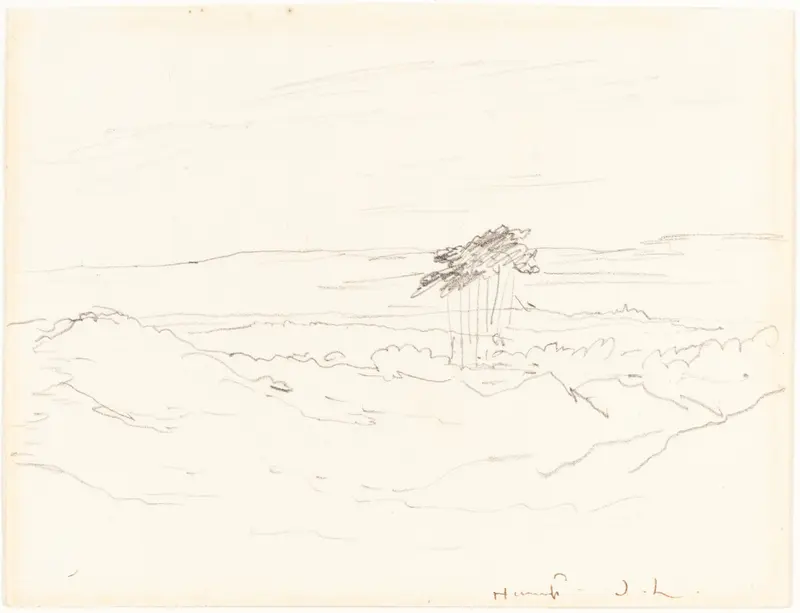
Hampstead Heath
John Linnell
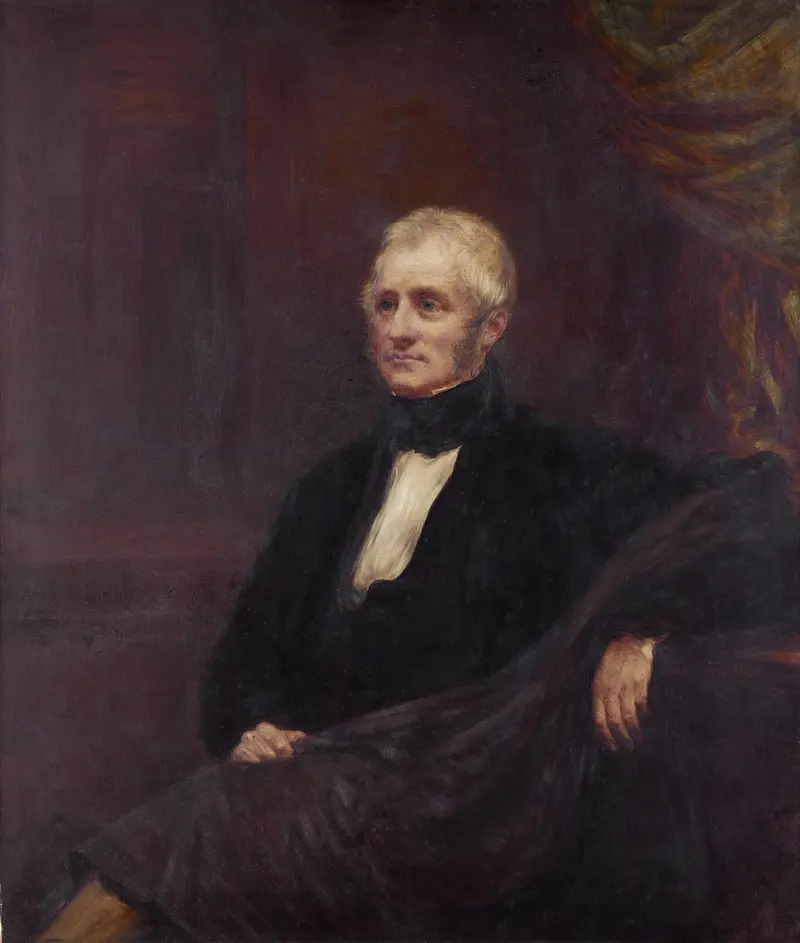
Henry Stephen Fox-Strangways, 3rd Earl Of Ilchester
John Linnell
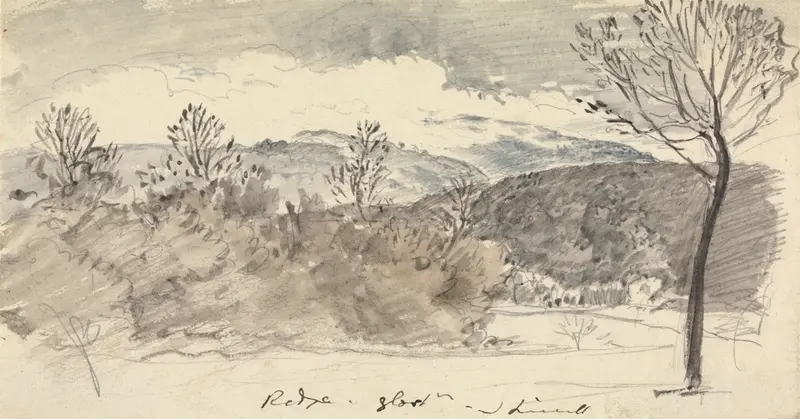
View at Mr. Sheppard’s, The Ridge, Gloucestershire
John Linnell
More Landscape Art

The Starry Night
Vincent van Gogh

View of Delft
Johannes Vermeer

Water Lilies
Claude Monet

The Grand Canal, Venice, looking north-west from the Ca' Corner to the Ca' Contarini degli Scrigni, with the campanile of Santa Maria della Carità
Canaletto

Windsor Castle
Canaletto

The Grand Canal looking North-East from the Palazzo Dolfin-Manin to the Rialto Bridge
Canaletto