Une Paysanne Et Sa Vache À La Mare En Vue D’un Village — History & Analysis
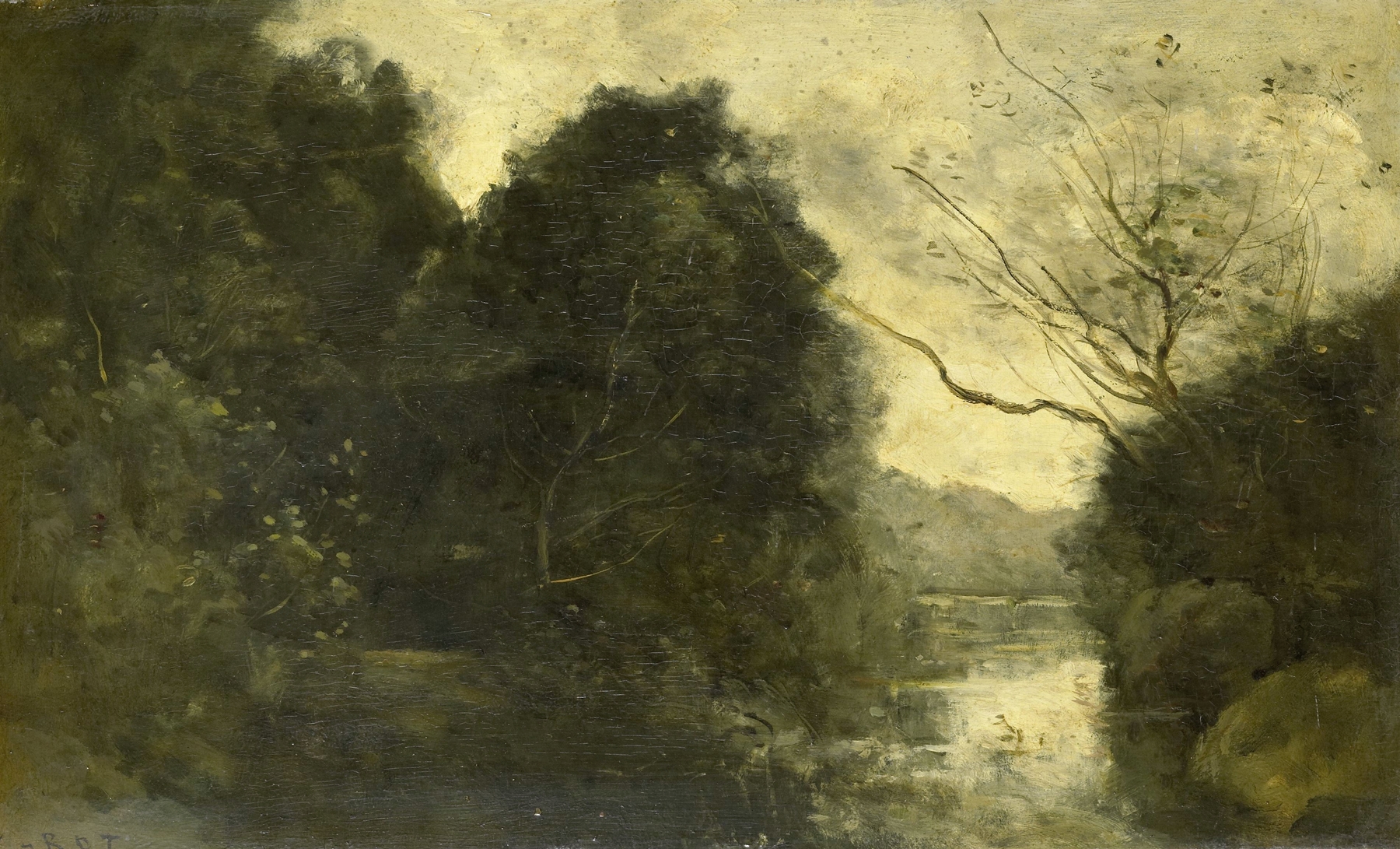
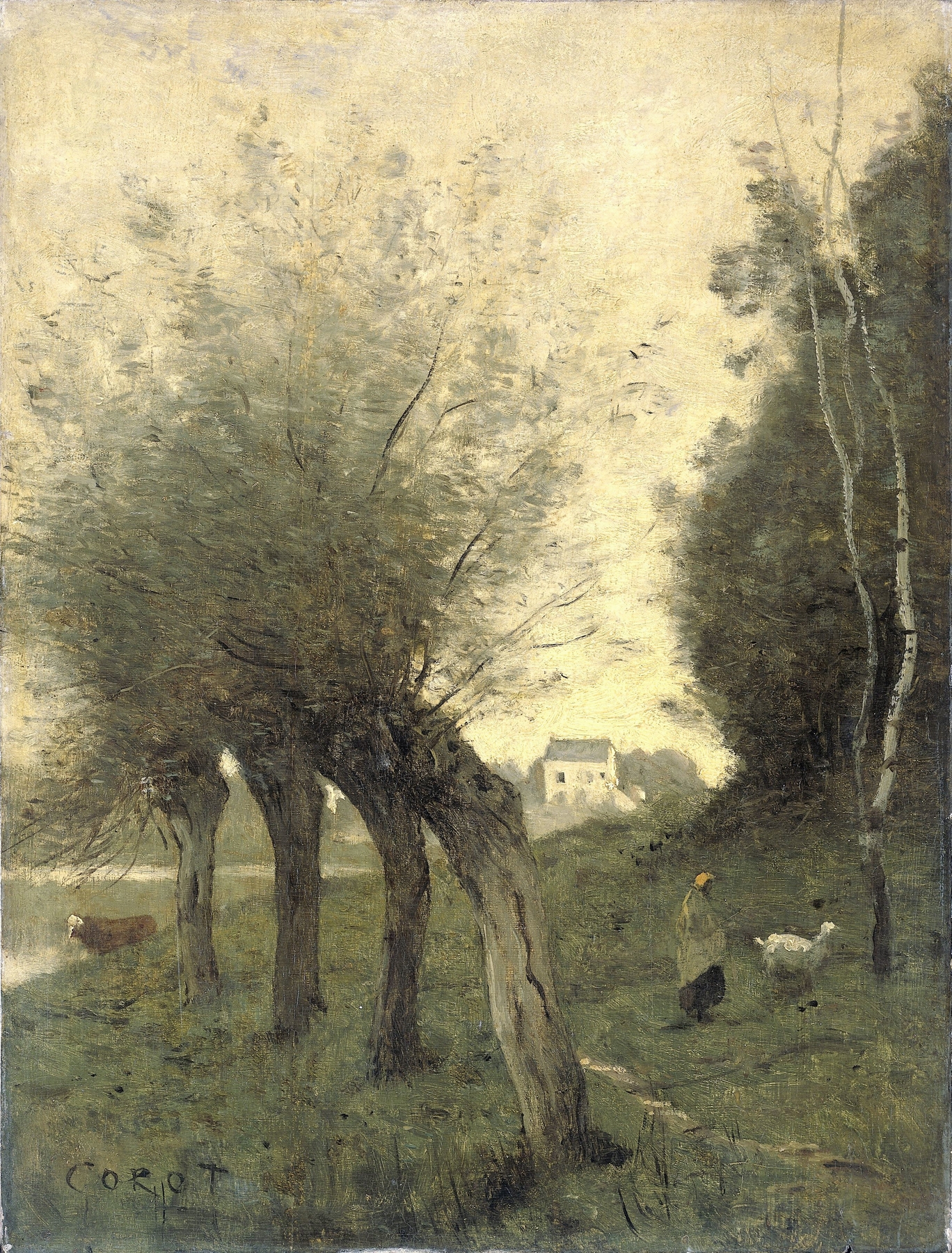
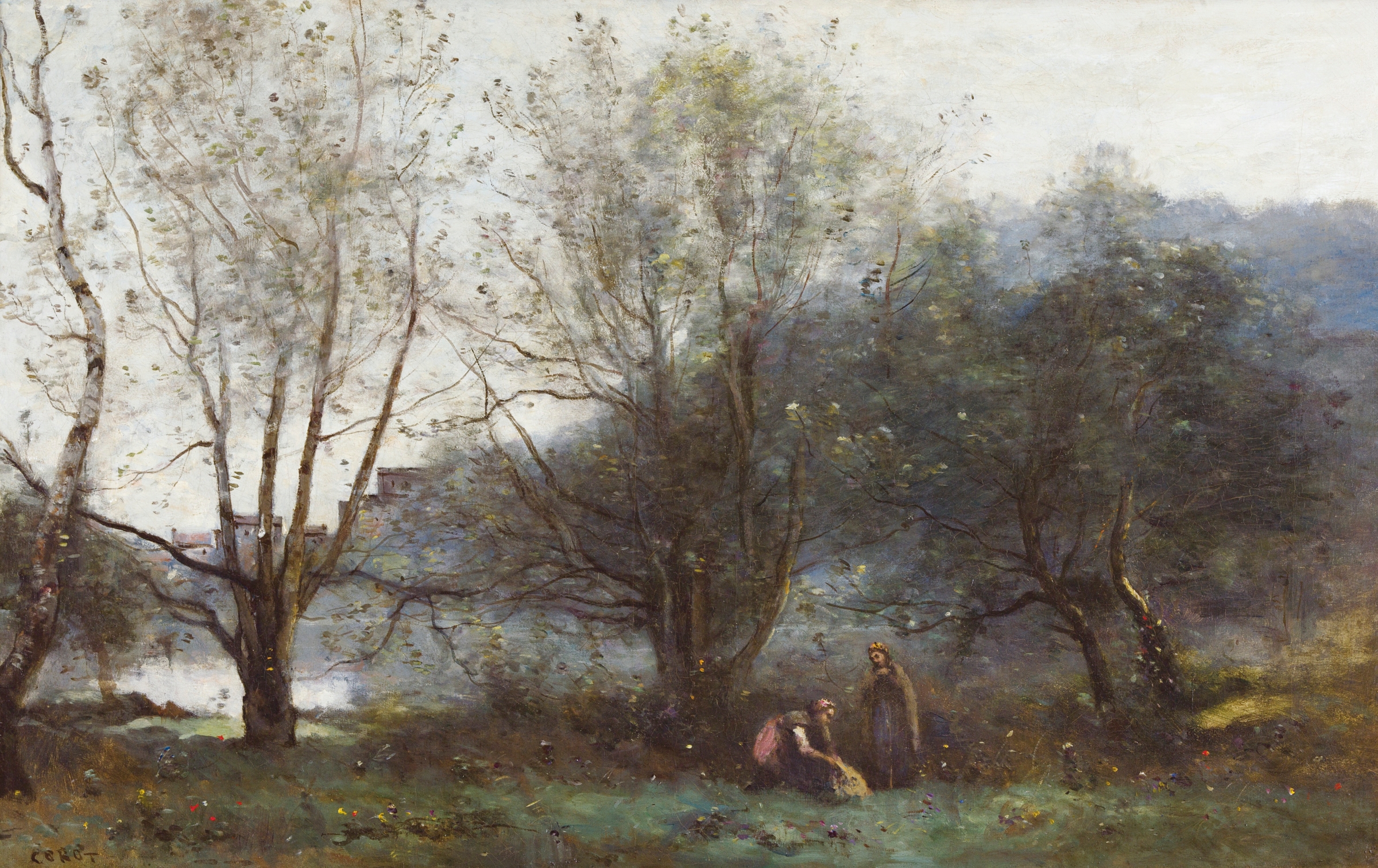
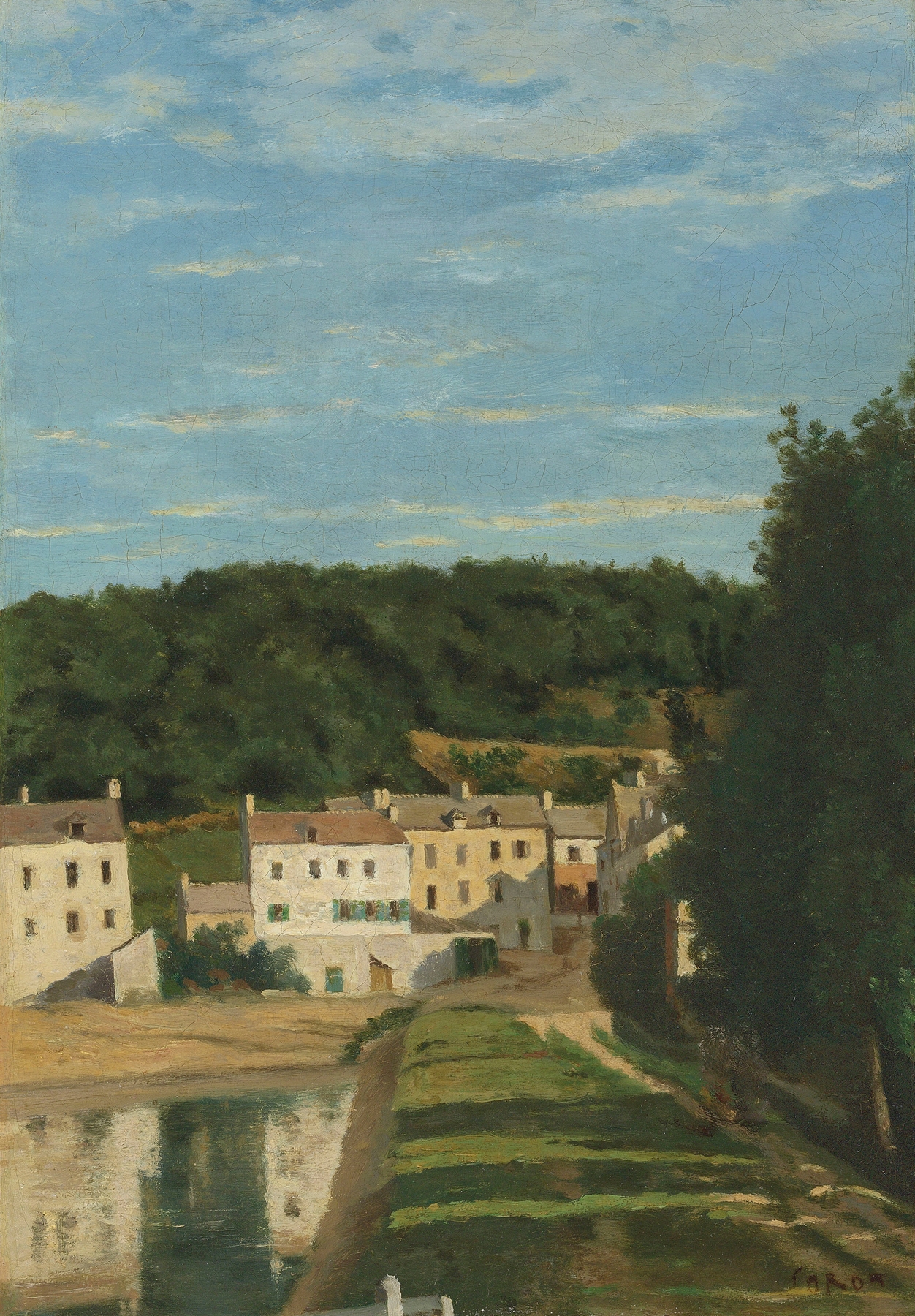
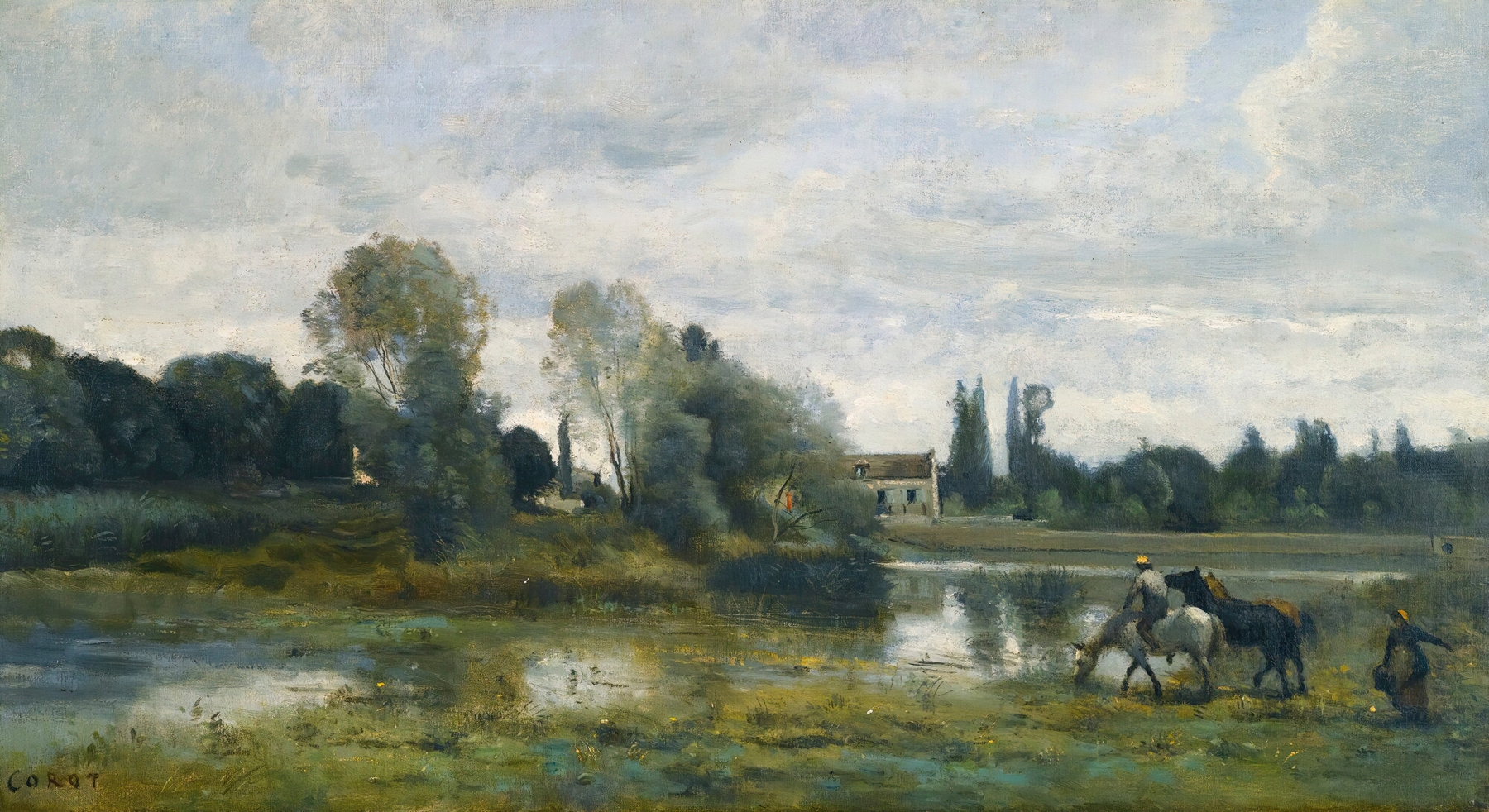
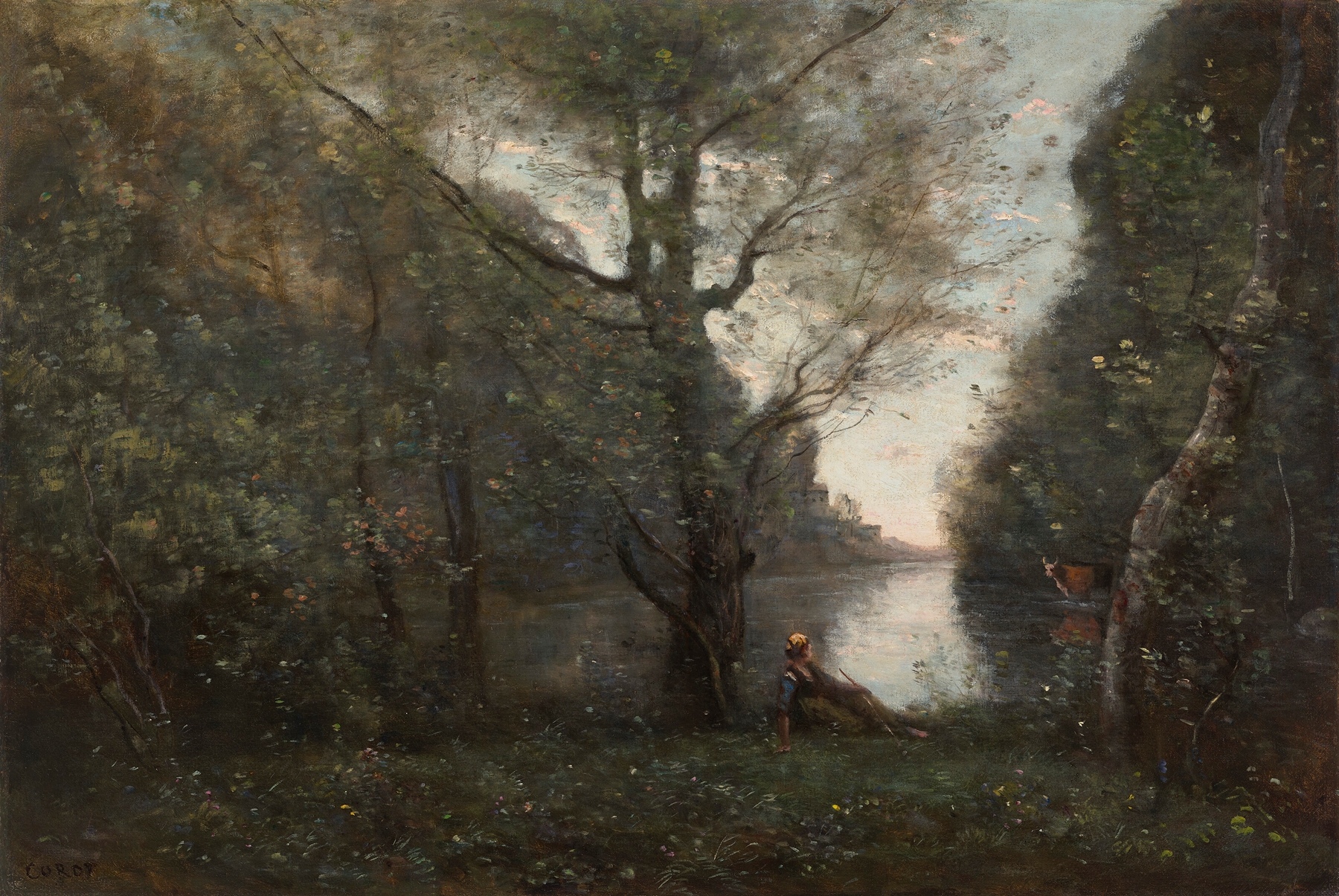
Could beauty survive in a century of chaos? In Une Paysanne Et Sa Vache À La Mare En Vue D’un Village, the serene rural landscape stands as a bastion against the tumult of the world around it. Here, the delicate balance of life unfolds, inviting the viewer to ponder the fragility of existence amid the storms brewing just beyond the horizon. Look to the left at the peasant woman, her posture a blend of stoic resilience and nurturing grace as she tends to her cow beside the tranquil pond. The artist employs soft, muted colors that harmonize with the gentle reflections in the water, inviting a sense of calm.
Notice how the light dapples through the trees, casting playful shadows that dance around the figures, emphasizing the warmth of companionship between human and animal. This careful interplay of light and shadow not only highlights their connection but also serves as a reminder of the beauty that persists even in uncertainty. Yet, there is an undercurrent of tension within this idyllic scene. The cow, with its head bowed, appears almost resigned, a poignant reflection of the weight of their shared burdens. The distant village looms, its presence a subtle reminder of the encroaching hustle of modern life, contrasting the peaceful coexistence depicted in the foreground.
This juxtaposition sparks a feeling of unrest, as if the tranquility of this moment is teetering on the brink of an inevitable disruption. Created between 1860 and 1865, this piece emerged during a time of significant change in France. Jean-Baptiste-Camille Corot sought to capture the essence of rural life amidst the rapid industrialization sweeping through the country. As the world around him transformed, the artist's brush turned towards the simpler joys of existence, revealing both a longing for tranquility and an acute awareness of the chaos lurking just beyond the canvas.