
Unemployed — History & Facts
Can paint confess what words never could? In a world where despair looms large, the canvas reveals a silent story of abandonment and yearning for transcendence. Focus on the central figure—an unemployed man, slumped in an unadorned chair. His weary expression, painted with muted greys and browns, radiates a sense of exhaustion. Look closely at his hands, resting limply in his lap, where the raw, textured brushwork captures the weight of hopelessness.
The soft, diffused light casts a somber glow, illuminating the emptiness around him and creating a stark contrast between his figure and the indistinct background, invoking a feeling of isolation. The duality of his gaze draws us in; it seems to reflect both resignation and a flicker of hope. Delve into the subtle interplay of shadows across his face, suggesting the burdens he carries while simultaneously hinting at an inner resolve. This artwork transcends the mere act of portrayal; it speaks to the universal struggle against the tides of fate and the quest for meaning even in moments of despair. In 1939, Halász-Hradil created this poignant piece during a tumultuous period in Europe, marked by economic strife and impending conflict.
As the world spiraled into uncertainty, the artist found himself grappling with both personal and societal disillusionment. This work, among others from this era, reflects not only his individual experiences but also resonates deeply with the collective anxiety of a generation caught between hope and despair.
More Artworks by Elemír Halász-Hradil
Browse all →
Self-Portrait
Elemír Halász-Hradil
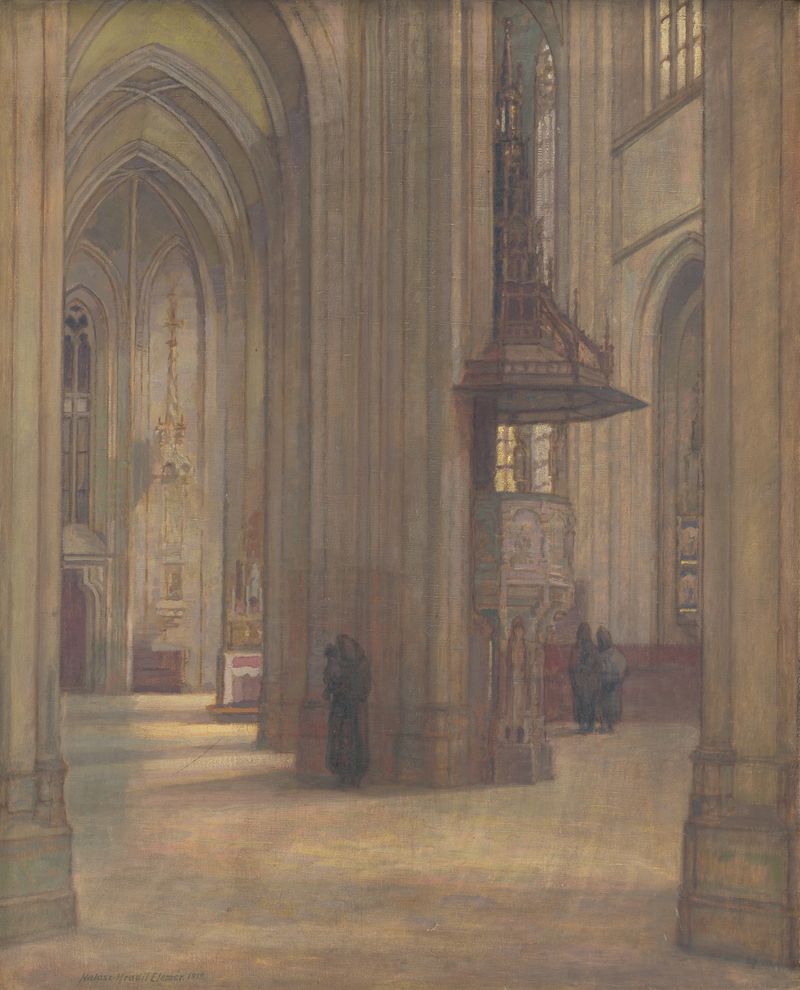
Interior of St. Elisabeth Cathedral
Elemír Halász-Hradil
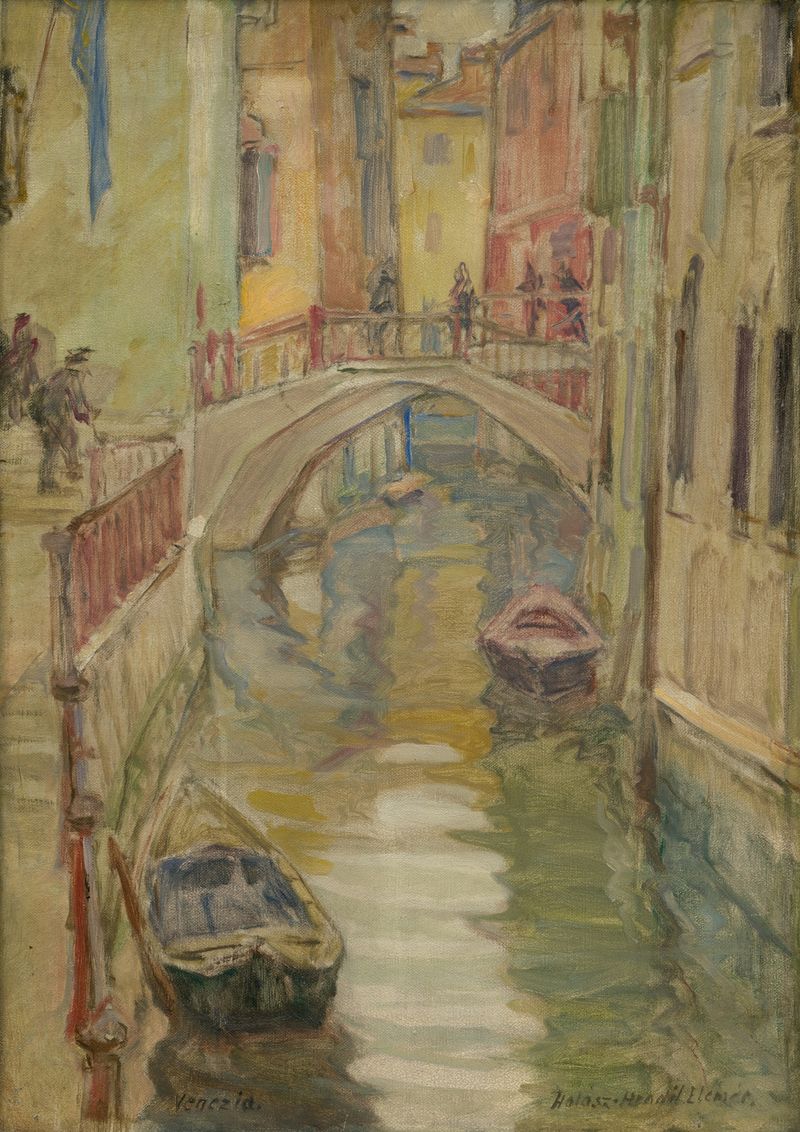
Venice
Elemír Halász-Hradil
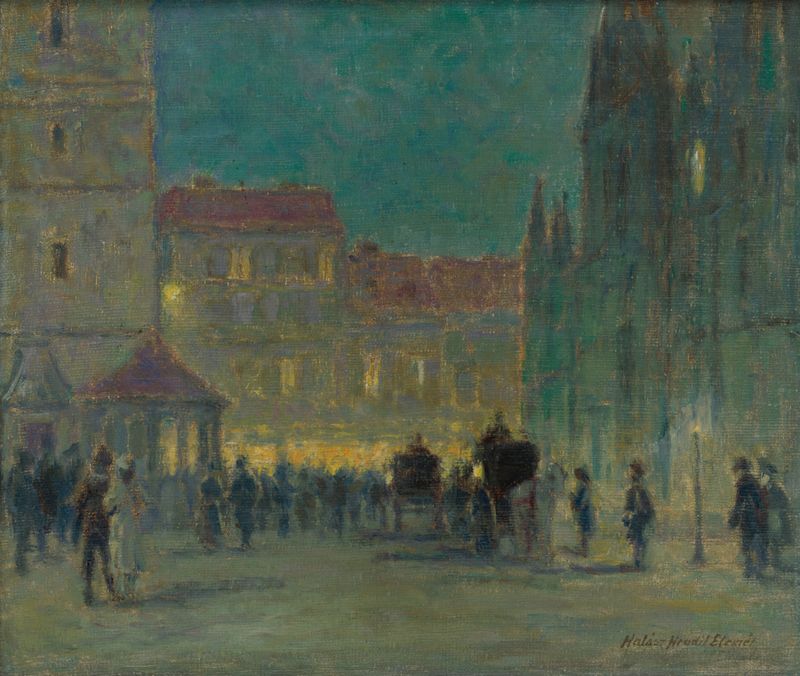
Evening in front of the St. Elisabeth Cathedral
Elemír Halász-Hradil
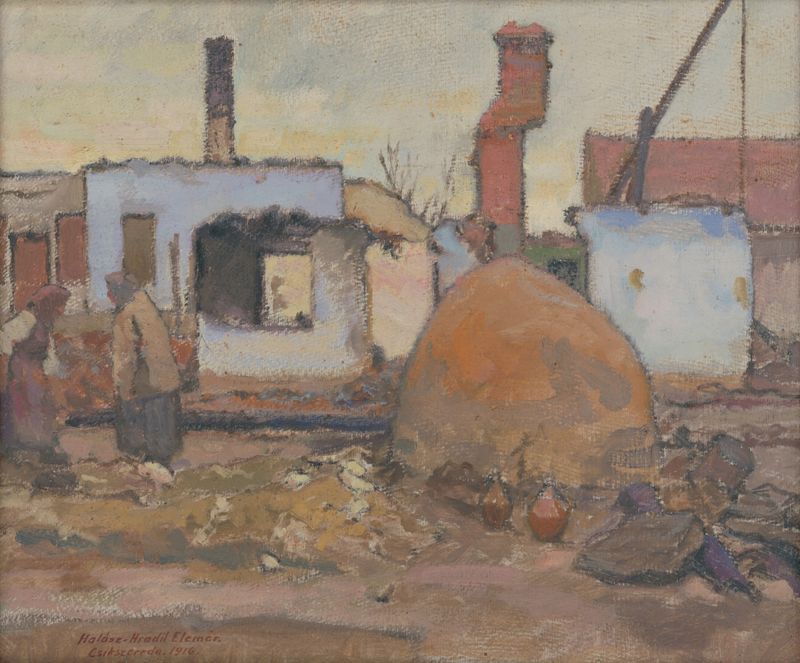
After the Passage of the Front
Elemír Halász-Hradil
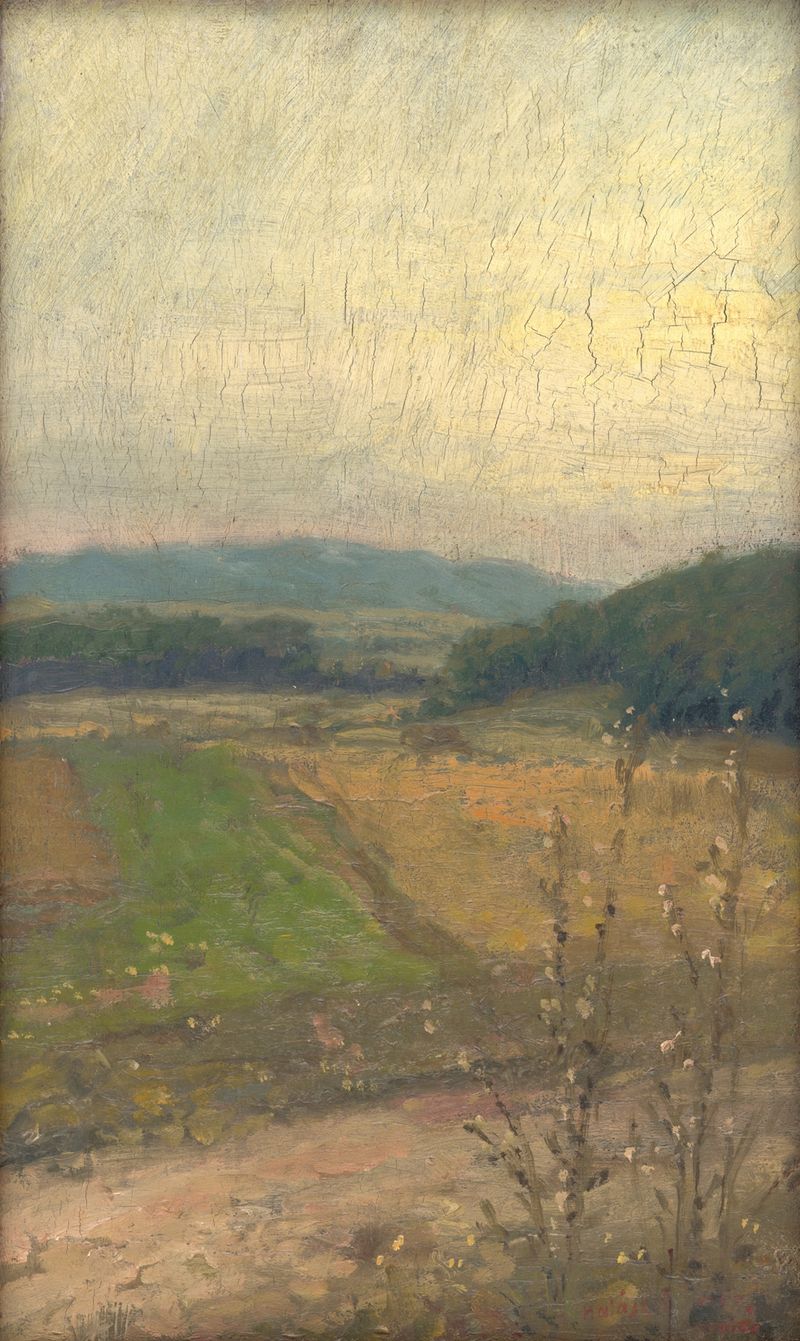
Landscape with Hills in the Background
Elemír Halász-Hradil
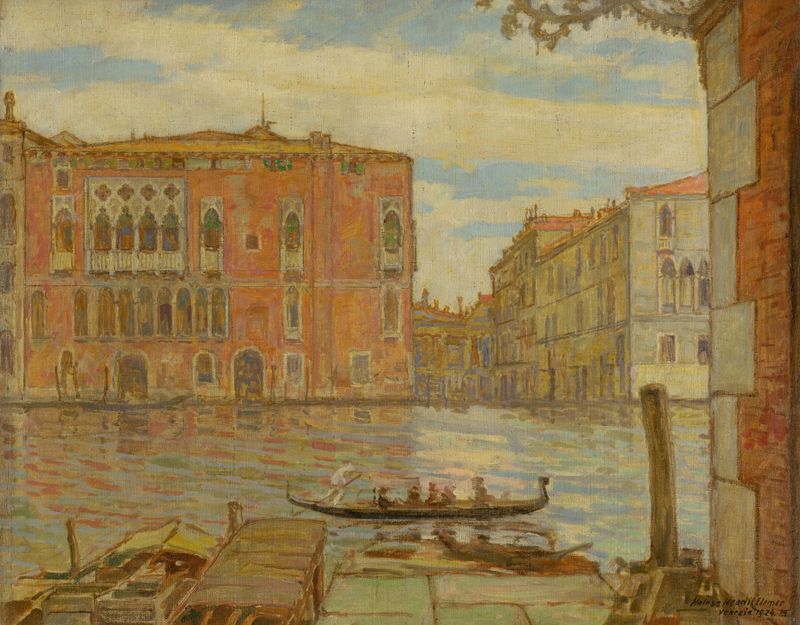
Venice
Elemír Halász-Hradil

To the mountains
Elemír Halász-Hradil

Margecany Mill
Elemír Halász-Hradil

At the Market
Elemír Halász-Hradil





