
Ungarisches Dorf — History & Facts
What secret hides in the quiet of the canvas? In Ungarisches Dorf, a stillness envelops the viewer, inviting contemplation of the unspoken stories buried within its serene surface. Look to the center of the painting, where a cluster of rustic buildings rests peacefully against a vast expanse of muted earth tones. The artist’s deft brushwork creates a textured interplay of light and shadow, illuminating the modest roofs and worn pathways. Notice how the soft, diffused light casts a gentle glow, echoing the tranquility of rural life.
The palette, dominated by ochres and greens, reinforces a sense of harmony, yet hints at an underlying emptiness—a village seemingly untouched by time. As you explore the edges of the scene, the tension of isolation becomes palpable. The absence of figures suggests a moment frozen in time, evoking feelings of solitude and reflection. Each abandoned doorway and window leads the mind to ponder who may have walked these paths and what memories echo in the silence.
The village, both inviting and deserted, stands as a testament to fleeting moments—reminding us that emptiness can hold profound weight, serving as a canvas for our imaginations. Created during a period of artistic exploration in the 19th century, the artist produced this work while navigating the evolving landscapes of European art. Little is known of the exact circumstances surrounding the painting, but the era was rife with shifts toward realism, capturing the essence of everyday life in a way that connected deeply with the viewer. This piece reflects not only the beauty of the Hungarian countryside but also a broader contemplation of existence within the quiet margins of history.
More Artworks by Remigius Adrianus van Haanen
Browse all →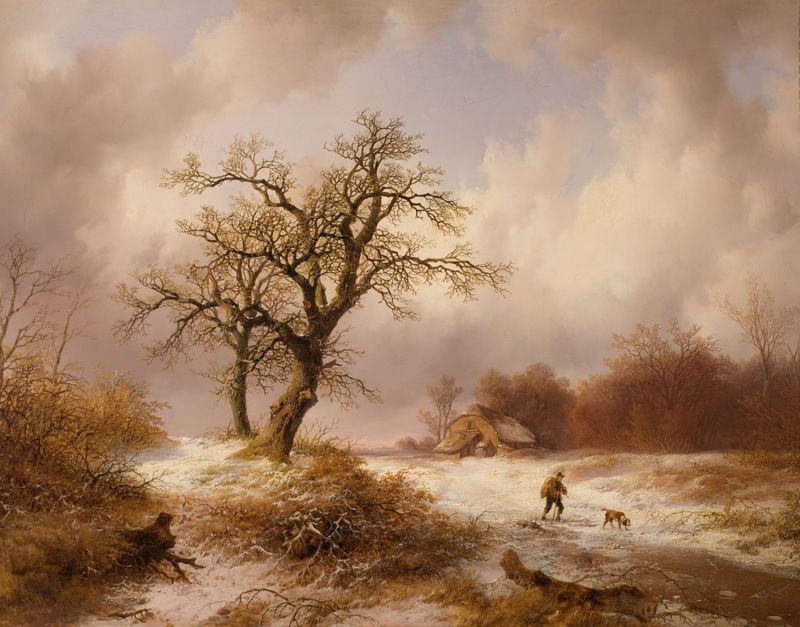
Winterlandschaft
Remigius Adrianus van Haanen
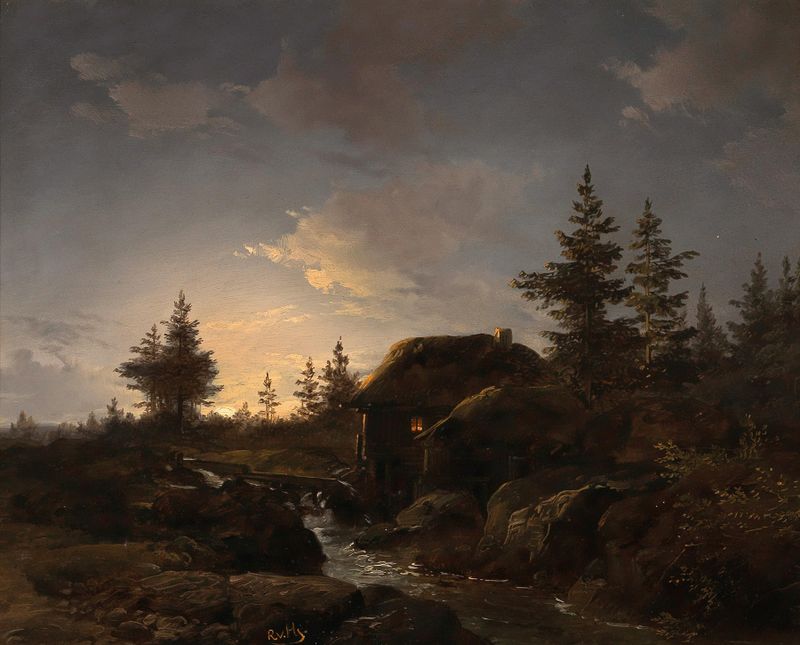
A Moonlit Night
Remigius Adrianus van Haanen
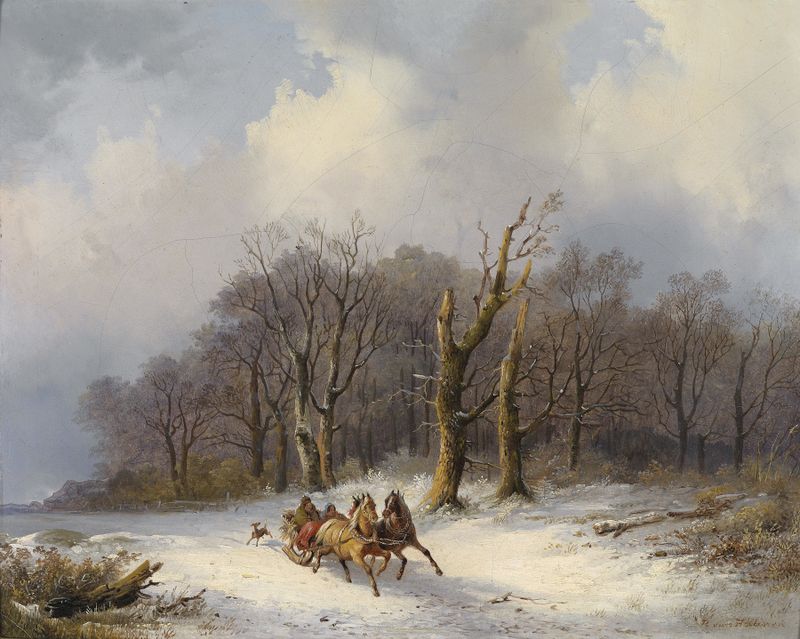
Winterlandschaft mit Pferdeschlitten
Remigius Adrianus van Haanen
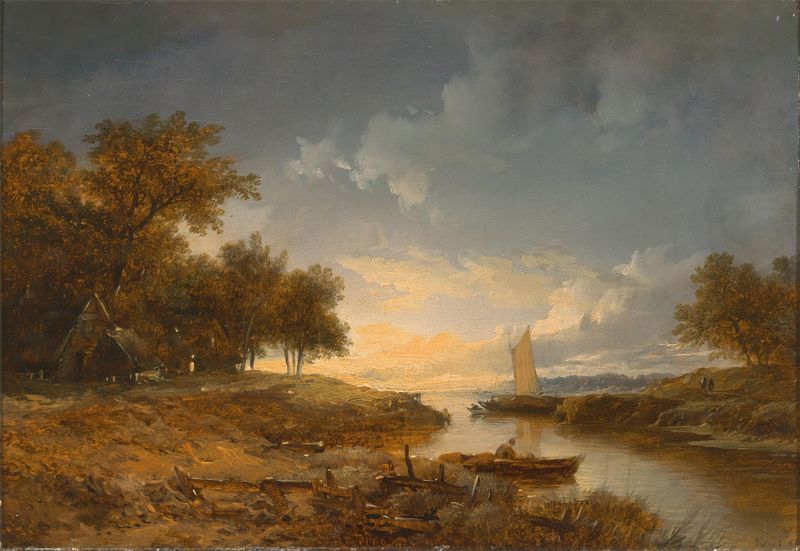
A Dutch River Landscape in the Evening Light
Remigius Adrianus van Haanen
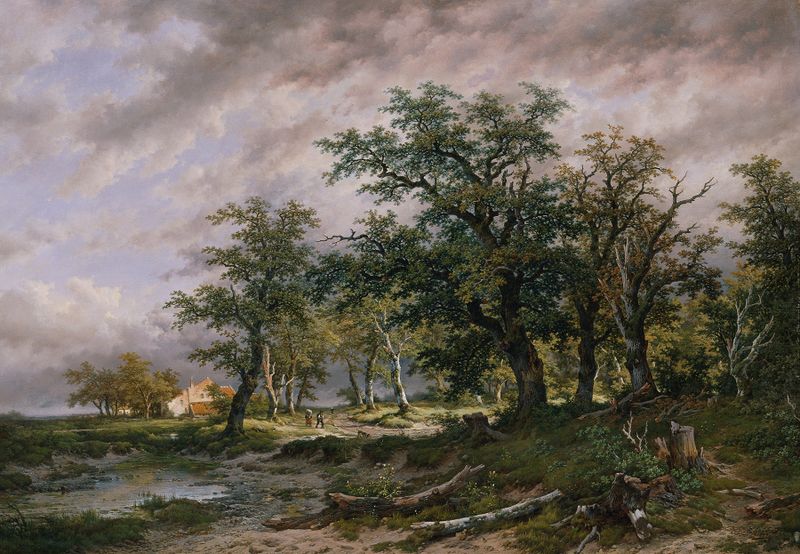
Große holländische Landschaft
Remigius Adrianus van Haanen
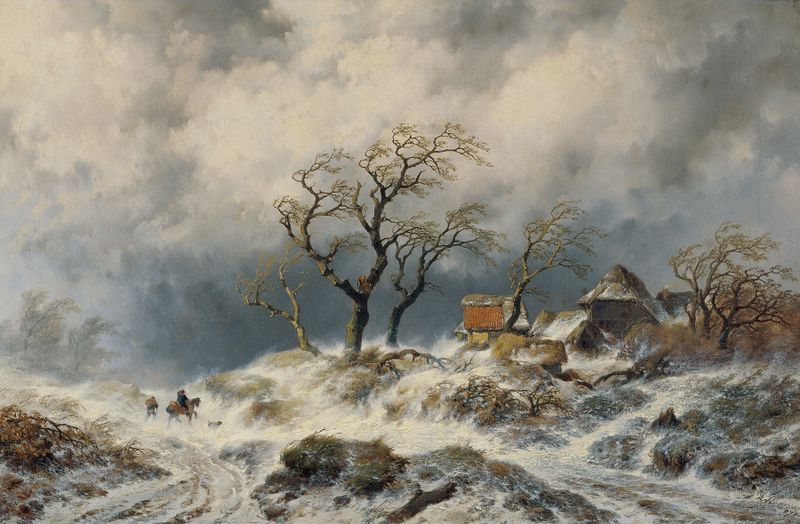
Holländische Winterlandschaft (Schneewehen)
Remigius Adrianus van Haanen
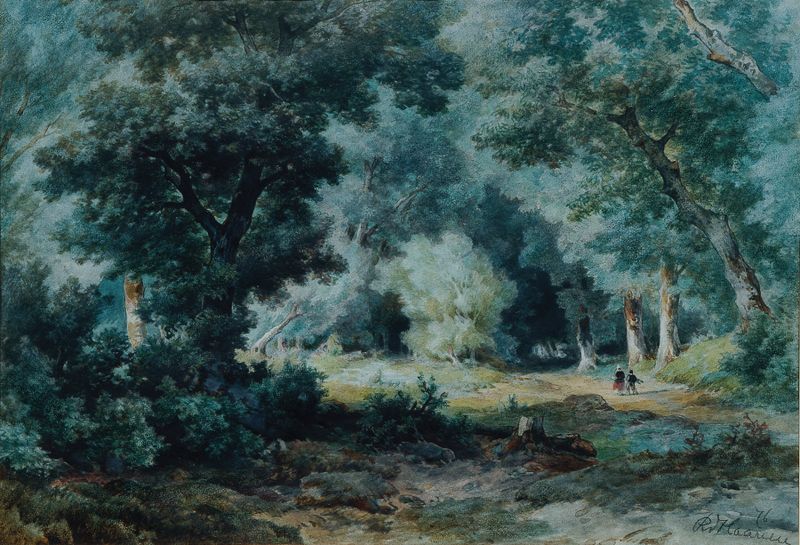
Waldinneres
Remigius Adrianus van Haanen
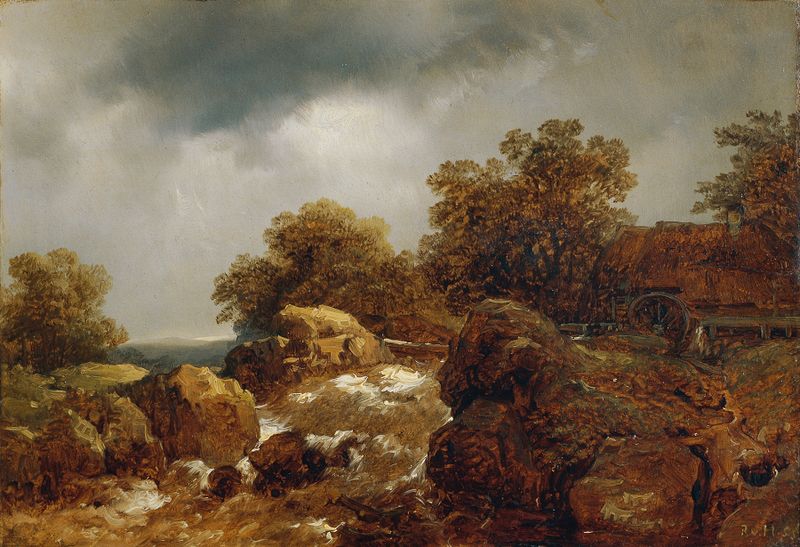
Felsige Landschaft
Remigius Adrianus van Haanen
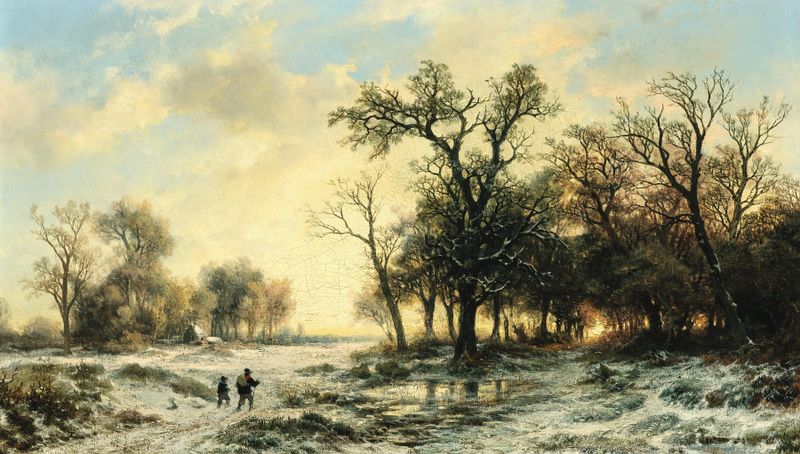
Returning Home at Dusk in Winter
Remigius Adrianus van Haanen
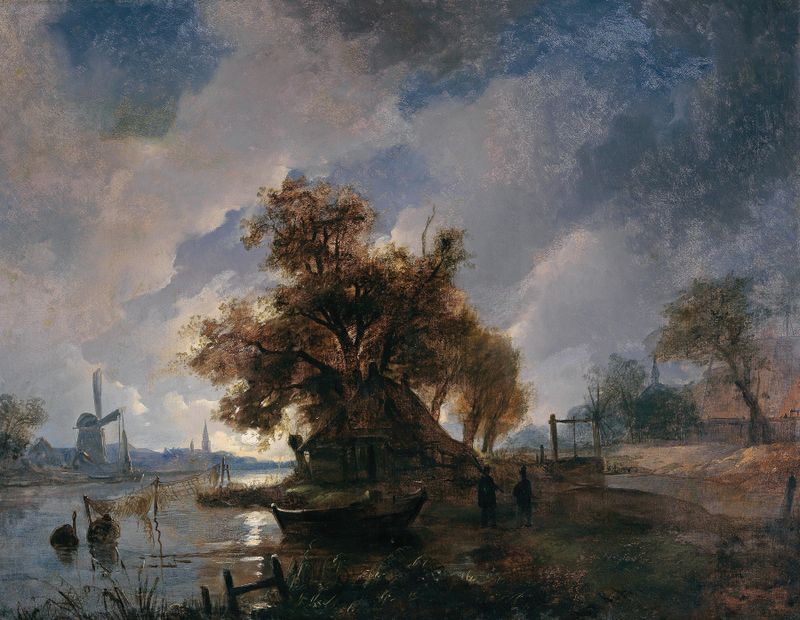
Holländische Flusslandschaft
Remigius Adrianus van Haanen





