
Unloaders of Plaster (Canal St. Martin) — History & Facts
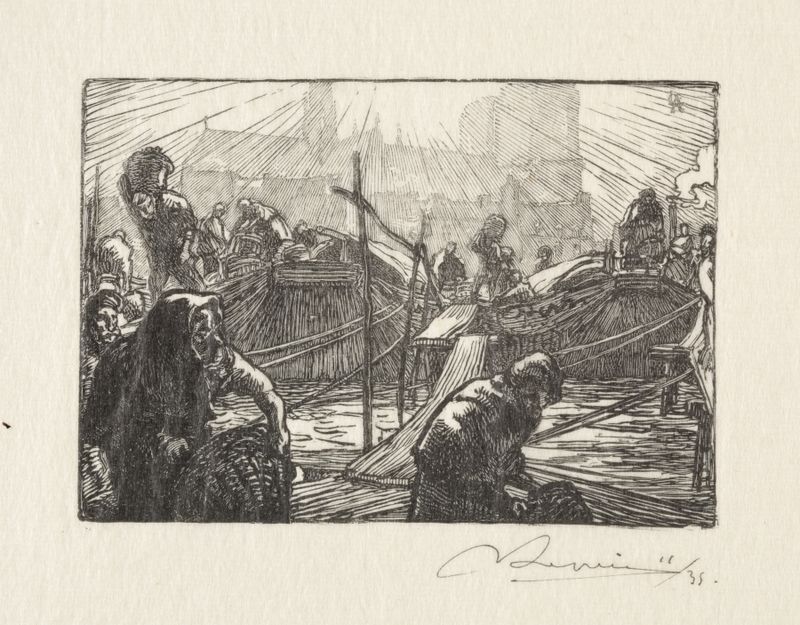
Can paint confess what words never could? In Unloaders of Plaster (Canal St. Martin), the balance of labor and leisure speaks volumes, revealing the silent struggles of everyday life. Look to the left at the figures, their bodies arched in a deliberate dance of effort, hands gripping heavy sacks of plaster. The muted, earth-toned palette underscores the laborious atmosphere, while the soft light filtering through the trees casts a tranquil glow over the scene.
Notice how the gentle ripples of the canal reflect a world caught in motion, juxtaposing the stillness of the water with the tireless toil of the workers. Each brushstroke breathes life into the composition, creating depth and texture that draw the viewer deeper into this moment. Beneath the surface lies a tension between the grueling demands of work and the fleeting moments of beauty surrounding it. The tranquility of the canal contrasts sharply with the exertion of the unloaders, suggesting a narrative of resilience amid hardship.
The way the figures are grounded by their labor while simultaneously framed by nature speaks to a universal struggle for balance — a theme that resonates beyond the canvas, touching on the human experience of striving for equilibrium in chaotic environments. In 1890, Auguste Louis Lepère painted this piece while living in Paris, a city effervescent with artistic innovation but fraught with the realities of industrial life. As Impressionism gained momentum, artists began to explore themes of modern life, blending observation with emotional undercurrents. Lepère, a pivotal figure in the transfer of traditional techniques into more contemporary subjects, captured the heart of a working-class narrative, enriching the discourse of his time.
More Artworks by Auguste Louis Lepère
Browse all →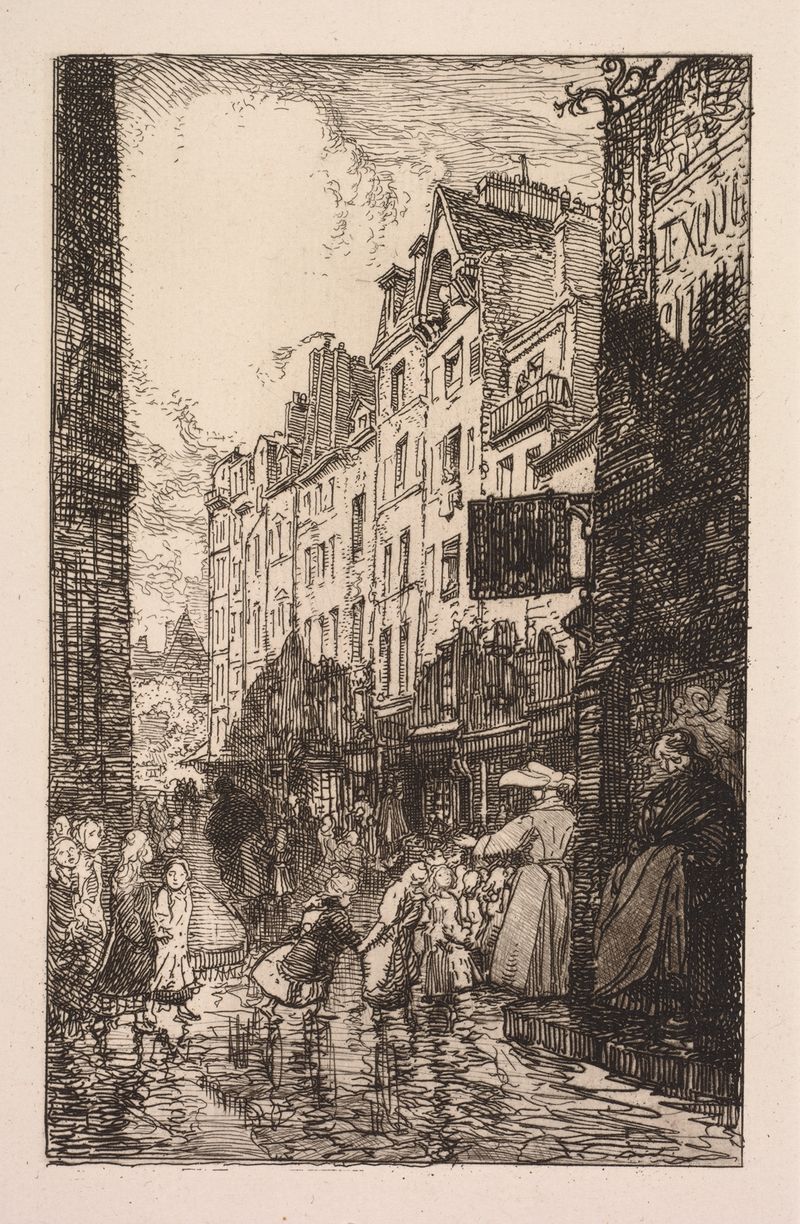
La Rue des Prêtres Saint-Séverin
Auguste Louis Lepère
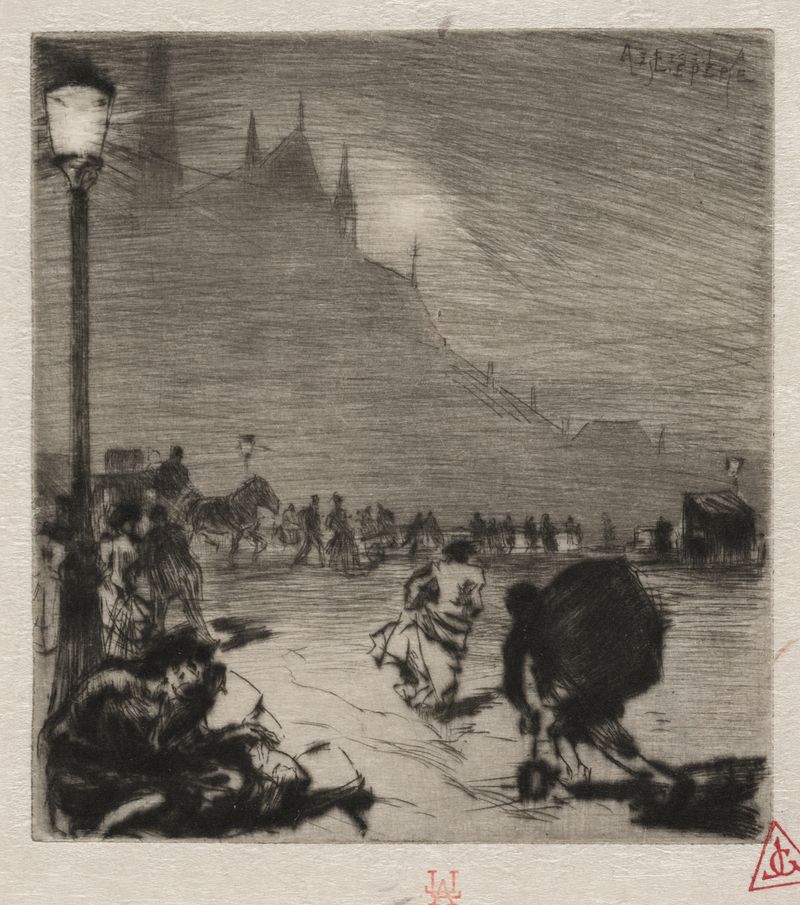
Au Coin du Pont-aux-Doubles
Auguste Louis Lepère
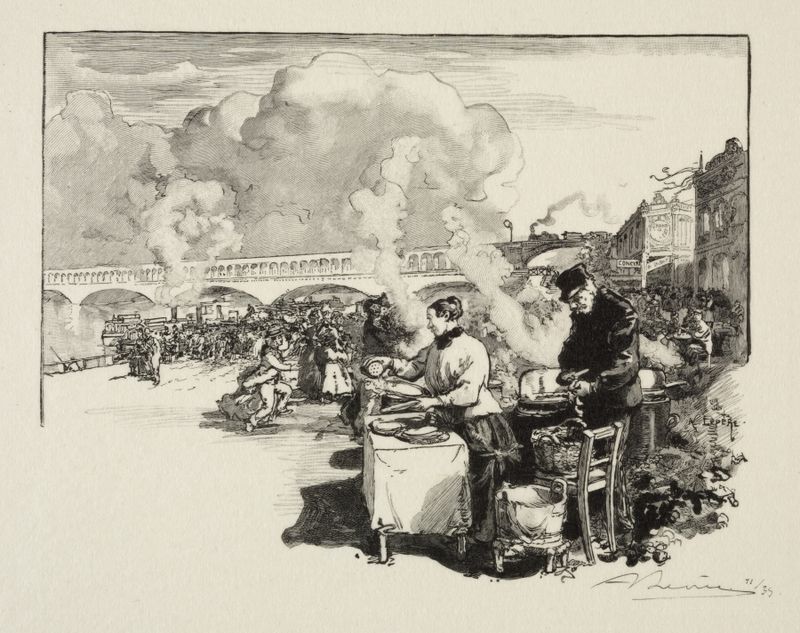
Debarcadère des bateaux-omnibus
Auguste Louis Lepère

La Seine, au quai de la Rapée
Auguste Louis Lepère
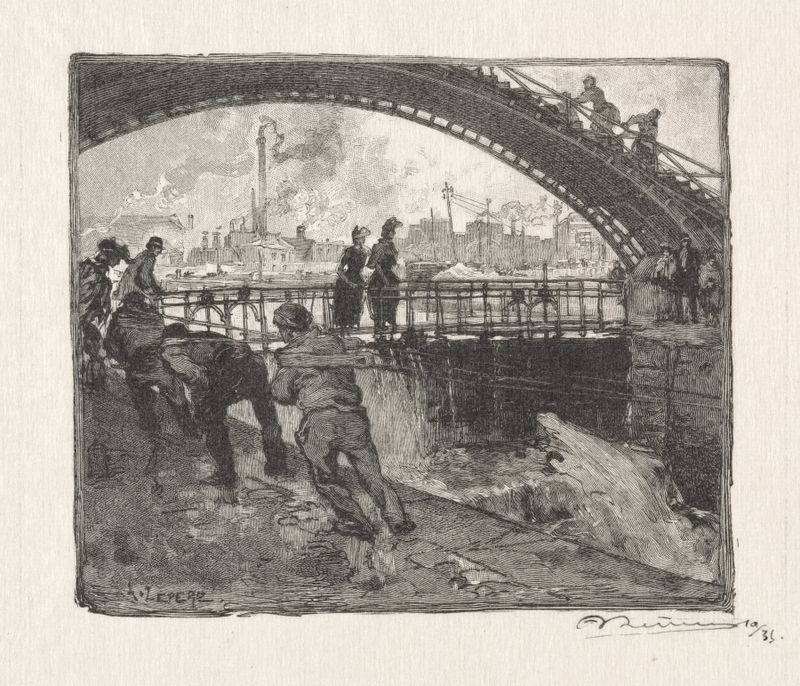
L’Ecluse du Canal St. Martin
Auguste Louis Lepère

Le Boulevard Montmartre, le Soir
Auguste Louis Lepère

Une Chasse au Mont Gérard
Auguste Louis Lepère
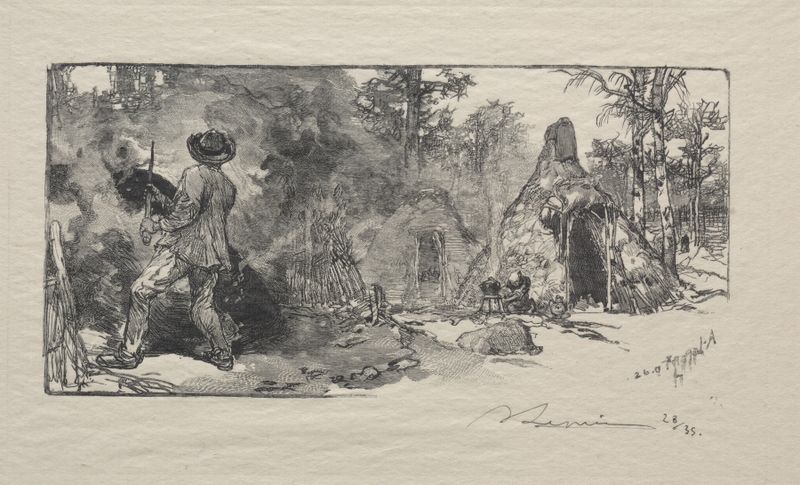
Les Charbonniere
Auguste Louis Lepère
Notre Dame vue du Marché aux pommes
Auguste Louis Lepère

Le Palais des Arts Liberaux, Intèrieur
Auguste Louis Lepère





