
Unloading Peat — History & Facts
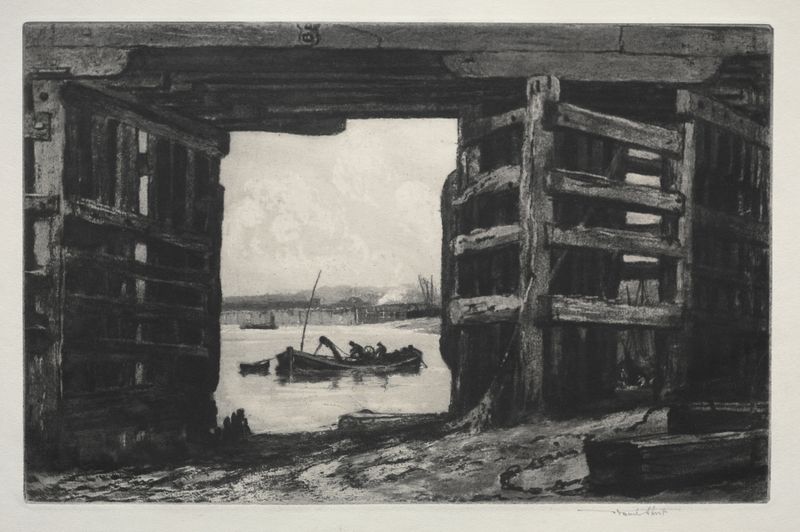
What if beauty was never meant to be finished? In Unloading Peat, the fleeting nature of labor and the fragility of our existence converge in a breathtaking tableau. Look to the center where the figures are engaged in a quiet yet earnest exchange with their surroundings. The painter’s deft hand captures the coarse texture of the peat, the subtle variations of browns and greens pulsating with life. Notice how the warm light bathes the workers, casting long shadows that stretch towards the edges of the canvas, thus emphasizing the relentless passage of time.
The composition is balanced, with the human figures grounding the scene, while the landscape unfurls in the background, inviting viewers to reflect on the relationship between man and nature. Delving deeper, the contrasts in this piece reveal a poignant narrative. The rugged labor of unloading peat stands in stark opposition to the delicate interplay of light and shadow, a metaphor for the inevitable cycle of toil and beauty. Each figure, though sturdy in posture, appears transient, embodying the fragility of existence against the backdrop of the enduring natural world.
This duality invites contemplation on the transient moments of life and the labor that sustains them. Created in 1889, Unloading Peat emerged from a period of technological change and social disruption in Britain. Short, an influential figure in printmaking and painting, was deeply engaged with capturing everyday life, particularly the working class. At this time, he sought to elevate the humble, yet vital, connections between people and their labor, underscoring the beauty found in simplicity and the strength woven into the fabric of daily existence.
More Artworks by Sir Frank Short
Browse all →
Morning Haze in Chichester Harbor
Sir Frank Short
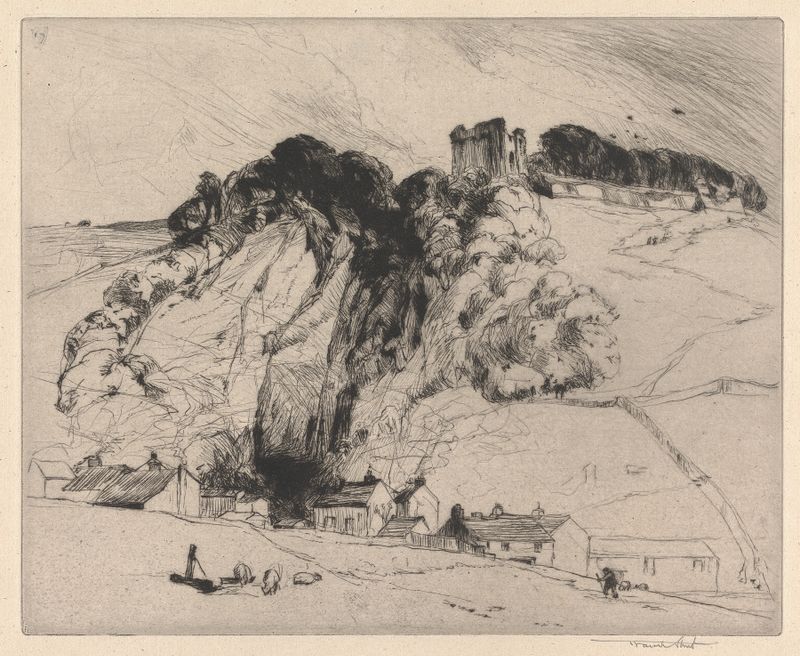
Peveril’s Castle, Derbyshire
Sir Frank Short
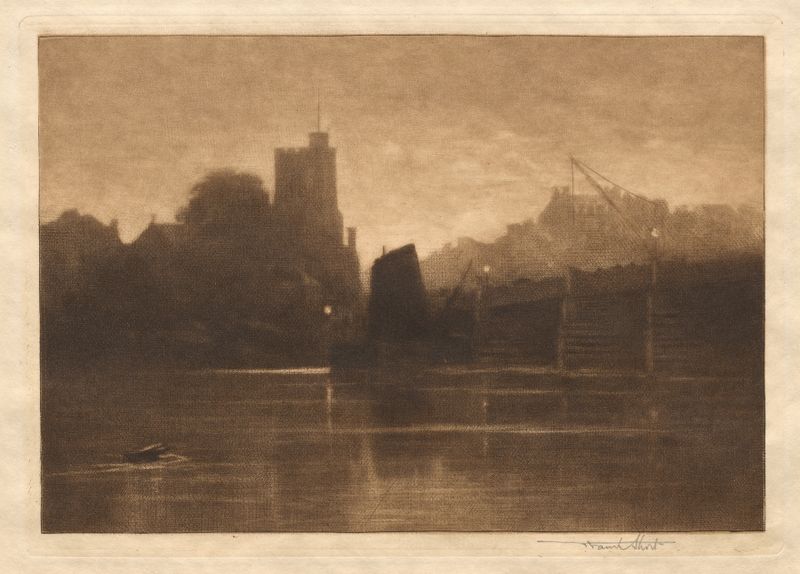
Ebb Tide, Putney Bridge
Sir Frank Short
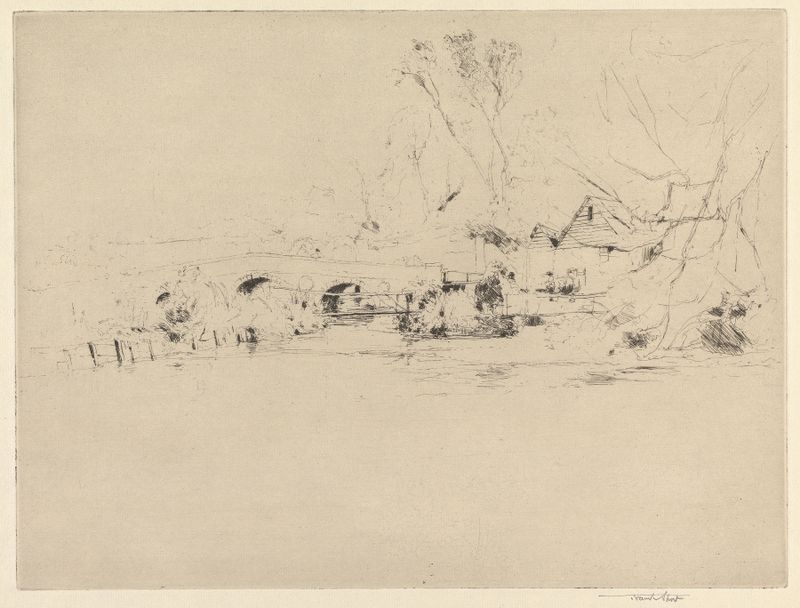
Old Mill on the Wandle, at Mitcham
Sir Frank Short

Moonlight on the Medway at Chatham
Sir Frank Short

Parkgate
Sir Frank Short
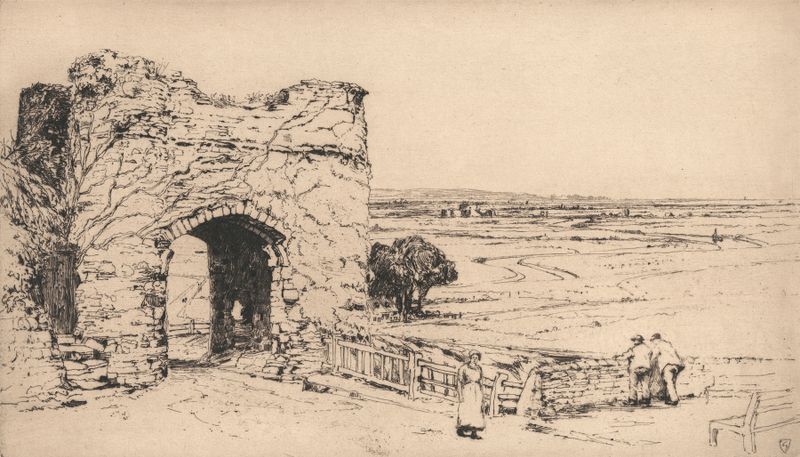
The Strand Gate, Winchelsea
Sir Frank Short

Bridgenorth
Sir Frank Short
A Span of Old Battersea Bridge
Sir Frank Short

The Rope Walk, Spittal Bridge Whitby
Sir Frank Short





