
Unloading Peat — History & Facts
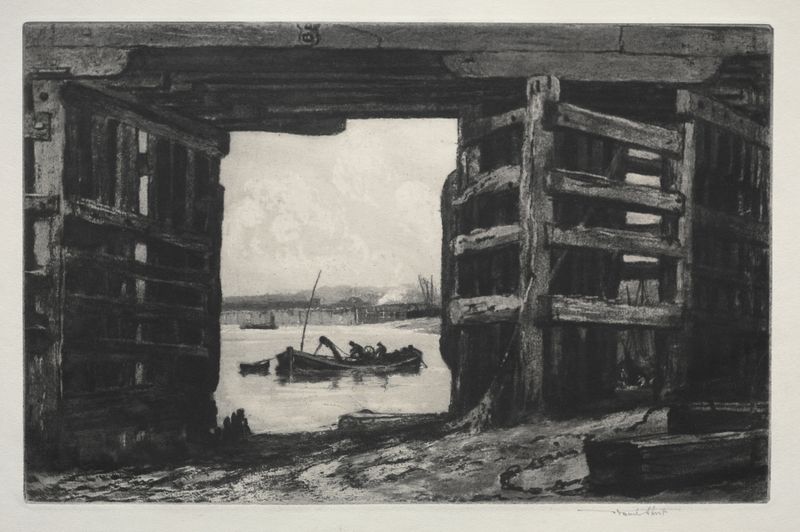
In the delicate interplay of memory and loss, some moments linger in the heart like shadows, refusing to fade. This work captures a scene not just of labor but of the unspeakable grief that underlies our daily toils — a reflection of both personal and collective experiences. Look to the bottom right, where the laborers’ weathered hands grasp the heavy, square blocks of peat. The earthy tones of browns and greens dominate, anchoring the composition in the rugged landscape.
Notice how the light filters through the mist, casting a soft glow on the figures, illuminating their weary expressions. The balanced arrangement of men and the expansive sky suggests a deep connection between humanity and nature, while the muted palette evokes a sense of somber nostalgia. Within the textured layers of earth and sky lies an emotional tension. The heavy peat symbolizes not only the labor of the present but also the weight of memories and losses that each man carries.
The men’s posture — slightly hunched, hands engaged, eyes averted — conveys a communal grief, an unspoken understanding of shared hardship. Their efforts to unload the peat transform into an act of remembrance, as the landscape becomes a witness to their struggles. Created in 1889, this piece emerged during a transformative period for the artist, who was deeply influenced by the changing dynamics of industrialization in Britain. Working primarily in London, Sir Frank Short sought to reconcile the rapid advancements around him with the quietude of nature.
His focus on themes of labor reflects the broader societal shifts of the time, grappling with sentiments of loss amid progress.
More Artworks by Sir Frank Short
Browse all →
Morning Haze in Chichester Harbor
Sir Frank Short
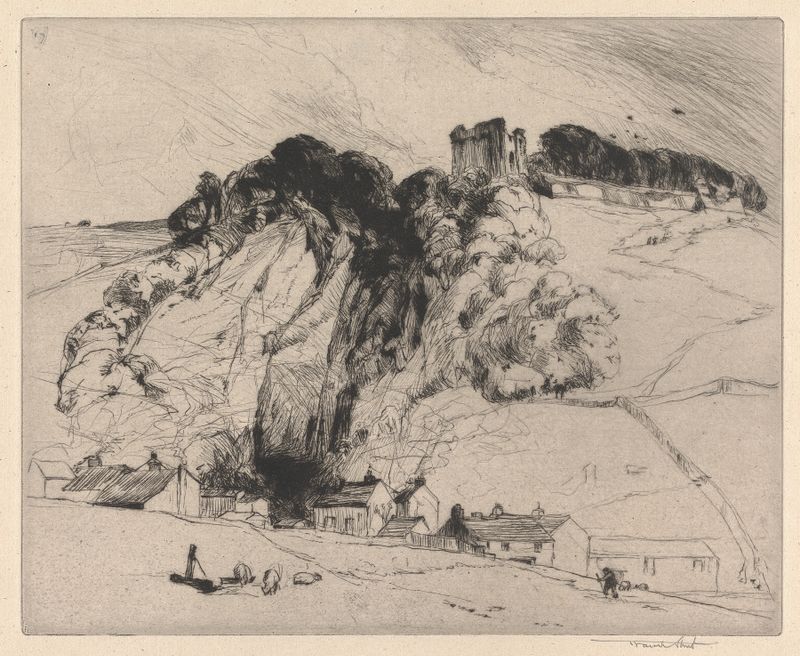
Peveril’s Castle, Derbyshire
Sir Frank Short
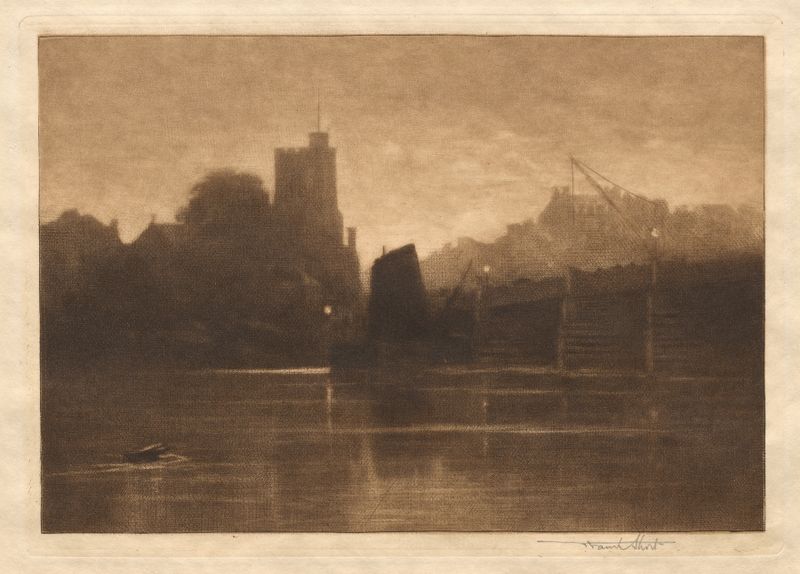
Ebb Tide, Putney Bridge
Sir Frank Short
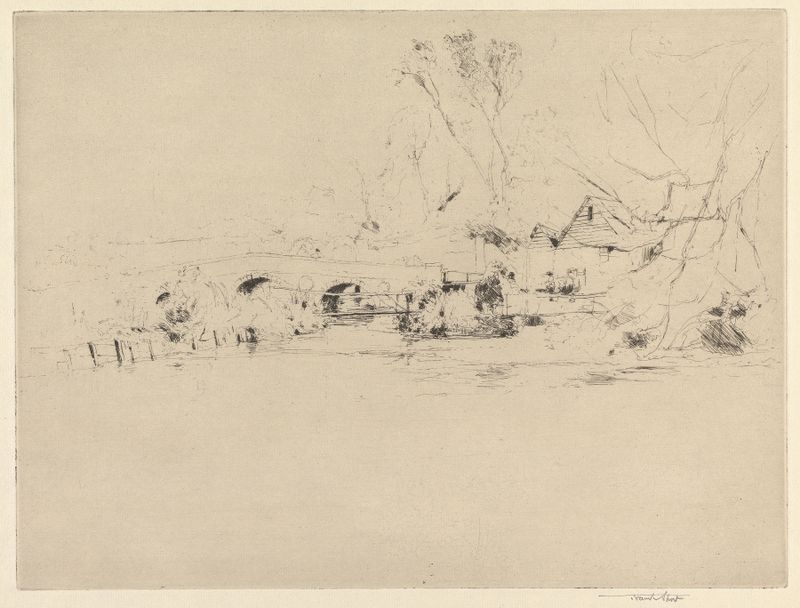
Old Mill on the Wandle, at Mitcham
Sir Frank Short

Moonlight on the Medway at Chatham
Sir Frank Short

Parkgate
Sir Frank Short
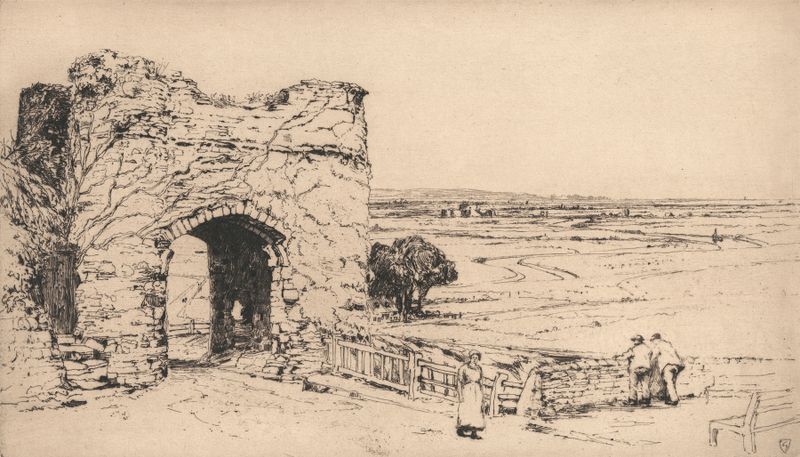
The Strand Gate, Winchelsea
Sir Frank Short

Bridgenorth
Sir Frank Short
A Span of Old Battersea Bridge
Sir Frank Short

The Rope Walk, Spittal Bridge Whitby
Sir Frank Short





