
Untersee und Rhein — History & Facts
A single, towering tree slices the sky, its trunk anchoring the viewer in the foreground while the world of the Untersee and Rhine opens up in a sweep of color and calm below. The eye is drawn first to the bold geometry of the composition: the tree, the curve of the hillside, the winding white path, and finally the distant shimmer of water. Two figures recline in the lower right, their relaxed posture and fashionable hats suggesting leisure and the promise of escape.
The palette—lush greens, golden fields, and the cool blue of the lake—sets a mood of serene abundance, while the distant villages and scattered red roofs hint at a landscape both lived-in and idyllic. This is not a scene of drama, but of invitation: the landscape as a place to pause, to breathe, to look. Created around 1919, Untersee und Rhein by Emil Cardinaux belongs to a world where travel posters and landscape views were both art and advertisement, designed to lure city dwellers to the restorative countryside. In early twentieth-century Switzerland, such works were commissioned by regional tourism boards—here, the Thurgau Verkehrsvereinigung—to promote the promise of health and beauty in places like Berlingen.
Cardinaux, known for his graphic clarity and modern color, helped define the visual language of Swiss tourism at a moment when train travel and leisure holidays were reshaping society. History has kept few traces of this specific poster’s journey, but its purpose is clear: to make you long for the curve of that path, the coolness of the lake, and the quiet company beneath a tree.
More Artworks by Emil Cardinaux
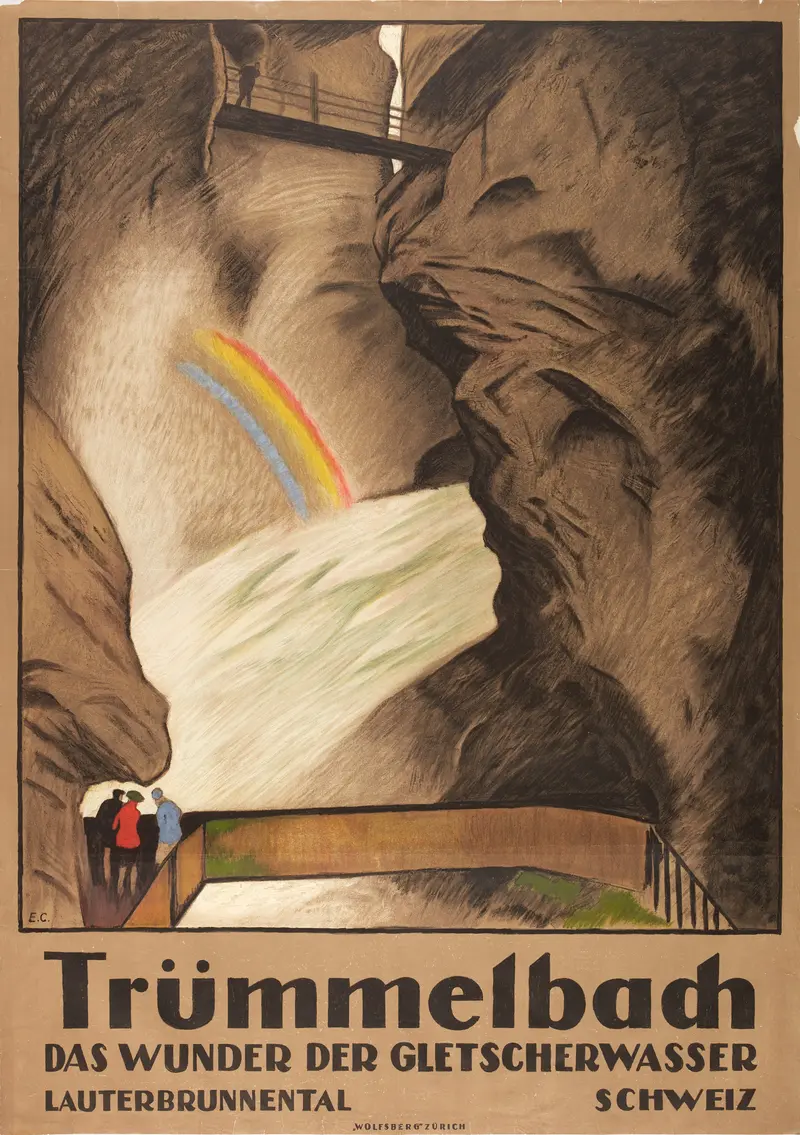
Trümmelbach
Emil Cardinaux
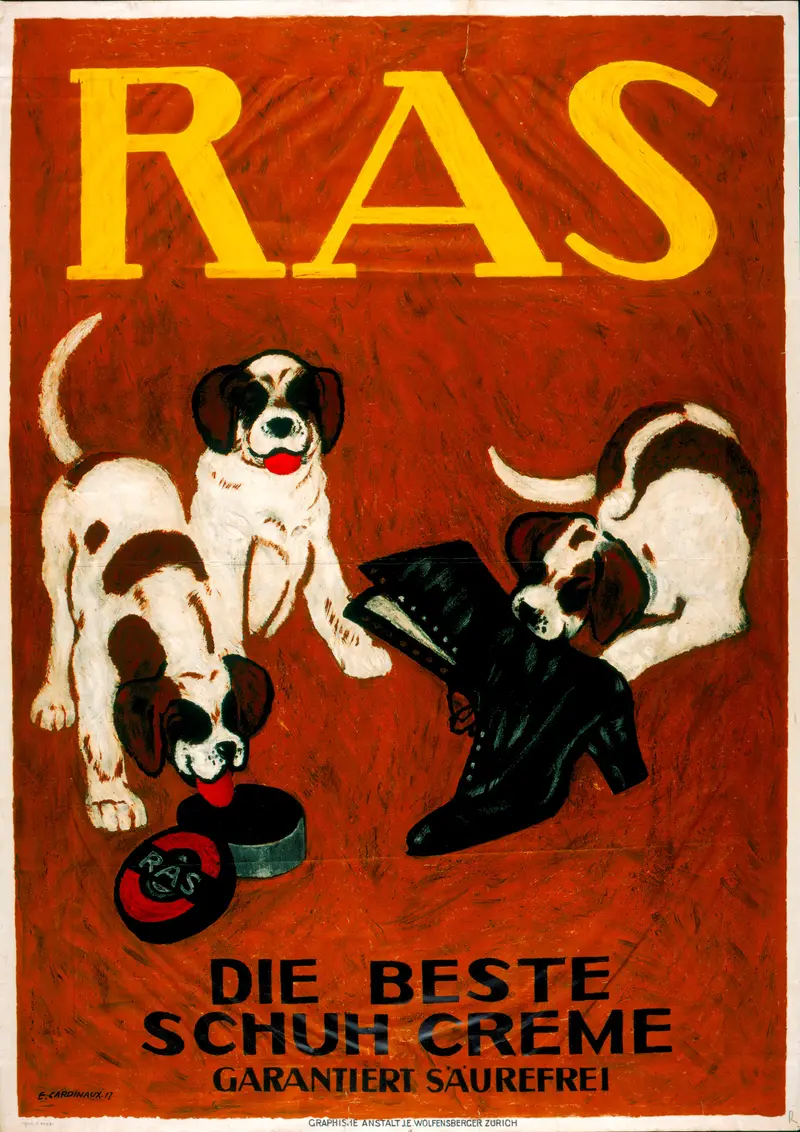
RAS, die beste Schuhcrème
Emil Cardinaux
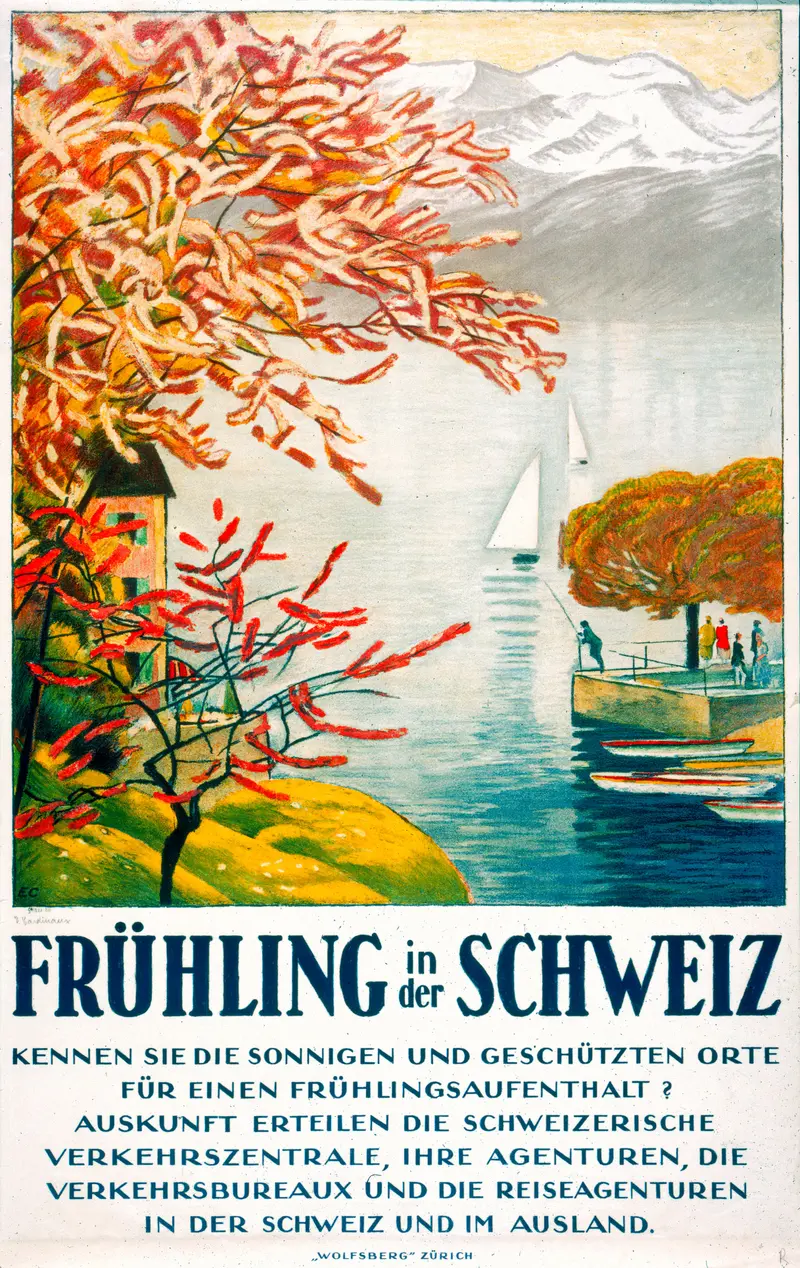
Frühling in der Schweiz
Emil Cardinaux
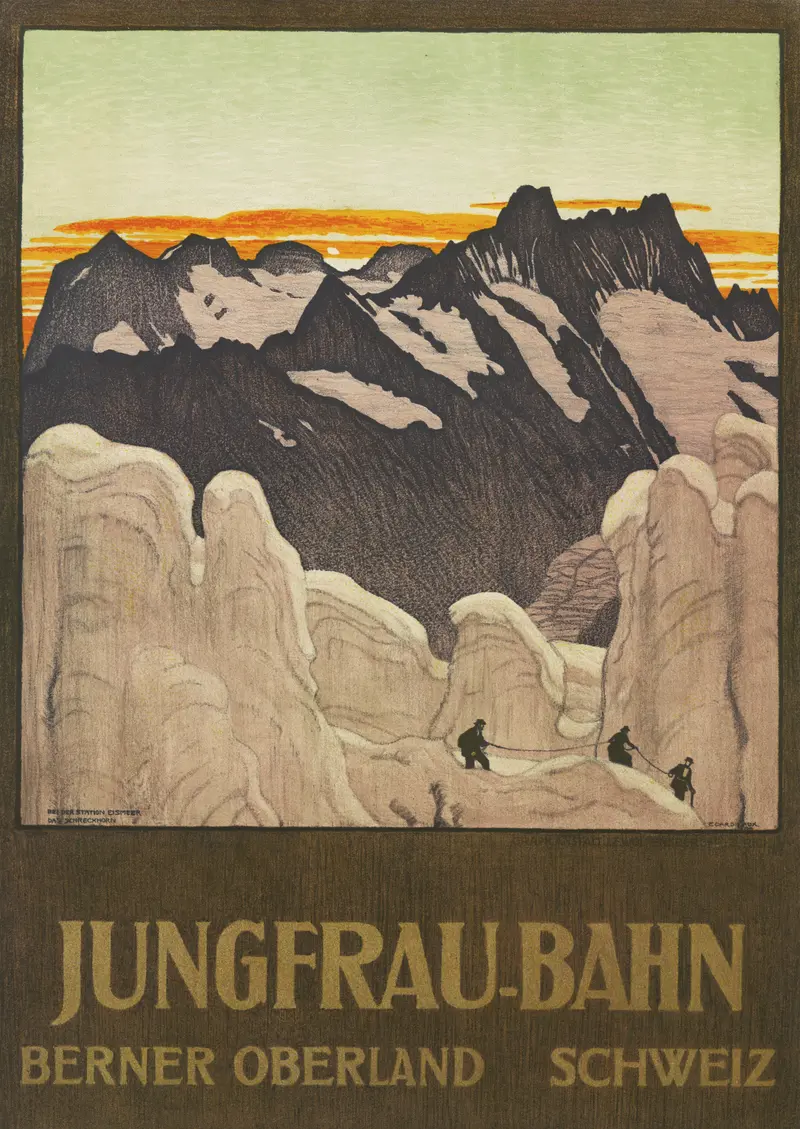
Jungfrau-Bahn, Berner Oberland
Emil Cardinaux
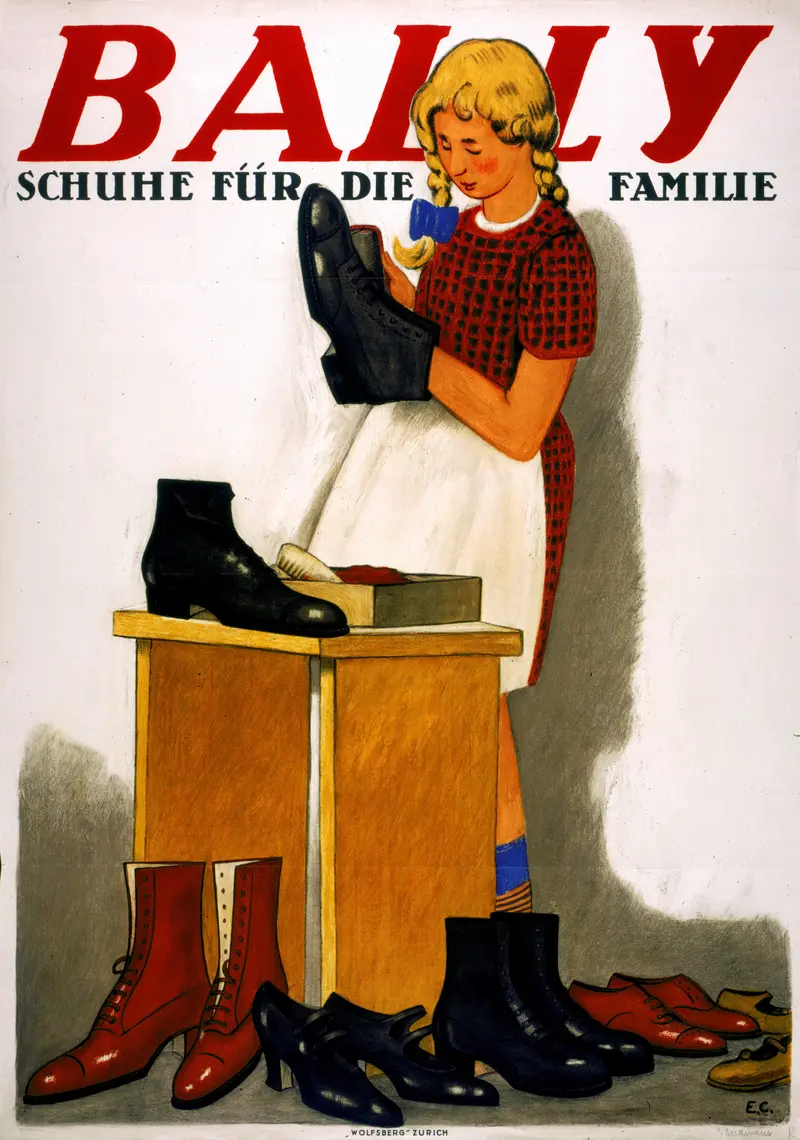
Bally – Schuhe für die Familie
Emil Cardinaux

Winter in Switzerland
Emil Cardinaux
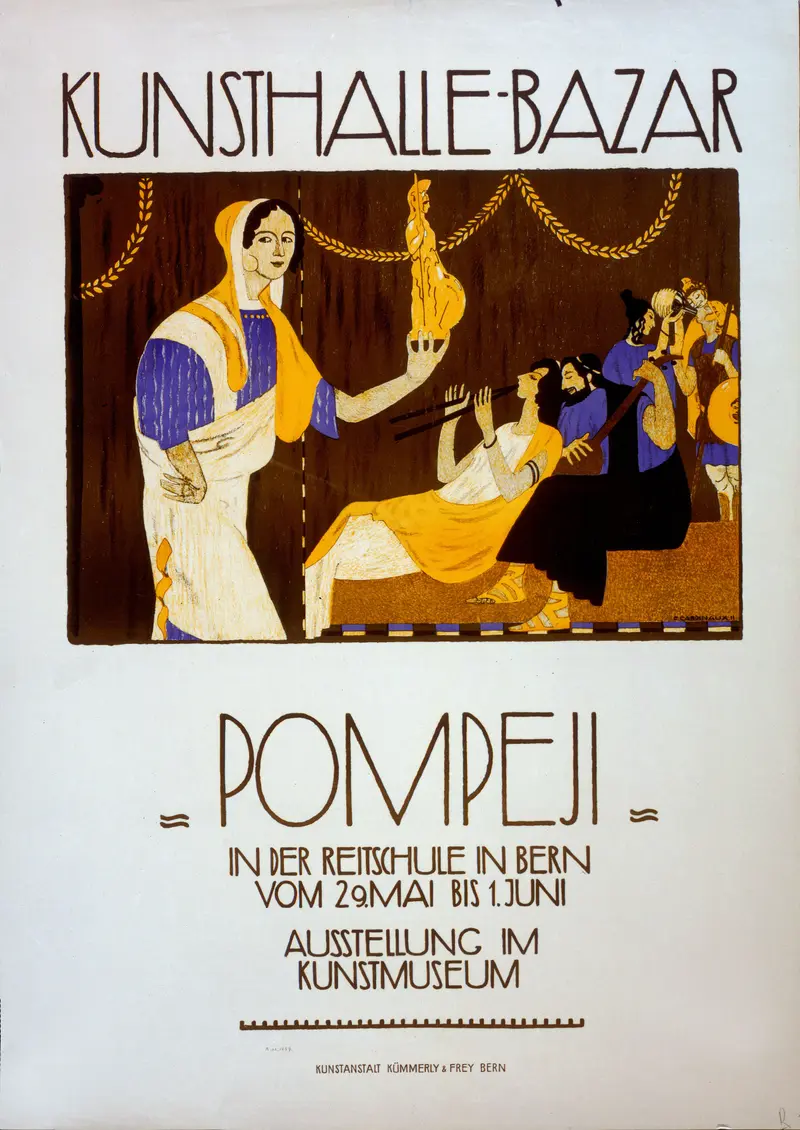
Kunsthalle-Bazar Pompeji, Bern 1911
Emil Cardinaux
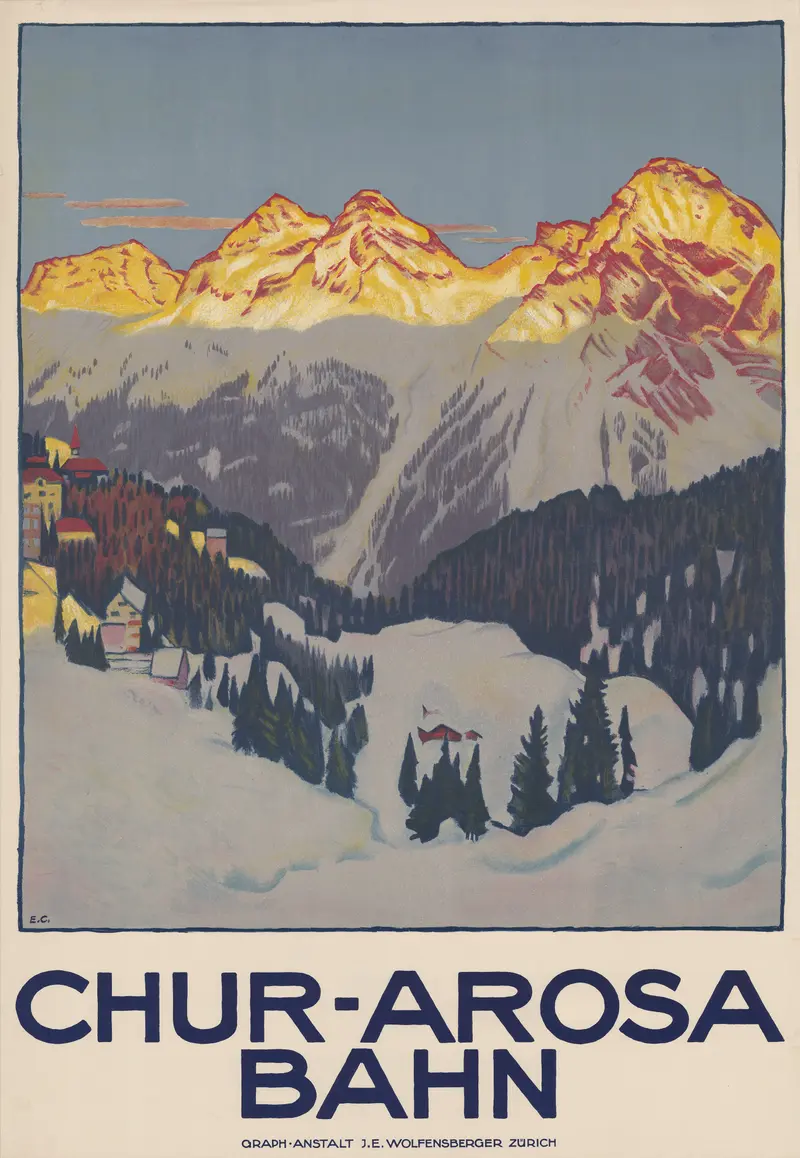
Chur-Arosa-Bahn
Emil Cardinaux
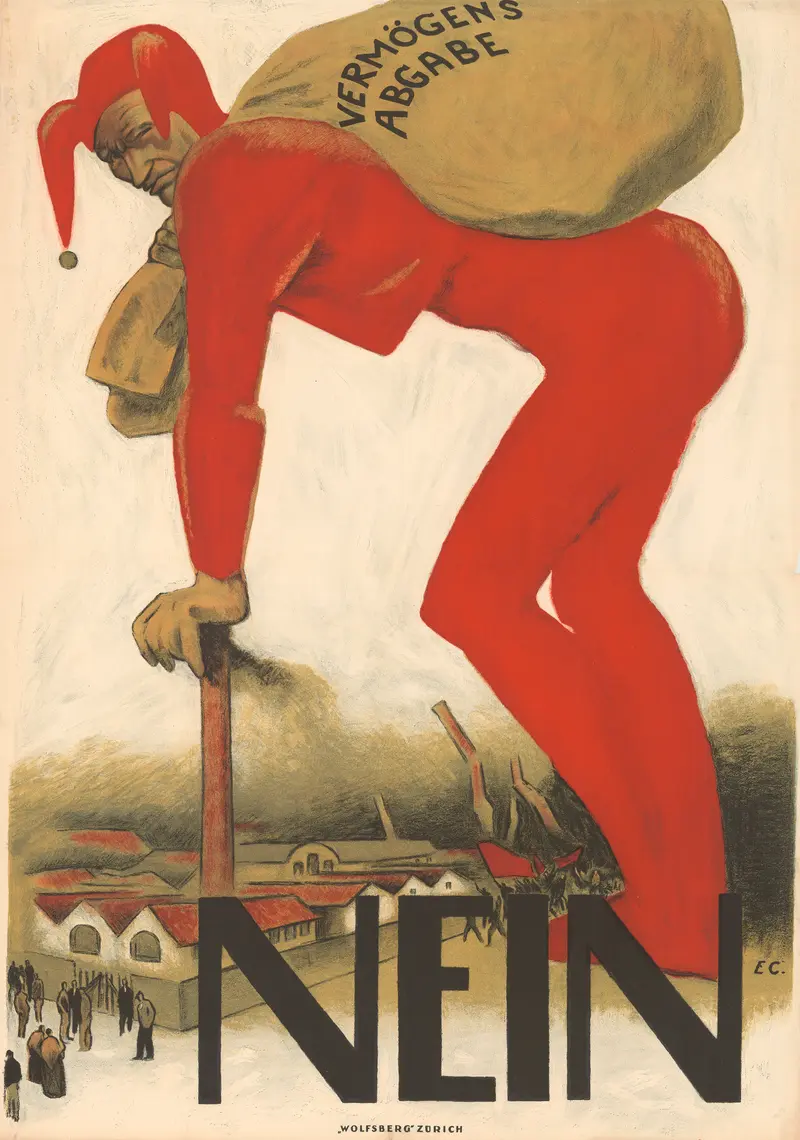
Vermögensabgabe – Nein
Emil Cardinaux
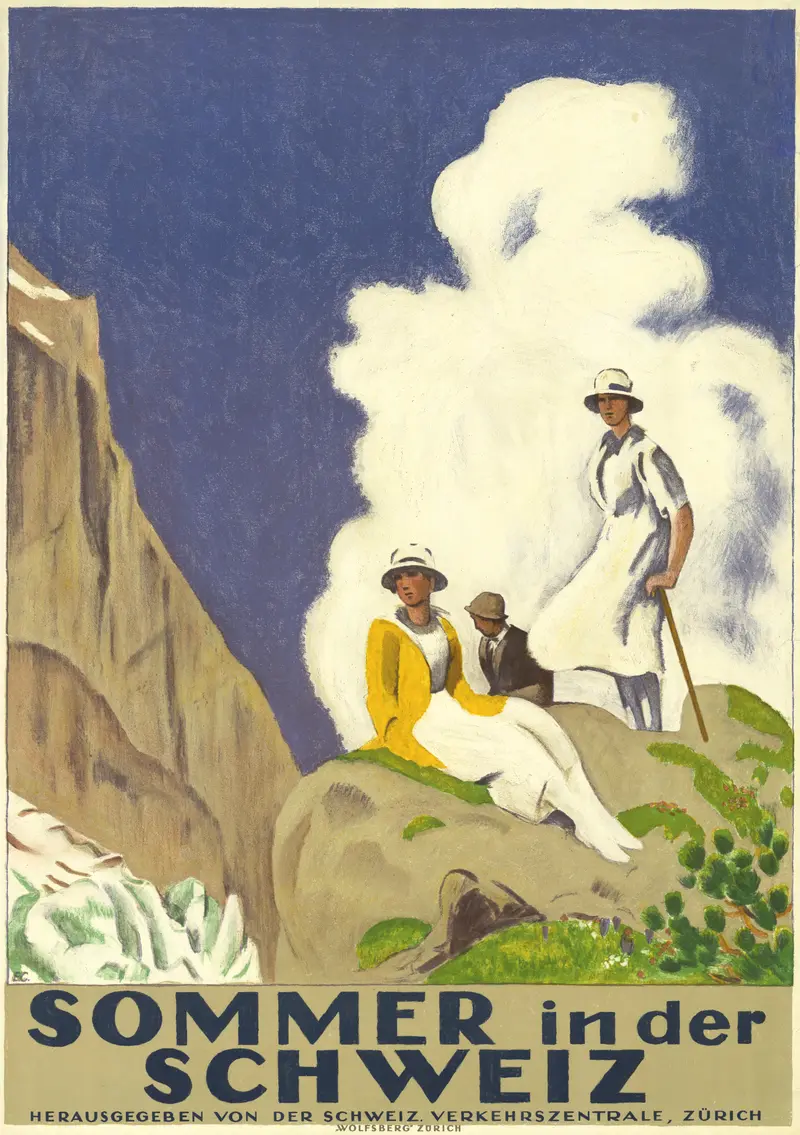
Sommer in der Schweiz
Emil Cardinaux
More Landscape Art

The Starry Night
Vincent van Gogh

View of Delft
Johannes Vermeer

Water Lilies
Claude Monet

The Grand Canal, Venice, looking north-west from the Ca' Corner to the Ca' Contarini degli Scrigni, with the campanile of Santa Maria della Carità
Canaletto

Windsor Castle
Canaletto

The Grand Canal looking North-East from the Palazzo Dolfin-Manin to the Rialto Bridge
Canaletto