
Untitled — History & Facts
When did color learn to lie? The vibrant hues of autumn often conceal the underlying violence of nature's cycle, a stark reminder of beauty intertwined with decay. Look to the left at the glowing oranges and reds of the foliage, suggesting warmth and vitality. Notice how the trees seem to beckon like sentinels, their branches reaching skyward, yet their roots are steeped in the darkness of the earth. The contrast between the vivid colors and the shadowy landscape creates a tension that lingers in the air, invoking a sense of foreboding.
The brushwork is both precise and expressive, capturing a fleeting moment of change, where life and death coexist in perfect harmony. The painting's emotional depth lies in its juxtaposition of beauty and violence. The radiant colors of the leaves, while enticing, mask the inevitable fall and decay that follows. Each stroke of paint tells a story of transition, where the vibrancy of life is just a breath away from the silence of winter.
This duality invites a contemplation of mortality—an understanding that every season of color carries within it the seeds of its opposite. In 1876, the artist painted this work during a period of significant personal reflection, facing both the challenges of his own career and the emerging shifts in the art world towards impressionism. Cropsey, known for his romantic landscapes, was at a crossroads, exploring how nature could evoke profound emotional responses. As he captured this moment, the tumultuous backdrop of societal change and artistic evolution influenced his vision, blending beauty with the raw truths of the natural world.
More Artworks by Jasper Francis Cropsey
Browse all →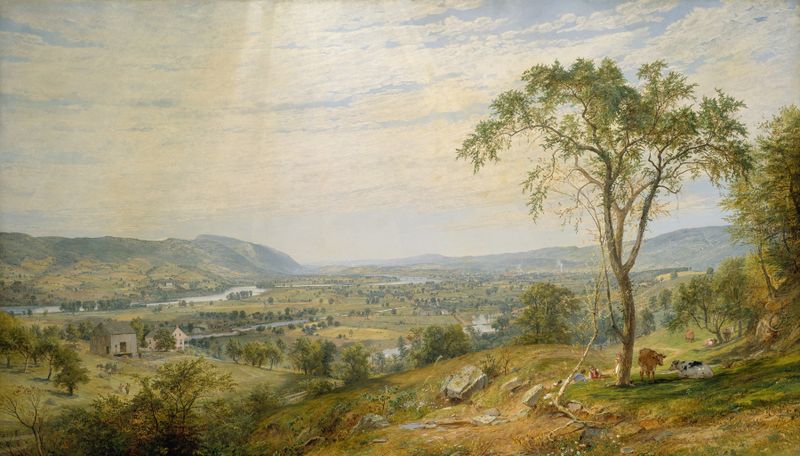
The Valley of Wyoming
Jasper Francis Cropsey
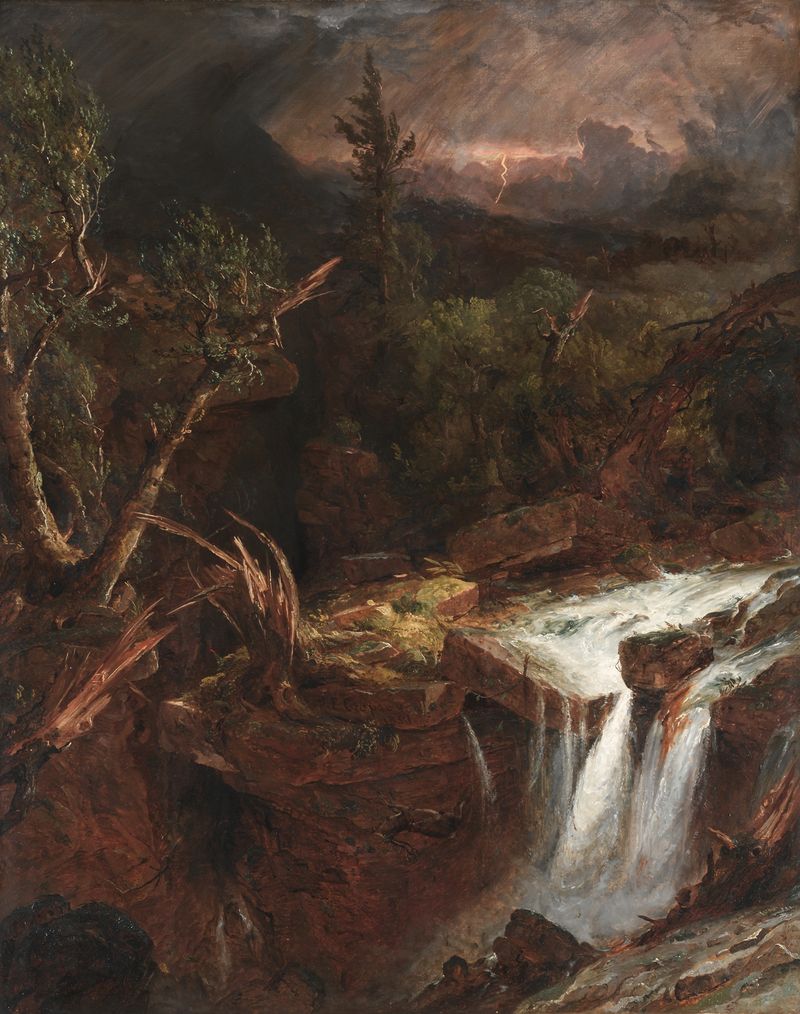
The Clove – A Storm Scene in the Catskill Mountains
Jasper Francis Cropsey
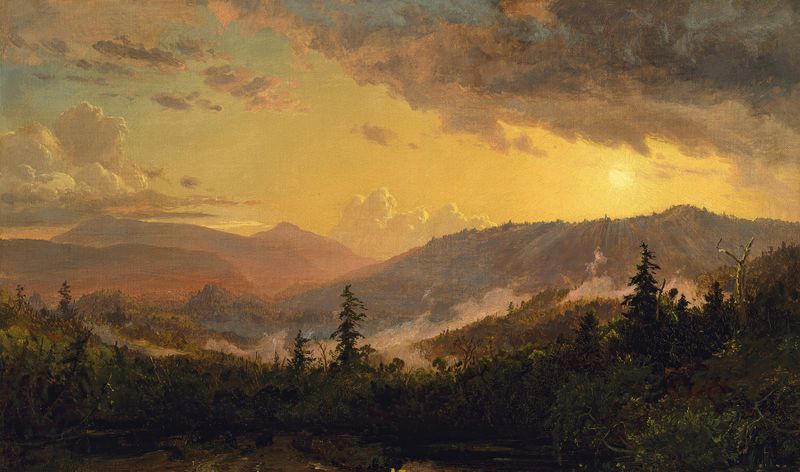
Sunset after a Storm in the Catskill Mountains
Jasper Francis Cropsey
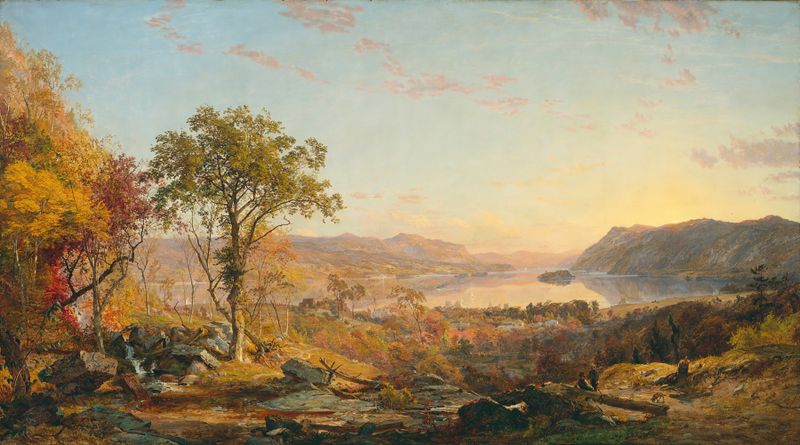
Indian Summer
Jasper Francis Cropsey

Autumn On The River
Jasper Francis Cropsey
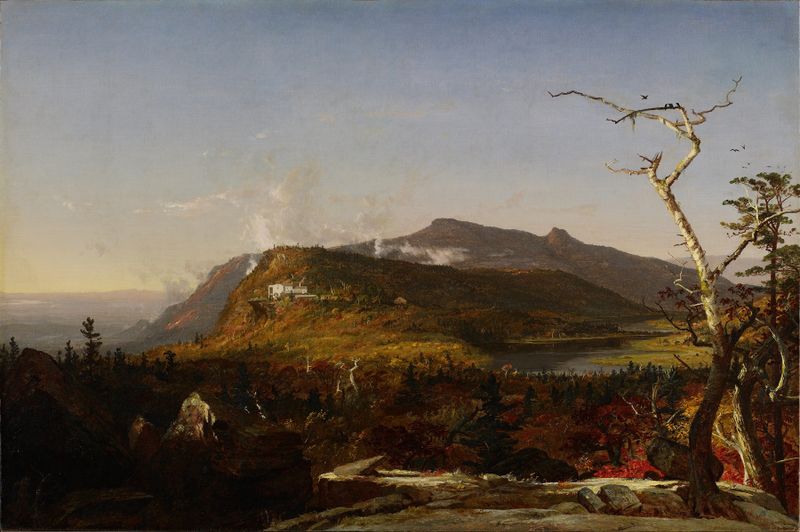
Catskill Mountain House
Jasper Francis Cropsey
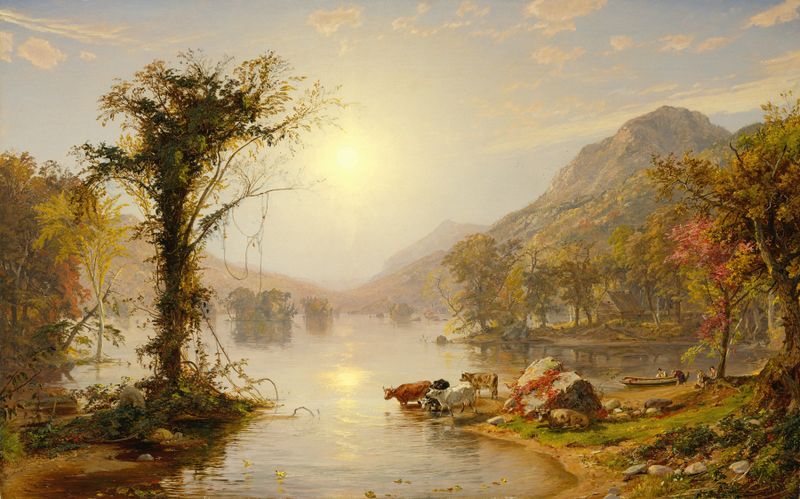
Autumn on Greenwood Lake
Jasper Francis Cropsey
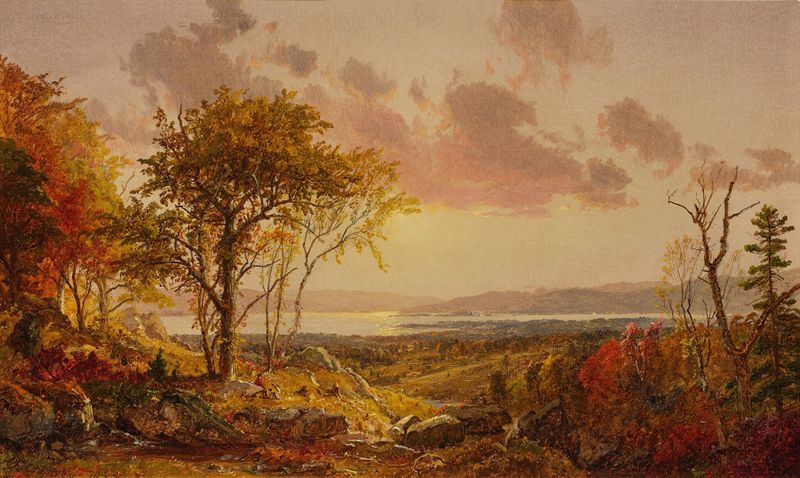
A Distant View of the Hudson River in the Fall
Jasper Francis Cropsey
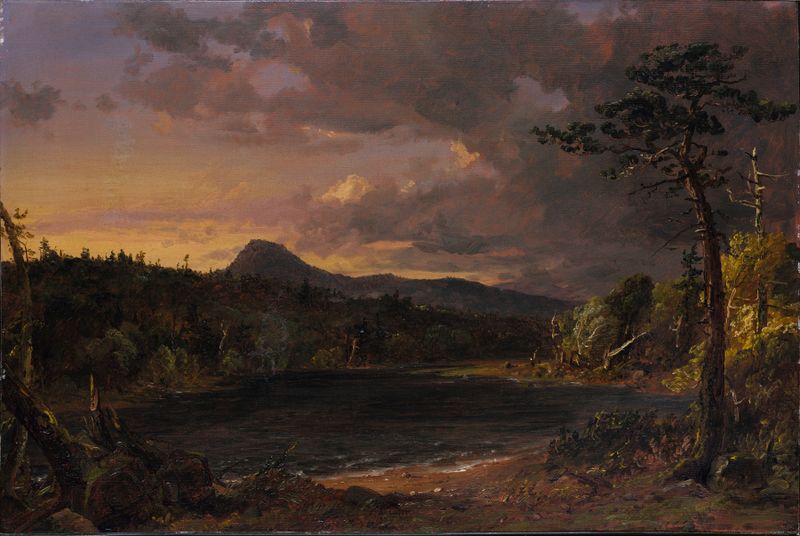
Catskill Creek
Jasper Francis Cropsey

Autumn on the Lake
Jasper Francis Cropsey





