Discover insights about this artwork
Untitled 27 — History & Facts
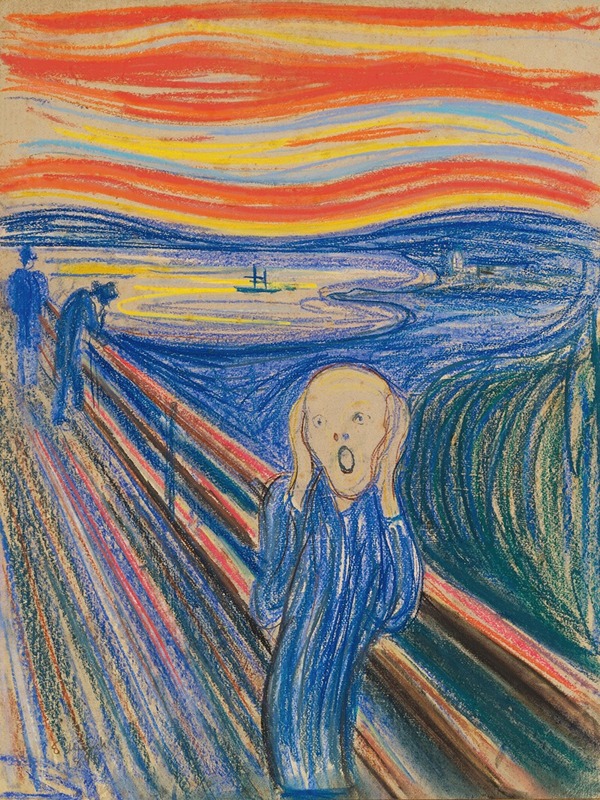
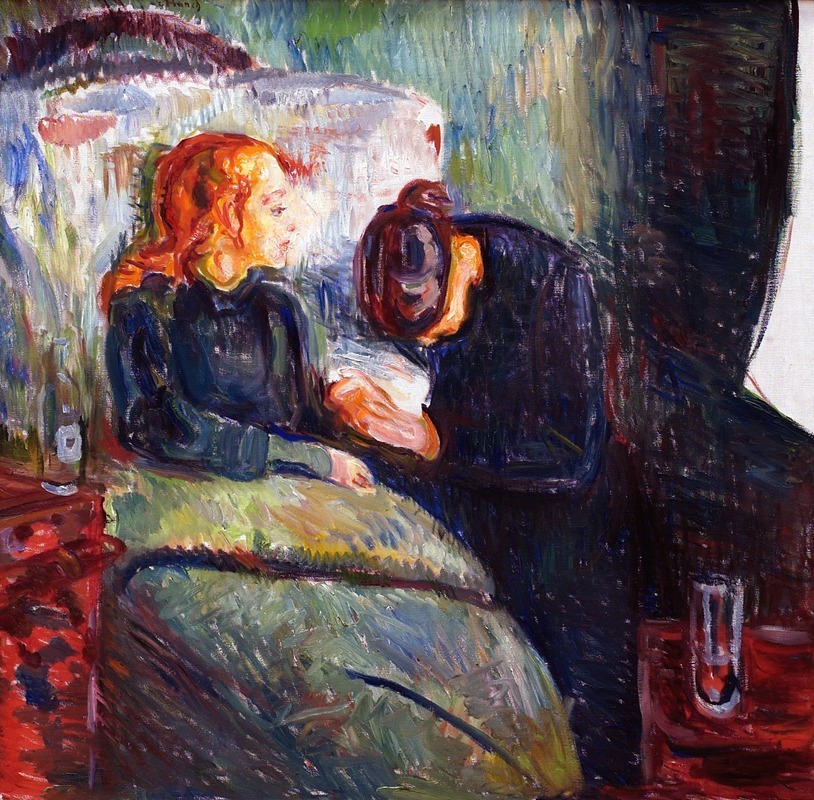
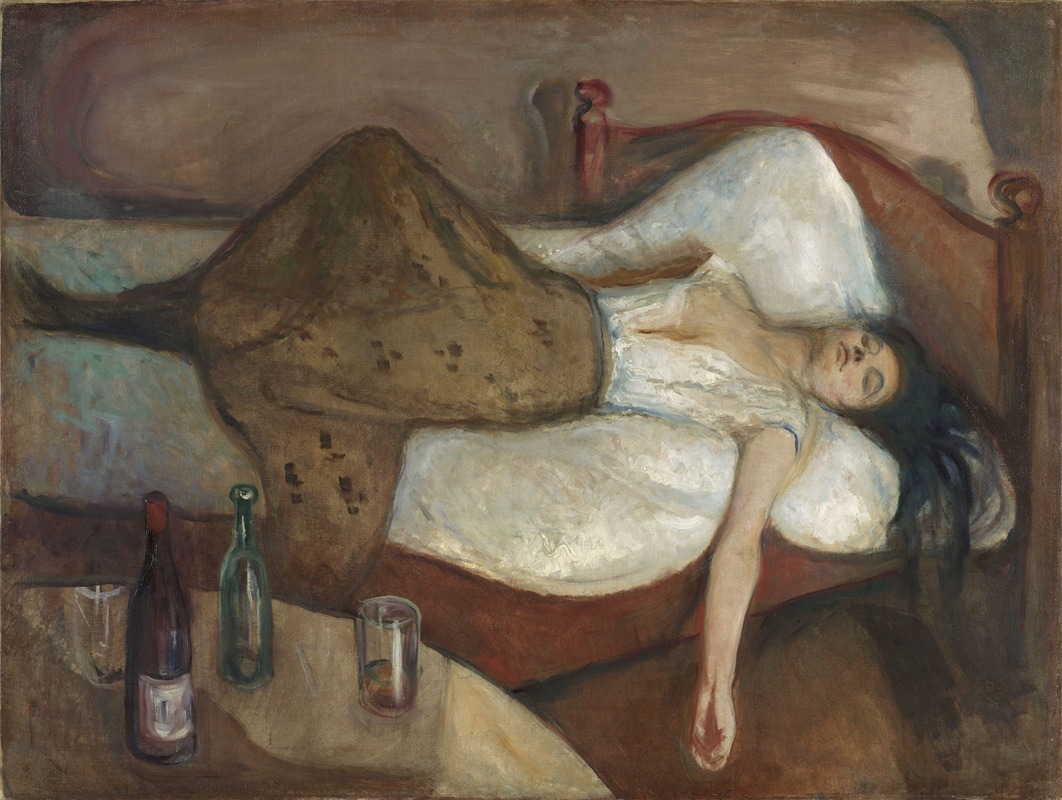
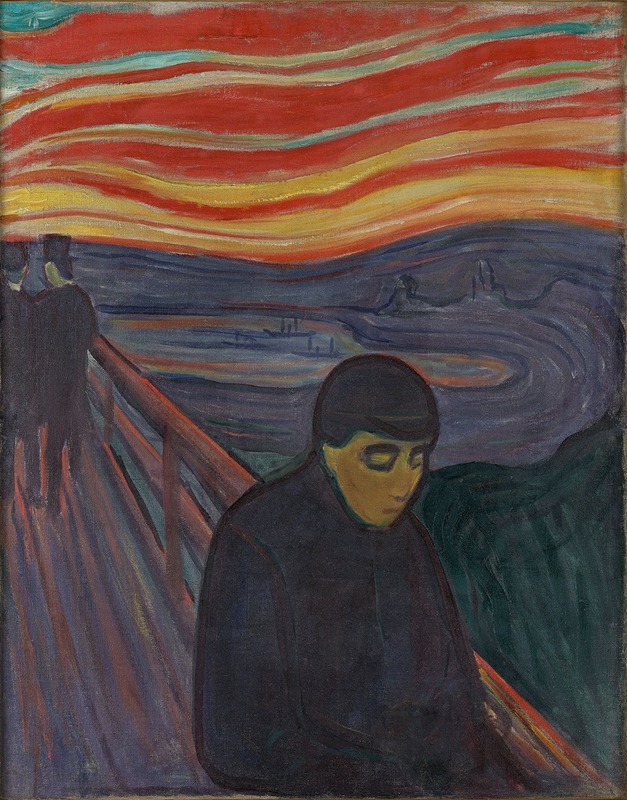
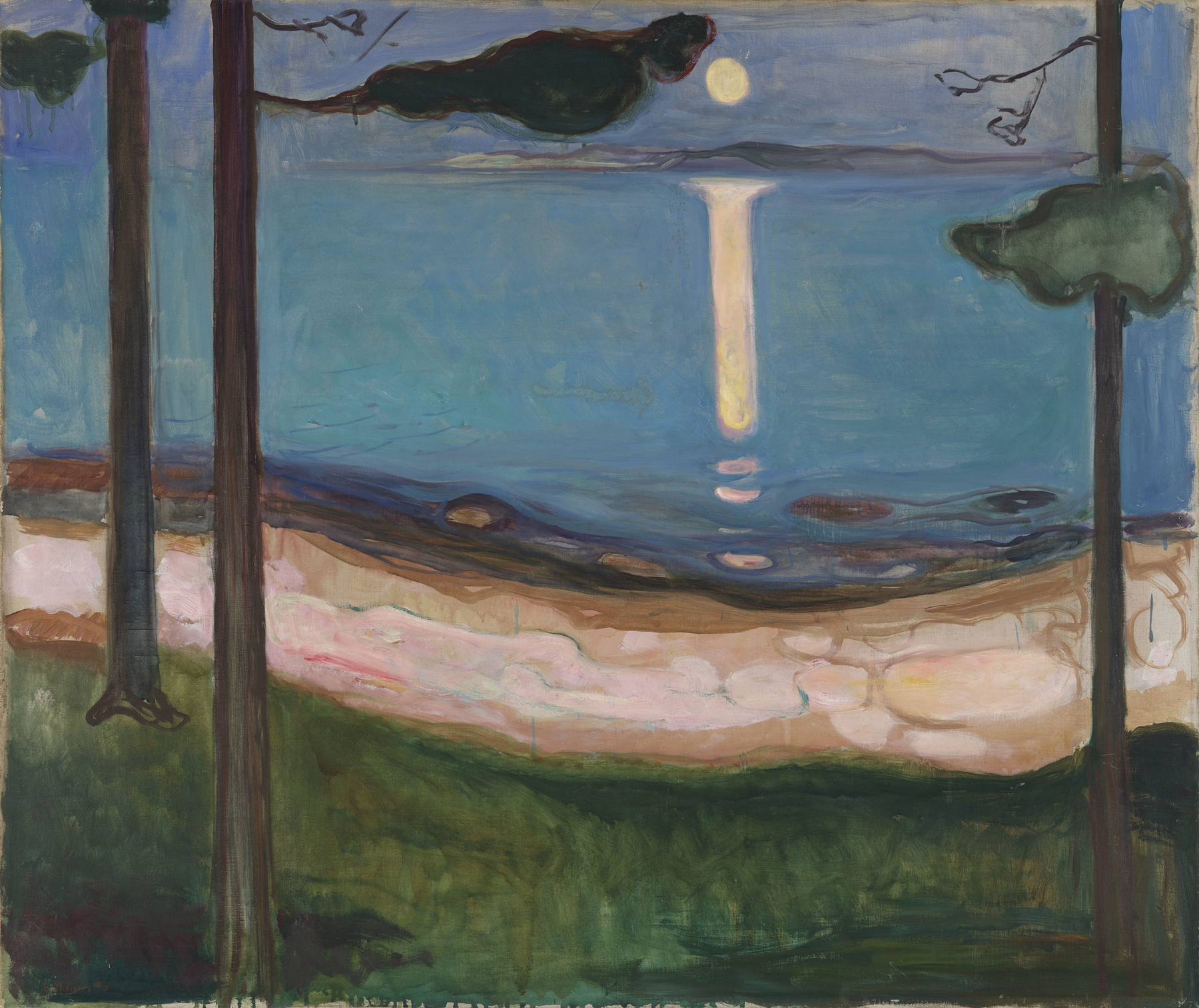
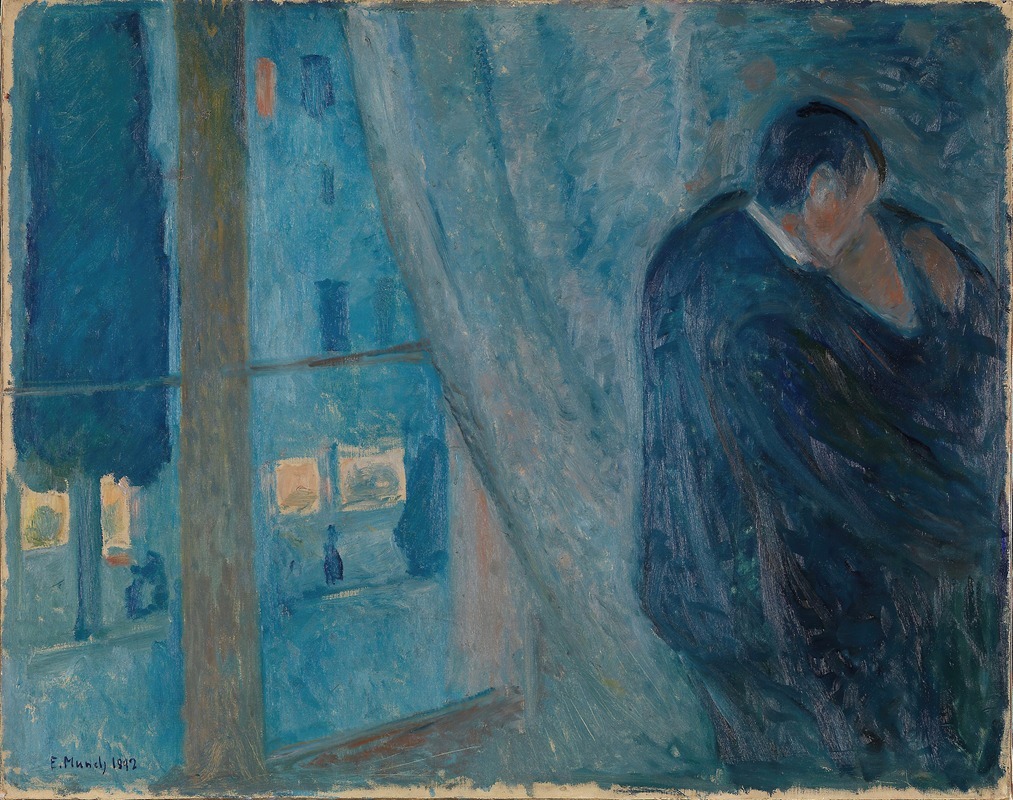
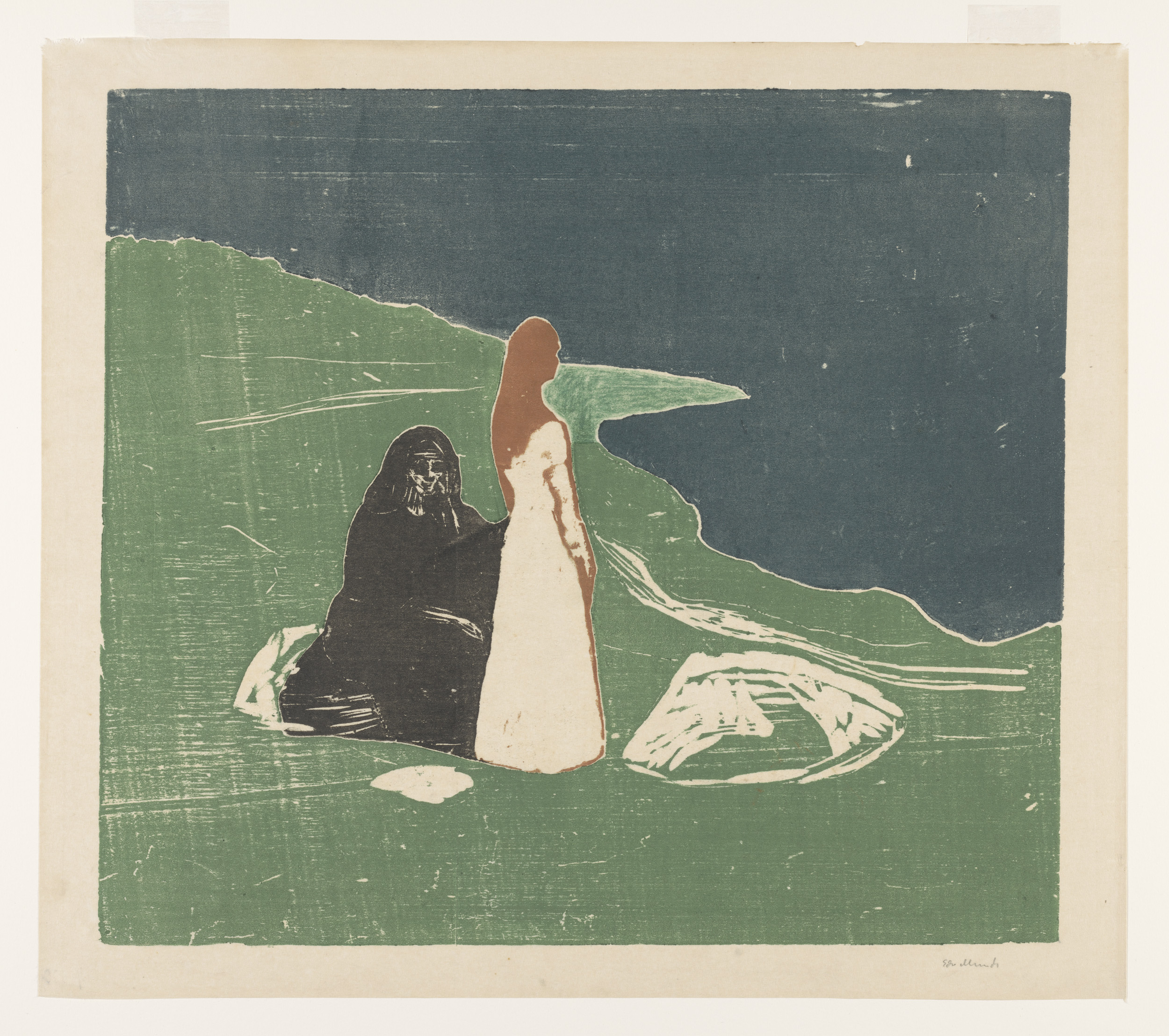
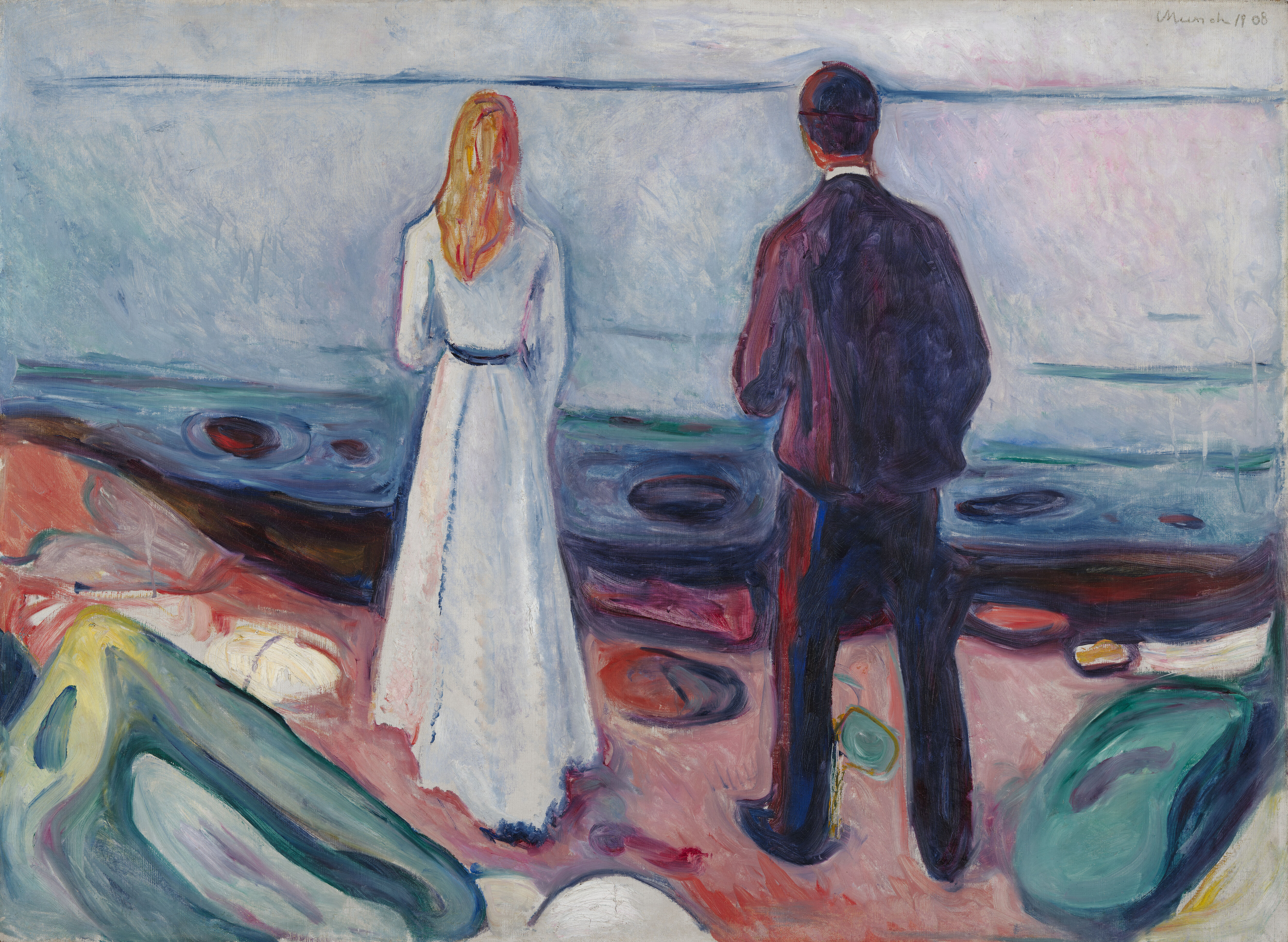
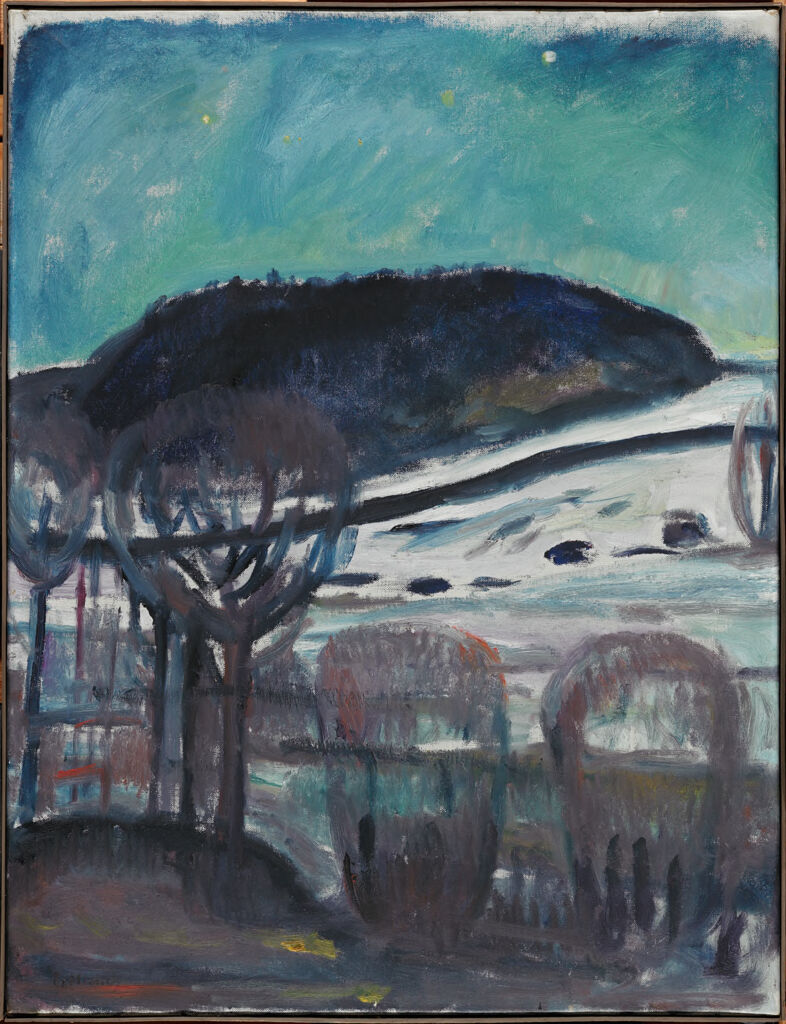
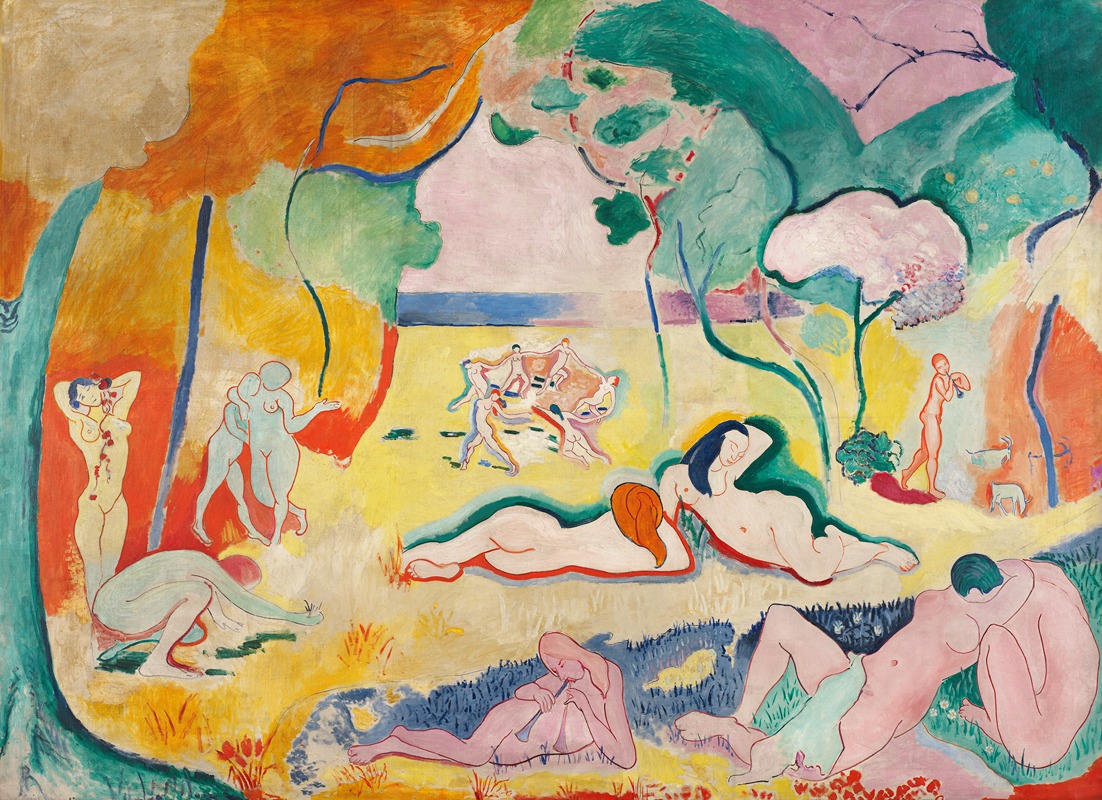
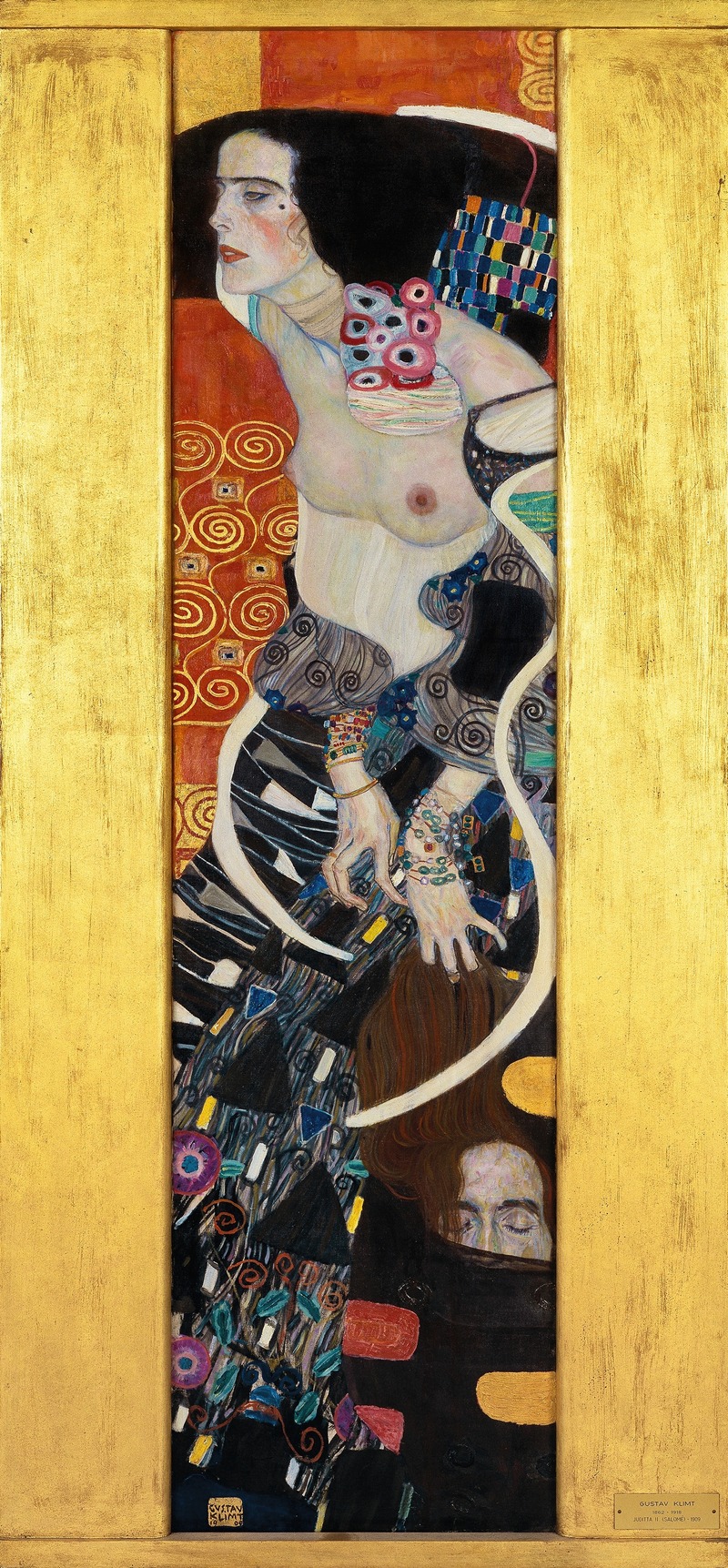
In Untitled 27, Edvard Munch uses bold colors and dynamic brushstrokes to depict a haunting figure. The figure appears to be in a state of distress, surrounded by swirling colors that evoke a sense of turmoil. The background features a vivid landscape, with intense reds and blues that create a dramatic atmosphere.
This combination of color and form draws the viewer's attention to the emotional weight of the scene. The painting showcases Munch's characteristic style, marked by expressive lines and a focus on emotional expression. The use of oil on canvas allows for rich textures and depth, enhancing the overall impact of the work. The dimensions are approximately 80 x 100 cm, making it a sizable piece that invites close examination.
Munch's technique of layering colors contributes to the painting's vibrant and tumultuous feel. Untitled 27 is a reflection of Edvard Munch's exploration of human emotion and existential themes. Created in the early 1900s, this work aligns with the Expressionist movement, which sought to convey emotional experiences rather than physical reality. An interesting fact about this painting is that it exemplifies Munch's ability to capture the psychological states of his subjects, a hallmark of his broader oeuvre.
This piece remains a testament to Munch's enduring influence on modern art.