
Upright Venice — History & Facts
In Upright Venice, the viewer is invited into a serene dialogue with the elements of light and hue, where every brushstroke whispers stories of the city and its essence. Look to the left at the soft interplay of blues and pinks reflecting on the water's surface, creating a dreamlike quality that beckons the eye. Notice how the muted tones blend together, evoking a sense of calm and nostalgia. The vertical lines of the architecture stand in contrast to the fluidity of the water, establishing a delicate balance between stability and transience.
Whistler’s technique of layering colors with subtle gradations reveals his mastery over light, engaging us to explore the subtleties hidden within each color. The emotional tension in this artwork lies in the duality of Venice, a city both magnificent and melancholic. The stillness of the scene suggests a pause in time, while the city’s vibrant colors hint at the life pulsating just beneath the surface. One can almost hear the echoes of laughter and the soft lapping of water against the gondolas, reminding us that this beauty is fleeting.
Whistler captures not just the image, but the very spirit of Venice, inviting contemplation of its fragility. Created between 1879 and 1880, this piece emerged during Whistler's time in Venice, where he sought to capture the city's ethereal quality. The art world was evolving, with Impressionism gaining traction, and Whistler was at the forefront of this movement, blending his own aesthetic sensibilities with the principles of color theory. This painting reflects not just a moment in Venice, but a pivotal period in art history, as Whistler pushed boundaries and explored the interplay of color and emotion.
More Artworks by James Abbott McNeill Whistler
Browse all →
Nocturne in Blue and Silver
James Abbott McNeill Whistler
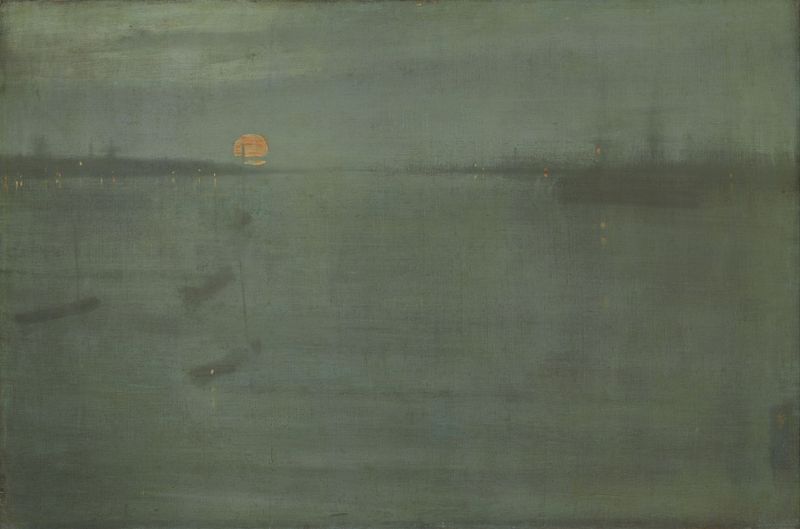
Nocturne: Blue and Gold–Southampton Water
James Abbott McNeill Whistler
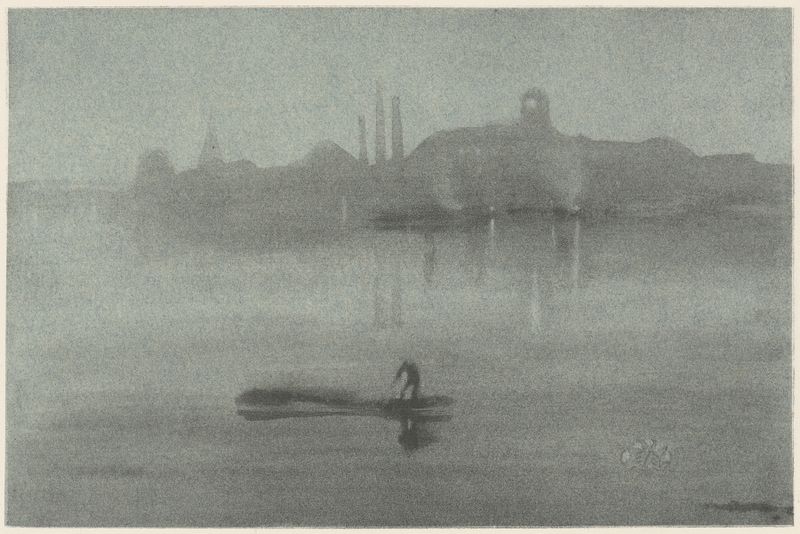
Nocturne
James Abbott McNeill Whistler
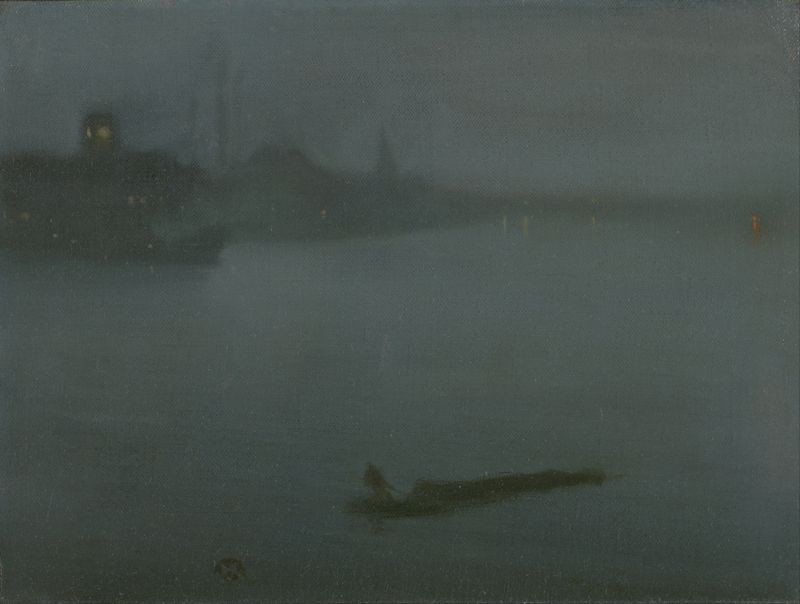
Nocturne in Blue and Silver
James Abbott McNeill Whistler
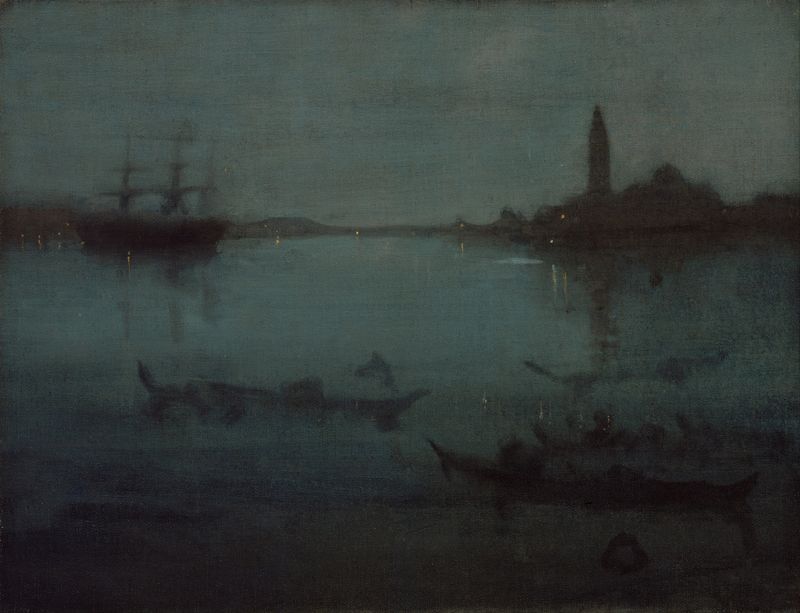
Nocturne in Blue and Silver- The Lagoon, Venice
James Abbott McNeill Whistler
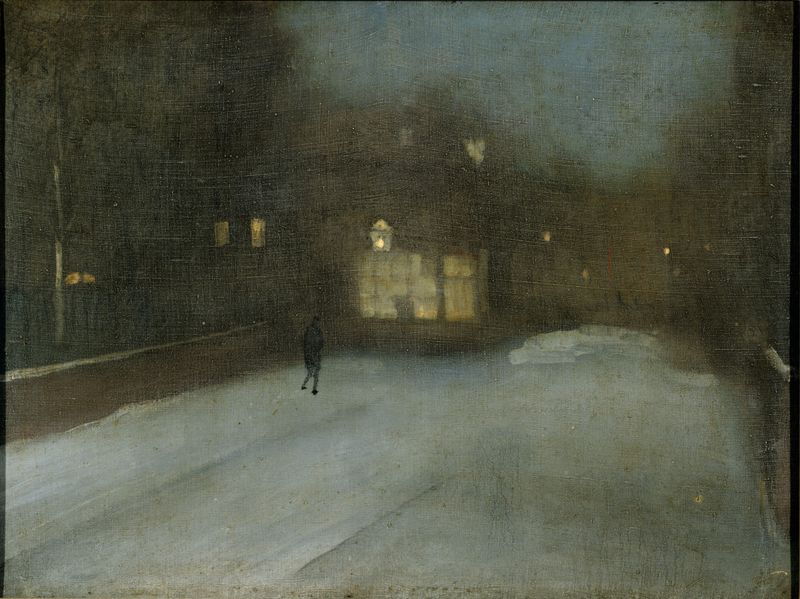
Nocturne in Grey and Gold: Chelsea Snow
James Abbott McNeill Whistler
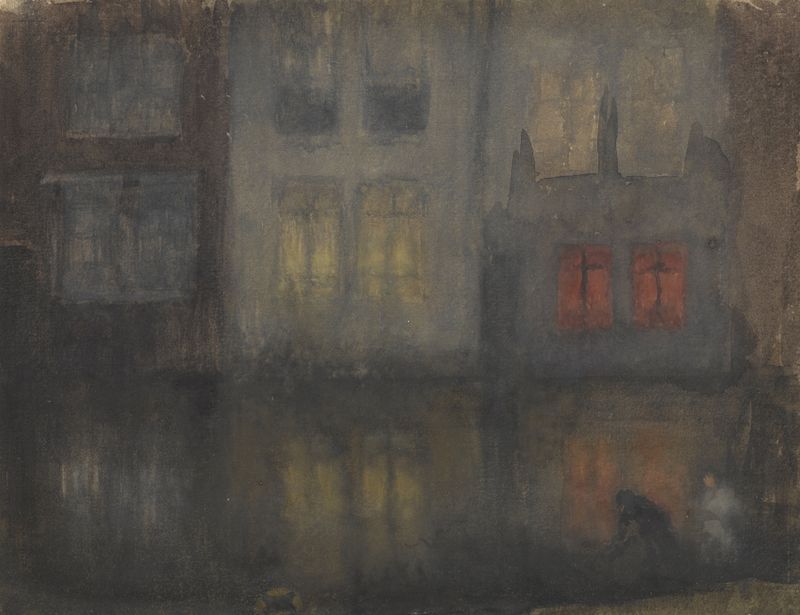
Nocturne: Black and Red—Back Canal, Holland
James Abbott McNeill Whistler
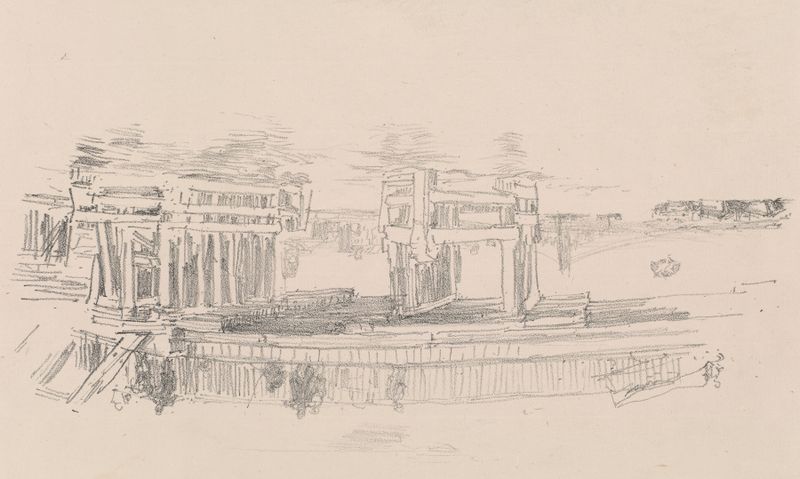
Old Battersea Bridge
James Abbott McNeill Whistler

Nocturne: Blue and Silver–Battersea Reach
James Abbott McNeill Whistler
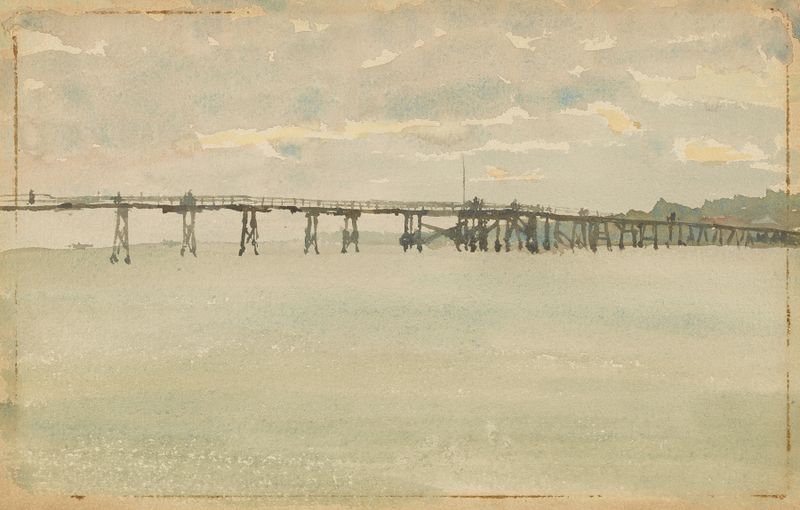
Grey and Silver–Pier, Southend
James Abbott McNeill Whistler





