
Upright Venice — History & Facts
Can paint confess what words never could? In Upright Venice, the canvas resonates with a feeling of transcendence, inviting viewers into a realm where the physical and the spiritual intertwine. Focus first on the delicate balance of hues that define this work. Look closely at the soft, muted palette that evokes the hazy atmosphere of a Venetian afternoon. The subtly layered brushstrokes create a sense of movement, as if the water is gently lapping against the gondolas while golden light filters through the mist.
Notice how Whistler’s elegant composition draws your gaze along the vertical lines of the buildings, leading into the depth of the scene, intertwining both the architecture and the ethereal quality of the water. Beneath the tranquil surface lies a profound tension between reality and illusion. The reflections in the water seem to blur the boundaries of the scene, hinting at something deeper beneath the Venetian façade. The almost dreamlike quality invites contemplation, suggesting the transient nature of beauty itself.
As the viewer, you are left with a sense of longing — a yearning for a connection beyond the tangible, where art transcends mere representation. In 1879, Whistler painted this work during a transformative period in his life, residing in Venice where he sought to capture the poetic essence of the city. He was grappling with the complexities of his own artistic identity, striving to blend impressionism with a refined aesthetic sensibility. This moment was pivotal, as he pushed against the conventions of the time, reshaping the conversation around art and its emotive power.
More Artworks by James Abbott McNeill Whistler
Browse all →
Nocturne in Blue and Silver
James Abbott McNeill Whistler
Nocturne: Blue and Gold–Southampton Water
James Abbott McNeill Whistler
Nocturne
James Abbott McNeill Whistler
Nocturne in Blue and Silver
James Abbott McNeill Whistler
Nocturne in Blue and Silver- The Lagoon, Venice
James Abbott McNeill Whistler
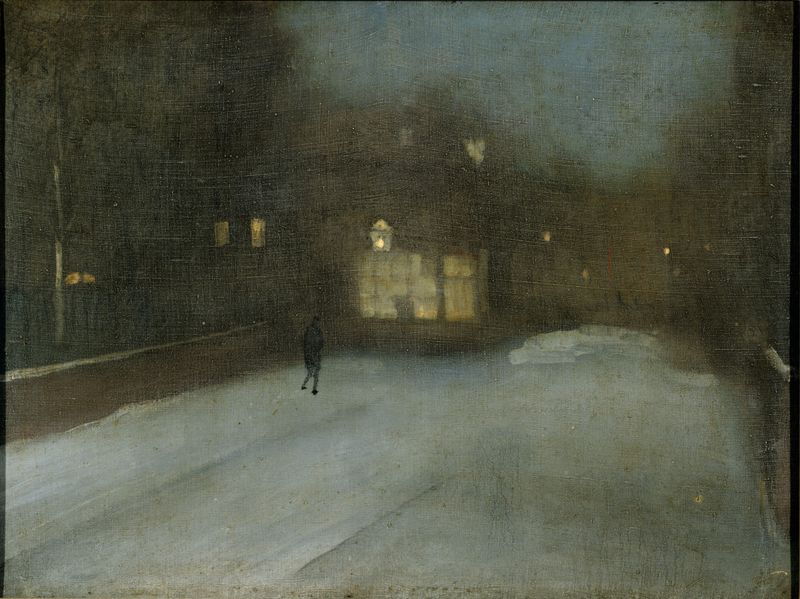
Nocturne in Grey and Gold: Chelsea Snow
James Abbott McNeill Whistler
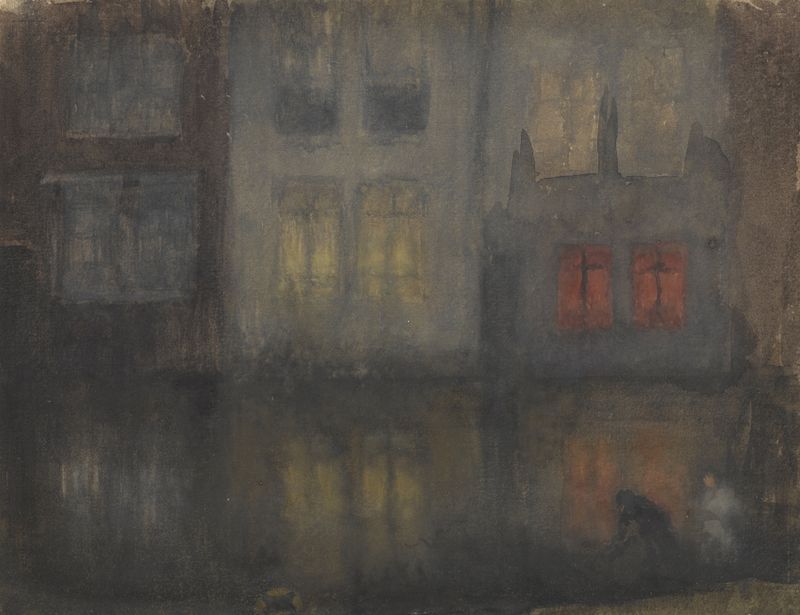
Nocturne: Black and Red—Back Canal, Holland
James Abbott McNeill Whistler
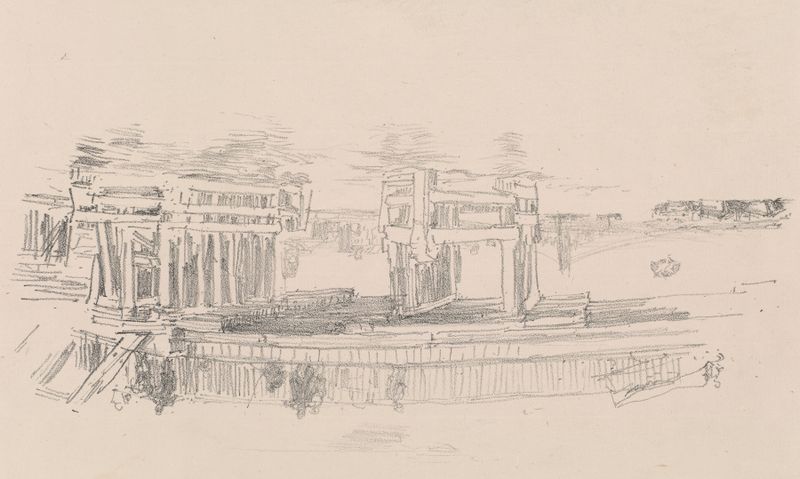
Old Battersea Bridge
James Abbott McNeill Whistler

Nocturne: Blue and Silver–Battersea Reach
James Abbott McNeill Whistler
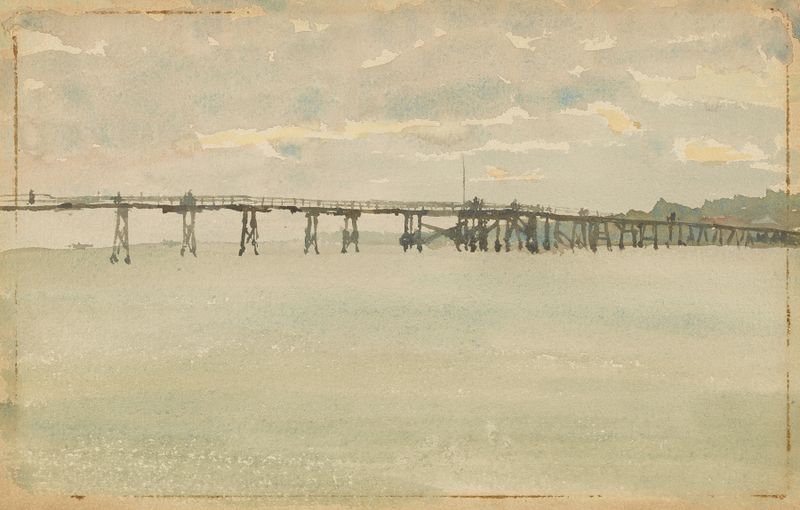
Grey and Silver–Pier, Southend
James Abbott McNeill Whistler





