
Vaart bij maanlicht — History & Facts
The echo of unspoken desires clings to the cool night air, creating a poignant atmosphere of longing that draws one in. Look to the center of the composition, where the rippling water mirrors the moon’s ethereal glow, capturing an introspective moment where nature and human emotion entwine. The delicate brushstrokes evoke a gentle ebb and flow, while the palette of deep blues and soft silvers conjures a world suspended in time. The quiet boats, reduced to mere silhouettes against the shimmering surface, invite contemplation — their stillness amplifying the solitude of the scene and inviting the viewer to ponder their own unvoiced yearnings. In the shadows cast by the moonlight, there lies a profound contrast between tranquility and the unfulfilled pursuit of dreams.
The boats, drifting silently, represent both freedom and confinement, suggesting that within the vastness of the night, one can feel both liberated and lonely. Each shimmering reflection in the water reflects not just a physical reality but also the emotional weight of aspirations that linger just out of reach. Jacob Maris painted Vaart bij maanlicht in 1882 while living in The Hague, a period marked by his growing prominence within the Dutch landscape painting movement. This work emerged during a time of personal introspection, as he grappled with the tension between his artistic ambitions and the constraints of the world around him.
The evolving styles of Impressionism were influencing his techniques, yet he remained rooted in a vision that celebrated the emotional resonance of the natural landscape.
More Artworks by Jacob Maris
Browse all →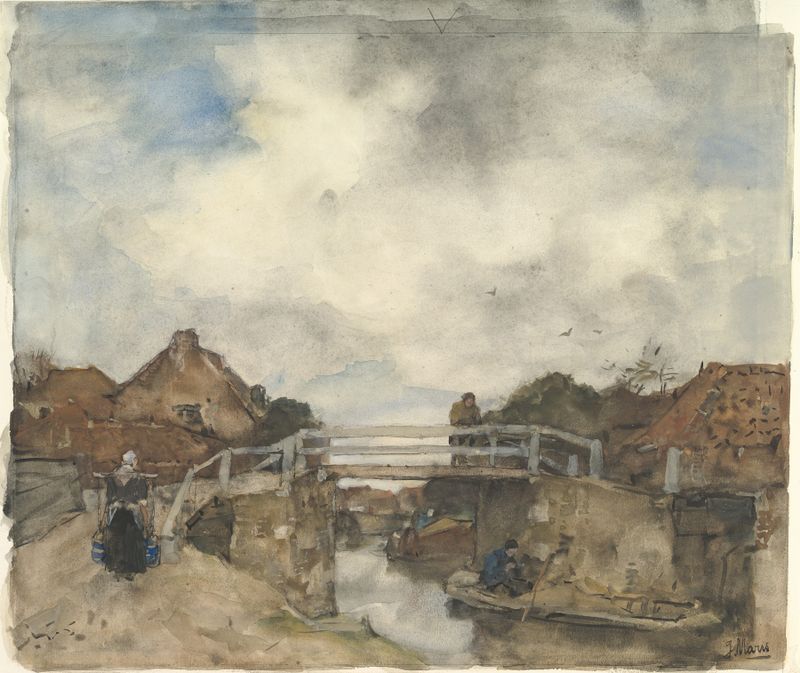
Dutch Canal, Rijswijk
Jacob Maris
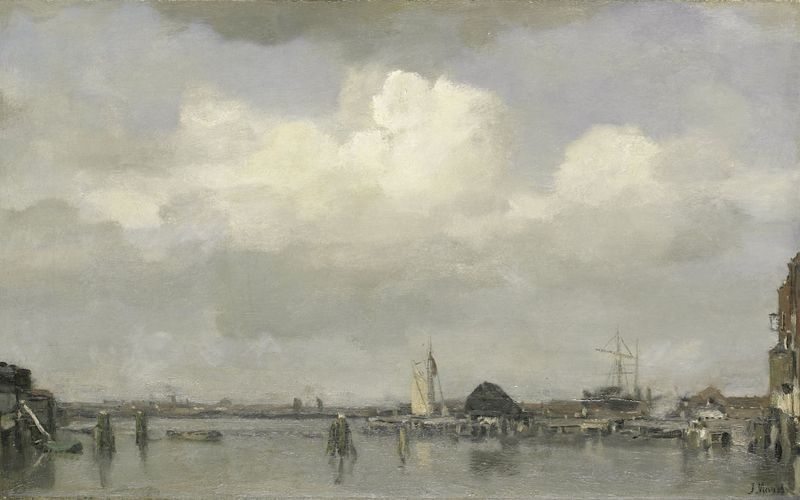
Havengezicht
Jacob Maris
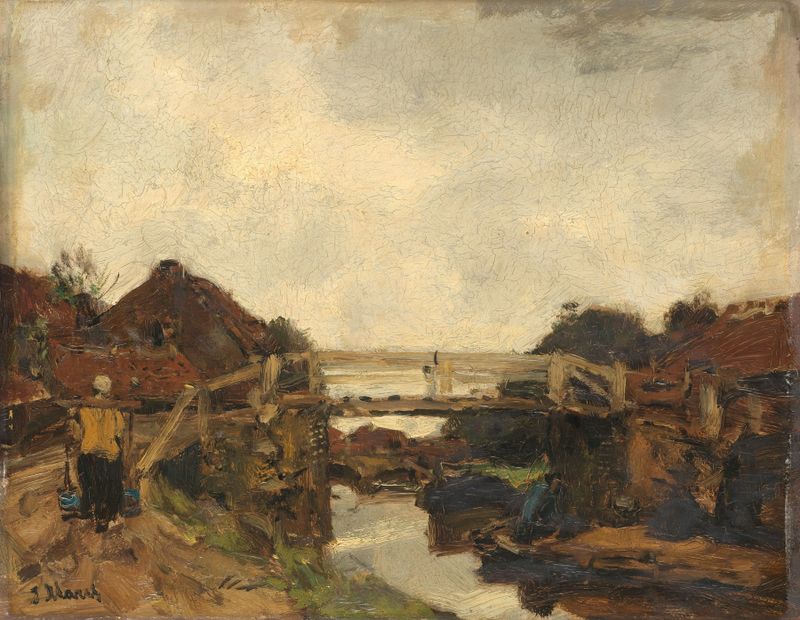
Wooden Bridge across a Canal at Rijswijk
Jacob Maris
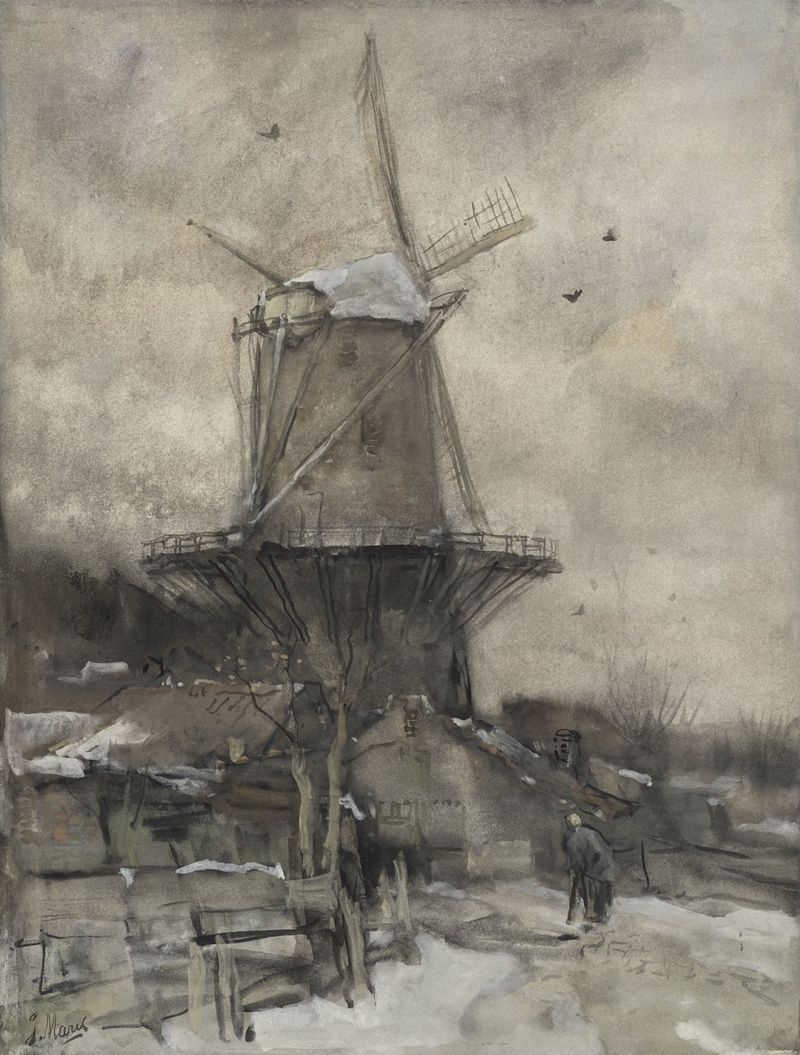
Een molen in de winter
Jacob Maris
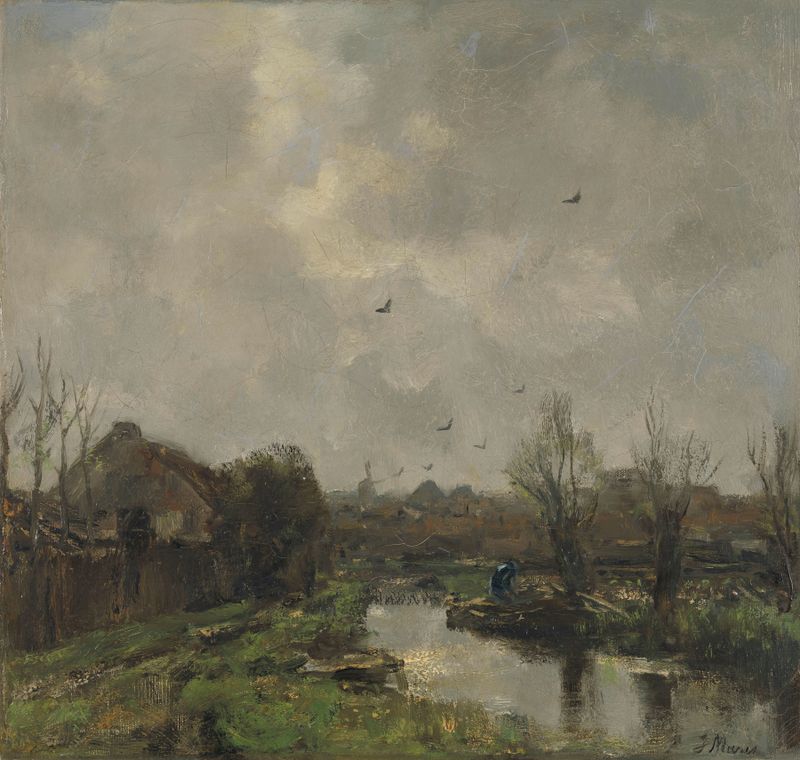
Landschap in de omgeving van Den Haag
Jacob Maris
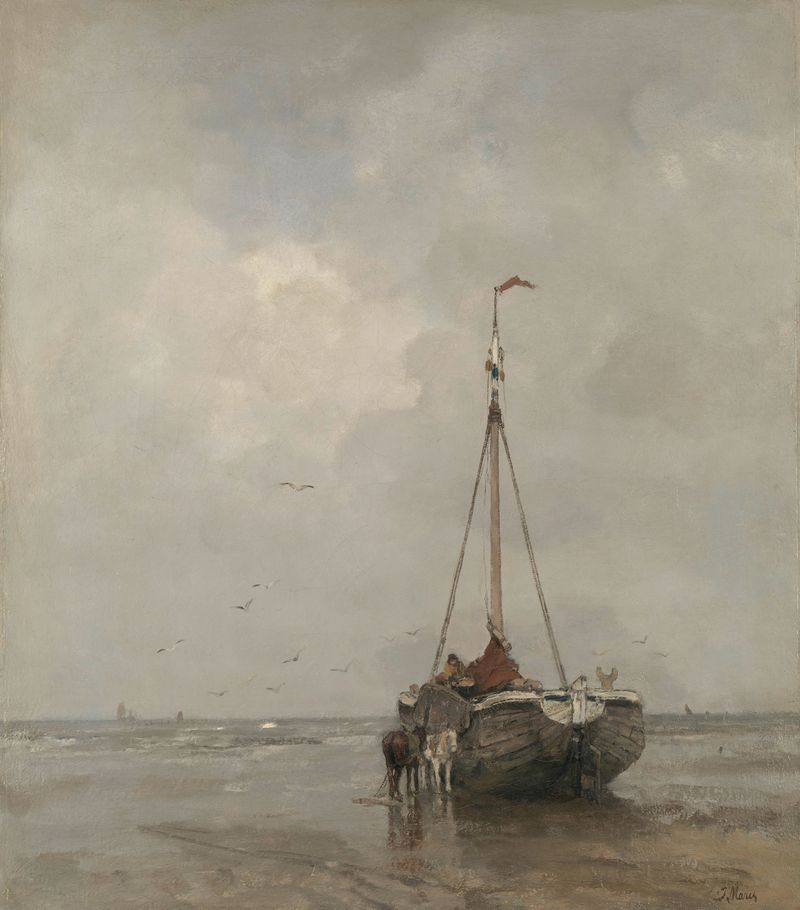
Bluff-bowed Fishing Boat on the Beach at Scheveningen
Jacob Maris
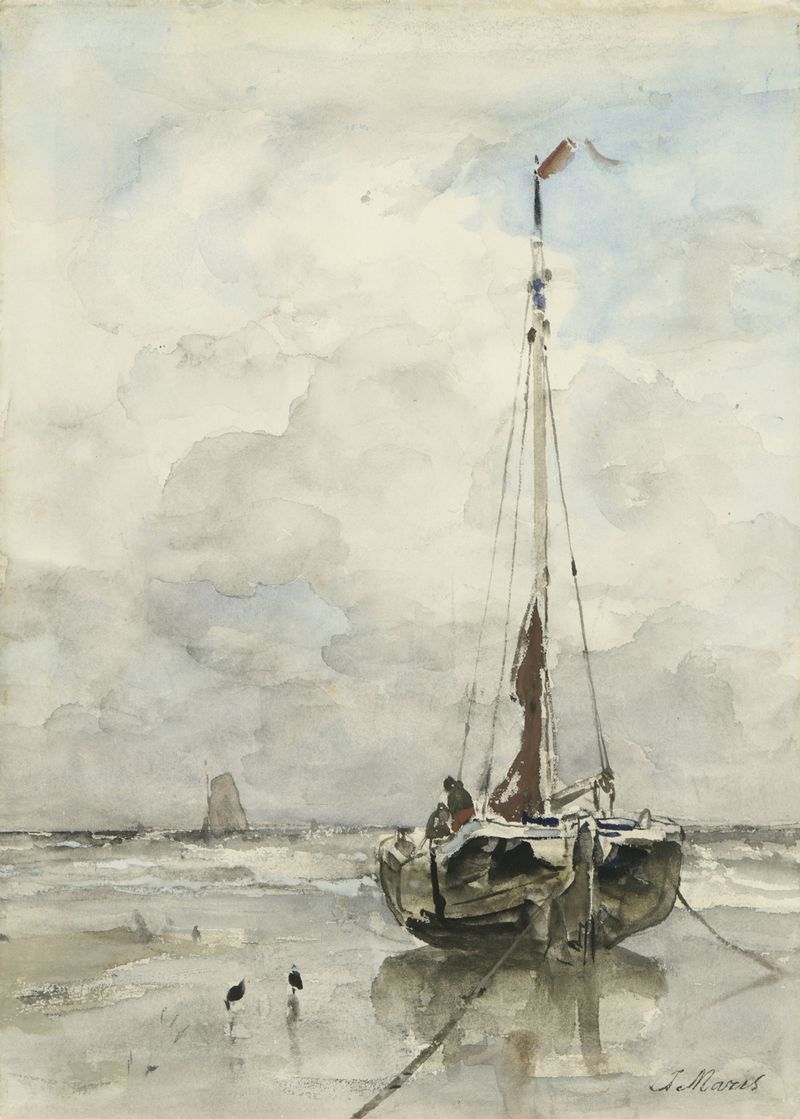
Visserspink aan het strand
Jacob Maris
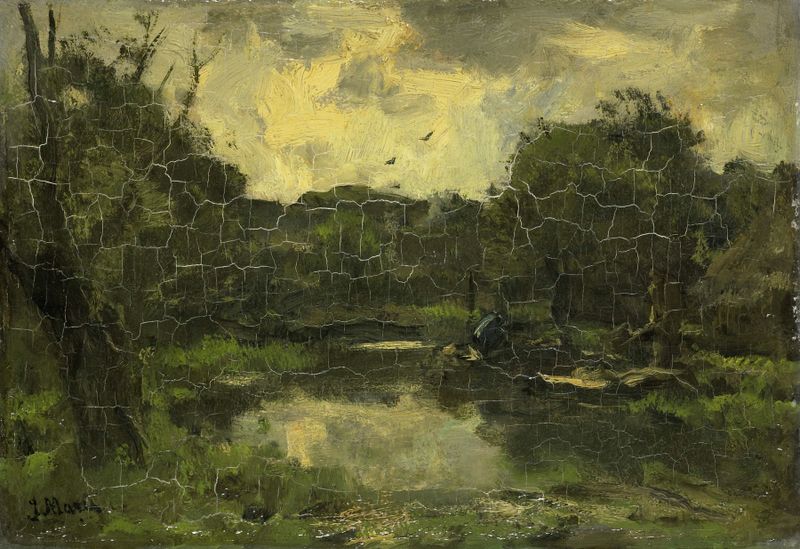
Landschap met schuit
Jacob Maris
Havengezicht
Jacob Maris
Schepen in de haven van Dordrecht
Jacob Maris





