
Vale of Health – Hampstead — History & Facts
In the ethereal expanse of nature, a sense of emptiness can often echo the loudest. This artwork beckons us to explore the delicate balance of presence and absence, inviting a deeper contemplation of what lies beneath the surface. Look to the center of the canvas, where the sweeping hills cradle a soft, muted landscape. The gentle green hues blend seamlessly into the pale blues of the sky, creating a harmonious yet haunting atmosphere.
Notice how the light plays across the undulating terrain, casting a gentle glow that reveals the subtle textures of the foliage. Smith's careful brushwork and composition guide our gaze, drawing us into the serene yet unsettling stillness of the vale. Yet, amid the tranquility, contrasts emerge. The lush greenery, teeming with life, stands in stark juxtaposition to the sparsely populated spaces, hinting at a profound solitude.
Look closely, and you might see a solitary figure wandering in the distance, emphasizing the theme of isolation within nature's embrace. This interplay of vibrancy and emptiness conveys an emotional tension that resonates deeply, urging us to confront our own experiences of solitude. In 1830, John Thomas Smith painted this piece during a time when the Romantic movement was flourishing in England, reflecting a cultural fascination with nature and human emotion. Living in Hampstead, a retreat for artists and thinkers, Smith was engaged in a world where landscapes were subjects of philosophical inquiry.
Vale of Health – Hampstead emerges not just as a visual representation but as an exploration of the human condition, revealing how art can articulate the complexities of existence.
More Artworks by John Thomas Smith
Browse all →
Dr. Johnson’s House in 8 Bolt Court, Fleet Street
John Thomas Smith
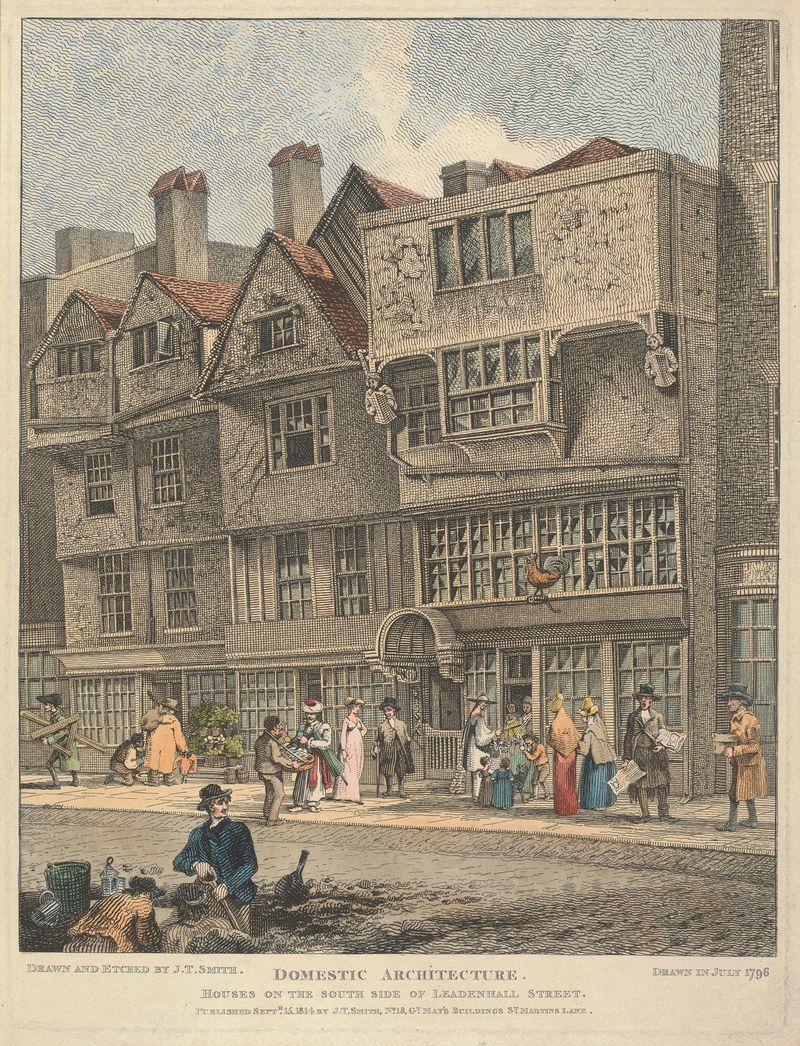
Houses on the South Side of Leadenhall Street
John Thomas Smith
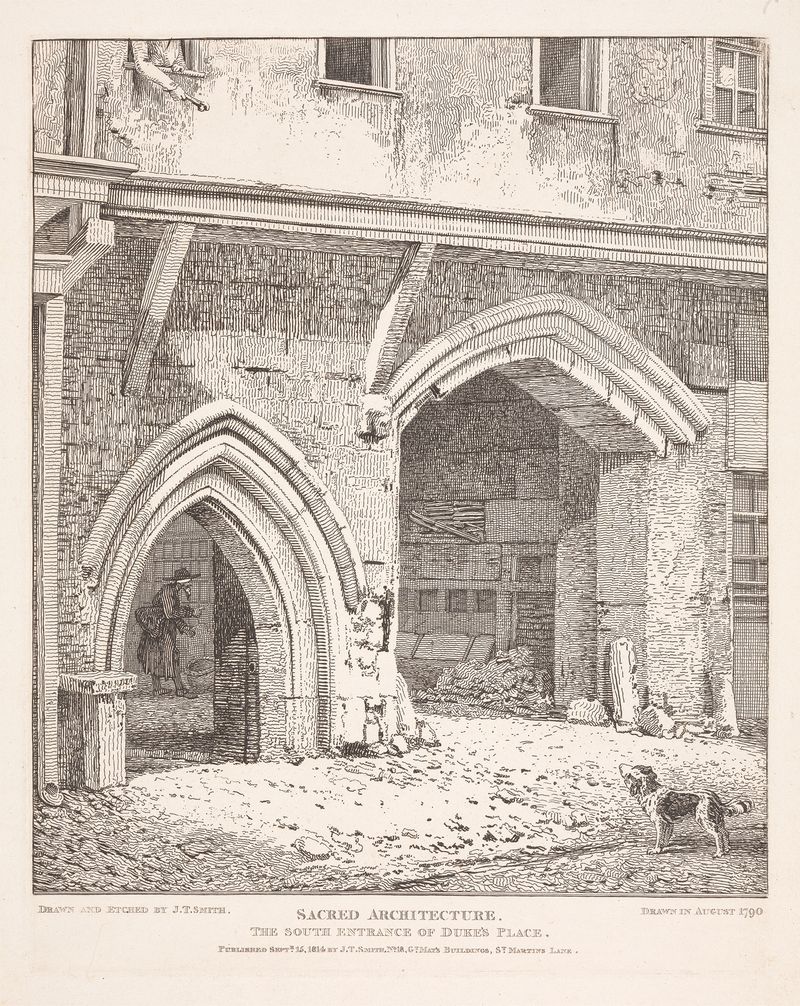
Sacred Architecture; the South Entrance of Dukes Place
John Thomas Smith
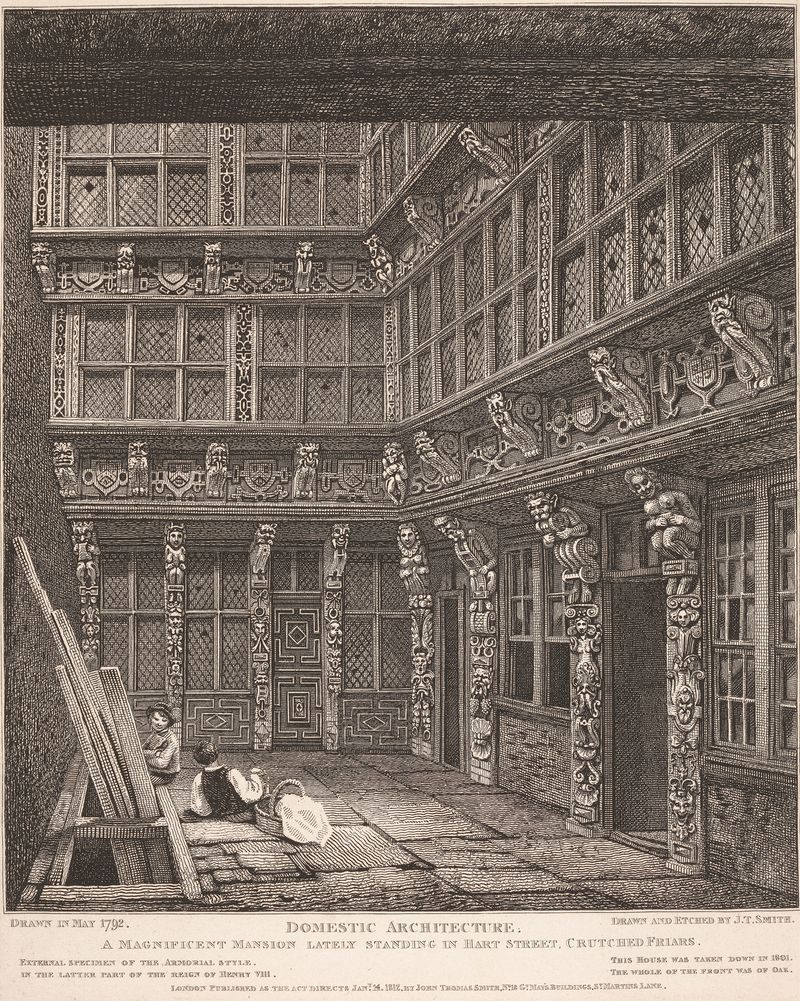
Domestic Architecture, A Magnificent Mansion Lately Standing in Hart Street, Crutched Friars
John Thomas Smith
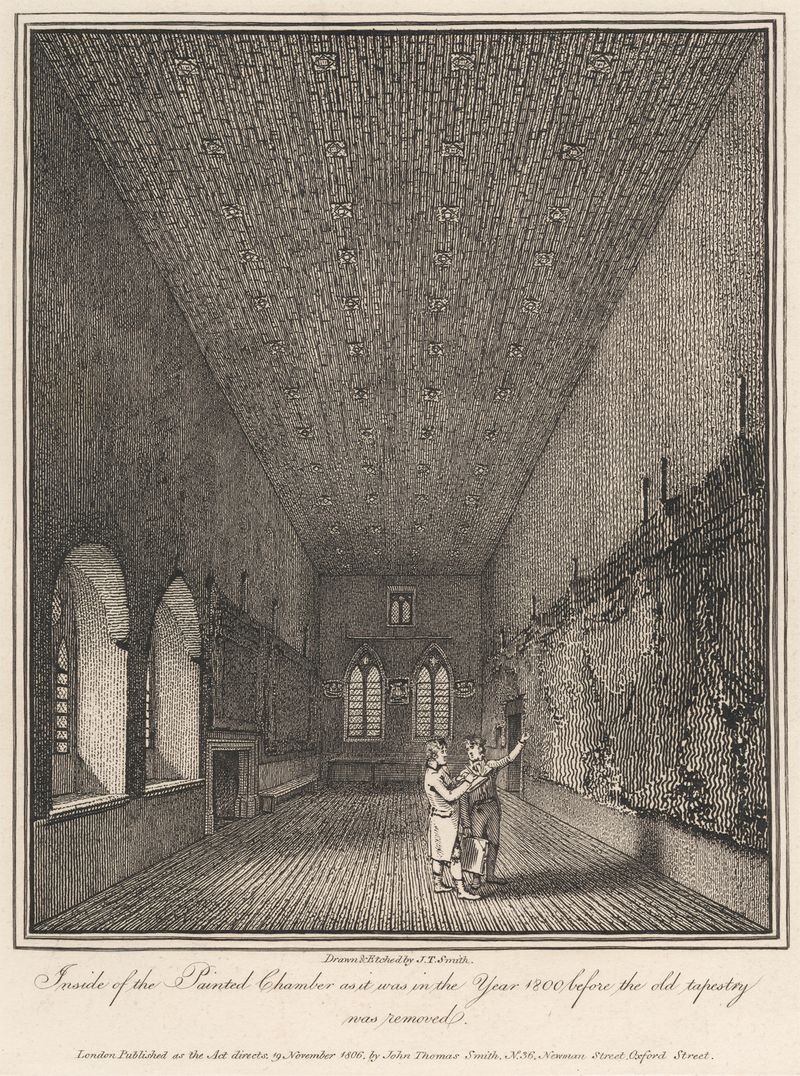
Inside the Painted Chamber as it was in the year 1800 before the old tapestry was removed
John Thomas Smith
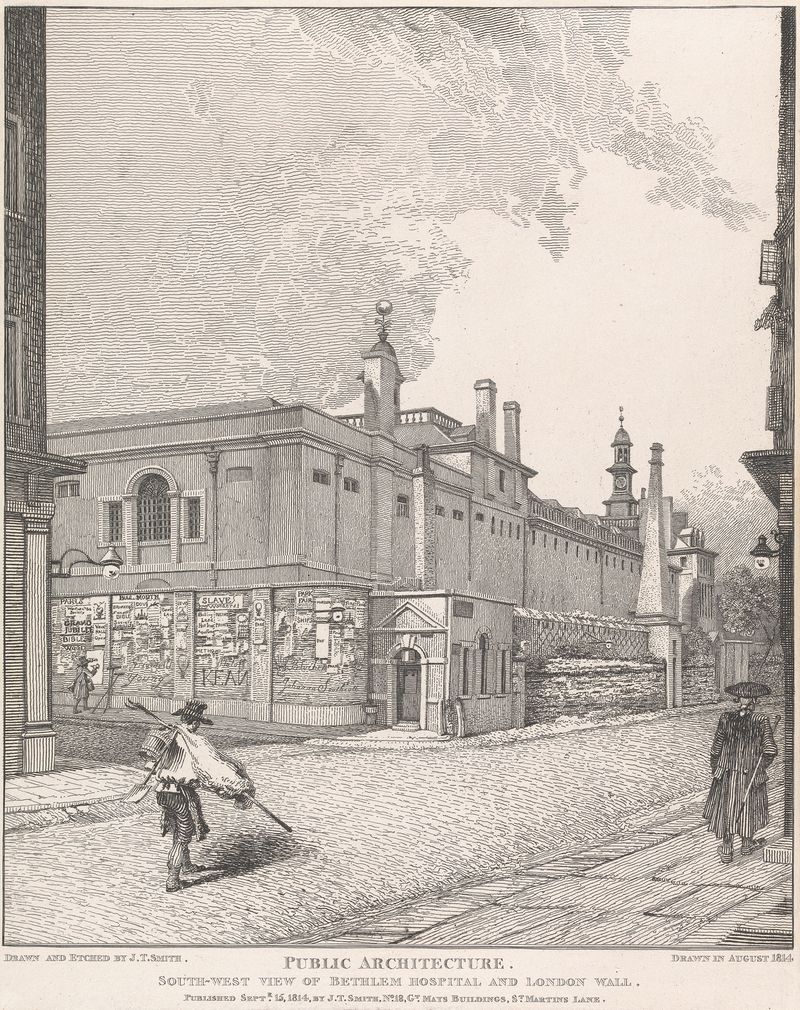
South West View of Bethlem Hospital and London Wall
John Thomas Smith

Winchester Street, London Wall
John Thomas Smith
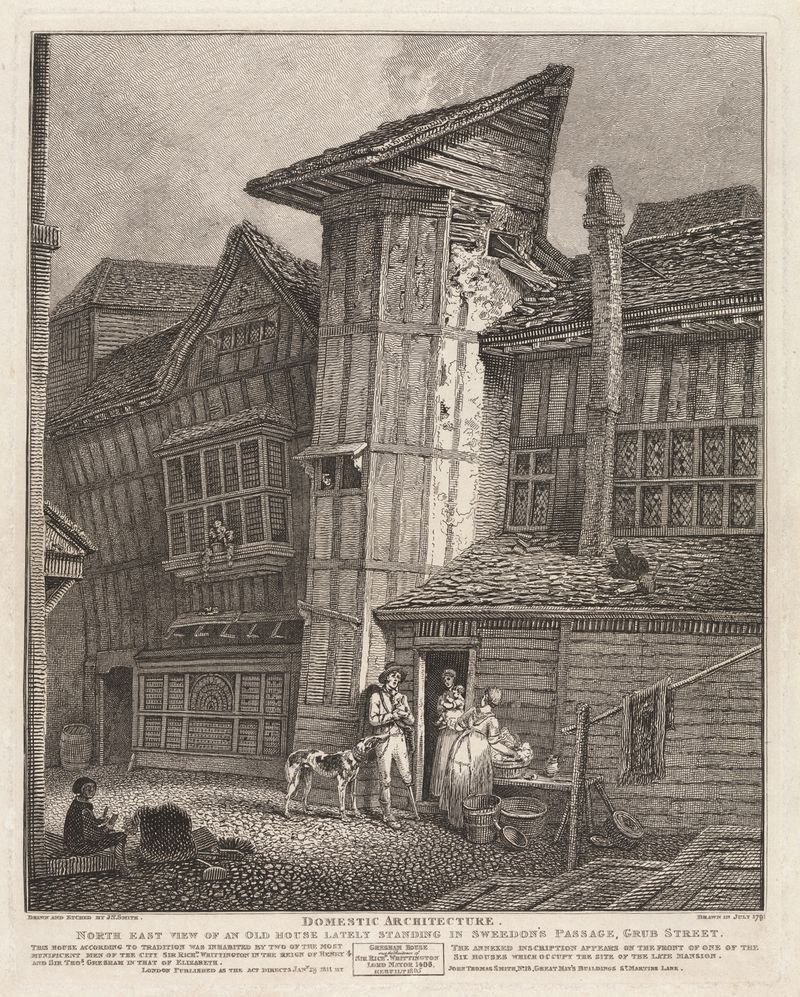
Domestic Architecture – N. E. View of an Old House lately Standing in Sweedon’s Passage, Grub Street
John Thomas Smith

Houses on the South SIde of a Street called London Wall
John Thomas Smith
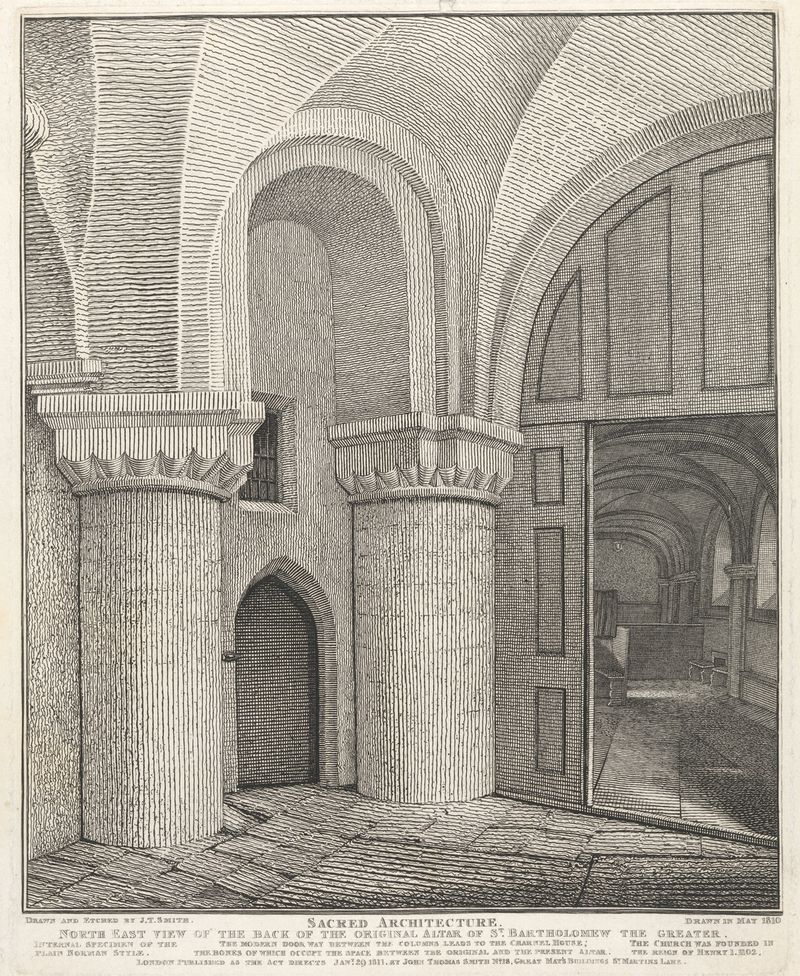
Northeast View of the Back of the Original Altar of St. Barts the Great
John Thomas Smith





