
Valley Farm — History & Facts
A winding river draws the viewer’s gaze into the heart of this scene, where a cottage nestles beneath towering trees and a sky alive with billowing clouds. The drama of the landscape is not in storm or spectacle, but in the quiet tension between the human figures in their boat and the heavy, watchful presence of nature. Every detail—the slant of the roof, the glint on the water, the cattle wading at the edge—serves to anchor the house and its inhabitants within the living world around them.
The light, filtered through thick foliage and reflected off the river, gives the whole scene a sense of weight and immediacy, as if the air itself is thick with the scent of earth and water. Painted around 1835, Valley Farm belongs to the tradition of English landscape painting that flourished in the early nineteenth century, when artists like John Constable sought to capture the changing countryside at a time of rapid industrial transformation. These works were often commissioned or collected by those who longed for a record of rural life, even as it began to vanish. While the precise history of this particular painting is not widely documented, its inclusion in The Yorck Project’s 2002 collection of masterpieces speaks to its enduring appeal.
The world it comes from was one of both nostalgia and innovation—a world where the landscape became a stage for memory, observation, and a new kind of artistic truth. Let your eye linger on the water’s edge, and imagine the stories that might unfold just beyond the frame.
More Artworks by John Constable
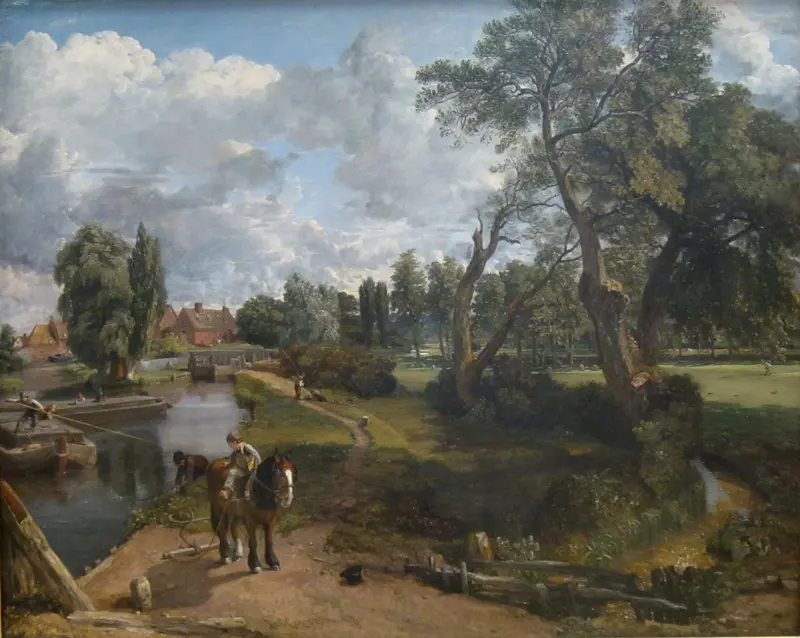
Flatford Mill (Scene on a Navigable River)
John Constable

Salisbury Cathedral From The Meadows
John Constable
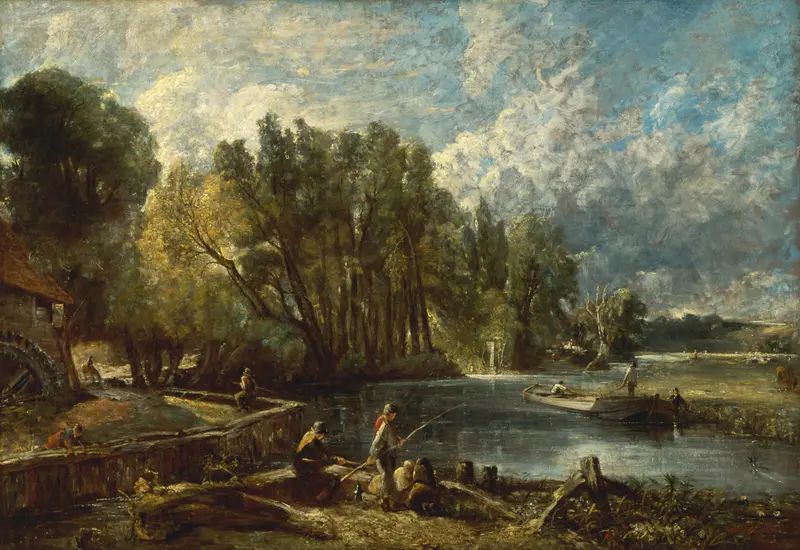
Stratford Mill
John Constable
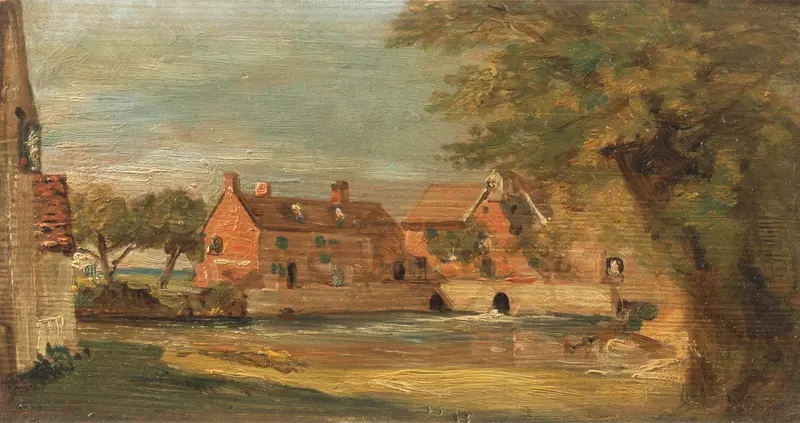
Flatford Mill
John Constable
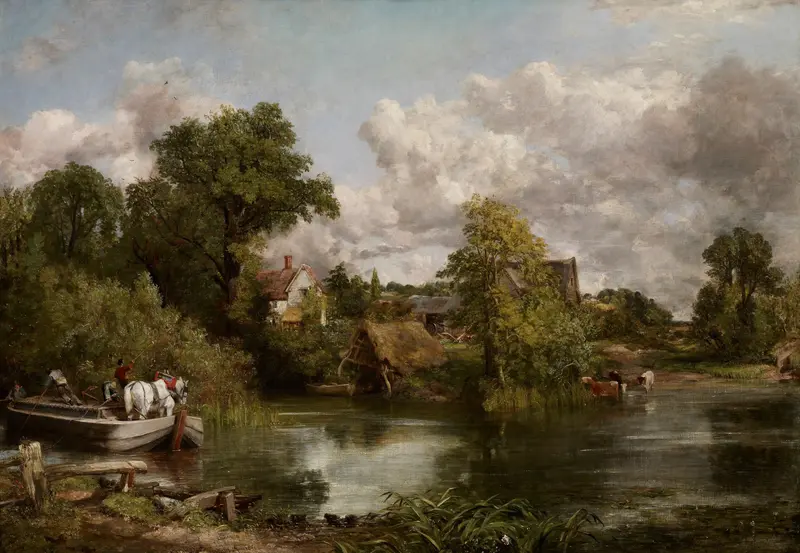
The White Horse
John Constable
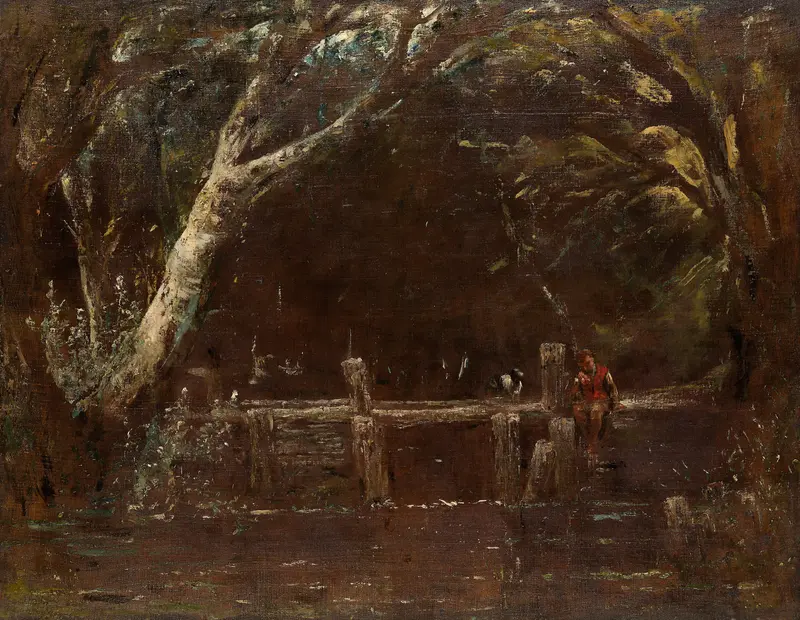
Landscape (The Lock)
John Constable
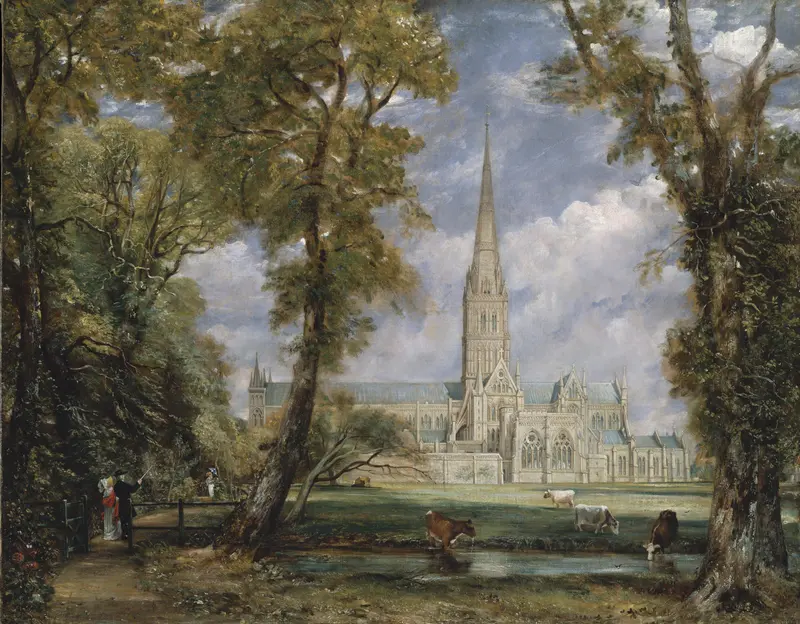
Salisbury Cathedral from the Bishop’s Grounds
John Constable
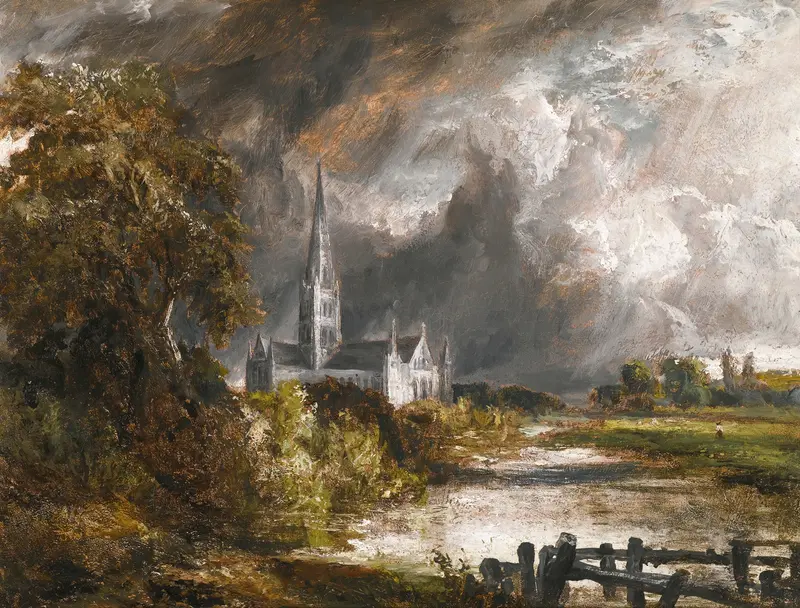
Salisbury Cathedral From The Meadows
John Constable
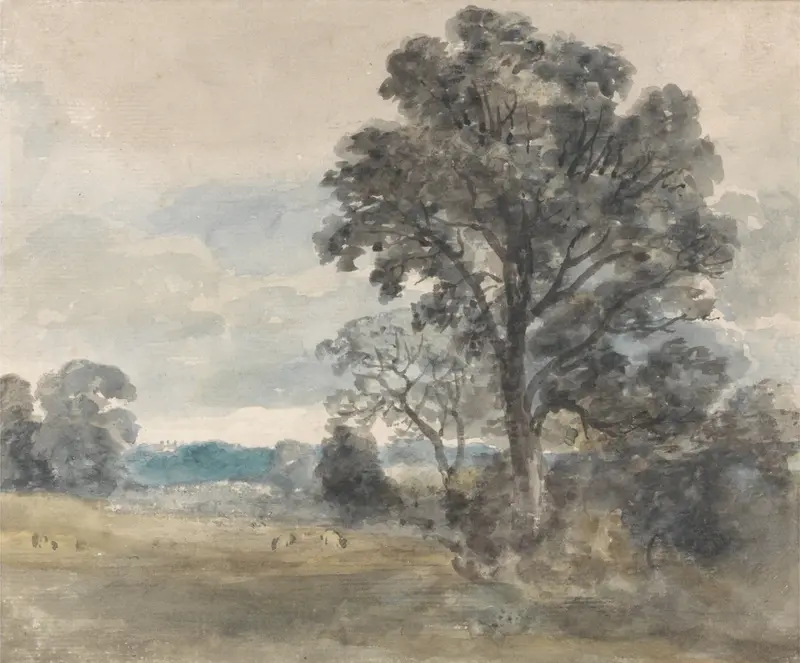
Landscape at East Bergholt
John Constable
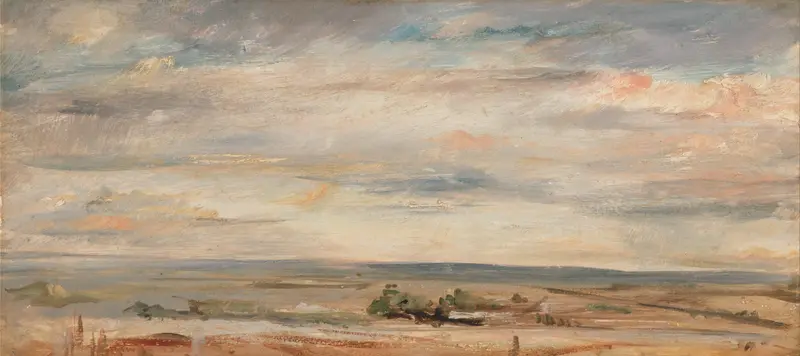
Cloud Study, Early Morning, Looking East from Hampstead
John Constable
More Landscape Art

The Starry Night
Vincent van Gogh

View of Delft
Johannes Vermeer

Water Lilies
Claude Monet

The Grand Canal, Venice, looking north-west from the Ca' Corner to the Ca' Contarini degli Scrigni, with the campanile of Santa Maria della Carità
Canaletto

Windsor Castle
Canaletto

The Grand Canal looking North-East from the Palazzo Dolfin-Manin to the Rialto Bridge
Canaletto