
Valley of the Lebanon — History & Facts
The Valley of the Lebanon captures the exquisite tension between splendor and loss, inviting the viewer to explore this dichotomy further. Look to the left, where the sun bathes the rugged mountains in a golden glow, illuminating the rich greens of the valley below. The intricate brushwork reveals a landscape alive with detail: each tree, rock, and crevice is meticulously rendered to draw the eye deeper into the scene. The palette transitions from warm golds to cool blues and greens, creating a harmonious yet evocative contrast that sparks curiosity about what lies beyond the depicted beauty. Upon closer inspection, the interplay of light and shadow suggests a profound melancholy beneath the surface.
The trees, while lush and vibrant, stand sentinel to a deeper narrative of loss and reverie in the valley. Each element, from the craggy peaks to the soft clouds, echoes the artist's longing for a simpler, untouched past, hinting at a world that once thrived but now teeters on the edge of memory. Frederic Edwin Church painted this landscape in 1869 during a period of artistic exploration and personal introspection. Captivated by the natural world, he sought to convey the sublime beauty of the American landscape, while also grappling with the changes brought on by industrialization.
This work reflects his desire to capture not just the physical beauty of a place, but the emotional weight it carried in a rapidly changing world.
More Artworks by Frederic Edwin Church
Browse all →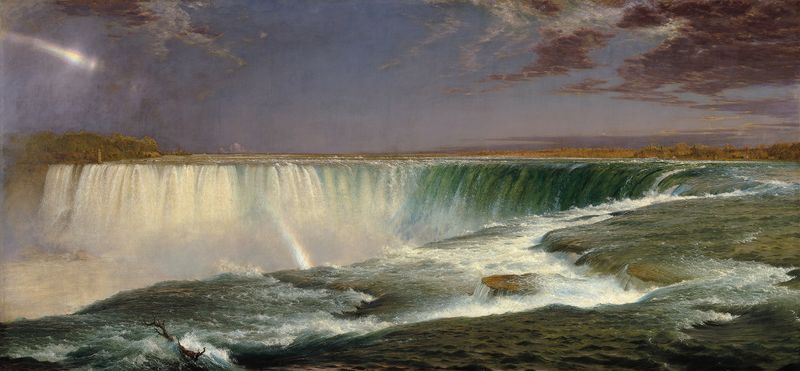
Niagara
Frederic Edwin Church
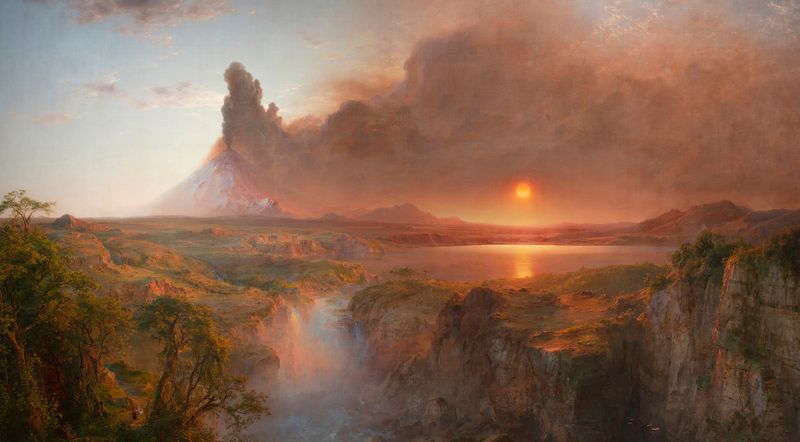
Cotopaxi
Frederic Edwin Church
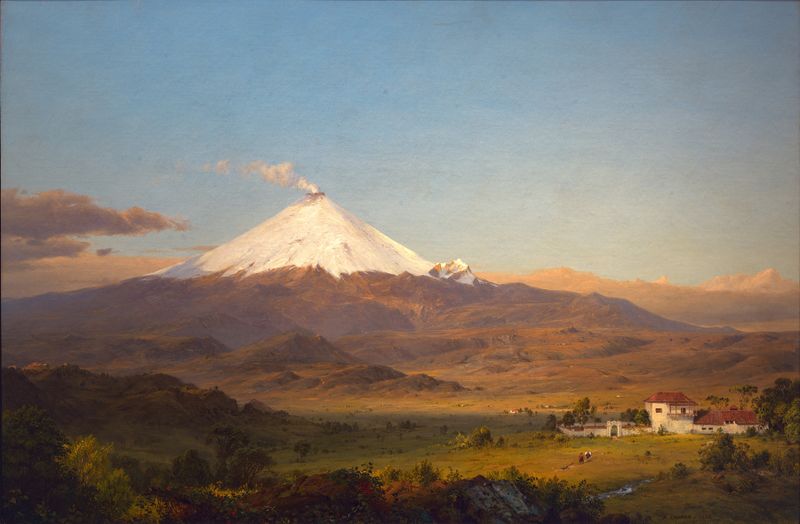
Cotopaxi
Frederic Edwin Church
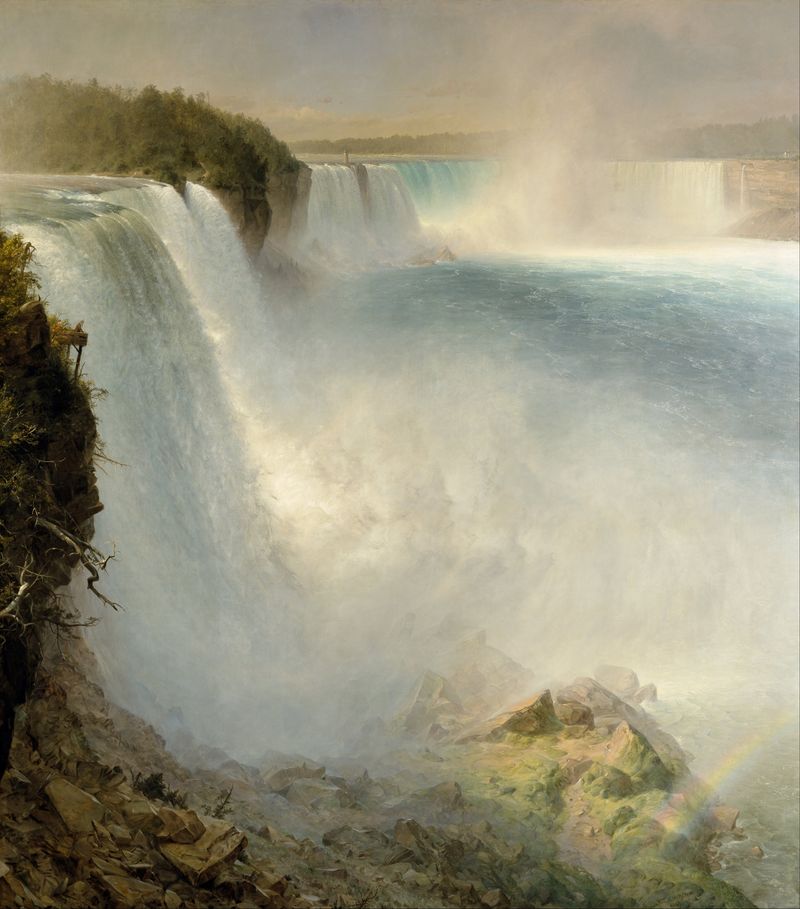
Niagara Falls, from the American Side
Frederic Edwin Church
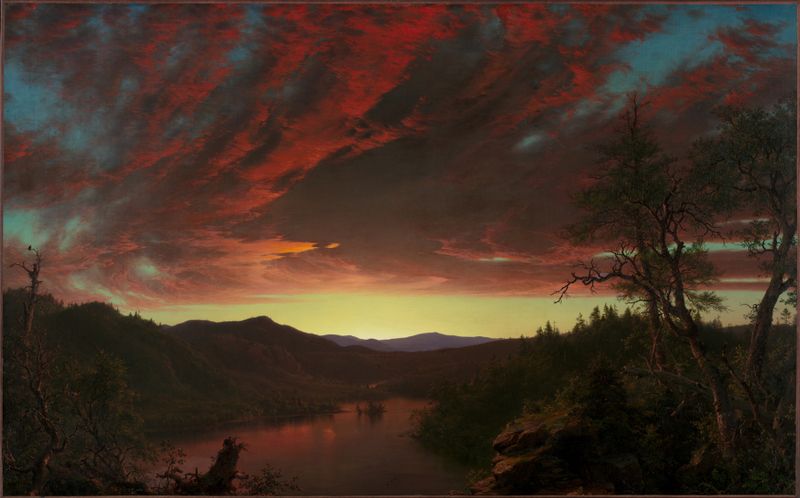
Twilight in the Wilderness
Frederic Edwin Church
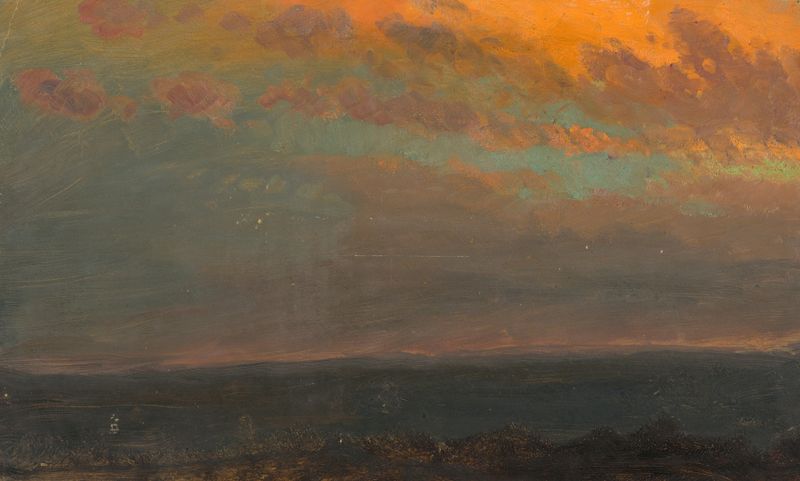
Hudson Valley at Sunset
Frederic Edwin Church
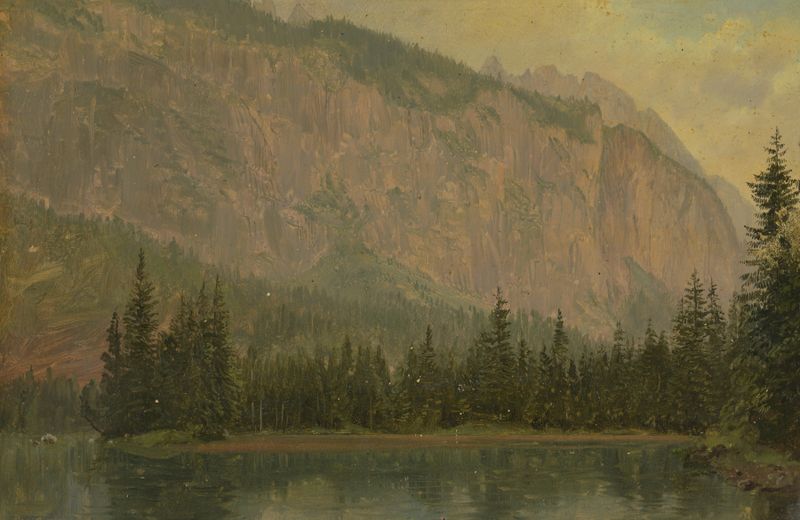
The Hintersee, near Berchtesgaden, Bavaria
Frederic Edwin Church
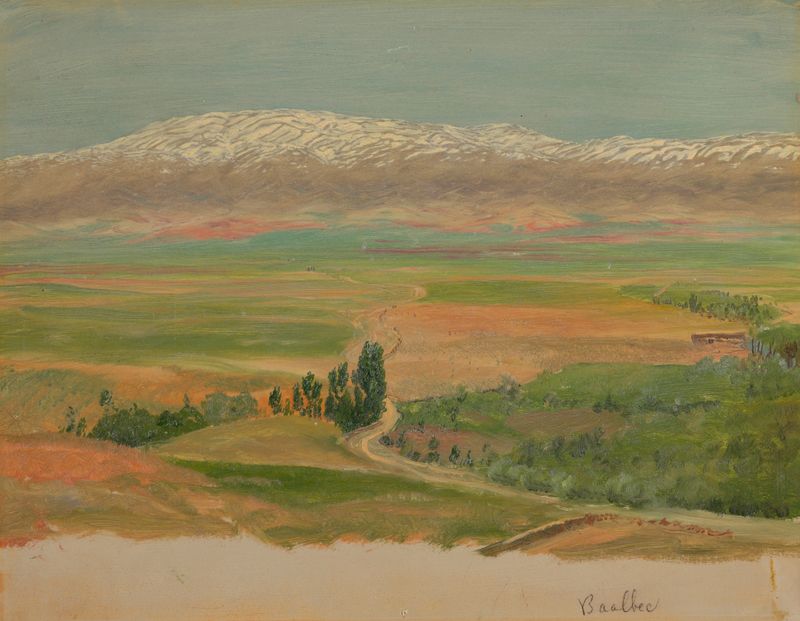
Mountains near Baalbec
Frederic Edwin Church
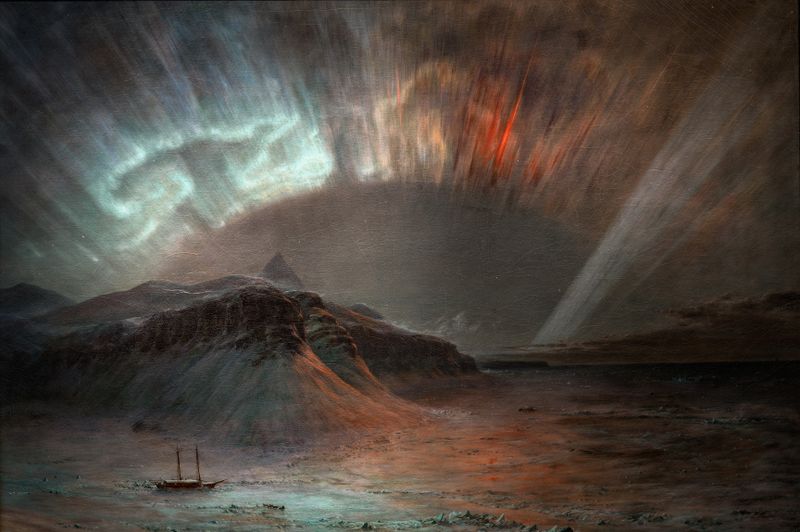
Aurora Borealis
Frederic Edwin Church
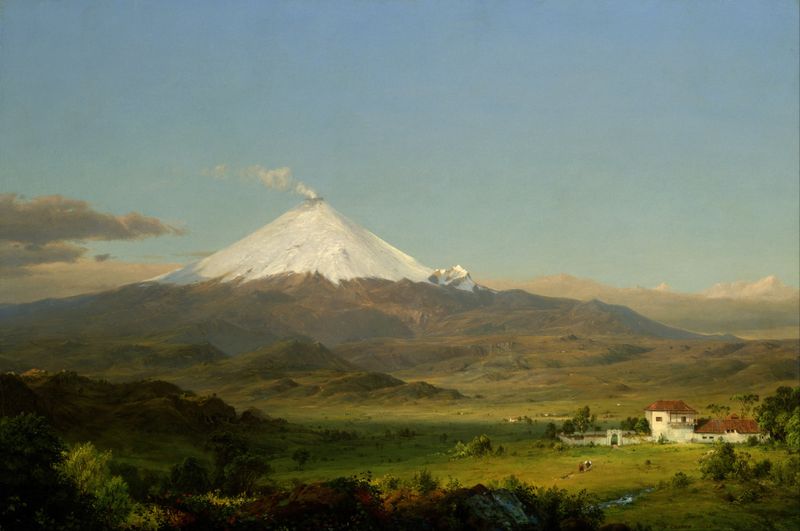
Cotopaxi
Frederic Edwin Church





