
Vanishing London — History & Facts
In Vanishing London, the complex interplay of architecture and transience invites us to confront the void left by change. The canvas pulsates with life, yet hints at an inevitable loss, urging us to look closer and feel deeper. Look to the center, where the intricate outlines of London's iconic structures emerge from a swirl of energetic strokes. Notice how the light falls upon the rooftops, a golden hue illuminating the silhouettes against a somber sky.
The composition is both chaotic and deliberate, capturing the fleeting essence of a city caught between past grandeur and impending transformation. The vibrant palette of ochres and blues draws your eye, as you oscillate between the historic and the ephemeral. As you delve deeper, the hidden contrasts reveal themselves. The sharp lines of the buildings juxtapose with the softer, almost ghostly brushstrokes that surround them, suggesting a world in flux.
Tension arises between the familiar and the unfamiliar, as the viewer is reminded that beauty often exists alongside decay. Elements of nostalgia and apprehension intertwine, reflecting the artist's poignant commentary on urban evolution and loss. In 1928, Joseph Pennell painted this piece while living in England, a period marked by rapid industrial change and the aftermath of the Great War. The art world was experiencing a shift toward modernism, and his work captured the spirit of a city on the brink of transformation.
Pennell, who had long been an advocate for the preservation of architectural beauty, found himself grappling with the inevitable changes that modernization brought to London.
More Artworks by Joseph Pennell
Browse all →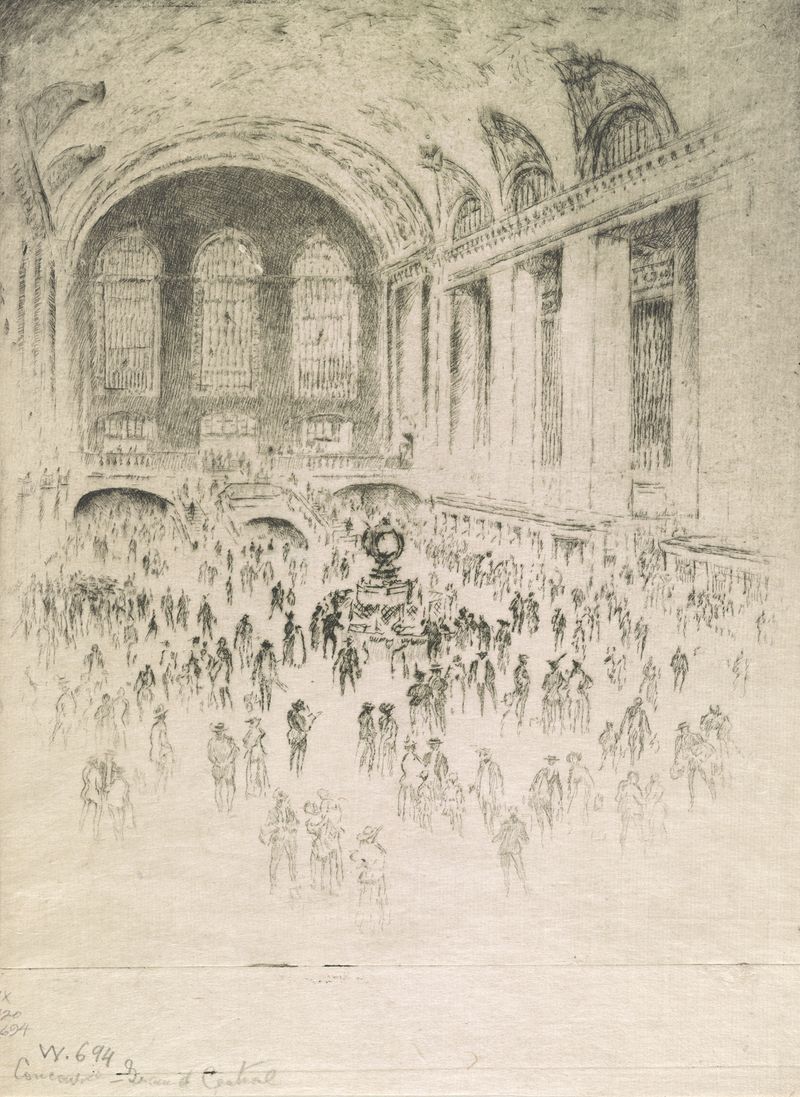
Concourse, Grand Central
Joseph Pennell
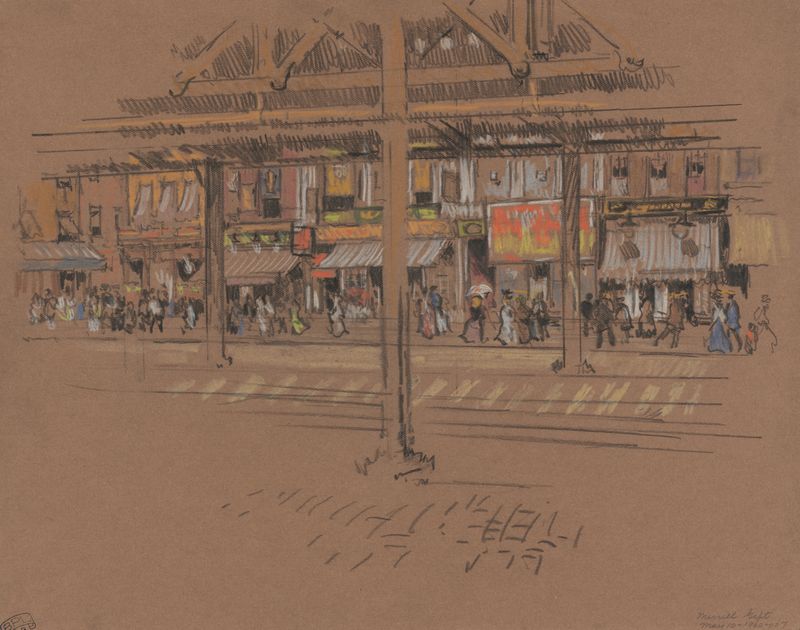
Sixth Avenue
Joseph Pennell
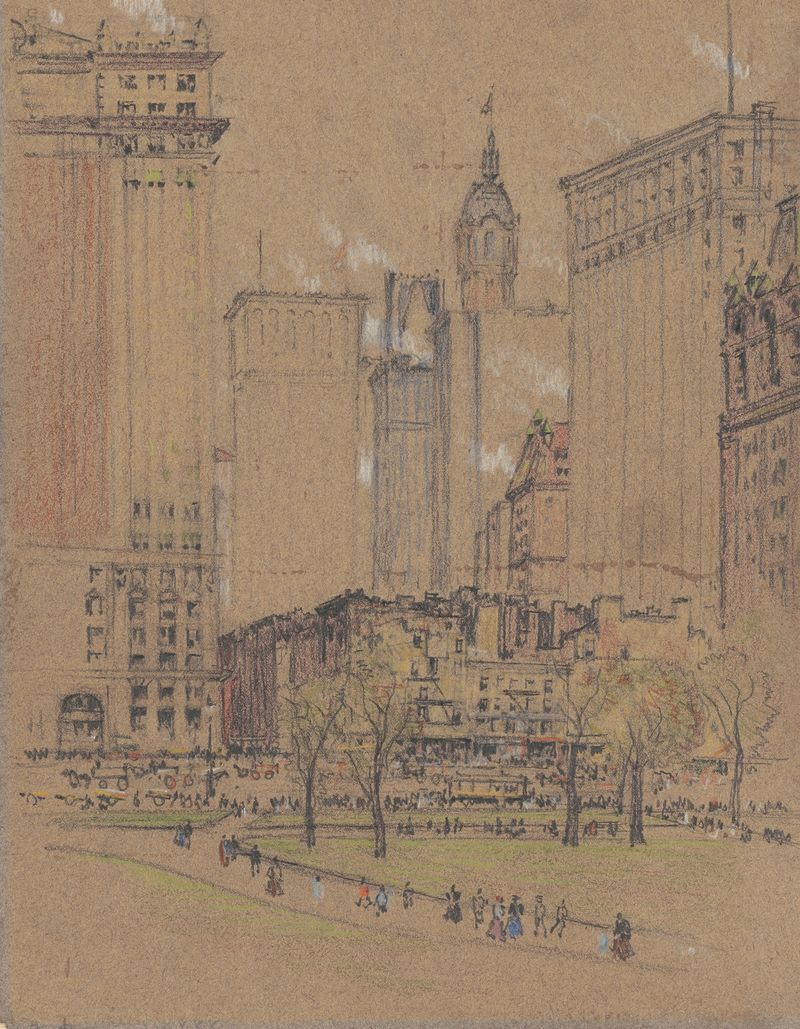
New York,the Old and the New
Joseph Pennell
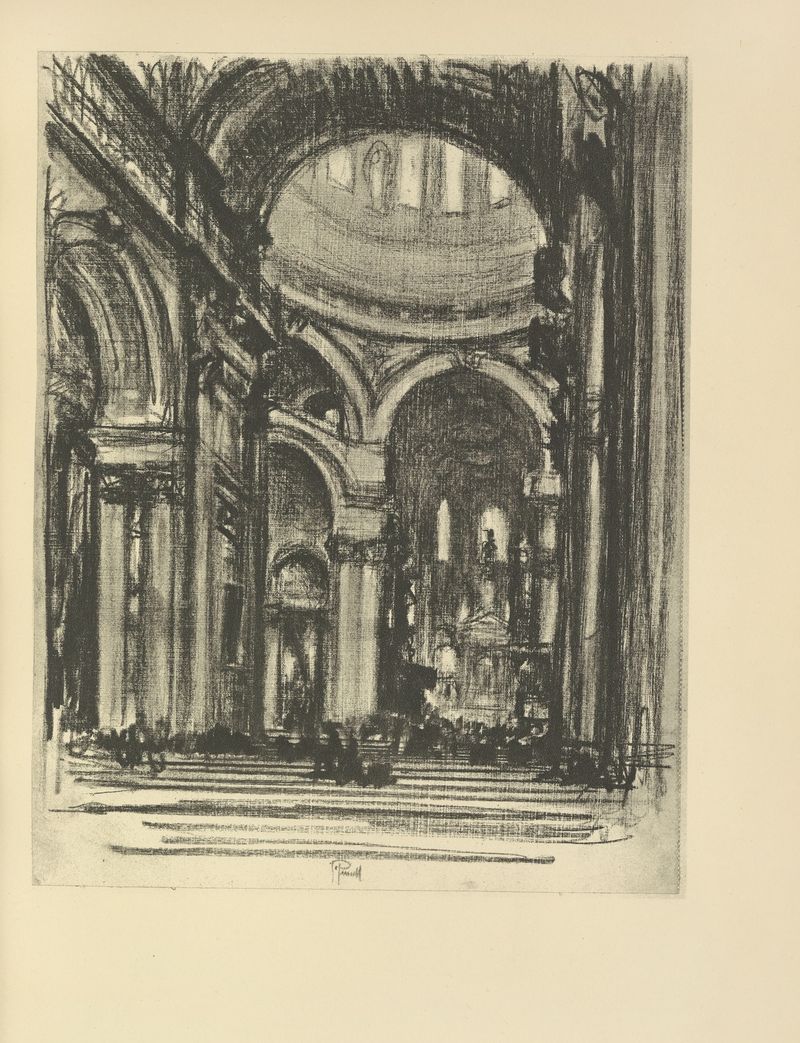
St. Paul’s, The Nave
Joseph Pennell
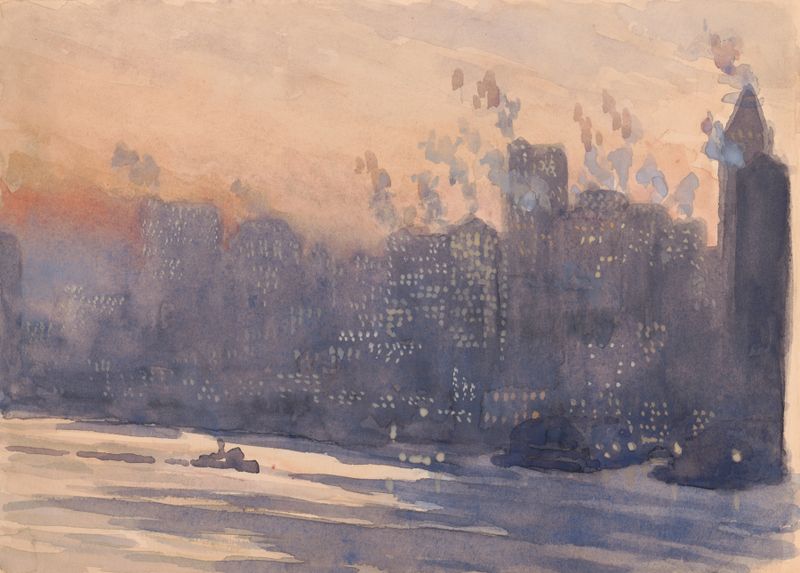
New York City harbor and skyline at night
Joseph Pennell
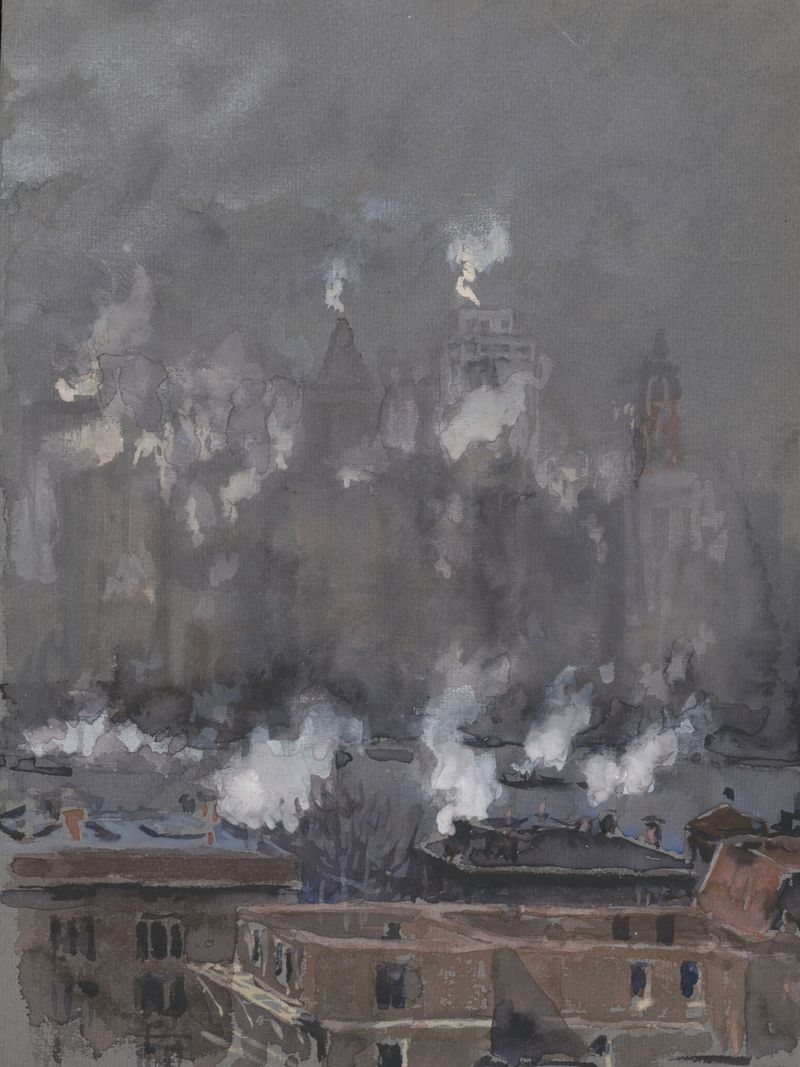
Smoke and fog on gray day, New York City
Joseph Pennell
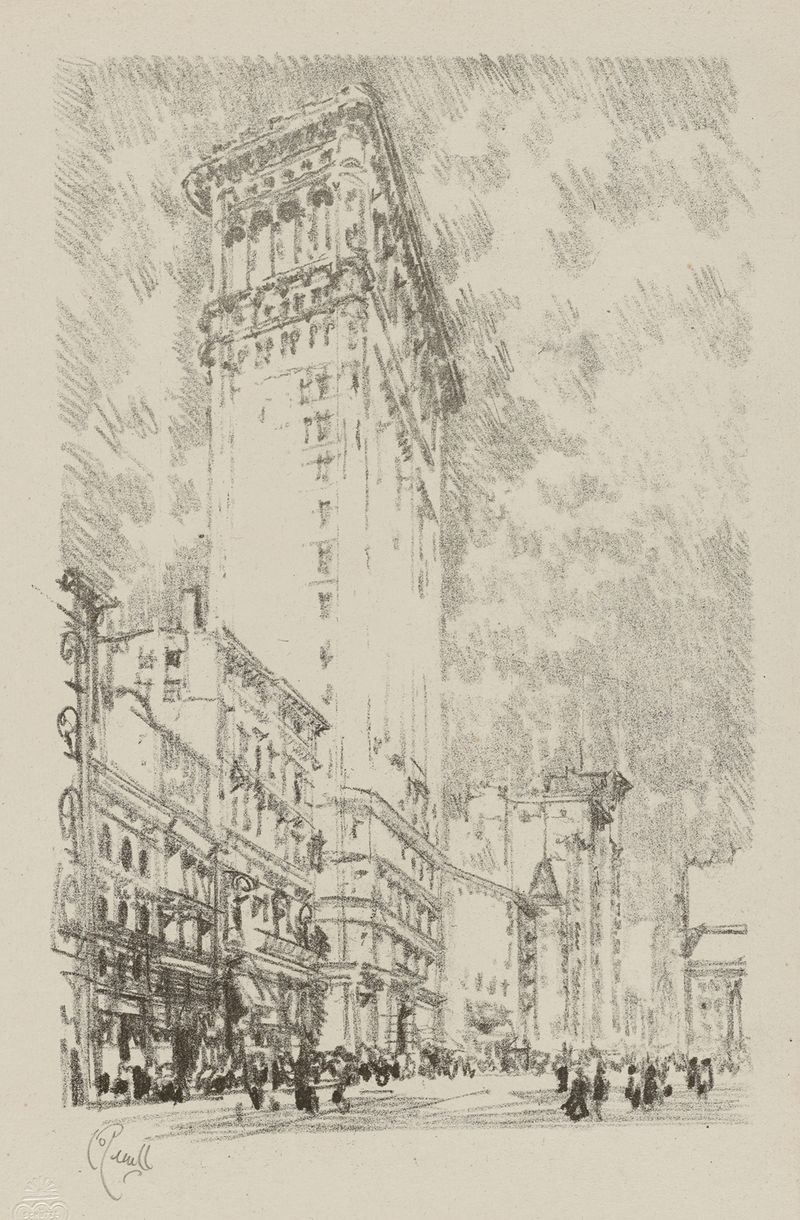
The Flat Iron
Joseph Pennell
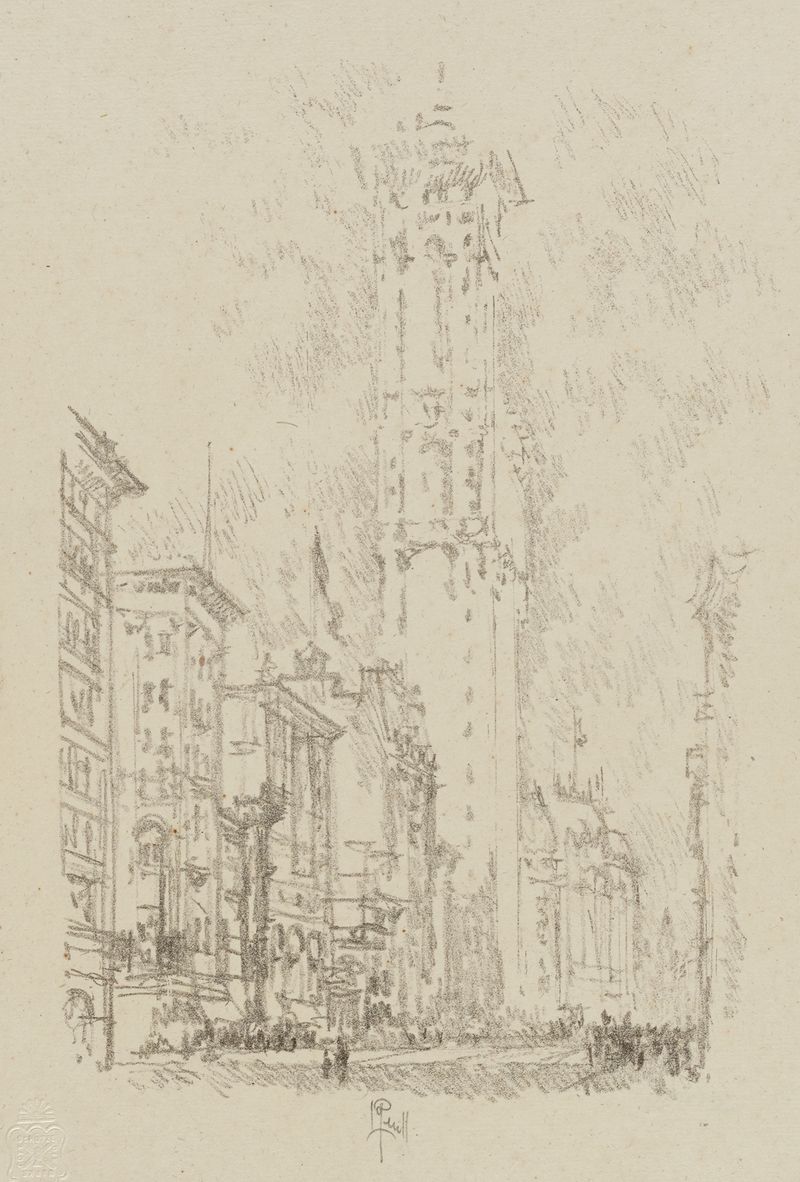
The Times Building
Joseph Pennell
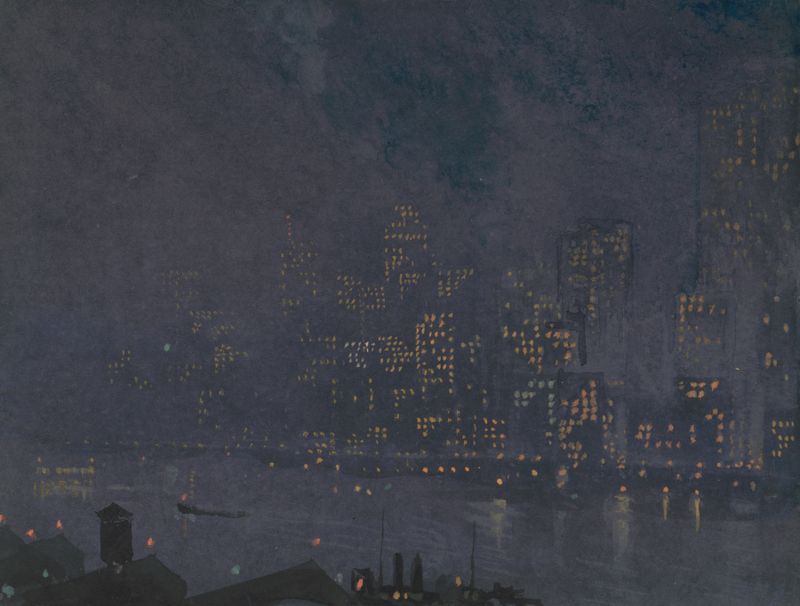
Skyscrapers at night
Joseph Pennell

St. James’ Park
Joseph Pennell
More Architecture Art
Browse all →
The statue of Liberty
Frédéric Auguste Bartholdi

View of Houses in Delft, Known as ‘The Little Street’
Johannes Vermeer

View of Houses in Delft, Known as ‘The Little Street’
Johannes Vermeer

The Cathedral in Rouen. The portal, Grey Weather
Claude Monet

The yellow house
Vincent van Gogh

The Church in Auvers-sur-Oise, View from the Chevet
Vincent van Gogh