
Vaudeville Act 4: Bumbery Blads & Cie, Plastic Poses (Varieténummer 4: Bumbery Blads & Cie, Plastische Posen) — History & Facts
The first thing to catch the eye in Vaudeville Act 4: Bumbery Blads & Cie, Plastic Poses is its playful collision of bodies and patterns, as if the figures themselves are caught mid-transformation between sculpture and stage. Moriz Jung arranges these nude forms in a compact, almost puzzle-like composition, their limbs and torsos outlined with thick, assertive lines. The concentric white circles punctuating each body suggest both the spotlight’s glare and the mechanical precision of a vaudeville routine—each performer frozen in a moment of exaggerated display.
The checkerboard border and bold, blocky lettering reinforce the sense of spectacle, framing the scene as both performance and poster. Created in 1907, this print belongs to a world where cabaret, circus, and variety shows thrived alongside the new visual languages of Art Nouveau and early modernism. Artists like Jung, active in the vibrant circles of Vienna and Central Europe, drew inspiration from the energy and humor of popular entertainment, translating its fleeting gestures into striking graphic forms. Little is recorded about this specific work’s commission or journey, but its presence today in the Metropolitan Museum of Art’s collection speaks to the era’s fascination with the intersection of art, mass culture, and the human body as both subject and spectacle.
The longer you look, the more the image invites you to imagine the music, laughter, and movement just beyond its silent frame.
More Artworks by Moriz Jung
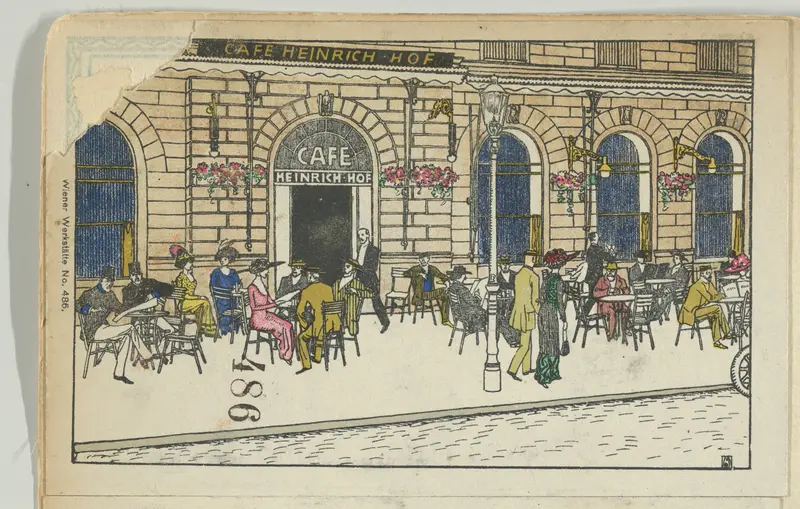
Café Heinrichhof
Moriz Jung

Moriz Jung Porträt
Moriz Jung
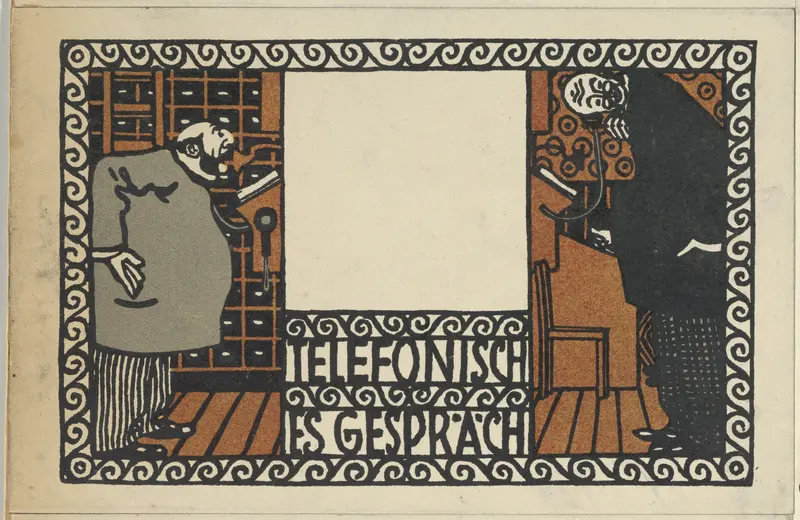
Telephone Conversation (Telefonisches Gespräch)
Moriz Jung
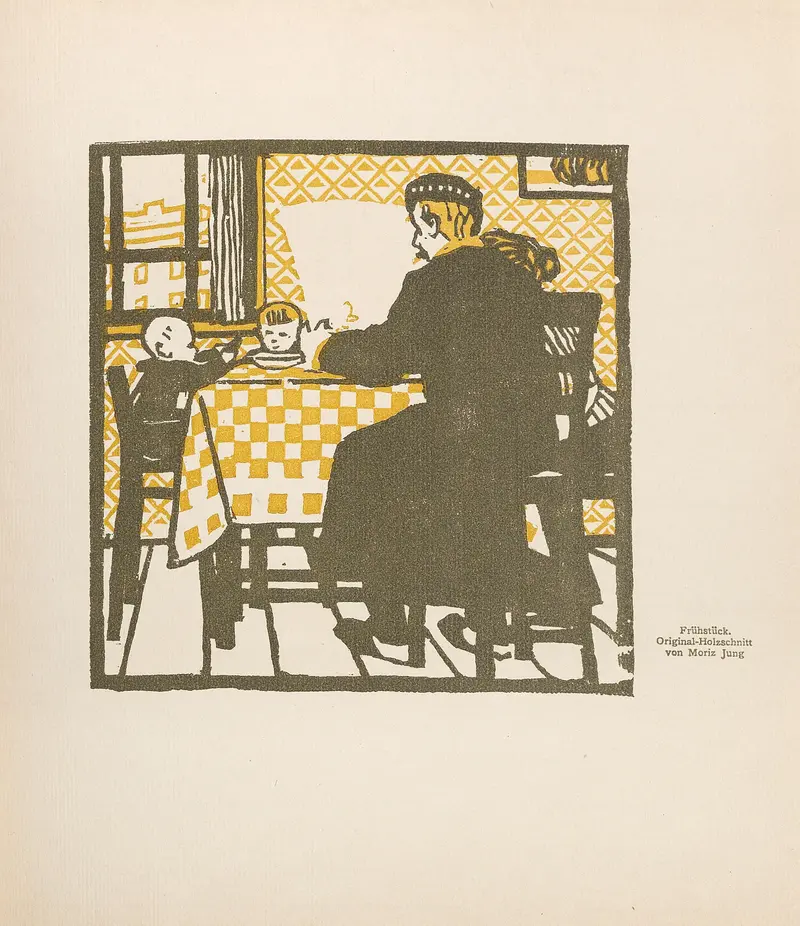
Moriz Jung Frühstück
Moriz Jung
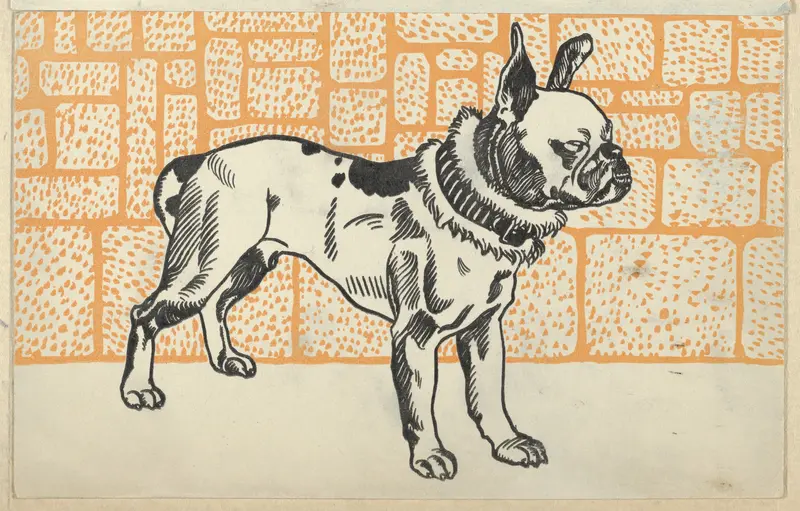
Pitbull Terrier
Moriz Jung
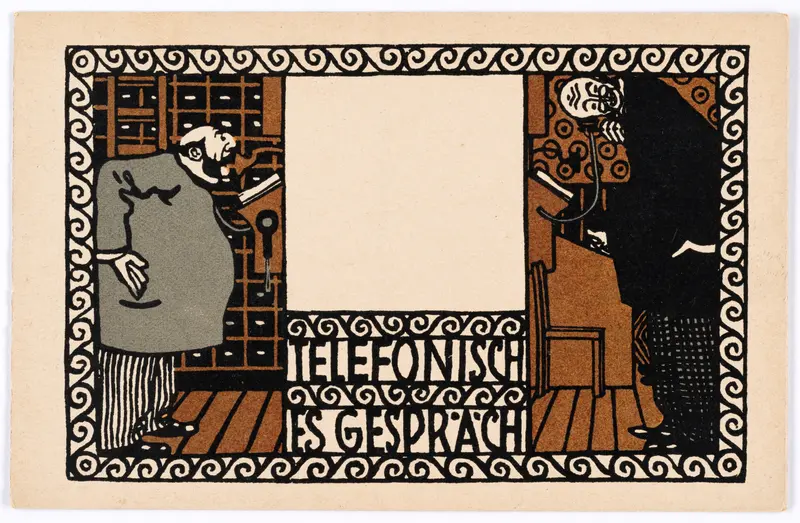
Postkarte der Wiener Werkstätte Nr. 58 - Telefonisches Gespräch
Moriz Jung
Postkarte der Wiener Werkstätte Nr. 58 - Telefonisches Gespräch - verso
Moriz Jung
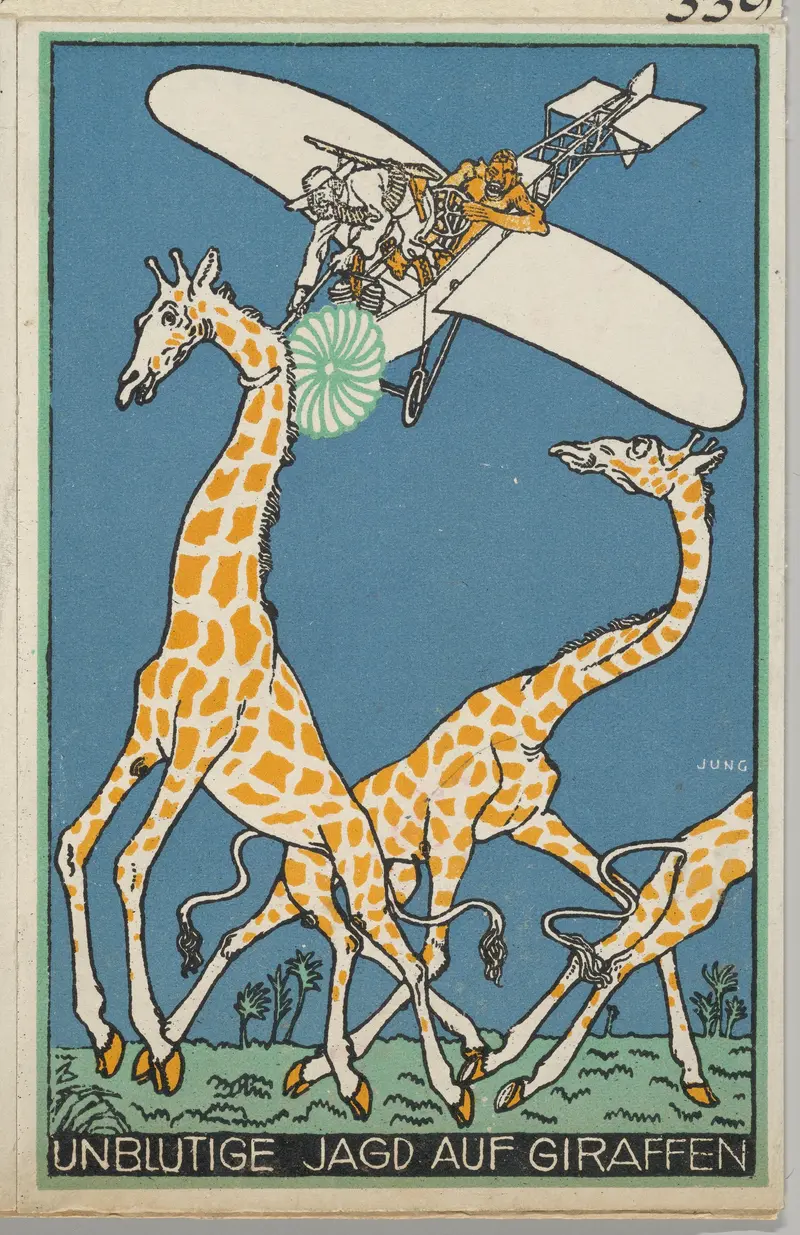
Bloodless Giraffe Hunt (Unblutige Jagd auf Giraffen)
Moriz Jung
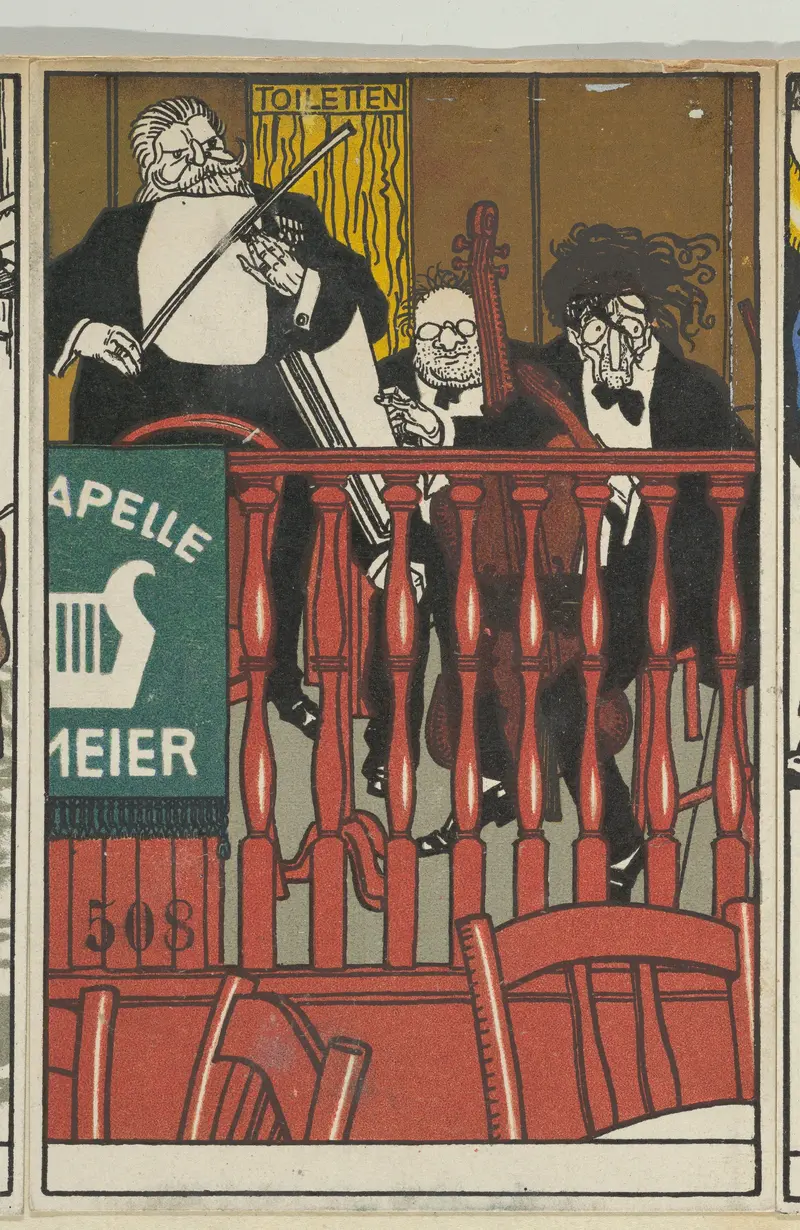
Salon Orchestra Meier
Moriz Jung
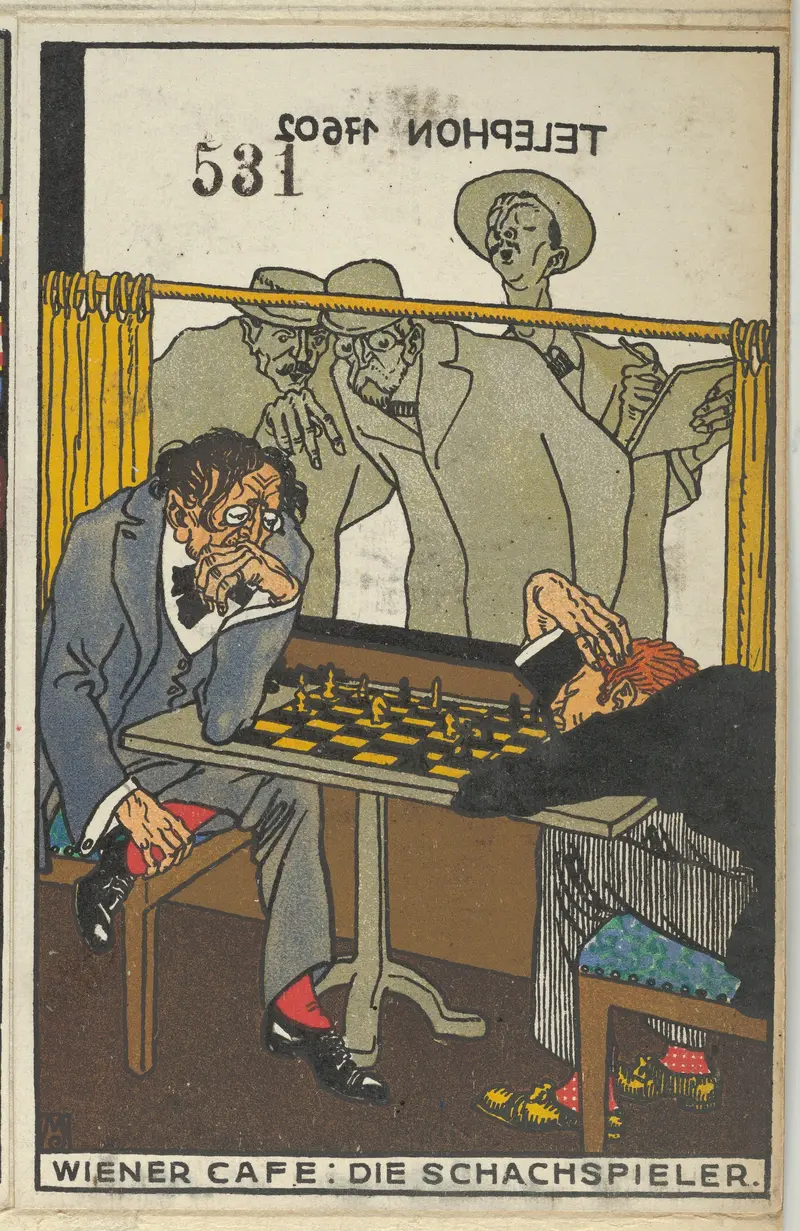
Wiener Café: Die Schachspieler
Moriz Jung



