Veere — History & Facts
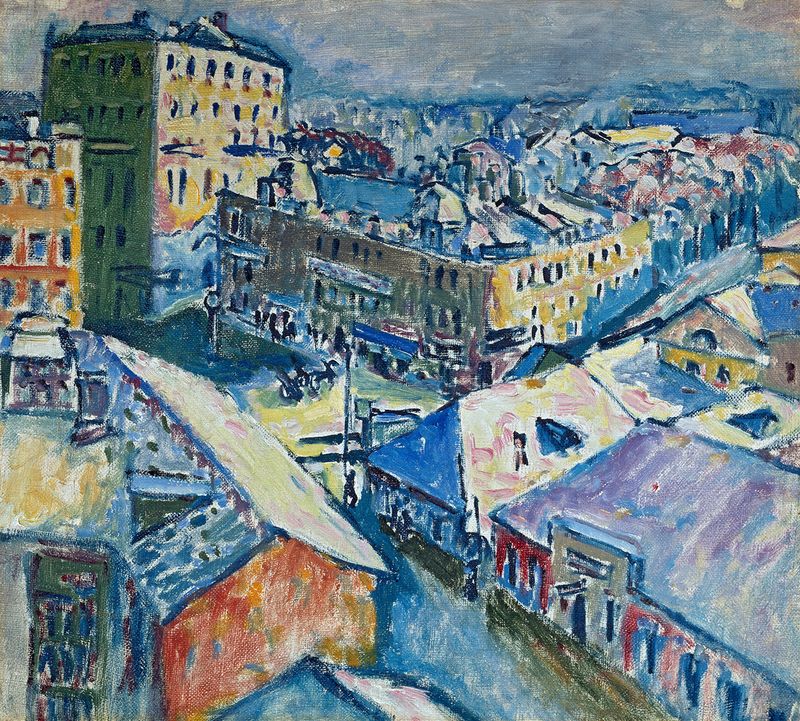
In a world swirling with chaos, how does one find stillness amidst the storm? Look closely at the tumultuous strokes that weave through the canvas, where chaos unfolds in a dance of color and form. The vibrant blues and greens clash with the earthier browns, a visual representation of nature's fierce unpredictability. Notice the erratic patterns that converge and diverge, leading your gaze from the foreground's tumultuous waves to the distant, almost ethereal horizon.
Each stroke feels animated, as if the very essence of energy is trapped within the canvas. As you delve deeper, consider the contrast between chaos and tranquility. The frenetic movements of the brush evoke a sense of urgency, yet within that chaos, there is a rhythm—a heartbeat of life that suggests resilience. The interplay between light and shadow creates a tension that is palpable; the light peeking through tumultuous clouds hints at hope amidst turmoil.
This duality of despair and possibility invites reflection on the human experience, where chaos can often lead to moments of profound beauty. Created in 1919, this piece emerged during a time of great upheaval in Europe, just after the end of World War I. Grondhout, working in the Netherlands, was part of a broader movement that sought to express post-war disillusionment through vibrant and dynamic forms. As artists grappled with the scars of conflict, his work reflects a struggle to reconcile chaos with the enduring spirit of nature, capturing a pivotal moment in both his life and the evolving landscape of modern art.
More Artworks by Willem Adrianus Grondhout
Browse all →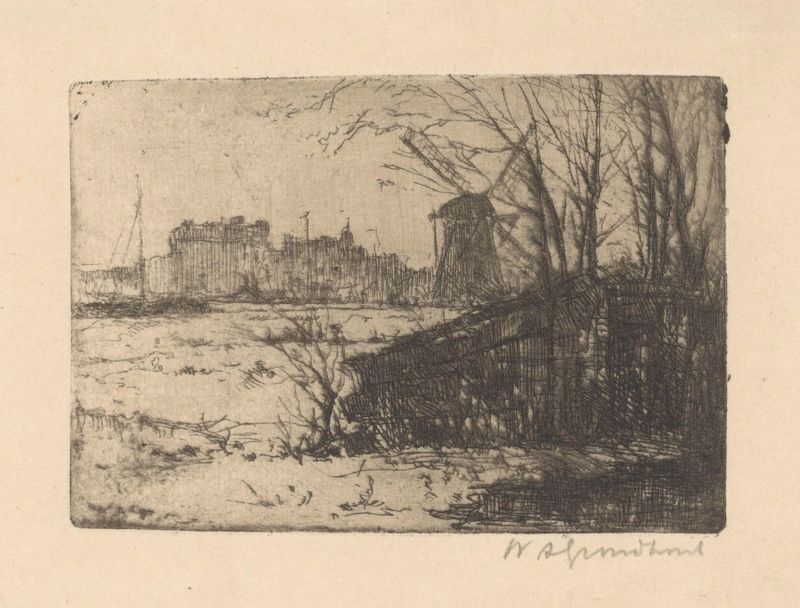
Landschap met molen in de Binckhorst in Den Haag
Willem Adrianus Grondhout
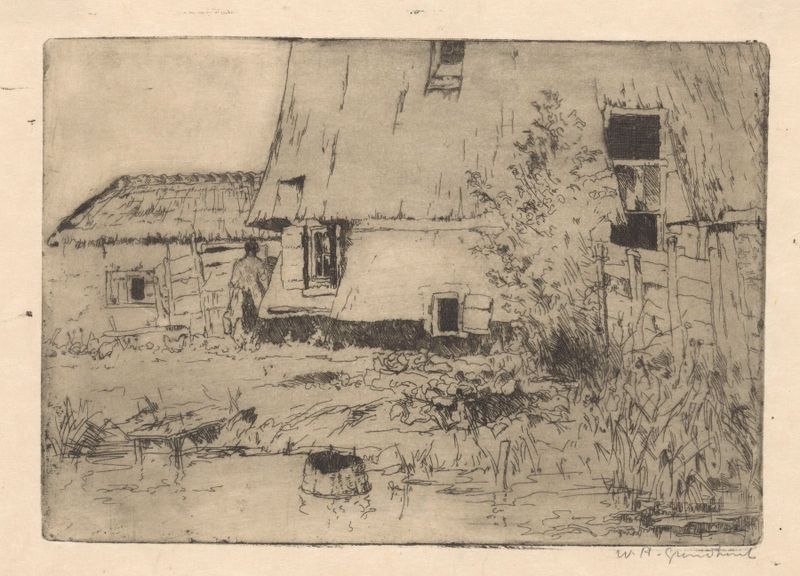
Voet van een molen in Voorburg
Willem Adrianus Grondhout
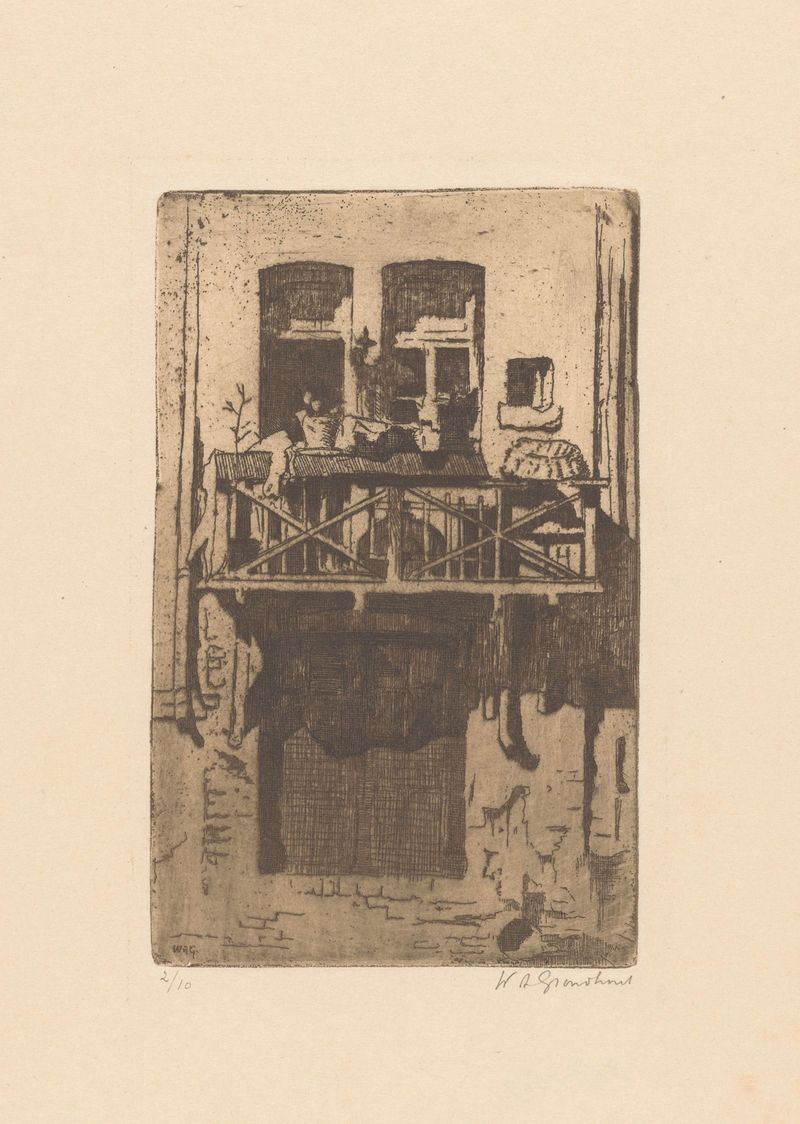
Balkon van een huis aan de Oudezijds Kolk in Amsterdam
Willem Adrianus Grondhout
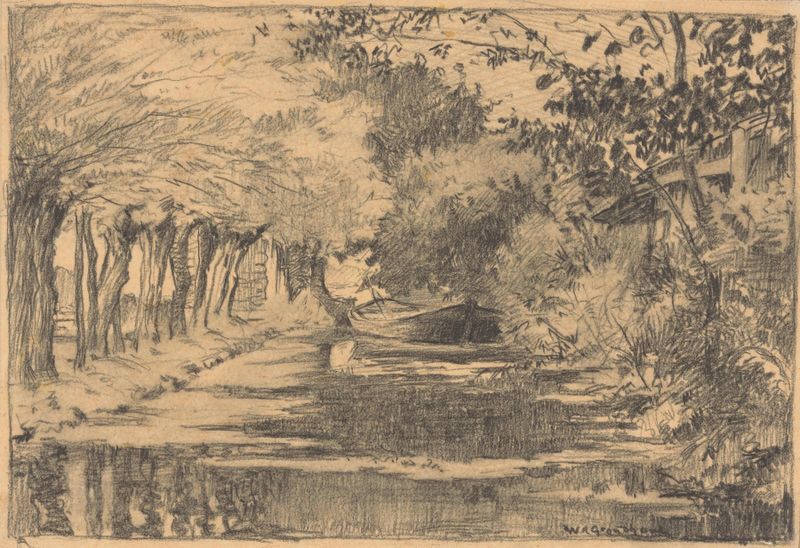
Broeksloot bij Voorburg
Willem Adrianus Grondhout
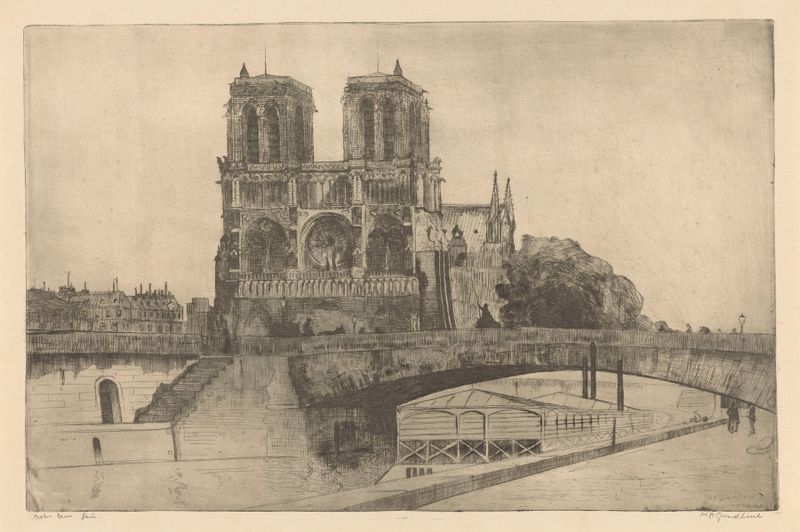
Notre-Dame, Paris
Willem Adrianus Grondhout
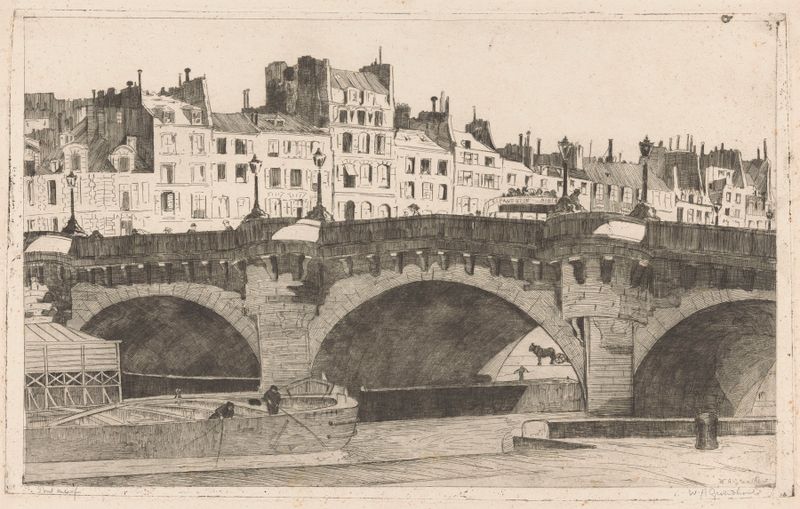
Pont Neuf
Willem Adrianus Grondhout
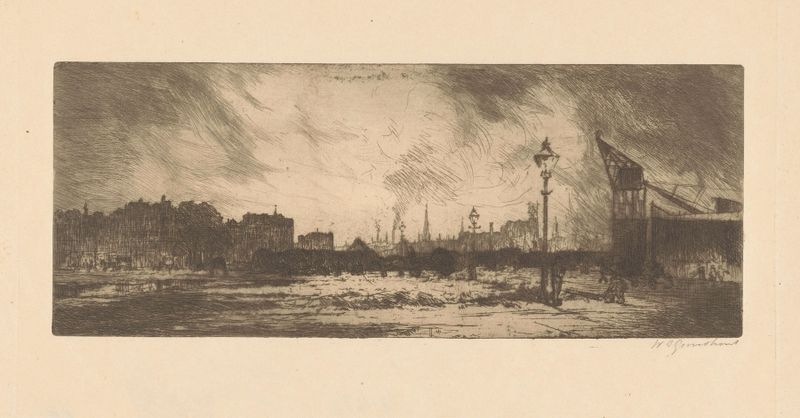
Havenkade met lantaarnpalen in Rotterdam
Willem Adrianus Grondhout
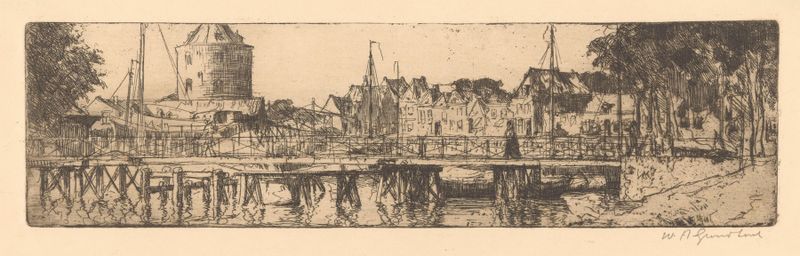
Enkhuizen
Willem Adrianus Grondhout
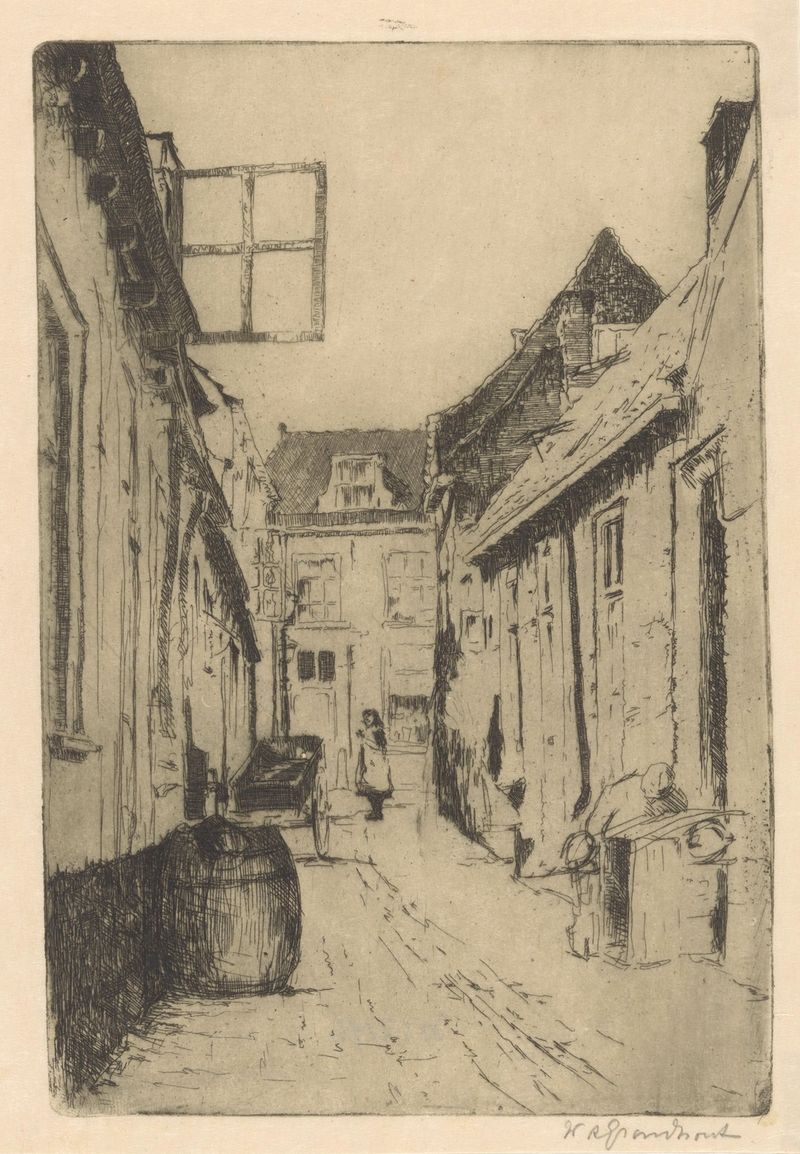
Straatje in Voorburg.
Willem Adrianus Grondhout
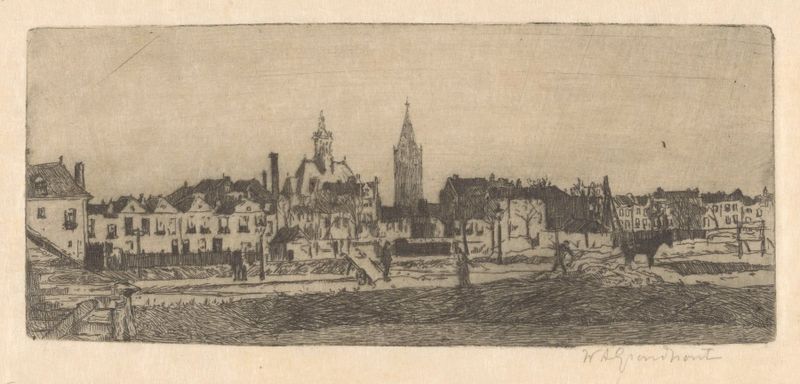
Delft
Willem Adrianus Grondhout