
Venice — History & Facts
Where does light end, and longing begin? In the embrace of twilight, the city of Venice becomes a luminous dreamscape, a poignant reminder of beauty amid the shadows of change. Look to the left at the delicate interplay of shadows cast by the crumbling architecture, which stands as a testament to a past both glorious and fragile. Notice how the warm golden hues of the setting sun reflect off the canal's surface, creating a shimmering pathway that draws the viewer's gaze towards the horizon. Painted with a meticulous attention to detail, the artist's brushstrokes breathe life into the water, allowing it to ripple with the weight of history and memory. The juxtaposition of the vibrant colors against the muted tones of the buildings evokes a deep longing—a yearning for what once was.
Each figure, rendered in silhouette, appears to float in a world between reality and dreaming, suggesting a tension between the present and an uncertain future. This sense of revolution underscores the scene, hinting at the socio-political upheavals that loomed just beyond the canvas. In 1936, the artist found himself in Venice, immersed in a time of rising global tensions and artistic experimentation. While the world teetered on the brink of upheaval, Halász-Hradil embraced the city's timeless beauty, recognizing it as both a sanctuary and a symbol of resilience.
His work reflects the complex interplay of nostalgia and transformation characteristic of this era in art history, as artists grappled with the specters of war and identity.
More Artworks by Elemír Halász-Hradil
Browse all →
Self-Portrait
Elemír Halász-Hradil
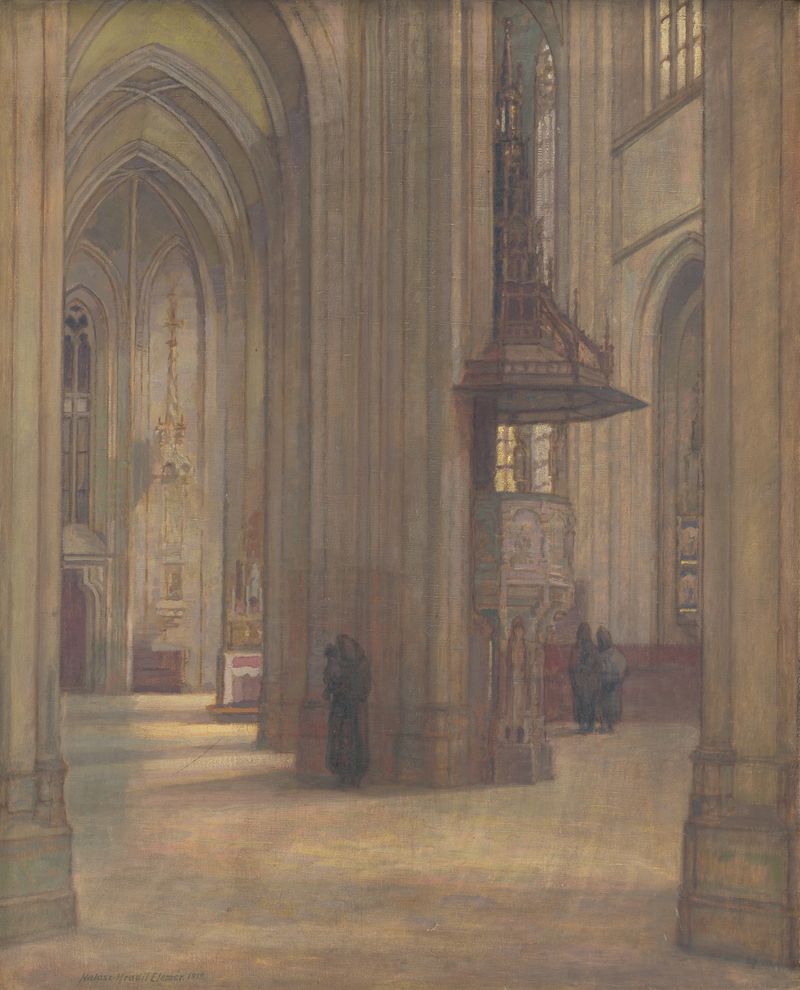
Interior of St. Elisabeth Cathedral
Elemír Halász-Hradil
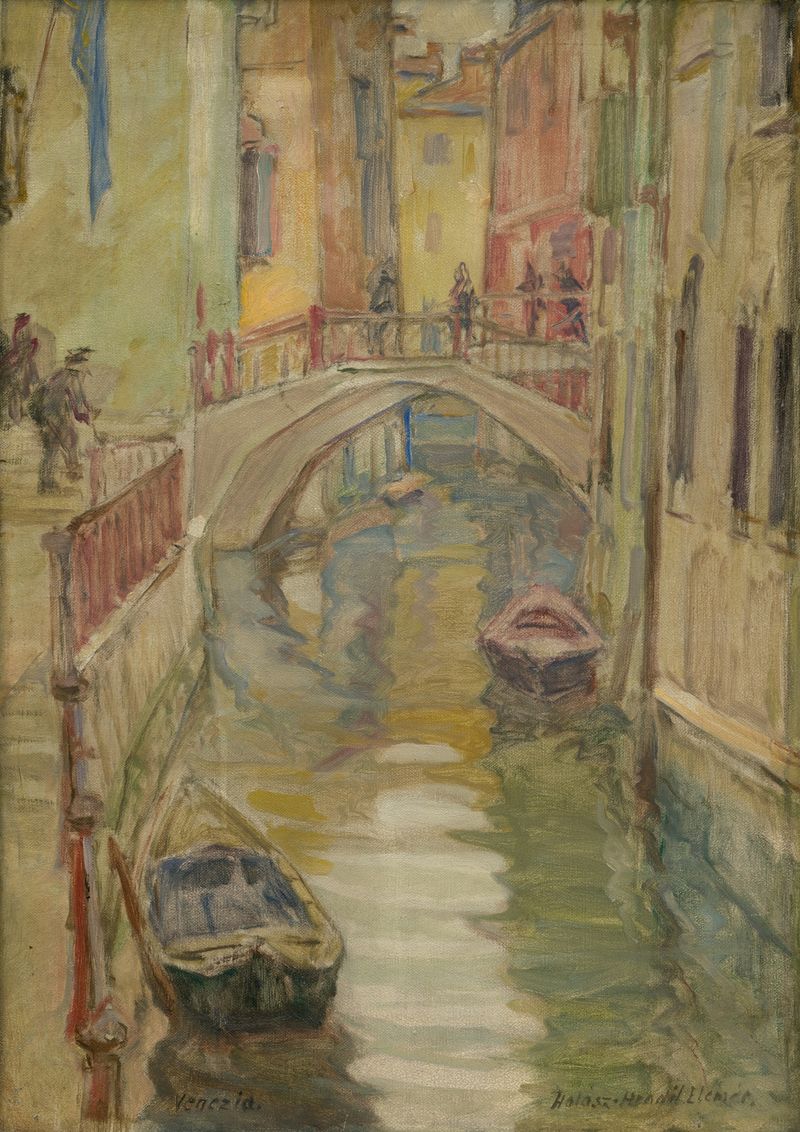
Venice
Elemír Halász-Hradil
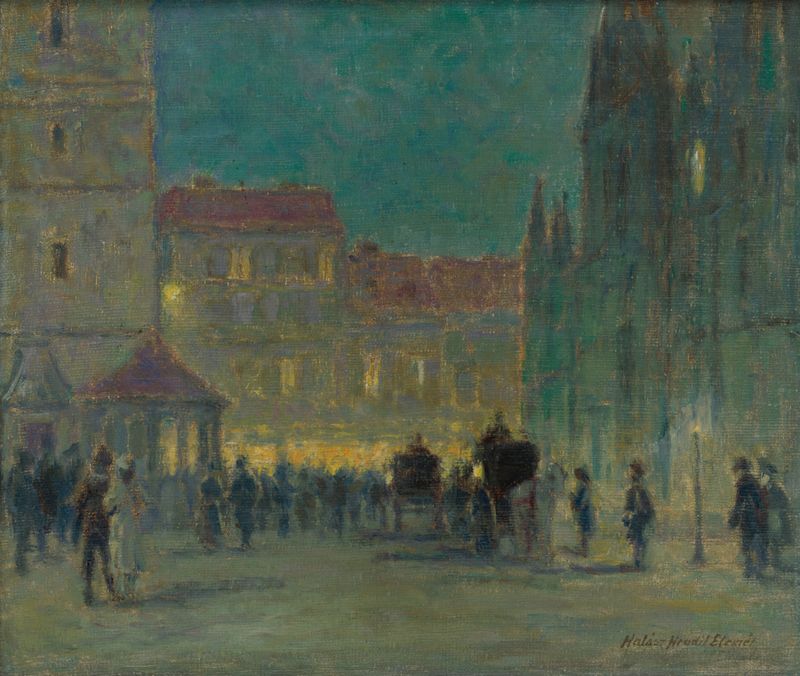
Evening in front of the St. Elisabeth Cathedral
Elemír Halász-Hradil
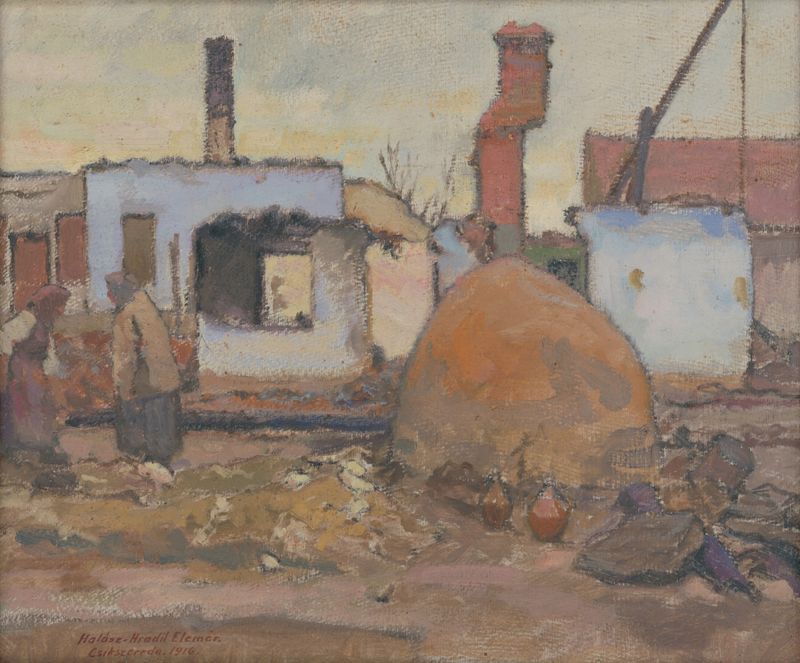
After the Passage of the Front
Elemír Halász-Hradil
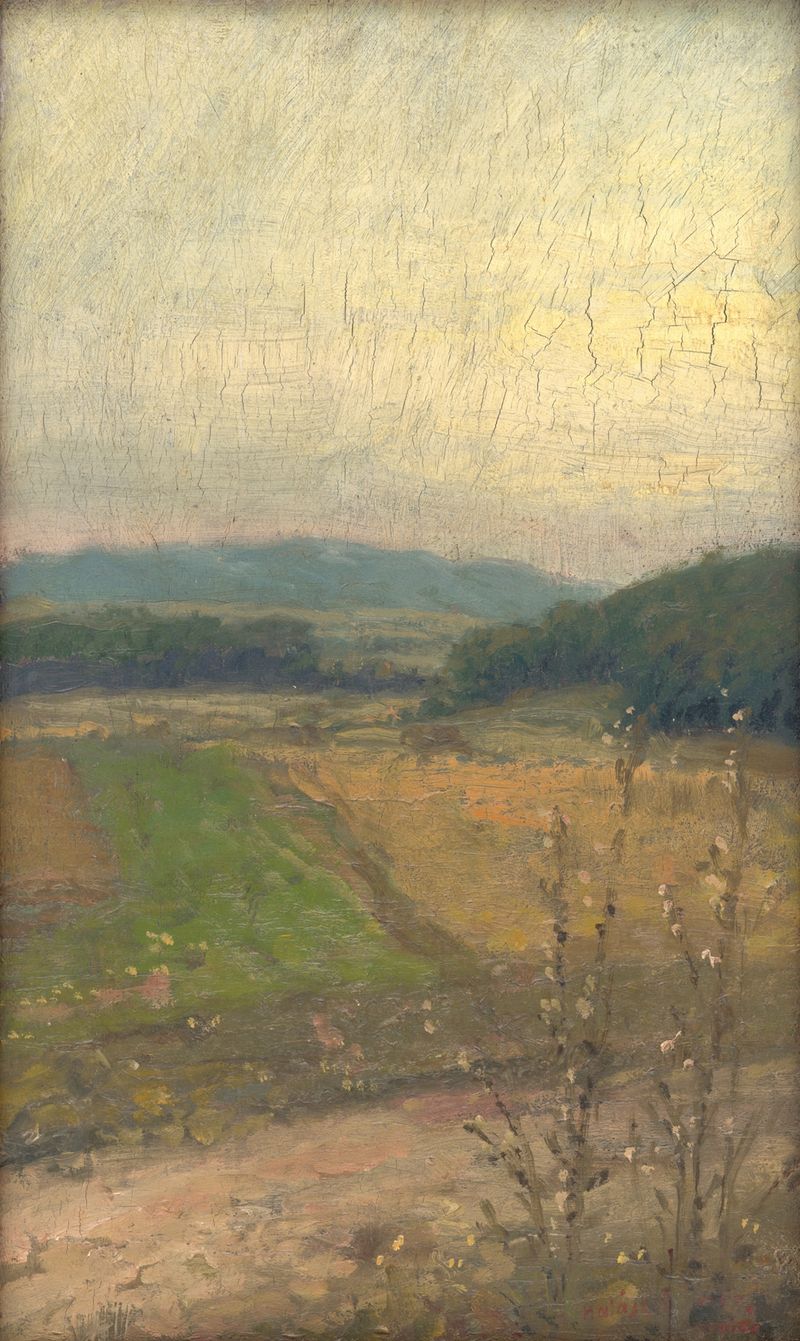
Landscape with Hills in the Background
Elemír Halász-Hradil
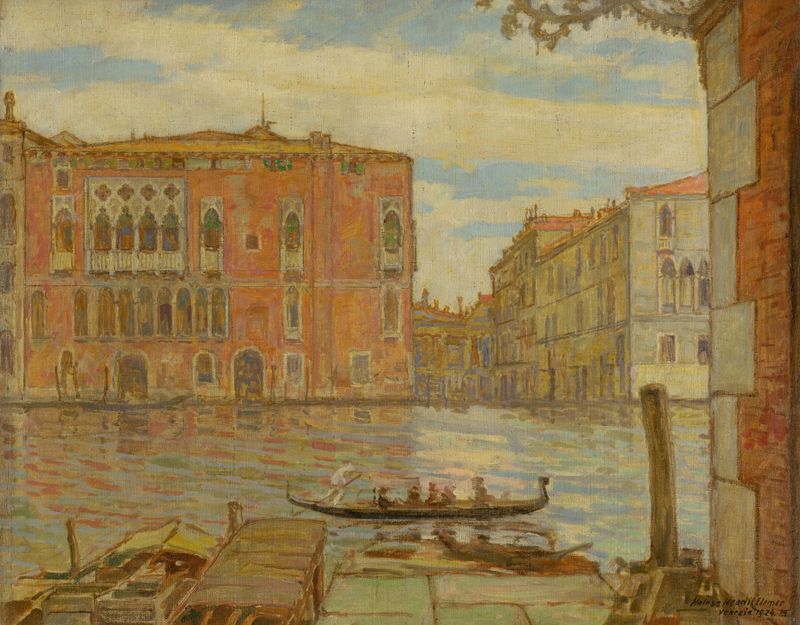
Venice
Elemír Halász-Hradil

To the mountains
Elemír Halász-Hradil

Margecany Mill
Elemír Halász-Hradil

At the Market
Elemír Halász-Hradil





