
Venice — History & Facts
In the quiet moments of stillness, reflections emerge, revealing the depths of what lies beneath the surface. A painting transcends mere visual representation, inviting the viewer to explore the layers of meaning nestled within its composition. Look to the center of the canvas, where the shimmering water captures the essence of twilight. Notice how the light dances upon the surface, with soft blues and muted golds blending together, creating a dreamlike atmosphere.
The lines of the buildings that frame the scene gently curve, guiding the eye inward and emphasizing the tranquil repose of the landscape. Each stroke of the brush tells a story, while the color palette evokes feelings of nostalgia and serenity. Within this enchanting vista, contrasts exist between reality and reflection, motion and stillness. The delicate ripples suggest an unseen breeze, hinting at the passage of time, while the vibrant colors invoke a sense of longing and introspection.
Each element, from the distant figures lingering by the water's edge to the almost ethereal quality of the light, invites contemplation, as if to say: what secrets does Venice hold? Created in the late 19th to early 20th century, this artwork emerged at a time when Denman Waldo Ross was deeply engaged in the American art scene. His exploration of color and form aligned with emerging Impressionist influences, while he simultaneously sought to define a distinctly American sensibility. This period marked a transition in art, reflecting a growing interest in capturing the fleeting nature of beauty — a theme that resonates powerfully in this serene portrayal of Venice.
More Artworks by Denman Waldo Ross
Browse all →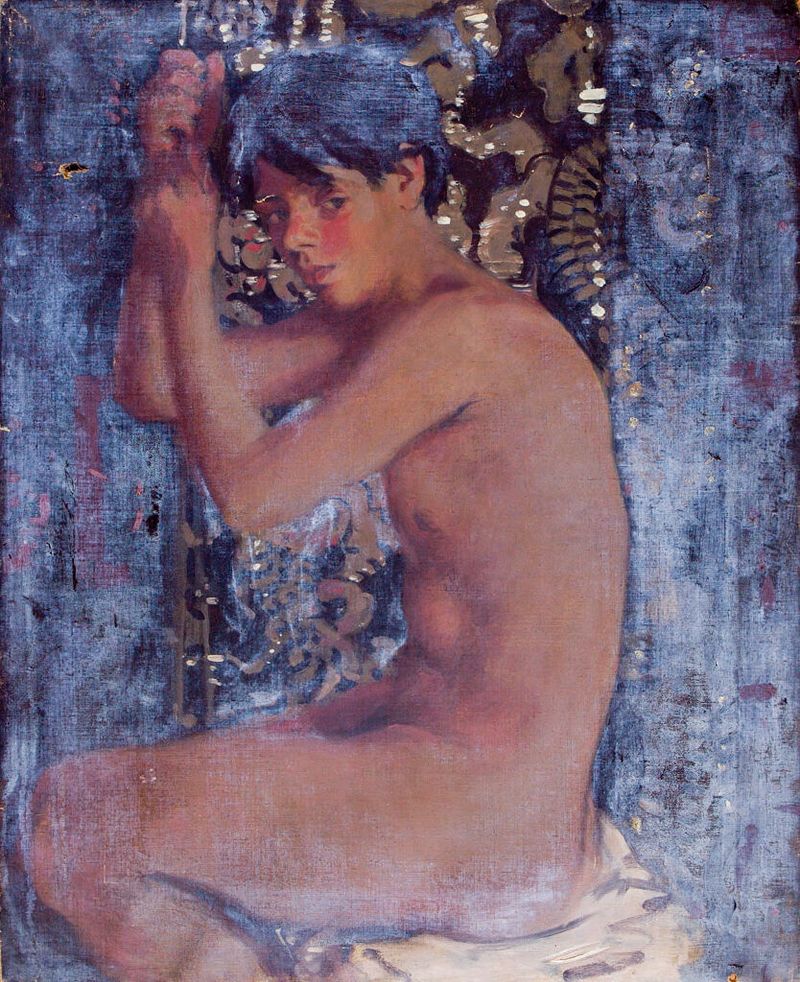
Portrait of a Seated Young Man
Denman Waldo Ross
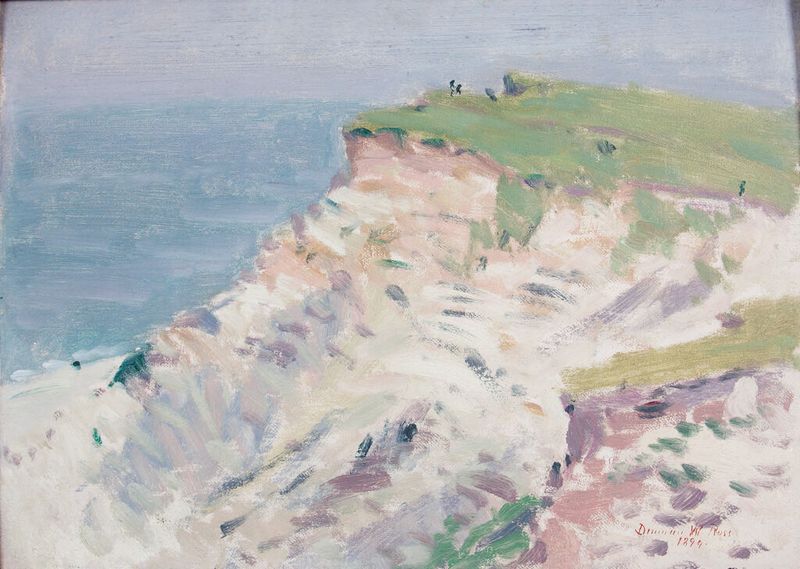
Highland Light, North Truro, Massachusetts
Denman Waldo Ross
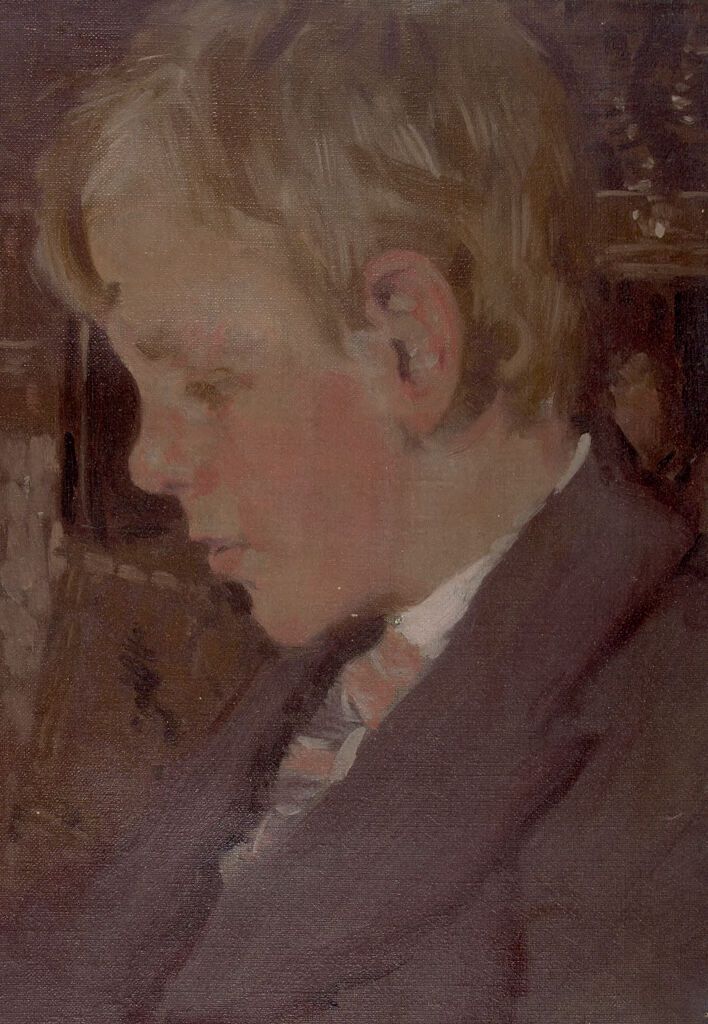
Profile Portrait of a Boy in Suit and Tie
Denman Waldo Ross
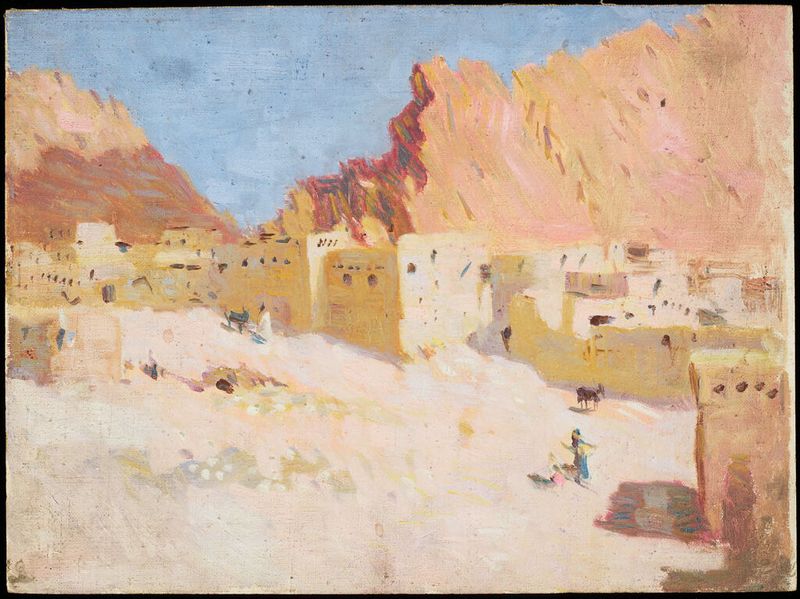
El Kantara, Near Biskra, Algeria
Denman Waldo Ross
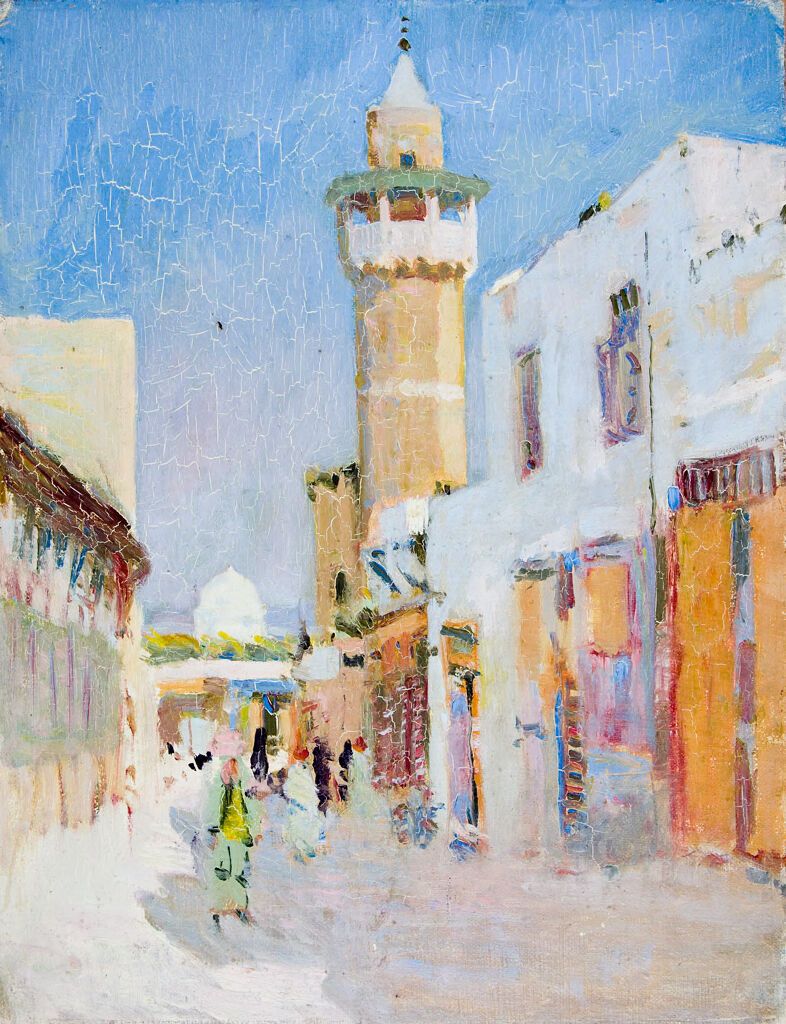
Tunis Street Scene
Denman Waldo Ross
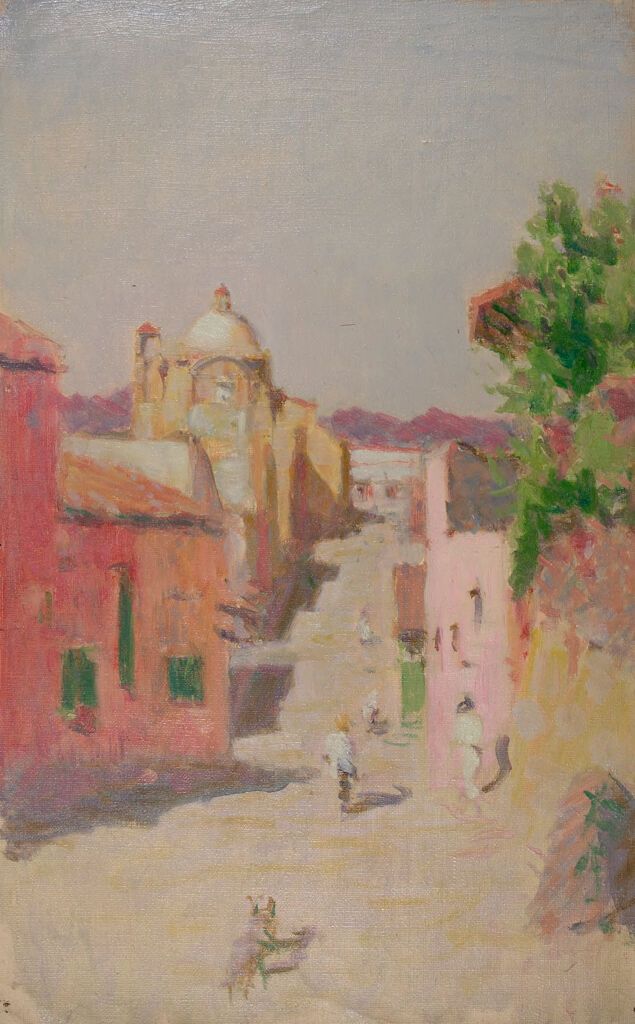
Street Scene with Animal and Figures
Denman Waldo Ross
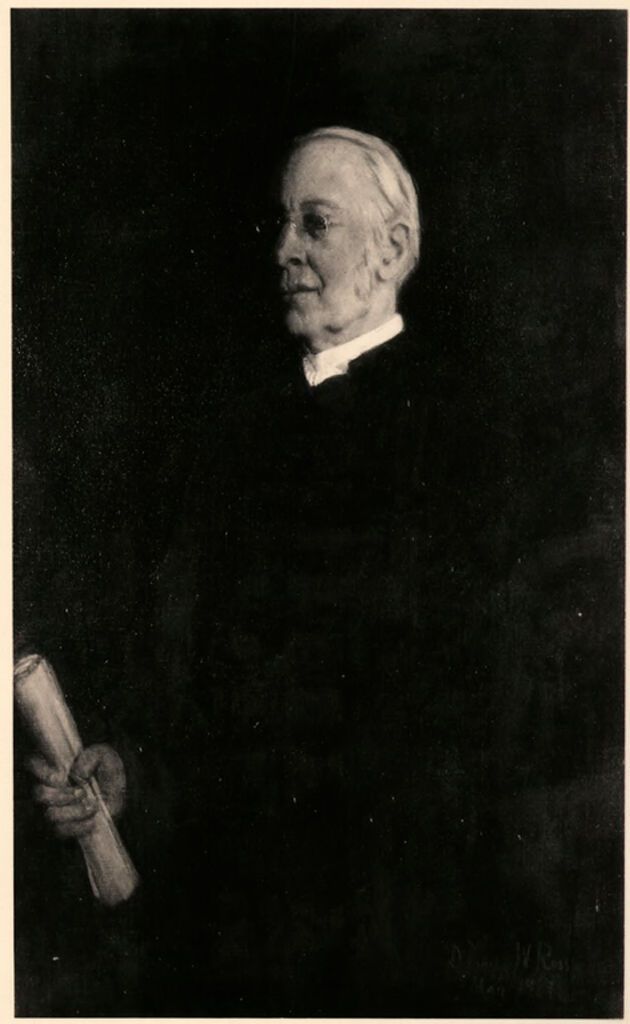
Charles William Eliot (1834-1926)
Denman Waldo Ross
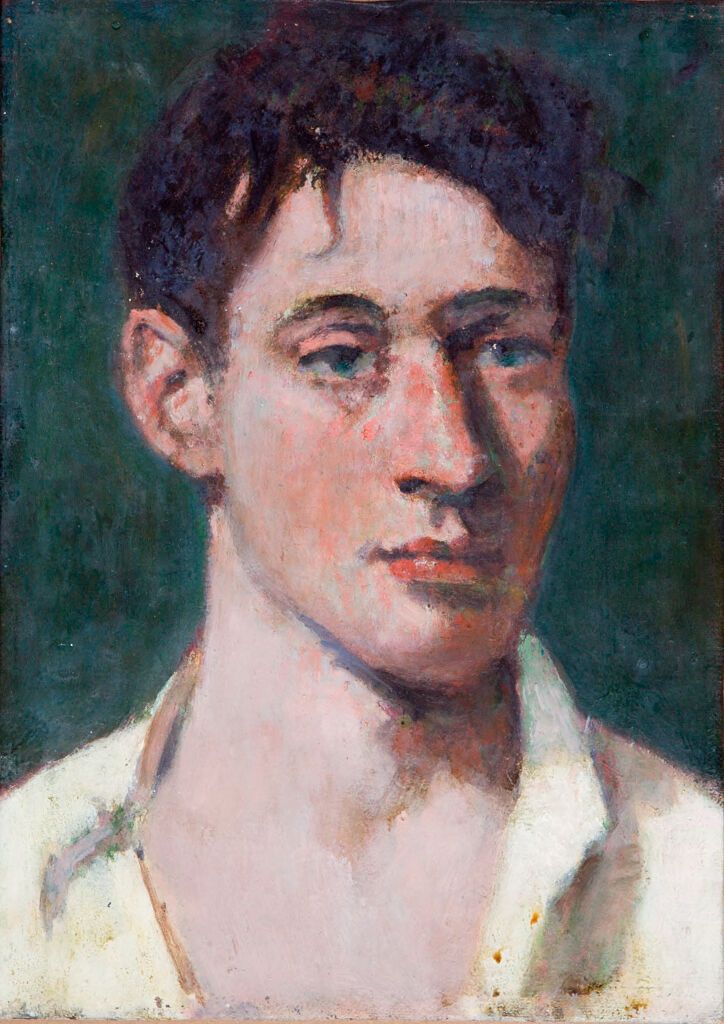
Portrait of a Young Man in White Shirt
Denman Waldo Ross
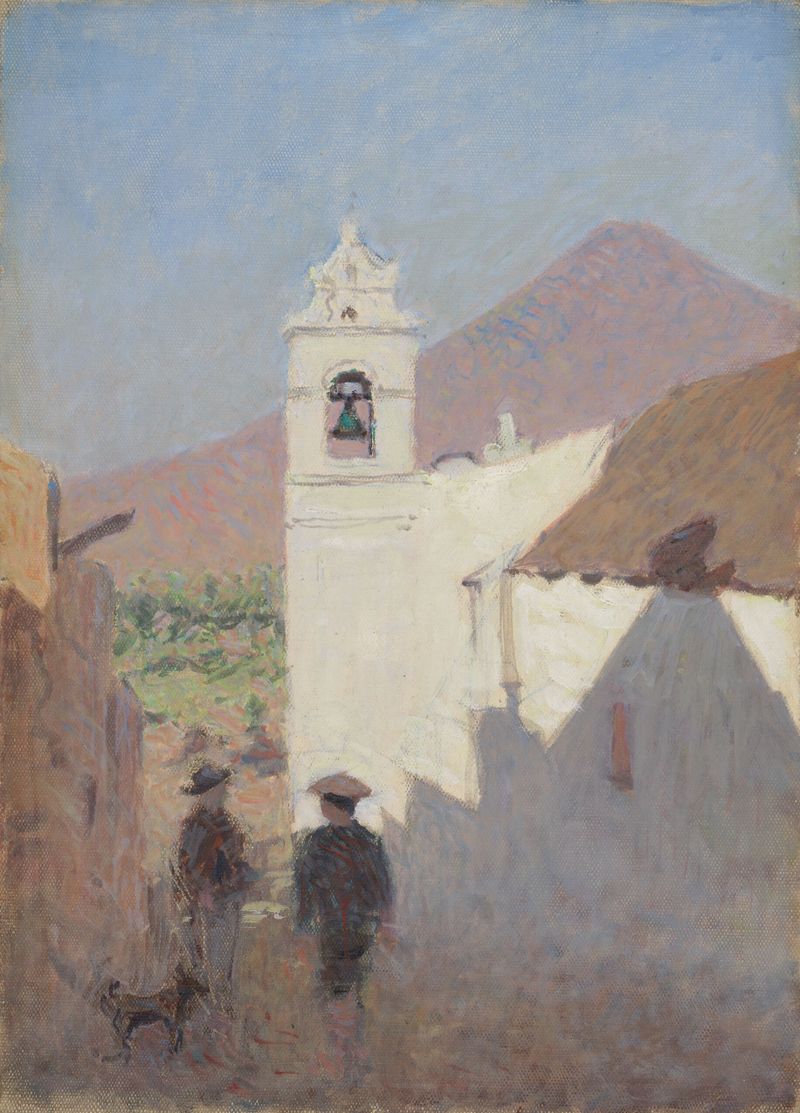
Village Near Arequipa, Peru
Denman Waldo Ross

York Harbor, Maine
Denman Waldo Ross





