
Venice — History & Facts
Could beauty survive in a century of chaos? Focus first on the rippling waters that envelop the lower half of the canvas, where soft blues and greens entwine in a serene dance, capturing the essence of Venice. Notice how the light falls upon the gondolas and their silent passengers, casting delicate reflections that shimmer like whispered secrets. The warm, golden hues of the buildings above beckon the viewer’s gaze, anchored by the contrast of the cool water below, creating a harmonious balance that invites contemplation. As you explore the composition, pay close attention to the interplay of light and shadow, which breathes life into the scene.
Each brushstroke carries a sense of rhythm, emphasizing the architectural elegance of the Venetian facades. Yet, amidst this idyllic representation, hints of turmoil lurk in the edges; the turbulent brushwork near the water's surface suggests an undercurrent of unrest. The juxtaposition of tranquility and potential violence underscores the fragility of beauty, as if the city itself is caught between serenity and the chaos that history often brings. Painted during the late 19th to early 20th century, Ross found himself in an era marked by both artistic innovation and societal upheaval.
In a world rapidly shifting due to industrialization and global conflict, his depiction of Venice becomes a poignant testament to the resilience of beauty in the face of impending chaos. This piece not only reflects his skill as an artist but also captures the spirit of a time when the idyllic splendor of cities was often overshadowed by the shadows of history.
More Artworks by Denman Waldo Ross
Browse all →
Portrait of a Seated Young Man
Denman Waldo Ross
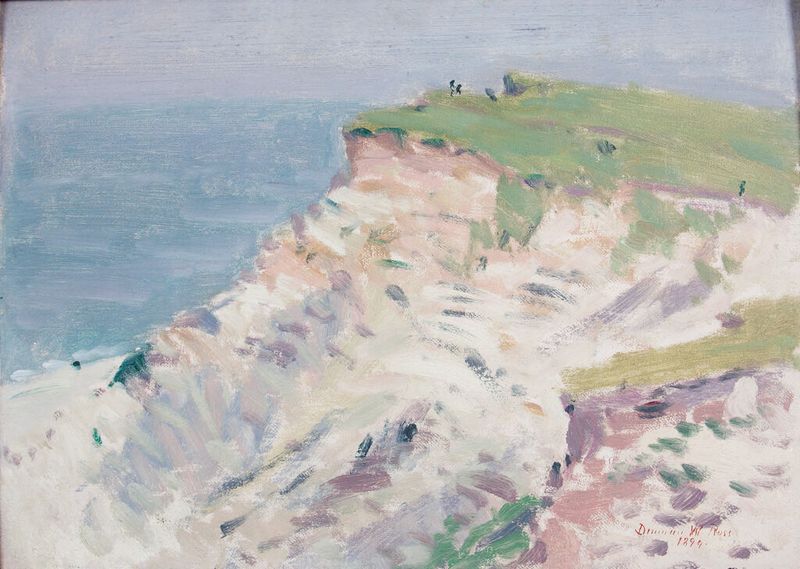
Highland Light, North Truro, Massachusetts
Denman Waldo Ross
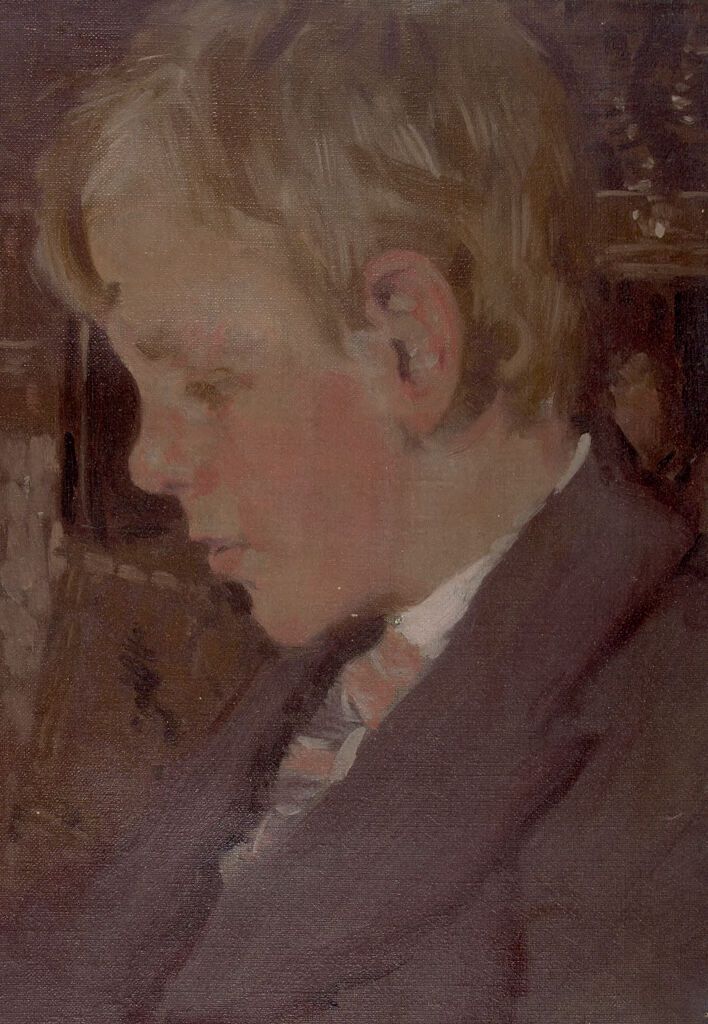
Profile Portrait of a Boy in Suit and Tie
Denman Waldo Ross
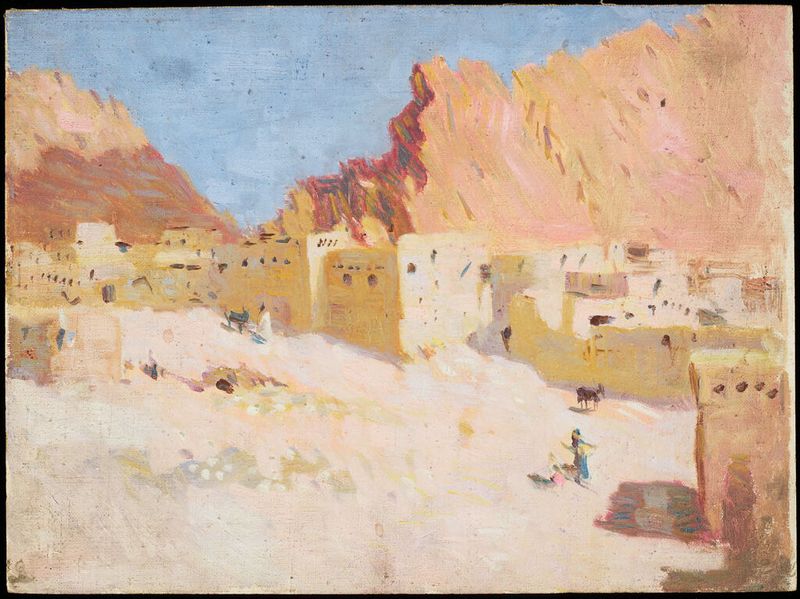
El Kantara, Near Biskra, Algeria
Denman Waldo Ross
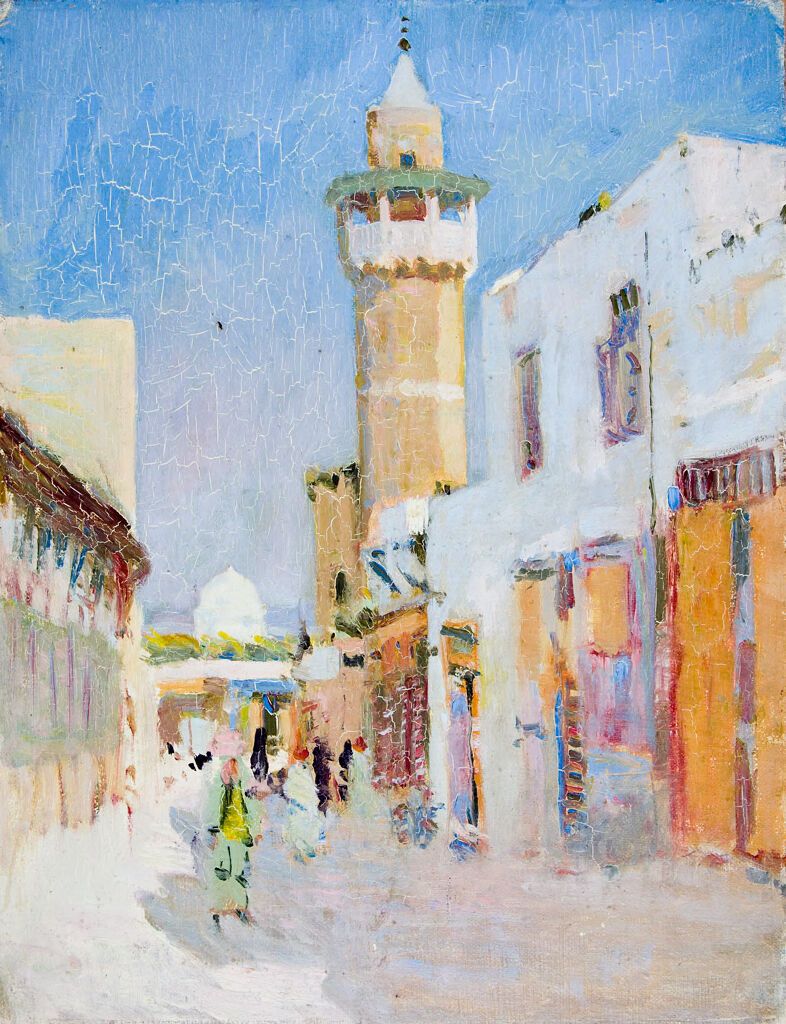
Tunis Street Scene
Denman Waldo Ross
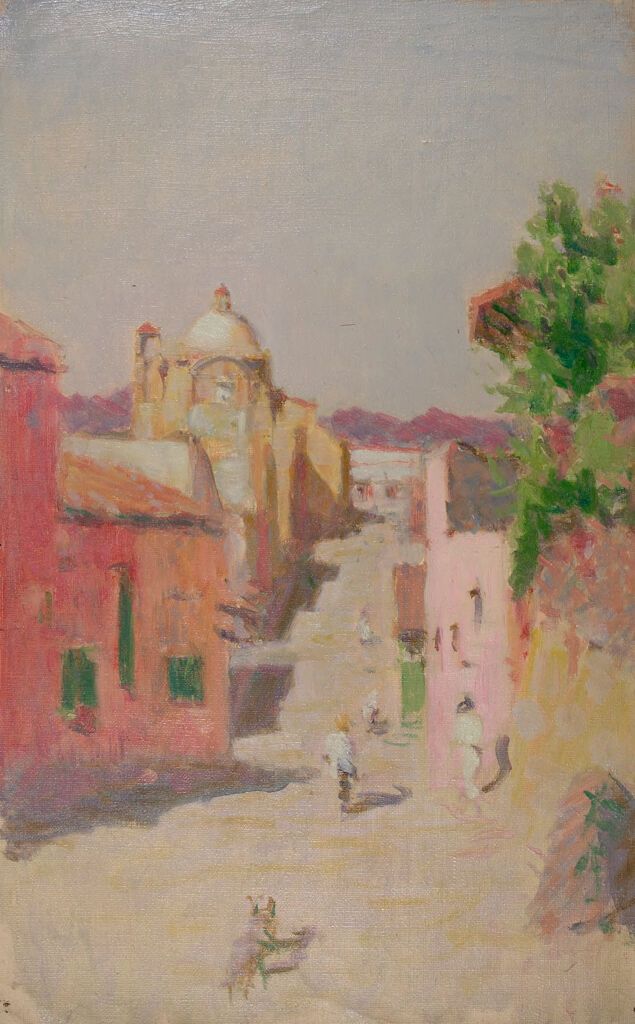
Street Scene with Animal and Figures
Denman Waldo Ross
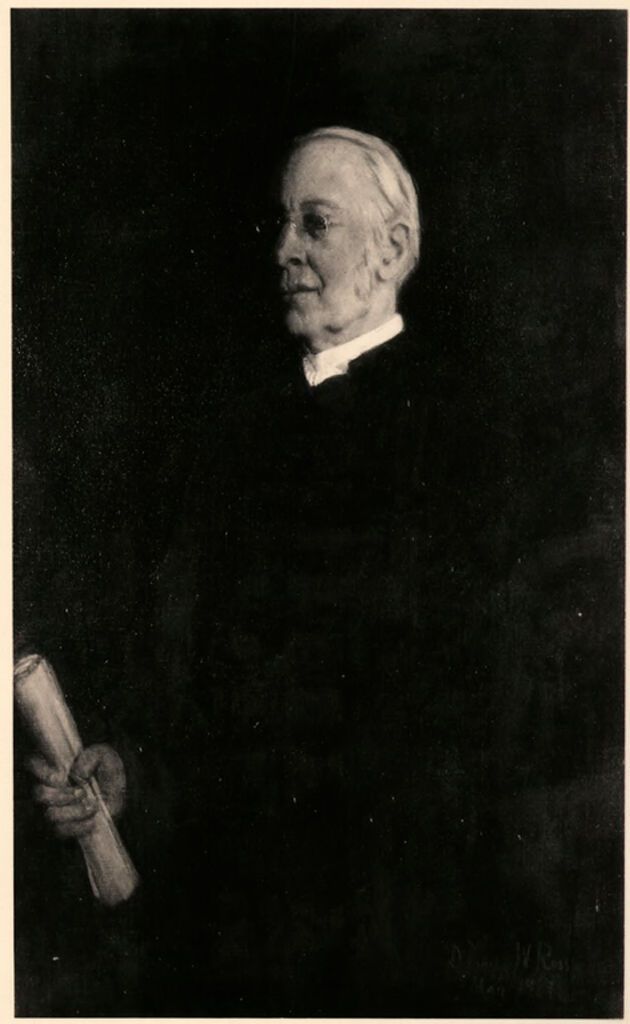
Charles William Eliot (1834-1926)
Denman Waldo Ross
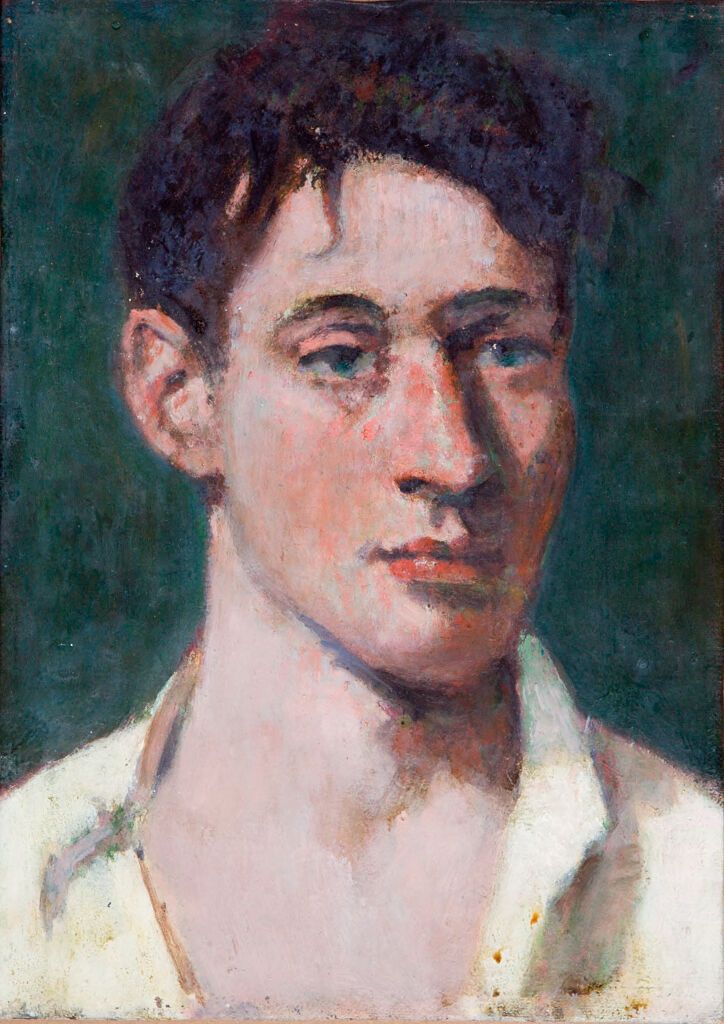
Portrait of a Young Man in White Shirt
Denman Waldo Ross
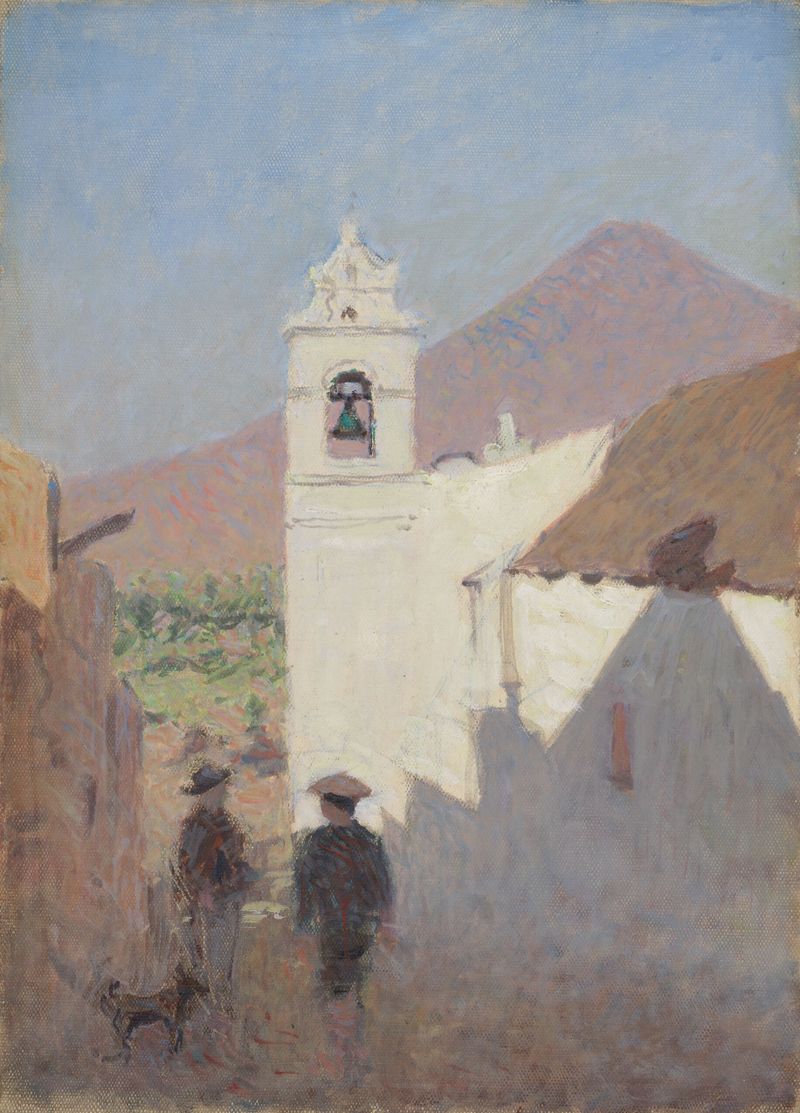
Village Near Arequipa, Peru
Denman Waldo Ross

York Harbor, Maine
Denman Waldo Ross





