
Venice, the Grand Canal from the Palazzo Dolfin-Manin to the Rialto Bridge — History & Facts
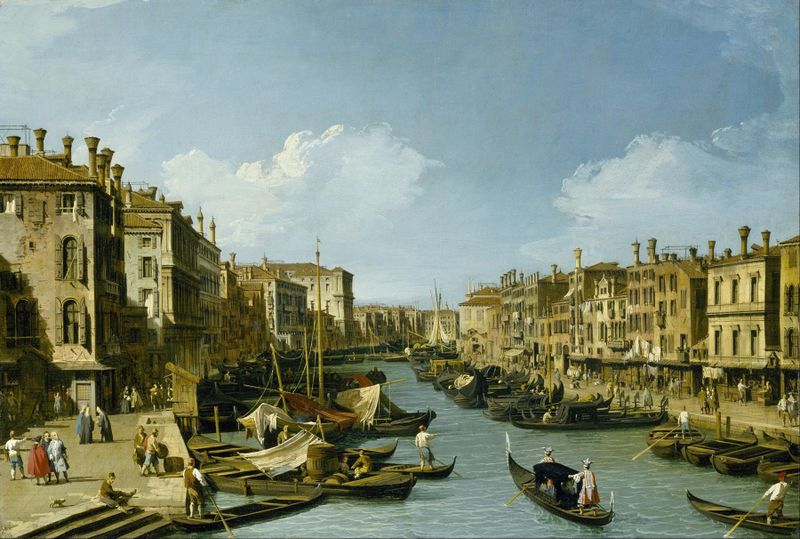
When did color learn to lie? Beneath the clear, radiant blues and greens, a breathtaking illusion reveals Venice in all its grandeur, a city that seems to float between dreams and reality. Look to the left, where the Palazzo Dolfin-Manin stands proudly, its ornate façade glistening under the sun. Notice the interplay of warm golden light reflecting off the canal's surface, rippling like the laughter of passersby. To the right, the iconic Rialto Bridge arches gracefully, its stone structure a strong contrast to the delicate boats bobbing in the water.
Each brushstroke contributes to a meticulous composition, with vibrant hues capturing the spirit of the city and its dynamic life. Delve deeper into the scene, and you may notice the careful arrangement of figures, each engaged in their own stories. The gentle movement of gondolas hints at the intimate relationship between the vessels and the water, symbolizing the profound connection between the people and their environment. The juxtaposition of the sturdy architecture against the fluidity of the canal evokes a sense of harmony, while the distant skyline teeters on the brink of reality, drawing the viewer into a dreamlike reverie. Canaletto painted this masterpiece around 1740 to 1750, during a period when he was solidifying his reputation as a leading Venetian view painter.
Living in a time of cultural flourishing in Europe, he responded to the growing interest in landscapes and cityscapes among affluent patrons. The world of art was evolving rapidly, and his work played a crucial role in defining the genre of veduta, capturing both the essence of Venice and the enchanting allure that continues to captivate admirers today.
More Artworks by Canaletto
Browse all →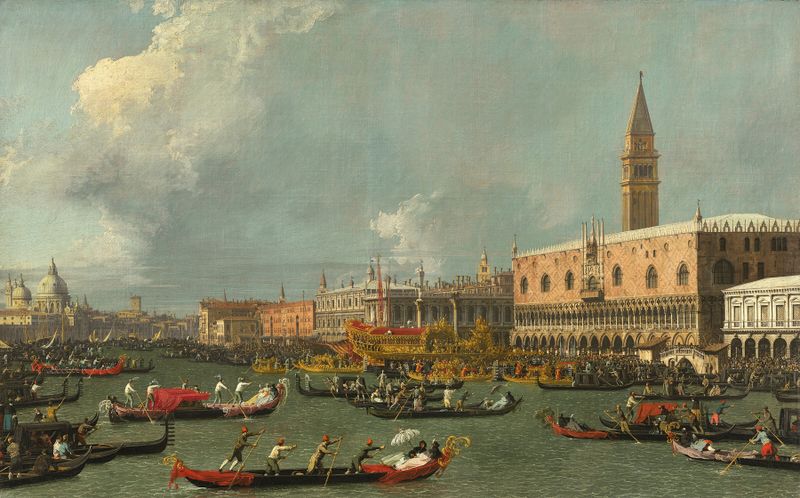
Venice, the Return of the Bucintoro on Ascension Day
Canaletto
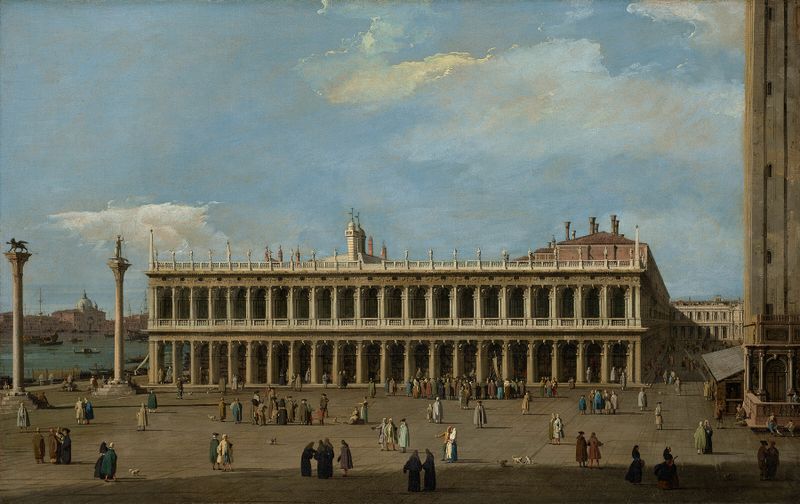
Venice, the Piazzetta, looking west, with the Libreria
Canaletto
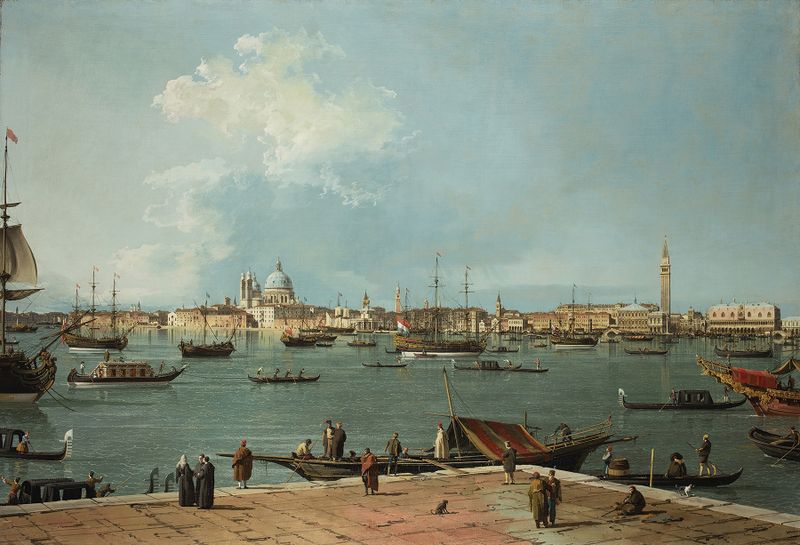
Venice, the Bacino di San Marco from San Giorgio Maggiore
Canaletto
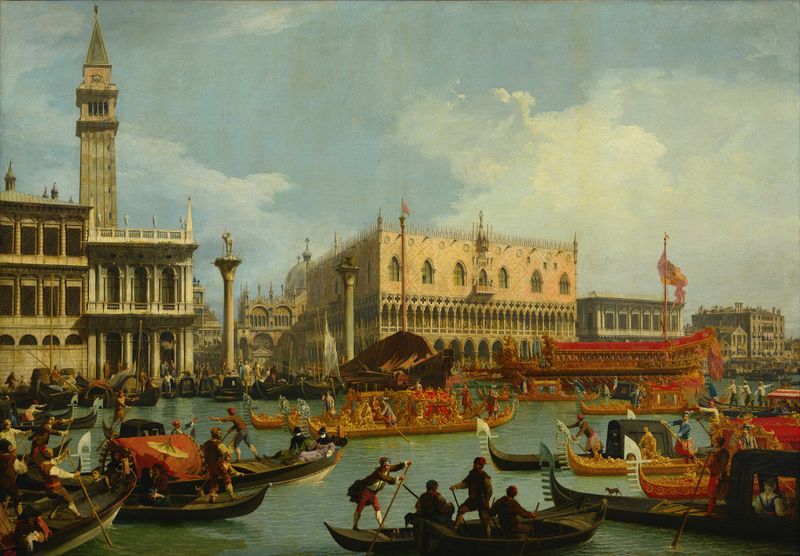
The Bucintore Returning to the Molo on Ascension Day
Canaletto
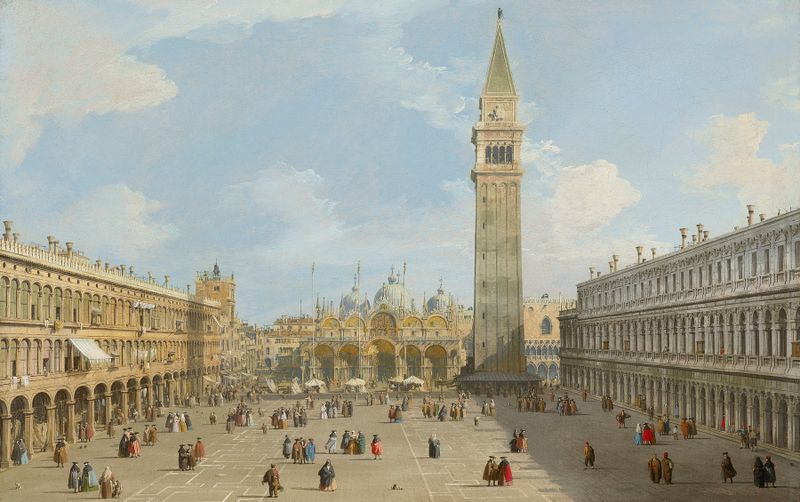
The Piazza San Marco, Venice, looking east towards the basilica
Canaletto
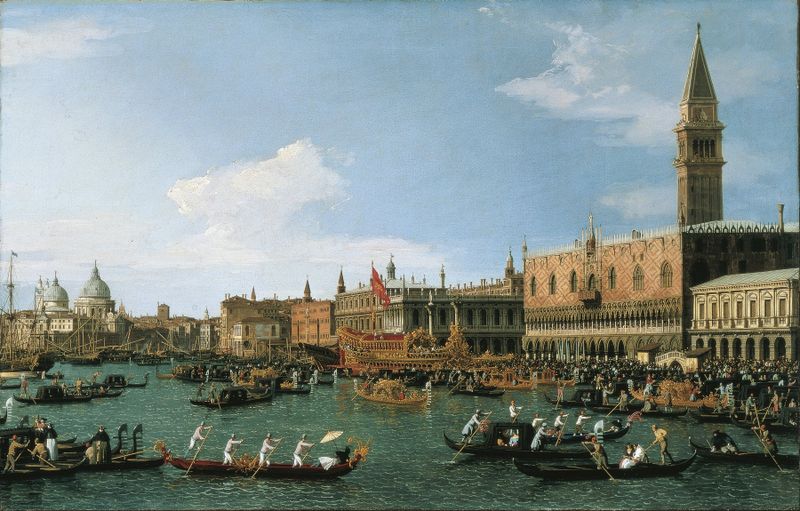
Return of ‘Il Bucintoro’ on Ascension Day
Canaletto
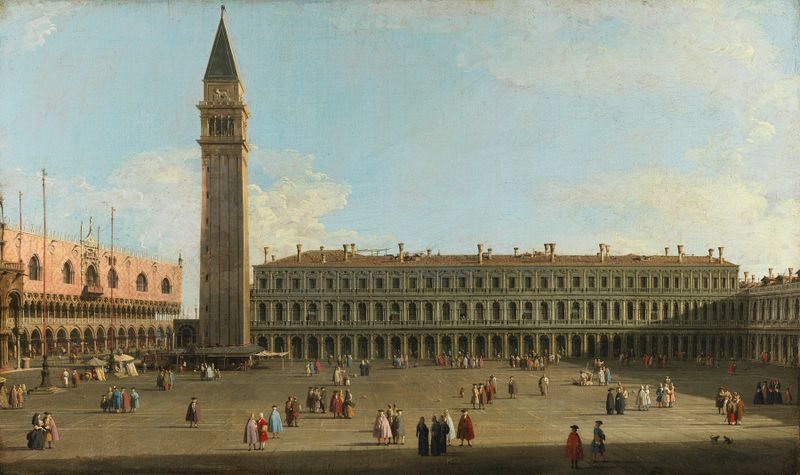
Saint Mark’s Square, Venice
Canaletto
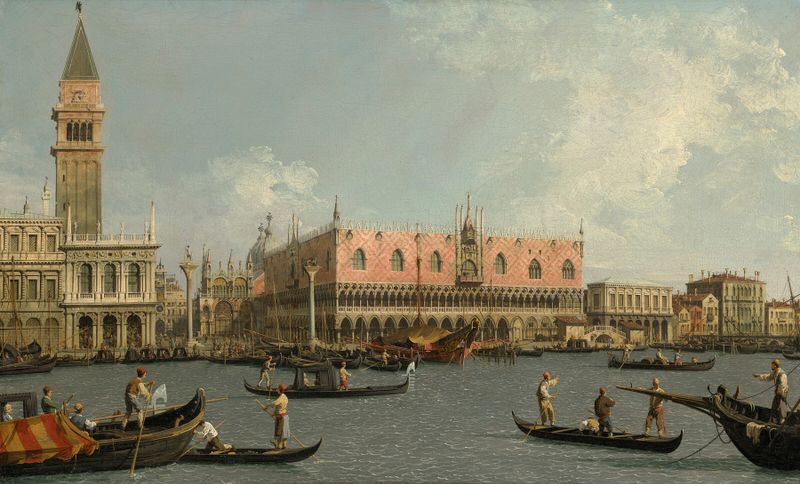
The Molo, with the Piazzetta and the Doge’s Palace, from the Bacino
Canaletto

The Entrance to the Grand Canal, Venice
Canaletto
The Grand Canal near the Rialto Bridge, Venice
Canaletto





