
Venice, the Grand Canal looking East with Santa Maria della Salute — History & Facts
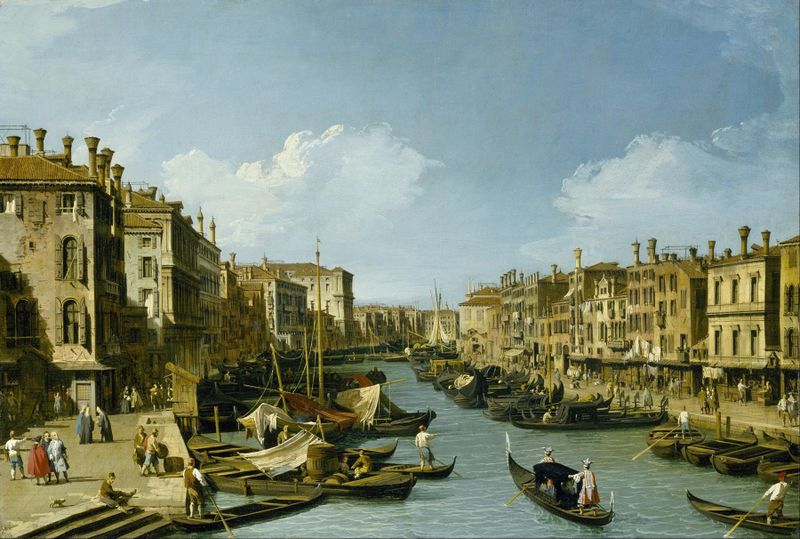
Can beauty exist without sorrow? In the delicate dance of light upon the waters of the Grand Canal, joy and melancholy intertwine, revealing the transient nature of our existence. Look to the left, where the iconic silhouette of Santa Maria della Salute rises majestically against the azure sky. The interplay of soft blues and warm ochres captures the time of day, perhaps dusk or dawn, inviting contemplation. The shimmering reflections in the canal, painted with meticulous precision, guide your gaze across the scene, revealing bustling gondolas and leisurely figures that pulse with life.
Notice the architectural grandeur, enhanced by the artist's keen eye for detail, where each window and archway tells its own story. In this canvas, contrasts emerge — the stillness of the water juxtaposed with the animated figures, embodying the tension of human experience. The grandeur of the church looms over the transient lives below, symbolizing both sacredness and the impermanence of daily life. Each brushstroke seems to echo the idea that beauty, while captivating, carries the weight of time, suggesting that even in moments of splendor, there exists an undercurrent of longing. During the time Venice, the Grand Canal looking East with Santa Maria della Salute was painted, Canaletto found himself in a vibrant Venice, where the art of the Baroque was flourishing.
The exact date remains uncertain, but the 18th century marked his rise as a leading figure in vedute, or urban landscape paintings. At this moment, Europe was experiencing an artistic shift, with an increasing interest in realism and the everyday beauty of life, which the artist adeptly captured, imbuing his work with a sense of longing for both the present and the past.
More Artworks by Canaletto
Browse all →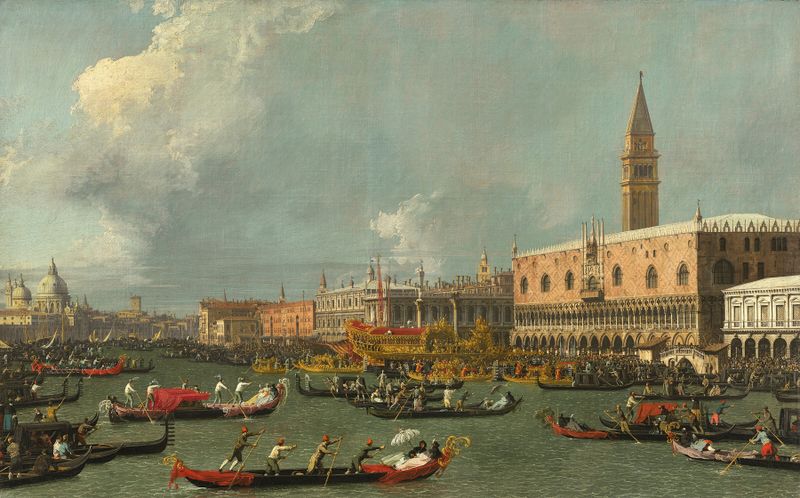
Venice, the Return of the Bucintoro on Ascension Day
Canaletto
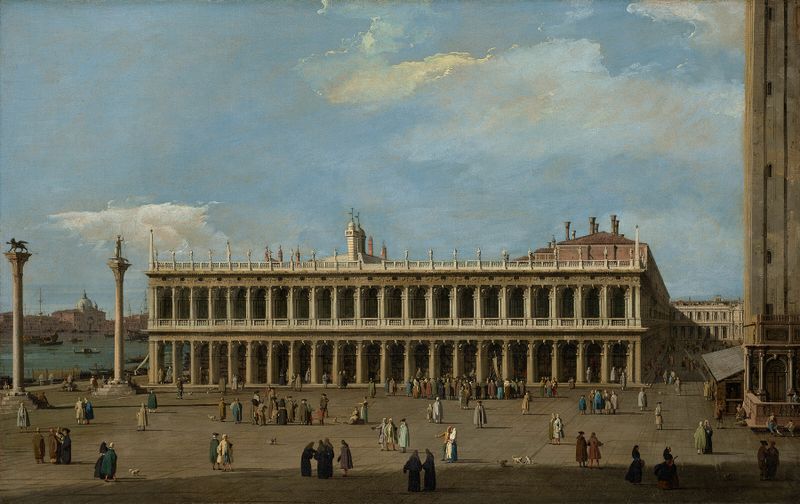
Venice, the Piazzetta, looking west, with the Libreria
Canaletto
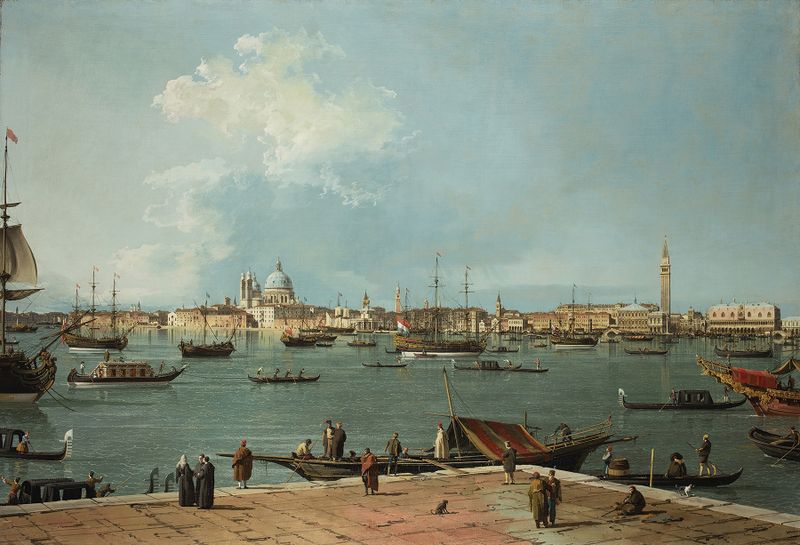
Venice, the Bacino di San Marco from San Giorgio Maggiore
Canaletto
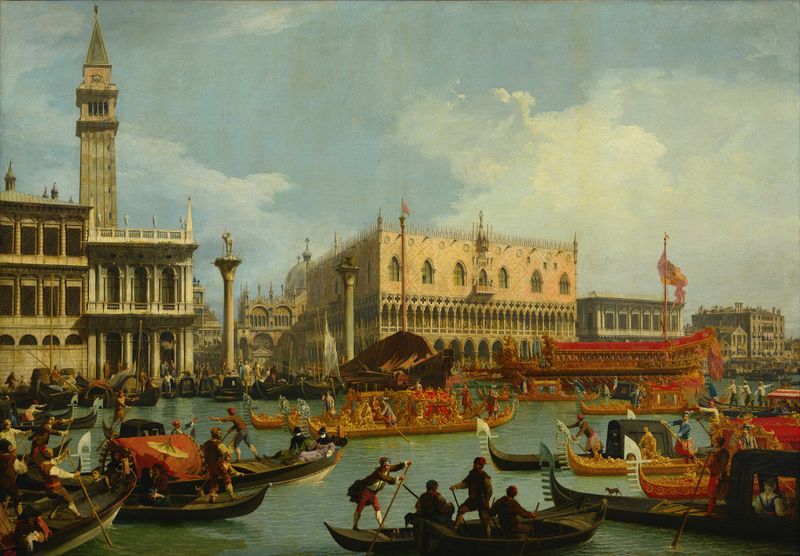
The Bucintore Returning to the Molo on Ascension Day
Canaletto
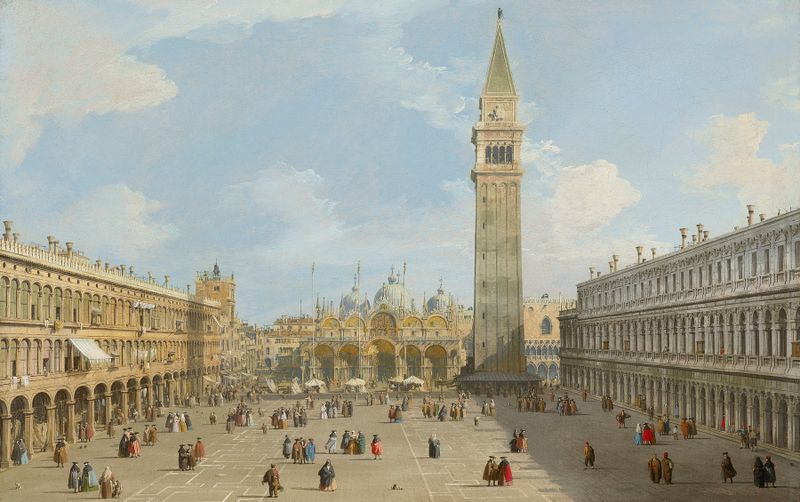
The Piazza San Marco, Venice, looking east towards the basilica
Canaletto
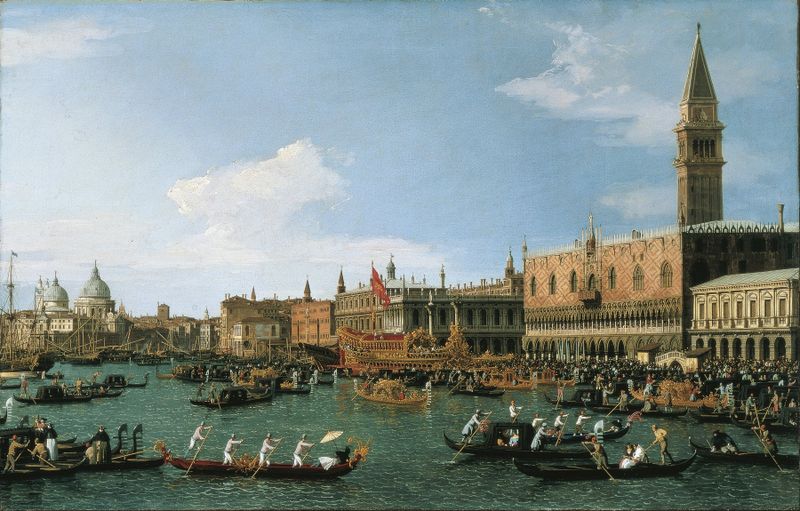
Return of ‘Il Bucintoro’ on Ascension Day
Canaletto
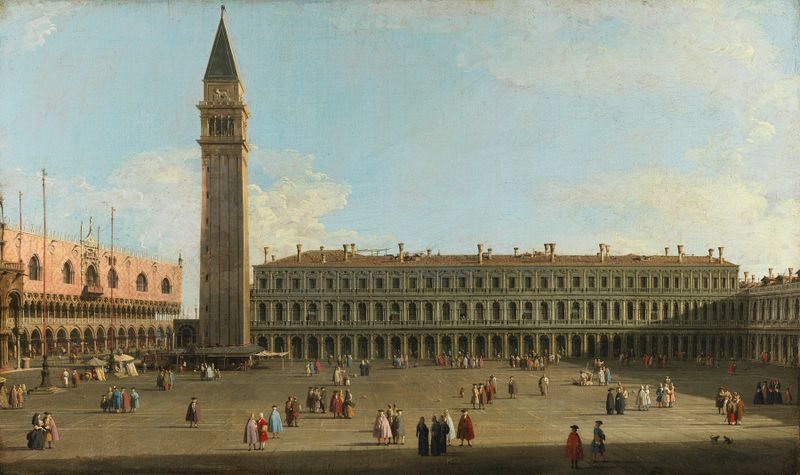
Saint Mark’s Square, Venice
Canaletto
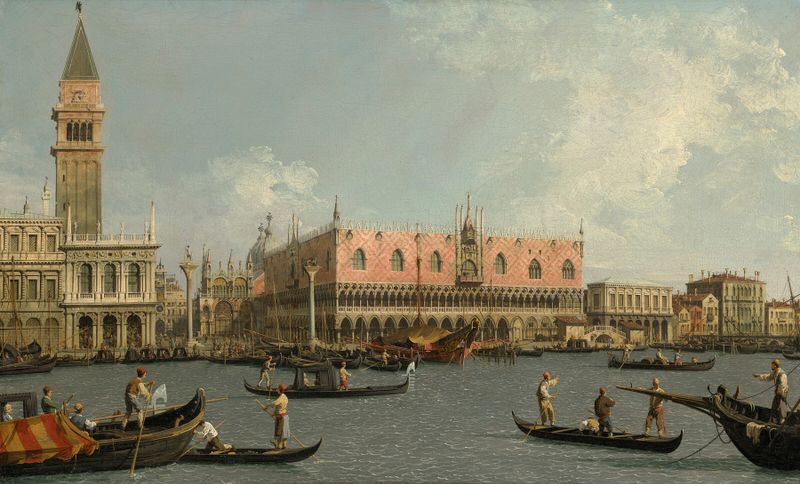
The Molo, with the Piazzetta and the Doge’s Palace, from the Bacino
Canaletto

The Entrance to the Grand Canal, Venice
Canaletto
The Grand Canal near the Rialto Bridge, Venice
Canaletto





