
Venus in the Grotto — History & Facts
In Venus in the Grotto, Koloman Moser presents a lush, verdant setting where the goddess Venus is depicted. The colors are rich and vibrant, with deep greens and soft pastels that create a serene atmosphere. Venus is shown reclining gracefully, surrounded by foliage and flowers, emphasizing her connection to nature.
The overall composition invites the viewer into a tranquil and enchanting world. The painting is characterized by Moser's distinctive Art Nouveau style, evident in the flowing lines and organic forms. The use of oil on canvas allows for a smooth blending of colors, enhancing the naturalistic elements of the scene. The intricate details in the flora surrounding Venus showcase Moser's attention to decorative patterns and textures.
This work exemplifies the elegance and harmony typical of the Art Nouveau movement. Koloman Moser was a prominent figure in the Vienna Secession movement, known for his contributions to design and decorative arts. 'Venus in the Grotto' reflects his fascination with mythological themes and the beauty of nature. Interestingly, this work showcases Moser's ability to merge fine art with decorative elements, making it a unique piece in his oeuvre.
His influence extends beyond painting, impacting graphic design and architecture in early 20th-century Austria.
More Artworks by Koloman Moser

Butterfly
Koloman Moser
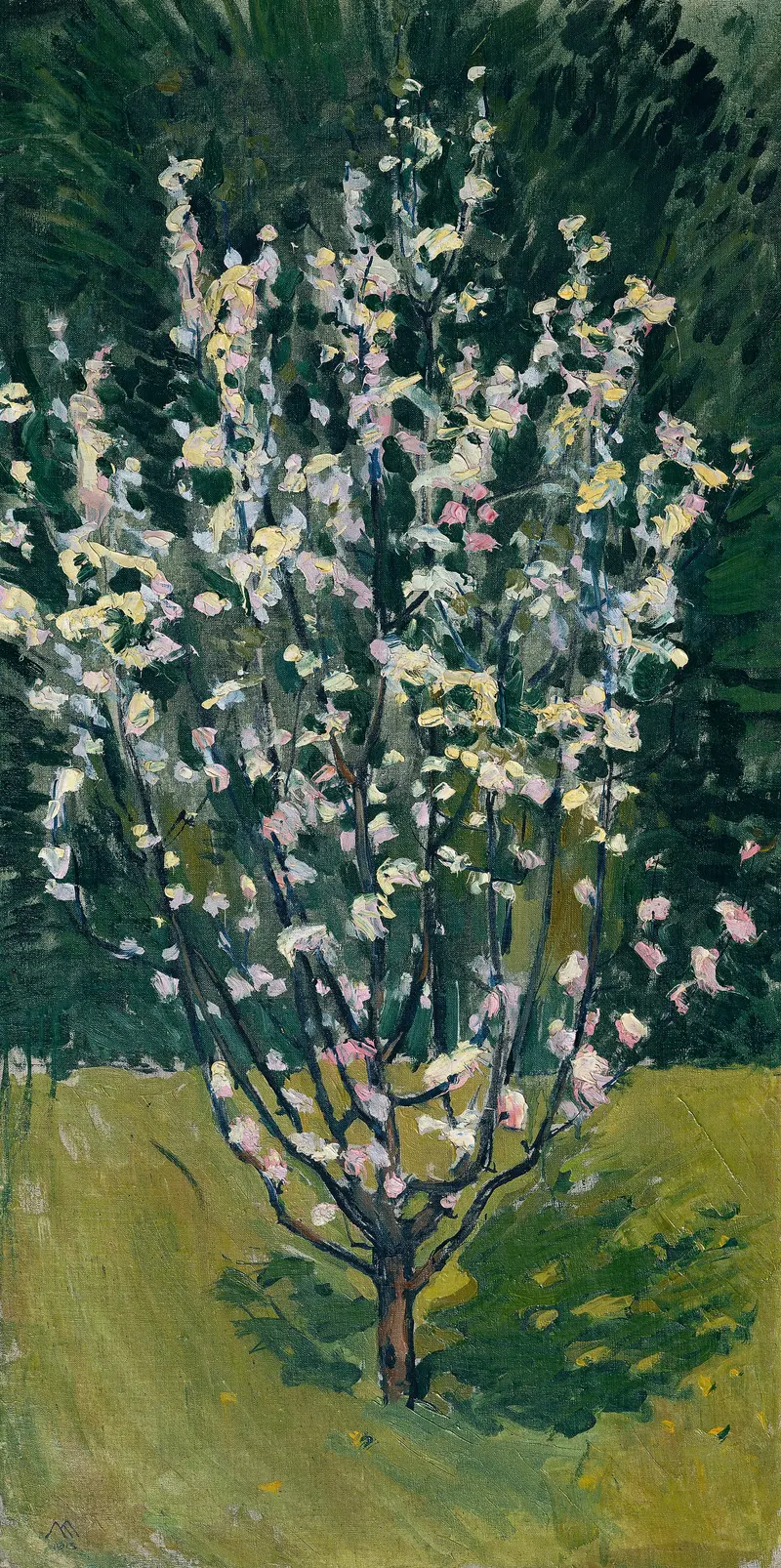
Blühendes Bäumchen
Koloman Moser
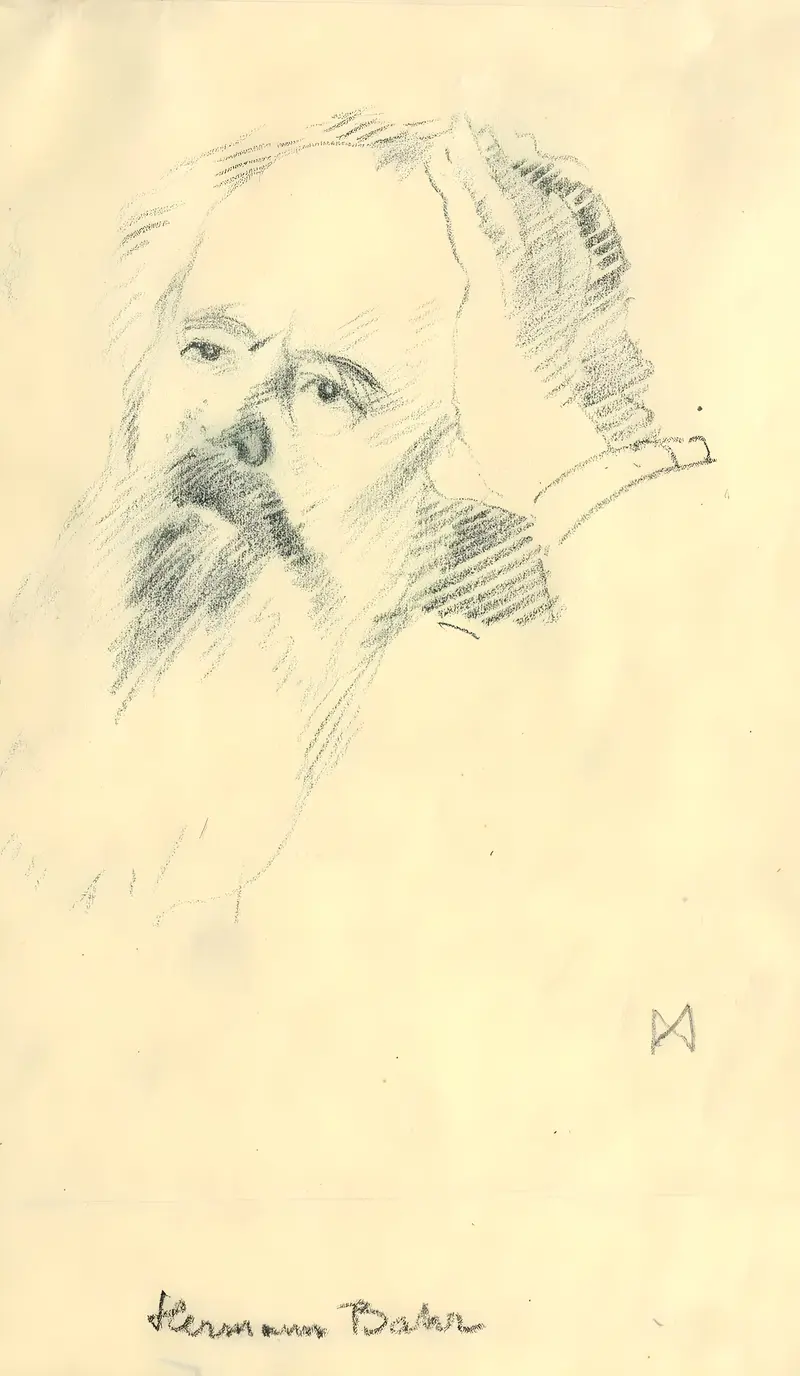
Porträt Hermann Bahr
Koloman Moser

Lesendes Mädchen
Koloman Moser

Liebespaar
Koloman Moser
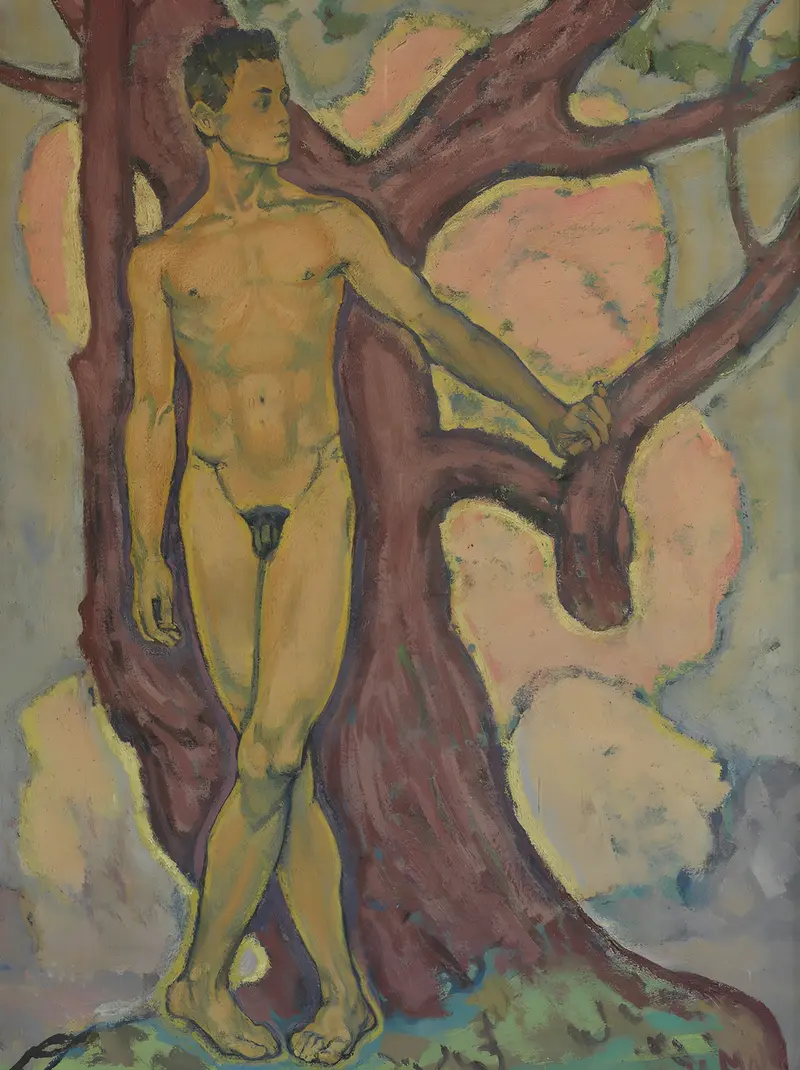
Allegorie Jüngling
Koloman Moser
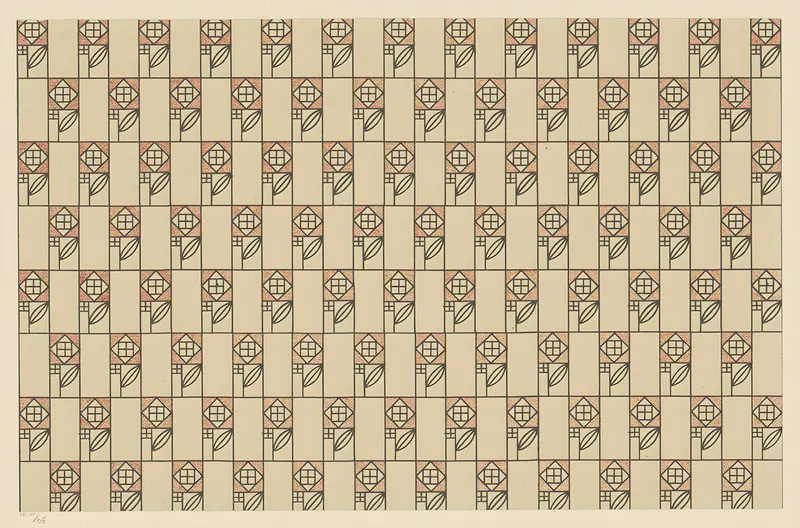
Einwickelpapier der Wiener Werkstätte mit Rosenmarke
Koloman Moser
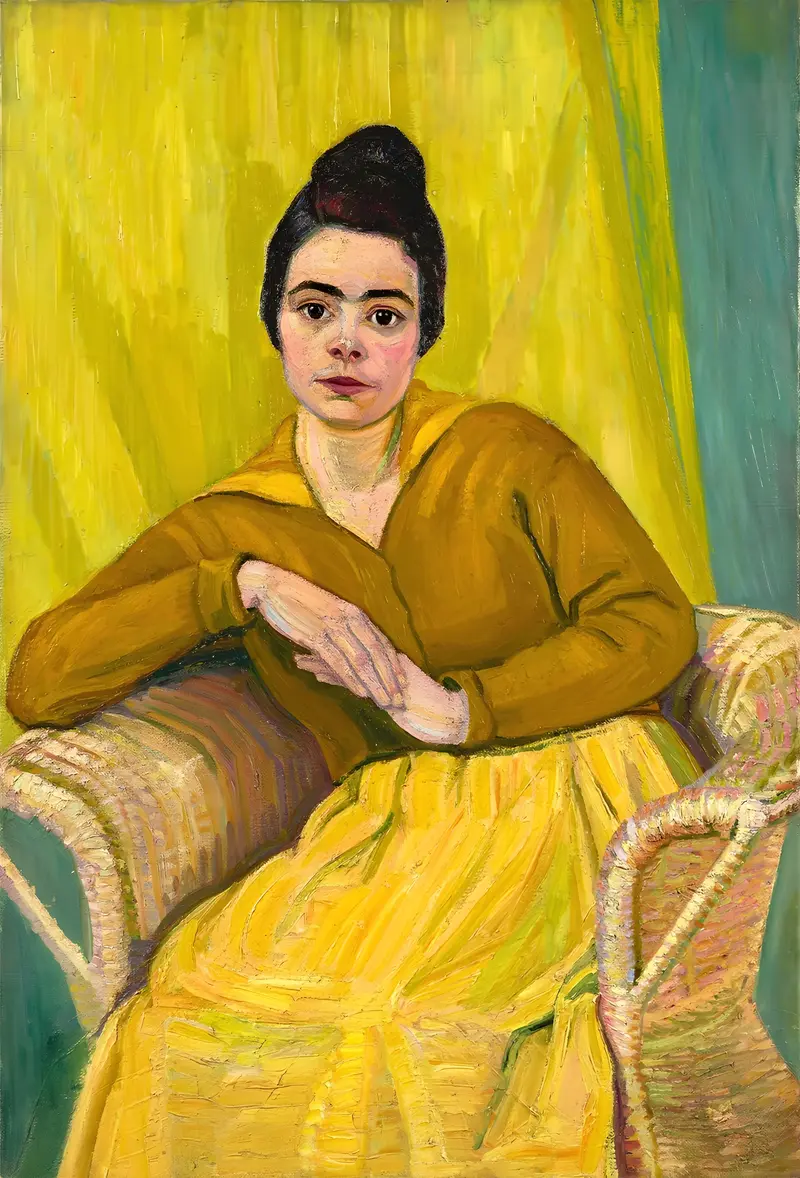
Sitzende Dame im Korbstuhl
Koloman Moser
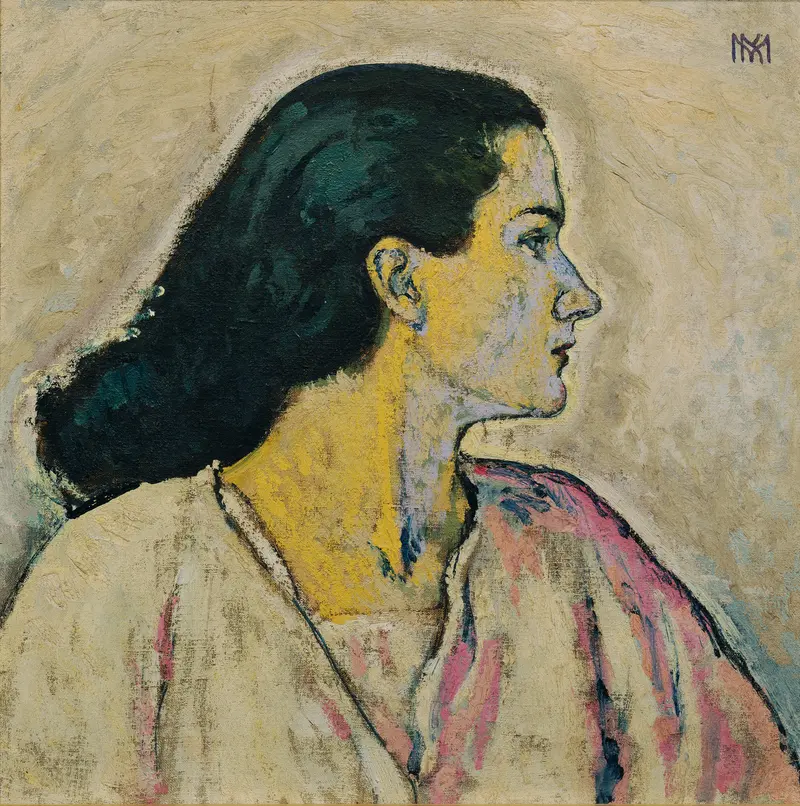
Frauenbildnis im Profil
Koloman Moser
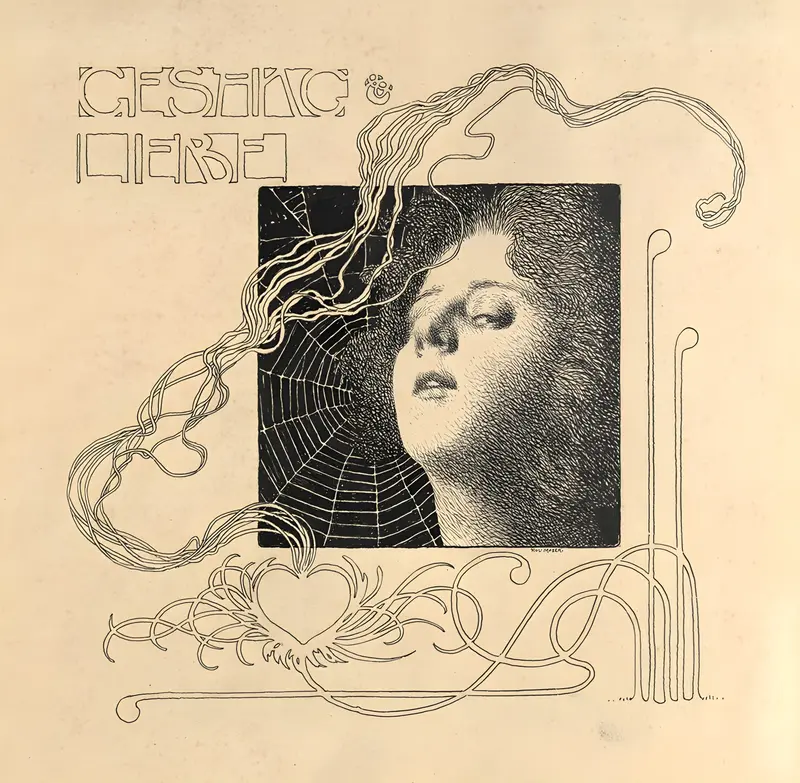
Gesang – Liebe
Koloman Moser





