
Venus von Willendorf — History & Facts
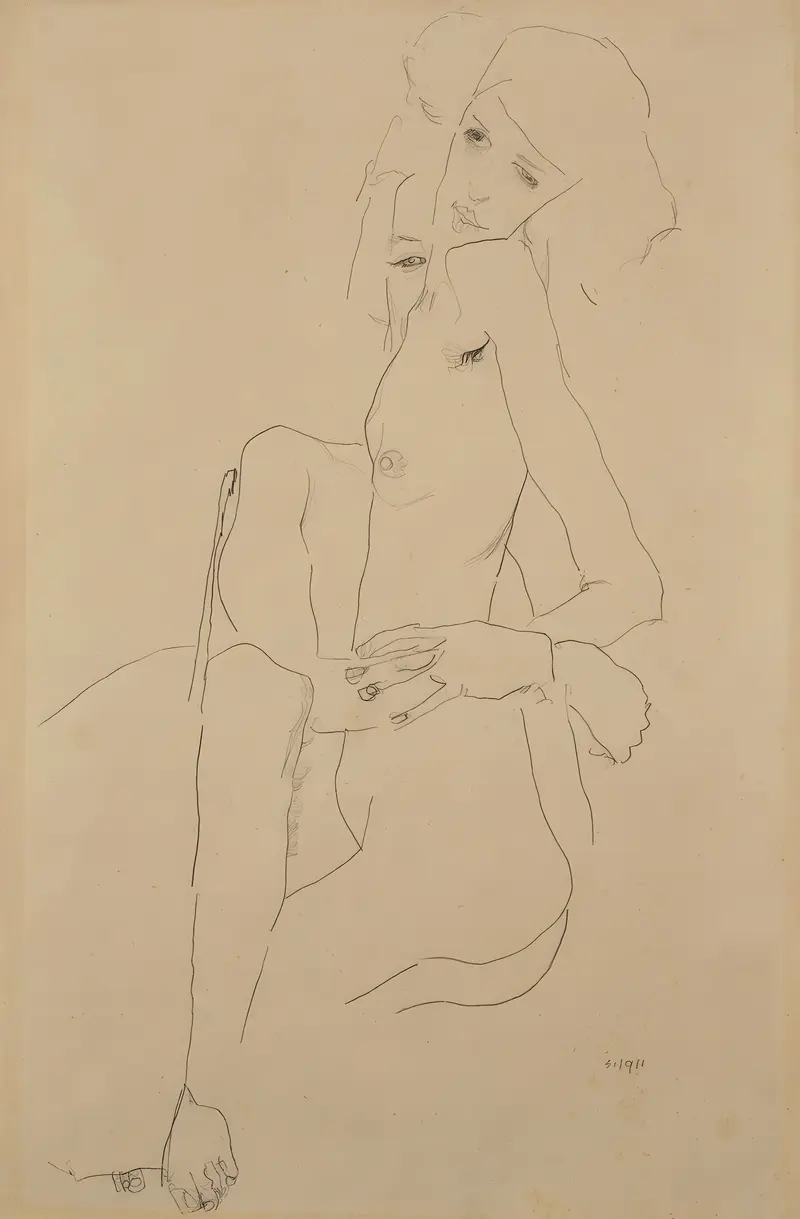
In Venus von Willendorf, Egon Schiele presents a stylized figure of a woman, characterized by exaggerated curves and a lack of facial detail. The colors are muted, primarily featuring earthy tones of browns and greens, which evoke a sense of ancient history. The figure stands prominently against a plain background, emphasizing its form and volume.
This approach creates a striking contrast between the figure and the surrounding space. The painting employs oil on canvas, a medium that allows for rich texture and depth in the colors. Schiele's brushwork is expressive, with visible strokes that add to the emotional intensity of the piece. The dimensions are approximately 50 x 70 cm, making it a relatively medium-sized work that draws the viewer in.
The lack of intricate background details directs focus solely on the figure itself. Egon Schiele was an Austrian painter known for his distinctive style that combined elements of Expressionism and figurative art. This work, created in the early 1910s, reflects his fascination with the human form and its emotional expression. Interestingly, the painting reinterprets the prehistoric Venus figurine, linking modern art with ancient symbols of femininity.
Schiele's bold approach to form and color continues to influence contemporary artists today.
More Artworks by Egon Schiele

Lovers
Egon Schiele
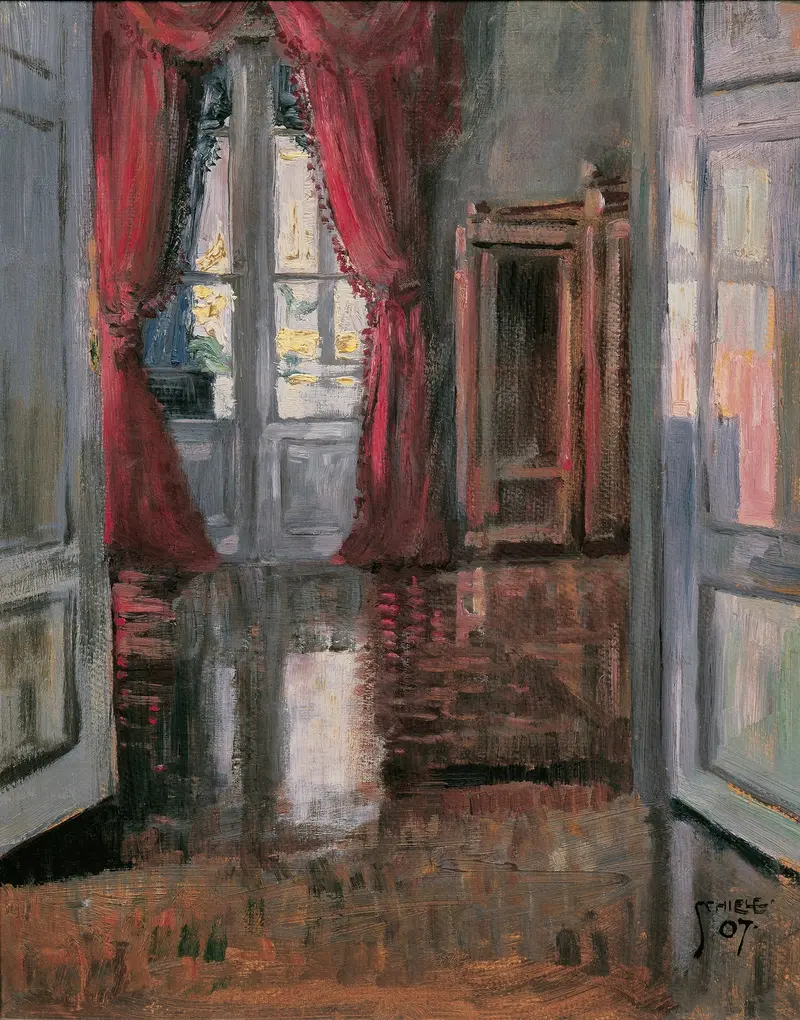
Blick in die Wohnung von Leopold und Marie Czihaczek
Egon Schiele
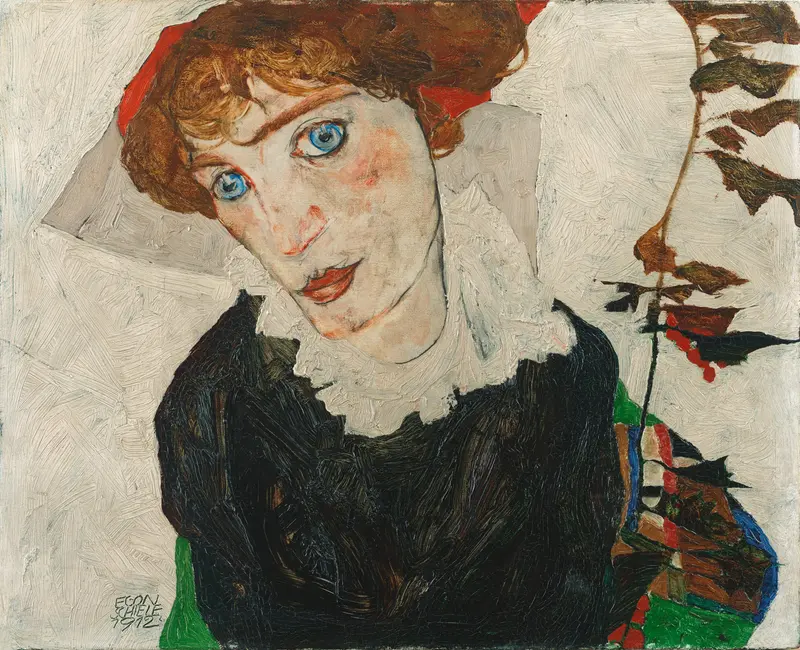
Portrait Of Wally Neuzil
Egon Schiele
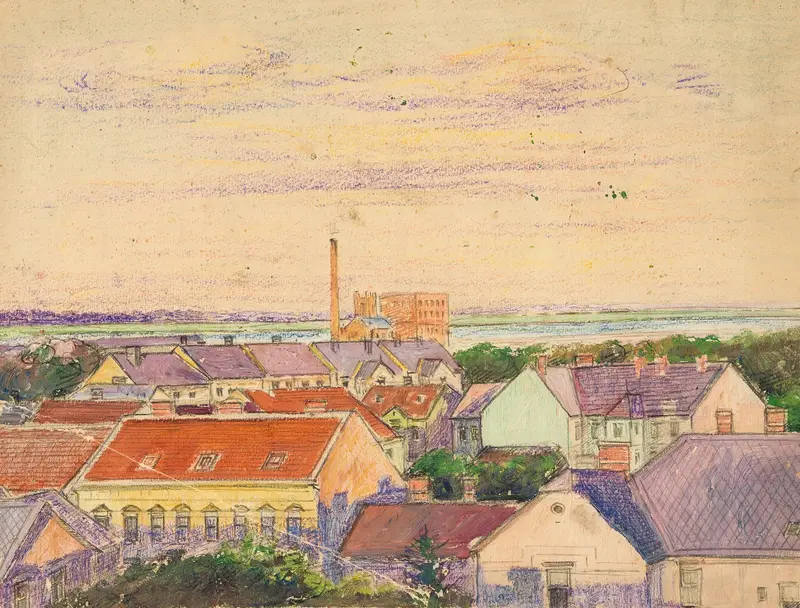
Stadtansicht
Egon Schiele
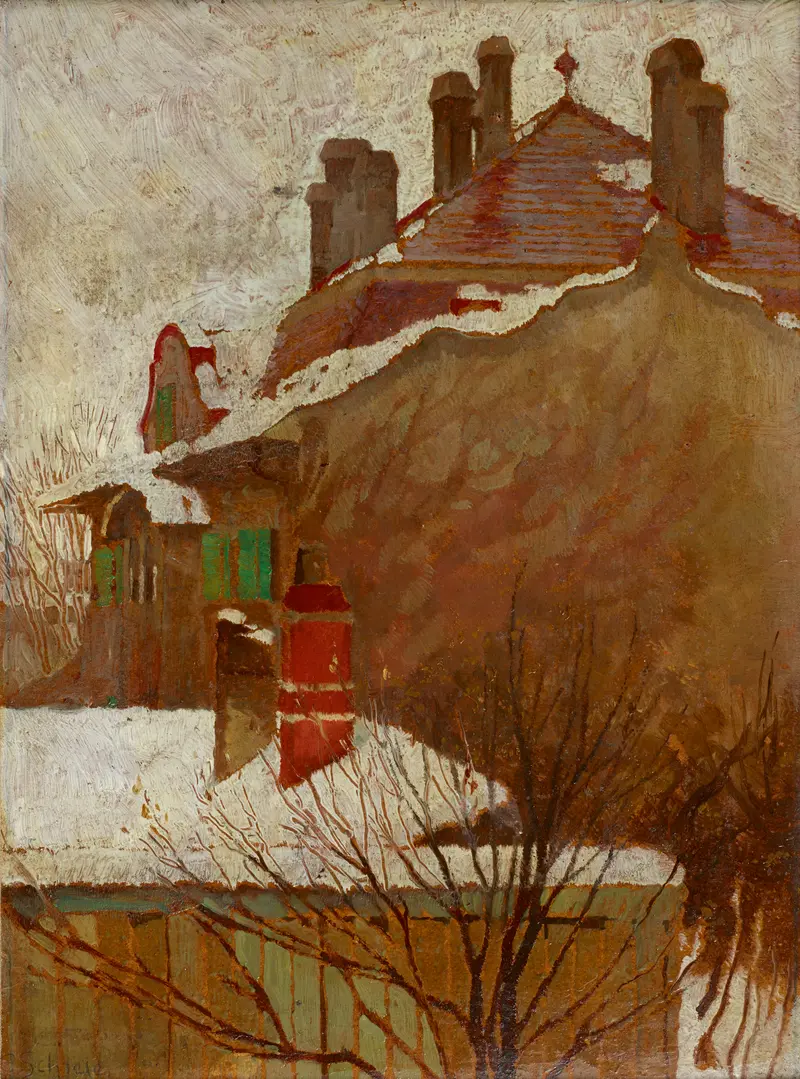
Häuser im Winter (Blick aus dem Atelier)
Egon Schiele
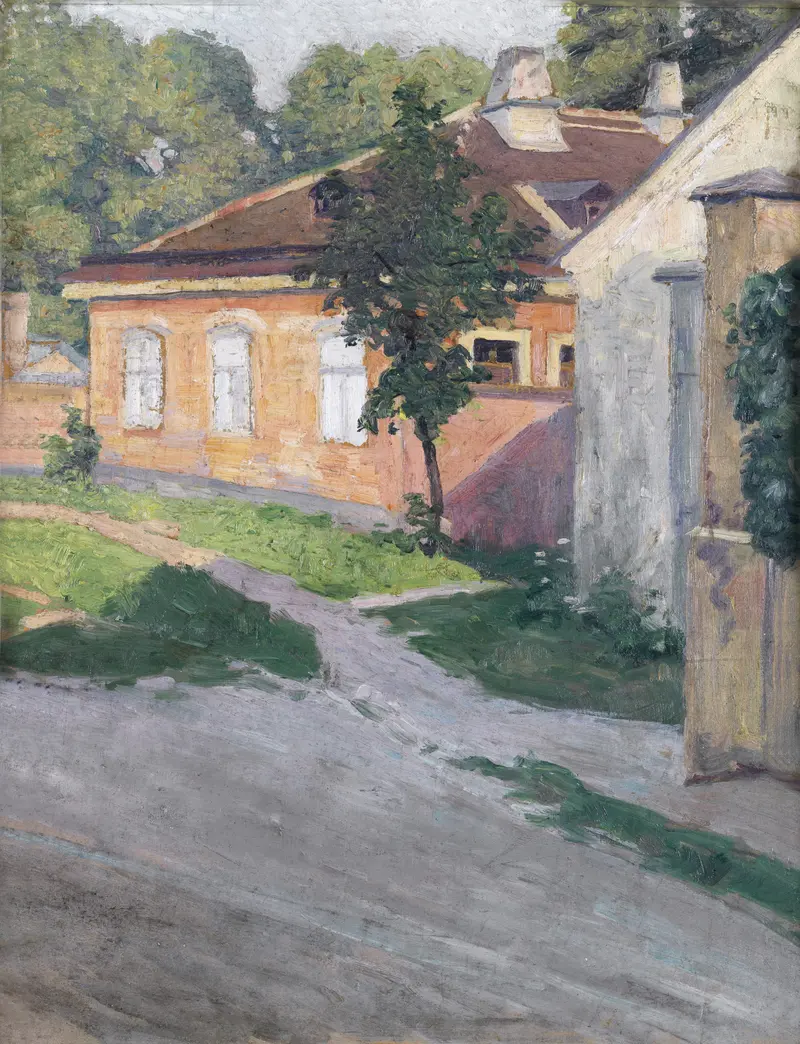
Haus In Hütteldorf (House In Hütteldorf)
Egon Schiele
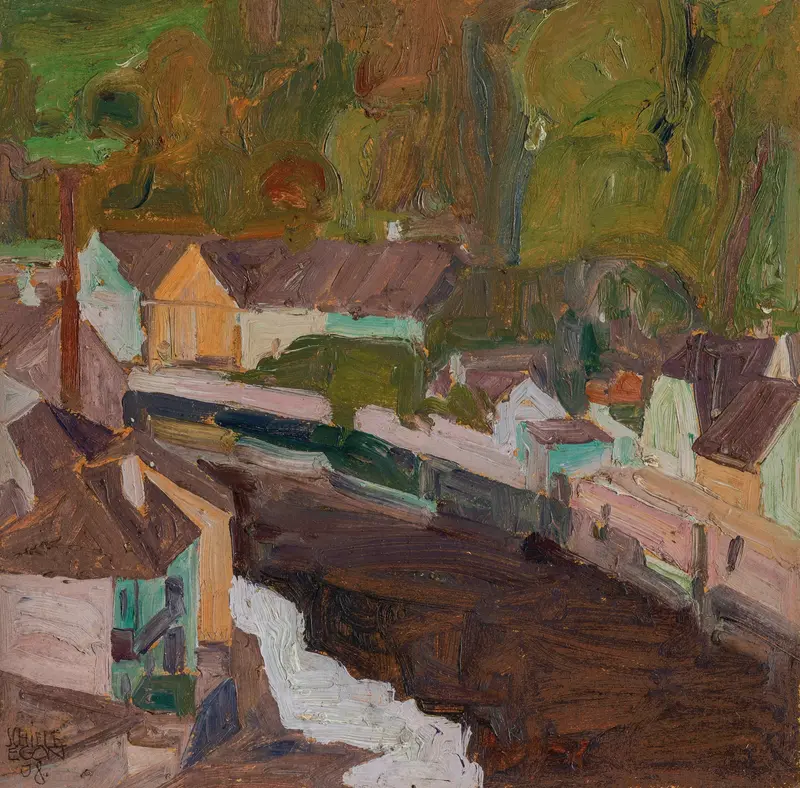
Dorf am Fluss II
Egon Schiele
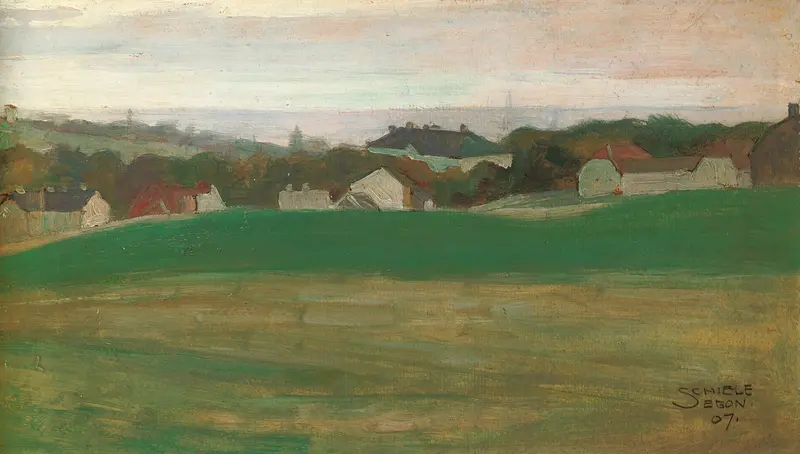
Wiese mit Dorf im Hintergrund II
Egon Schiele
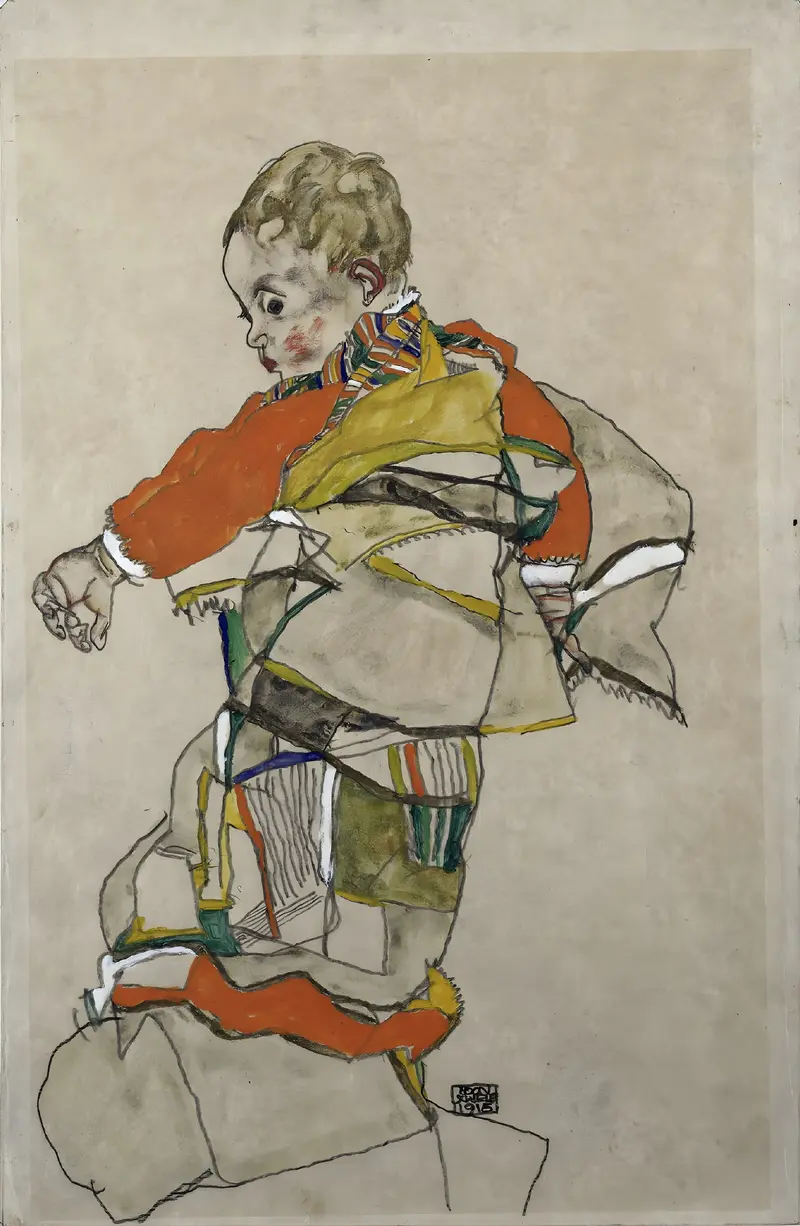
Portrait of a Child (Anton Peschka, Jr.)
Egon Schiele
The Embrace
Egon Schiele



