
Veracruz — History & Facts
This notion resonates deeply in a world where the divine often feels obscured by the mundane. What if art could unveil the sacred, revealing the beauty that lies beneath our everyday perceptions? Look to the vibrant hues that burst forth from the canvas, drawing you into a vibrant atmosphere. The interplay of rich blues and warm ochres invites the viewer to explore the landscape, where light dances upon the texture of the brushstrokes.
Notice how the artist layers color, each stroke a testament to the energy of the scene — a celebration of life and vitality that begs for attention. Yet, within this lively portrayal emerges an intriguing tension. The contrasting elements of chaos and serenity create an emotional depth that stirs curiosity; the vibrant colors pulse with energy, while the composition maintains a harmonious balance. The presence of fleeting figures hints at human connection, sparking reflections on life’s transience amid nature's boundless beauty.
Every detail serves as a reminder of the divine intertwined with reality, prompting us to seek the extraordinary in the ordinary. Created in 1869, this artwork emerged during a significant shift in the artist's life, as C. Castro sought to transcend traditional artistic boundaries in Veracruz. The art world was in a state of transformation, with movements that encouraged a deeper exploration of color and form, reflecting the cultural milieu of the time.
In this context, the painting captures a moment of innovation, where the divine essence of life shines through the artist’s unique vision.
More Artworks by C. Castro
Browse all →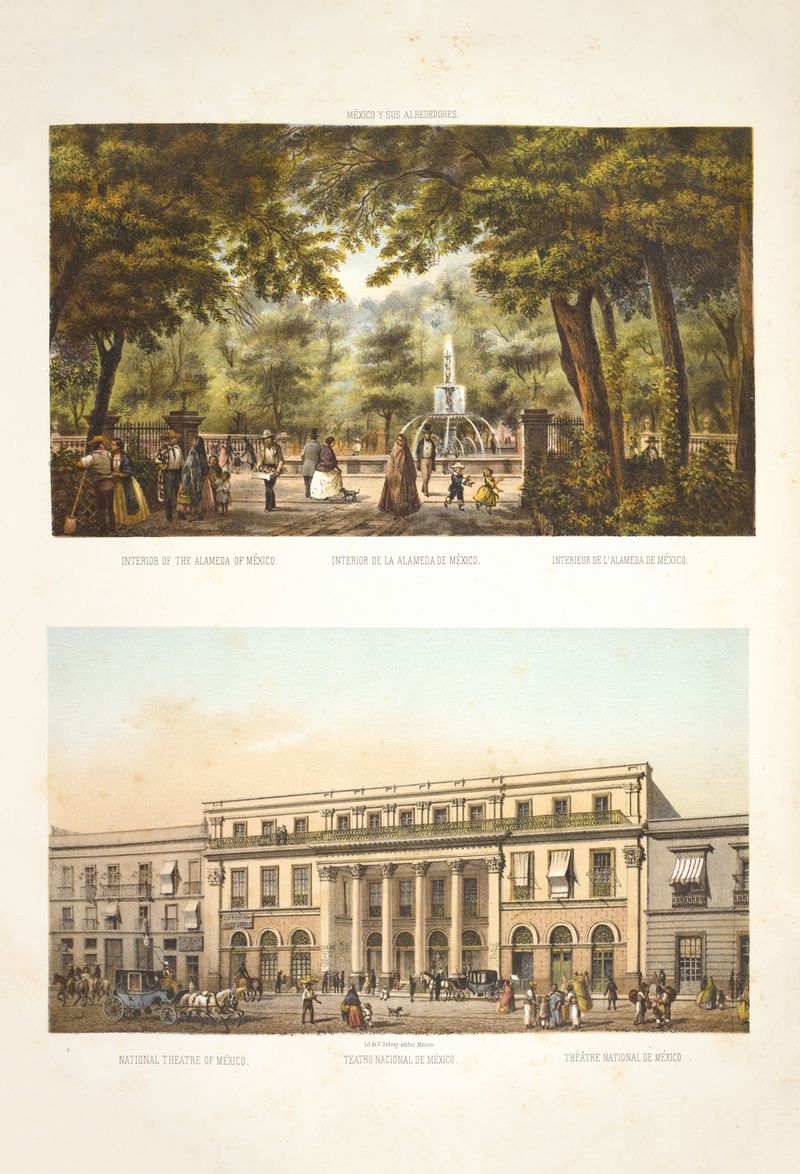
Interior of the Alameda of Mexico ; National Theatre of Mexico.
C. Castro
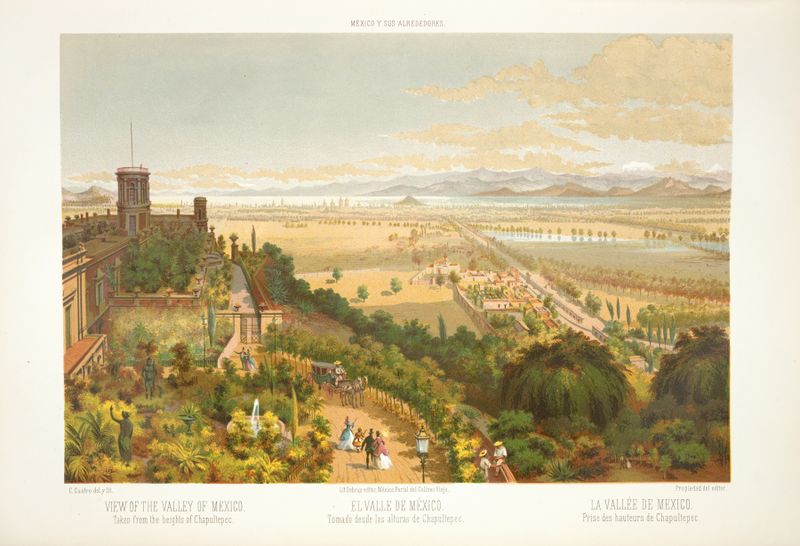
View of the Valley of Mexico, taken from the heights of Chapultepec.
C. Castro
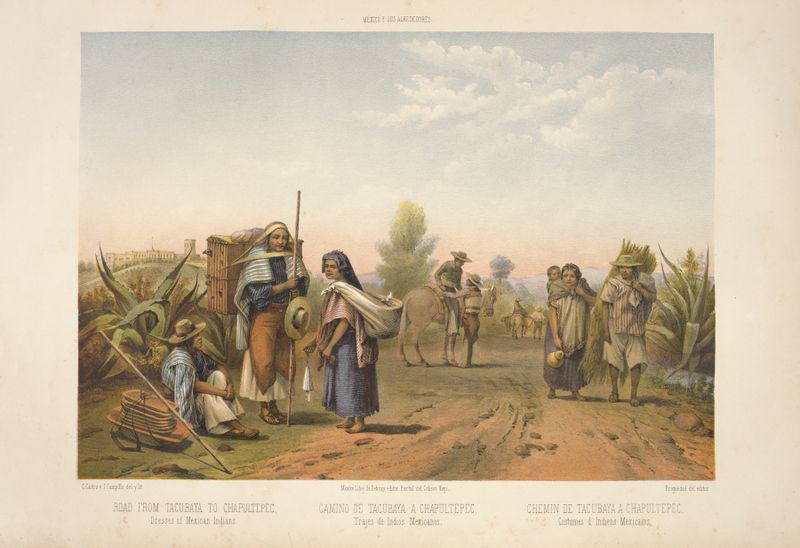
Road from Tacubaya to Chapultepec, dresses of Mexican Indians.
C. Castro
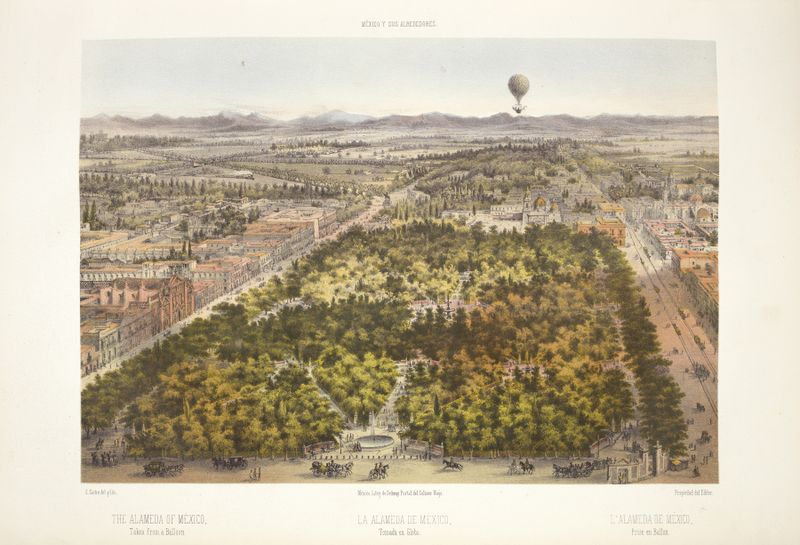
The Alameda of Mexico, taken from a balloon.
C. Castro
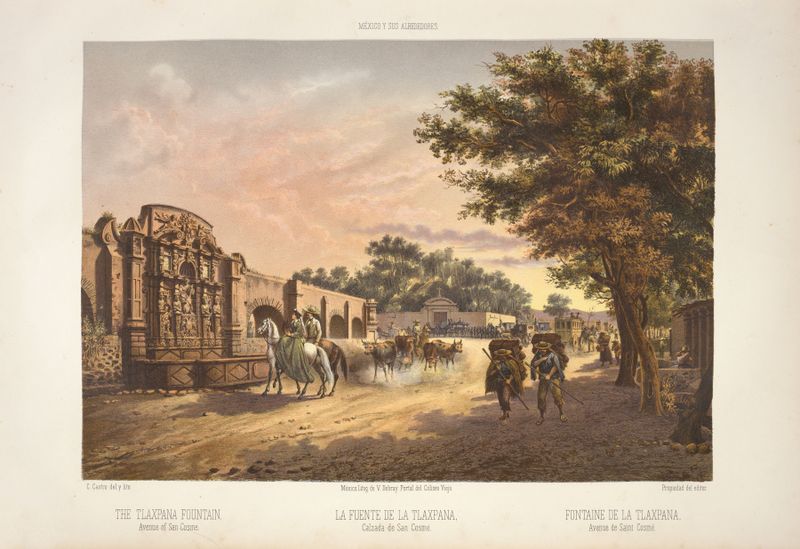
The Tlaxpana fountain, Avenue of San Cosme.
C. Castro
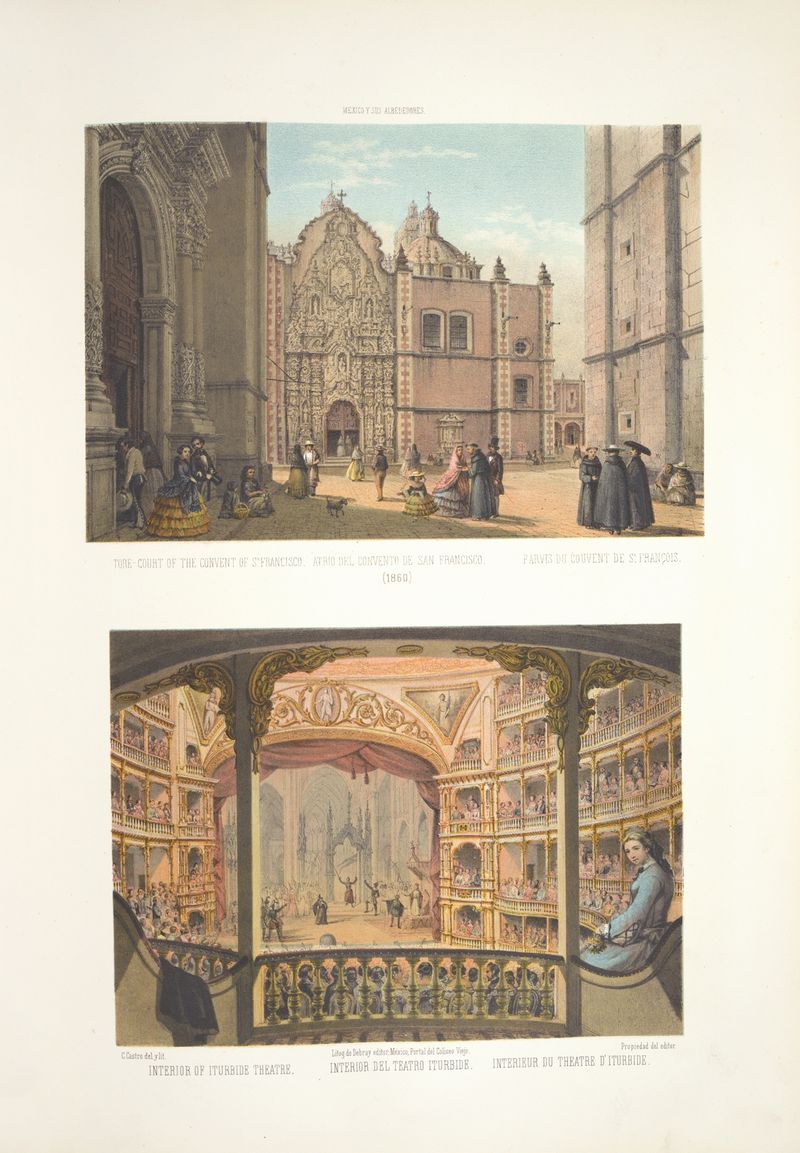
Tore-court of the convent of St. Francisco ; Interior del Teatro Iturbide
C. Castro
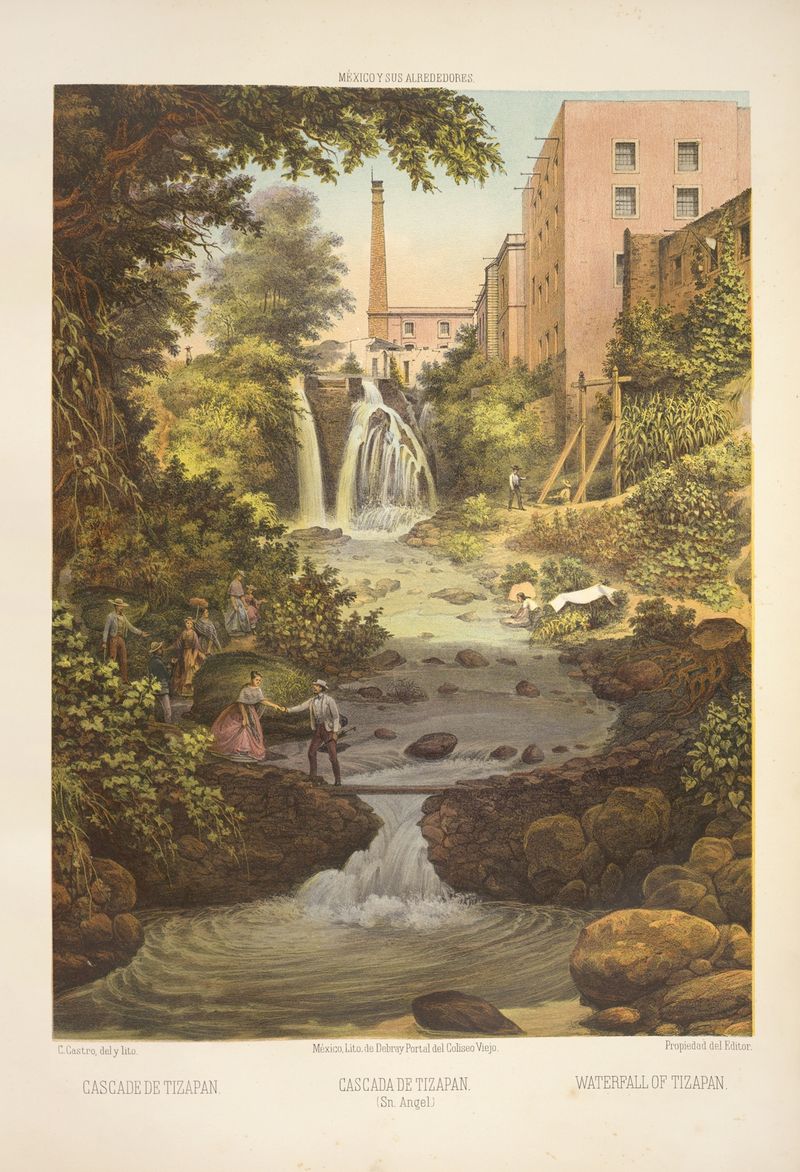
Waterfall of Tizapan
C. Castro
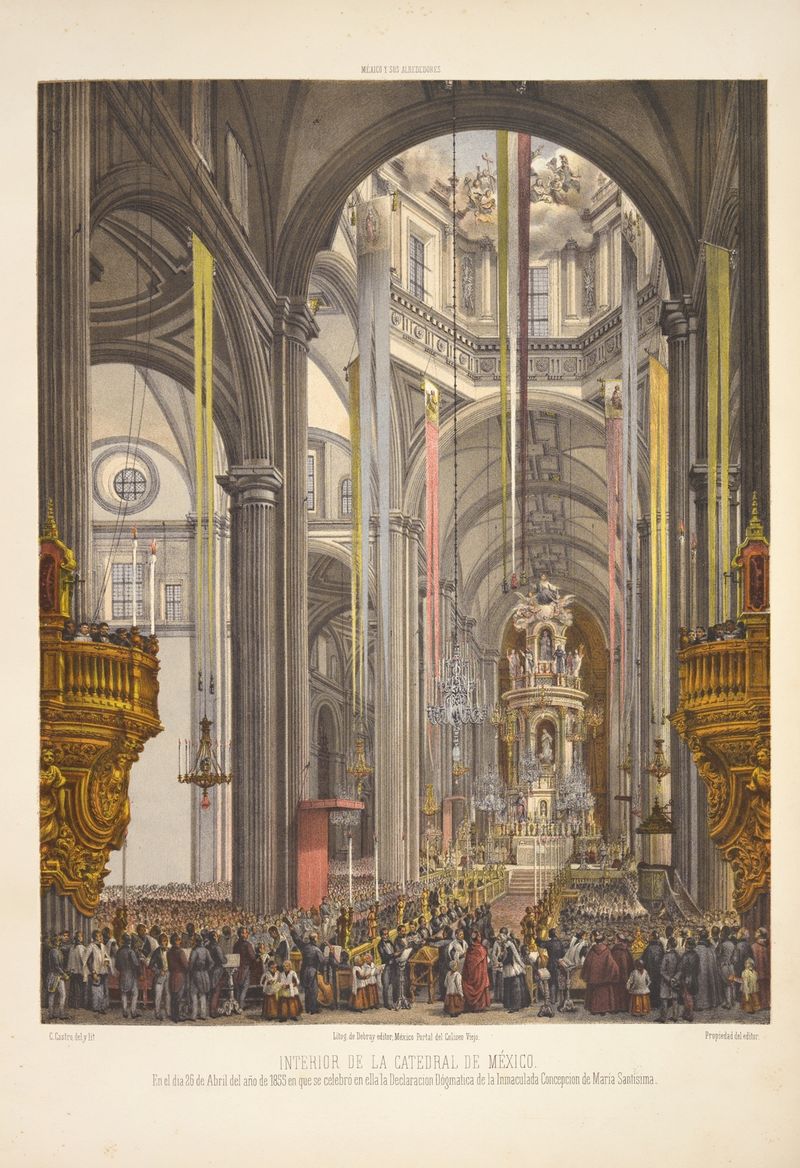
Interior de la Catedral de México. En el dia 26 de Abril del año de 1855 en que se celebró en ella la Declaracion Dógmatica de la Inmaculada Concepcion de María Santisima.
C. Castro
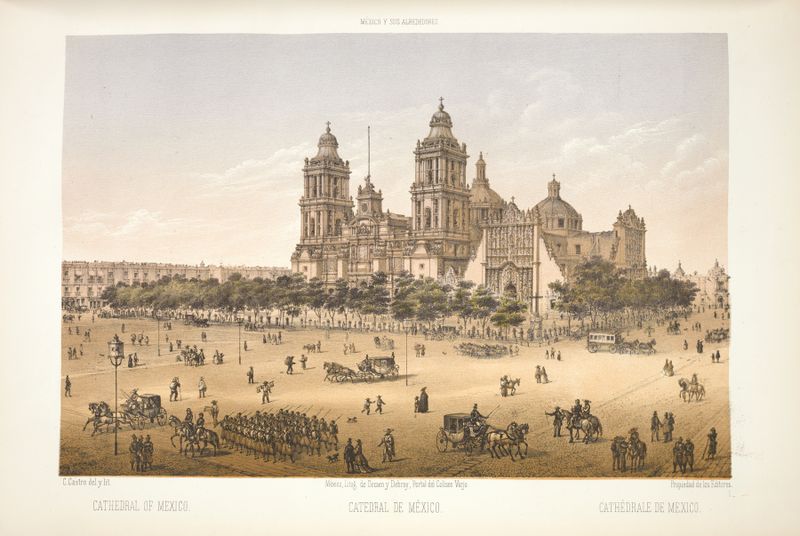
Cathedral of Mexico.
C. Castro
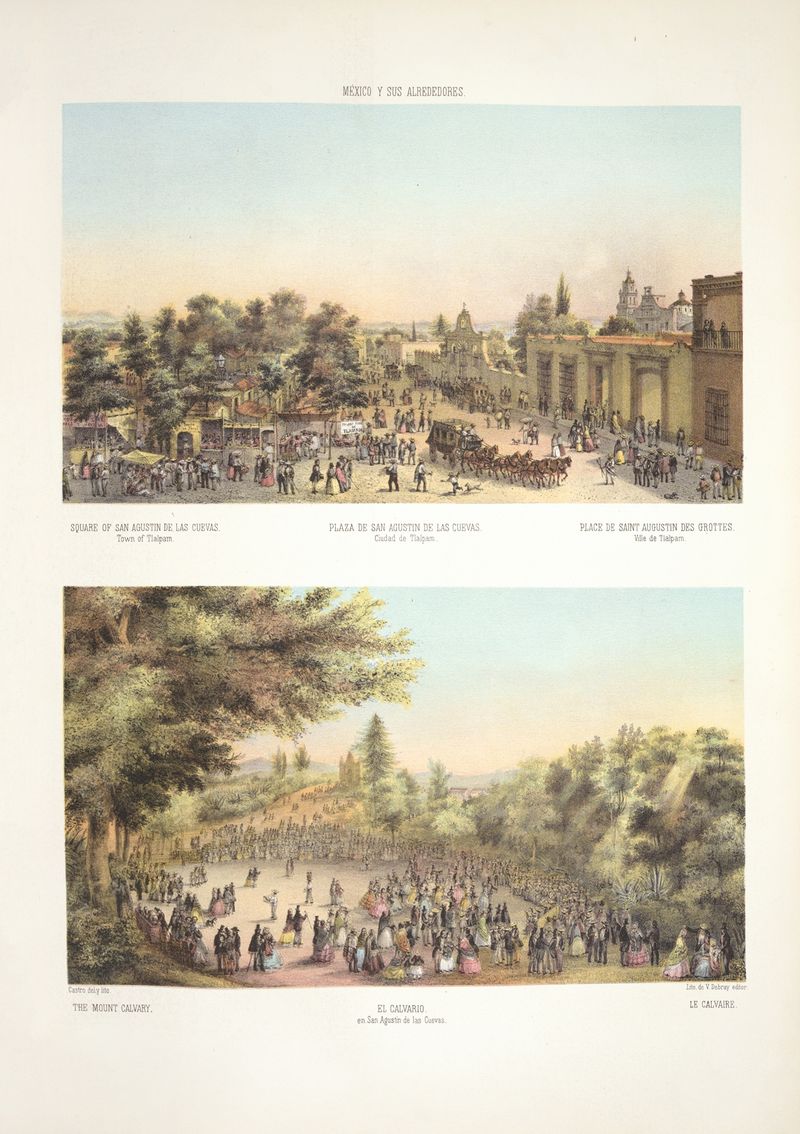
Square of San Agustin de las Cuevas, town of Tlalpam ; The Mount Calvary.
C. Castro





