
Verheerlijking van Maria — History & Facts
Did the painter know this moment would outlive them? In Verheerlijking van Maria, Jacques Callot captures the eternal memory of the divine, intertwining the celestial with the human experience. Each brushstroke serves as a testament to grace, echoing through time and space, forever inviting viewers into its luminous embrace. Focus on the center of the composition, where the figure of Mary is exalted amidst a swirling congregation of angels. Notice how the light bathes her in ethereal gold, drawing your gaze upward, toward the heavens.
The delicate interplay of chiaroscuro enhances the spiritual intensity, while the intricate details of the angels’ expressions convey a blend of reverence and joy, creating a vivid scene that transcends the earthly realm. Within the intricacies of the artwork, one can discern a duality of celestial triumph and human humility. The celestial beings, draped in flowing garments, contrast sharply with the background's darker hues, emphasizing the struggle between heaviness and lightness. Additionally, the positions of the angels, caught in dynamic movement, suggest a celebration, yet their gazes remain focused on Mary, highlighting her significance and the collective memory of faith that binds them together. Created between 1633 and 1634, Callot worked on Verheerlijking van Maria during a period marked by artistic innovation in Baroque Europe.
The artist, already revered for his engravings, sought to elevate his painting practice amidst a flourishing environment of religious art. This work reflects not only his personal evolution but also the broader cultural shift towards emotional expression and the glorification of saints during a time of spiritual introspection.
More Artworks by Jacques Callot
Browse all →
Titelprent voor de prentreeks 'De kleine apostelen' (Het martelaarschap van de apostelen)
Jacques Callot
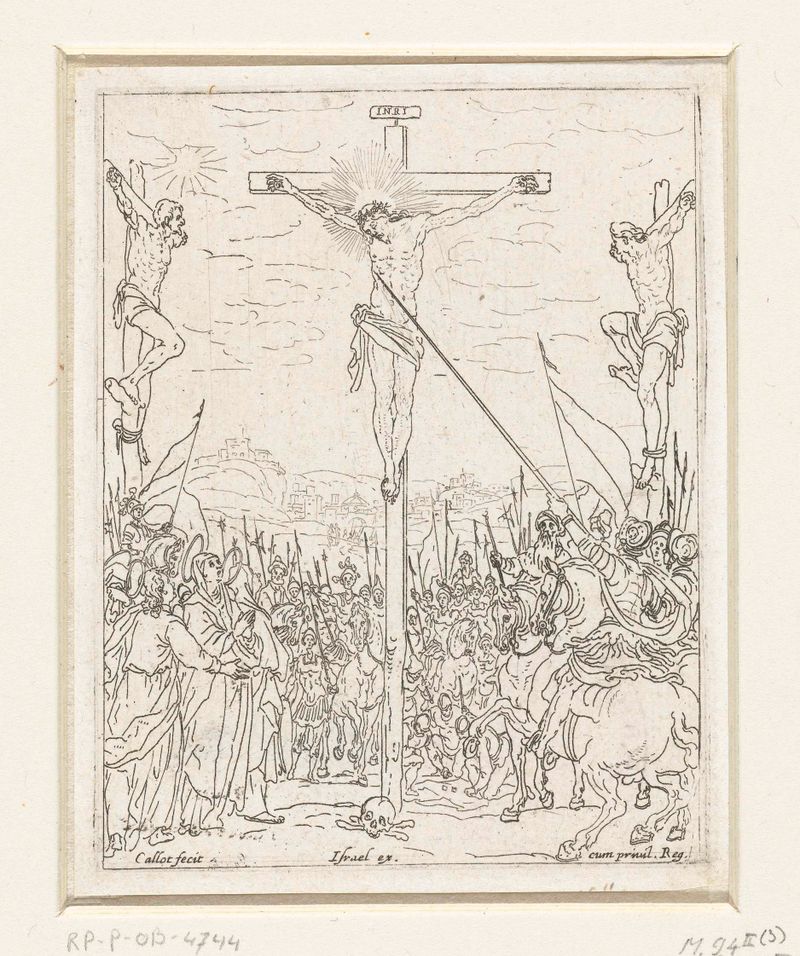
Kruisiging
Jacques Callot

De doortocht door de Rode Zee
Jacques Callot

De verloren zoon als zwijnenhoeder
Jacques Callot

Annunciatie
Jacques Callot
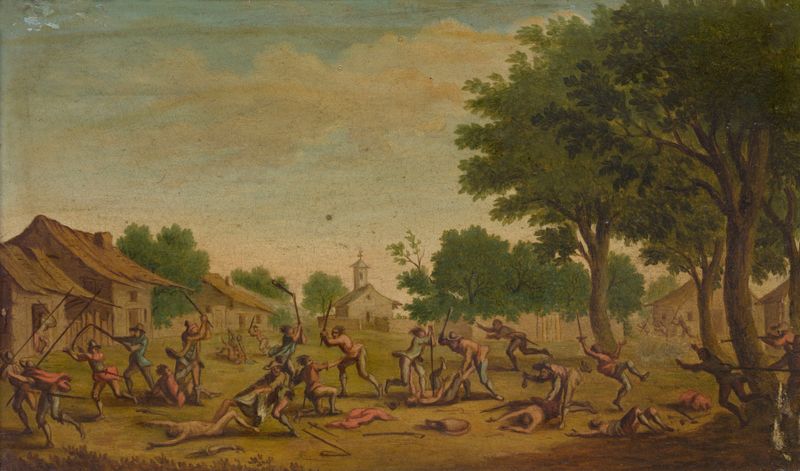
Village Fight
Jacques Callot

Titelprent voor prentreeks 'Het leven van Maria'
Jacques Callot
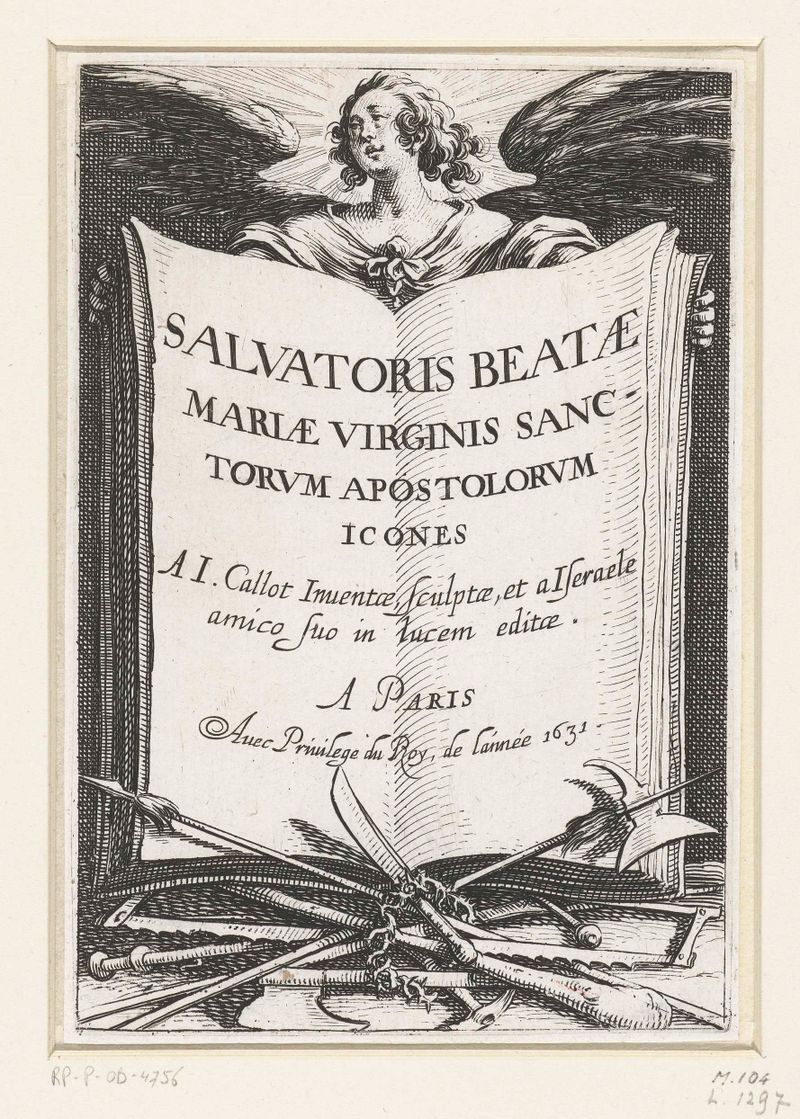
Titelprent voor de prentreeks 'De grote apostelen' (Christus, Maria en de apostelen)
Jacques Callot

Christus aan het volk getoond (Ecce homo)
Jacques Callot
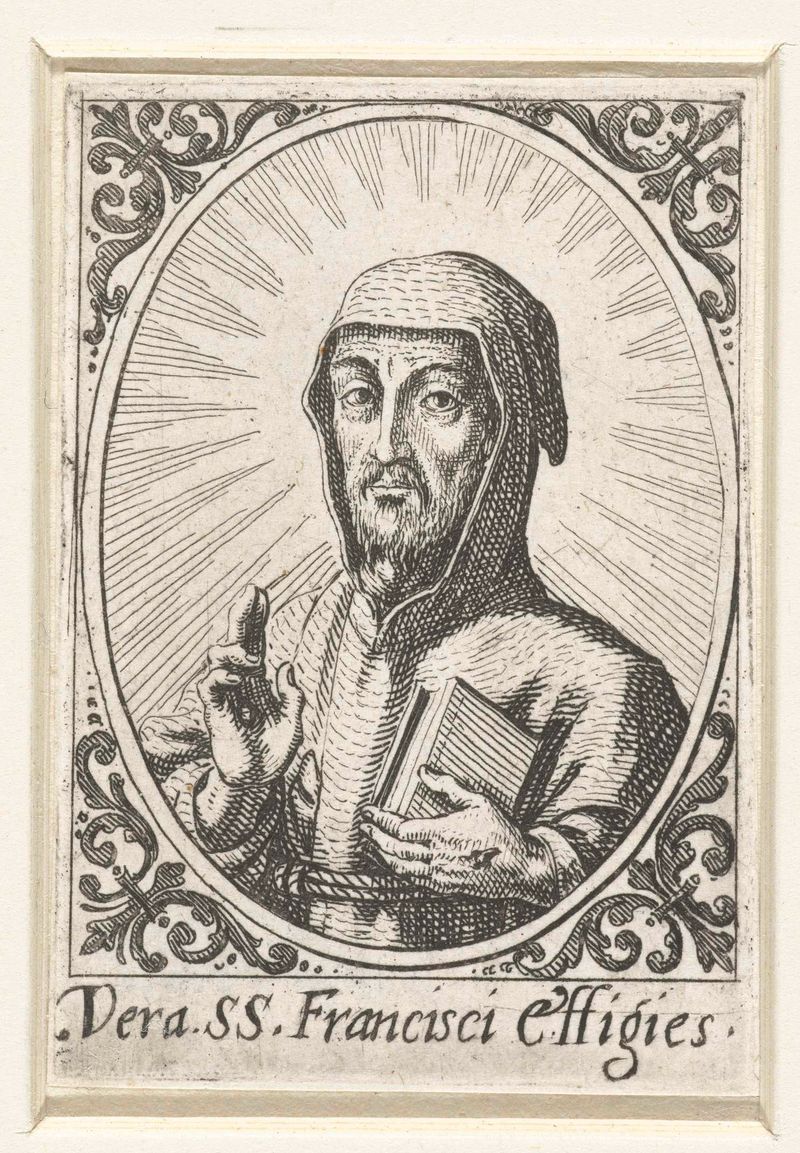
Portret van de Heilige Franciscus
Jacques Callot
More Religious Art
Browse all →
The Return of the Prodigal Son
Rembrandt van Rijn

The Garden of Earthly Delights
El Bosco

Count Orgaz’ funeral
El Greco

The Hundred Guilder Print: the central piece with Christ preaching, the plate arched
Rembrandt van Rijn

The Descent from the Cross
Rogier van der Weyden

The return of the prodigal son
Rembrandt van Rijn