
Vernietiging van de stam van Korach — History & Facts
In the nuanced world of art, moments captured on canvas often reflect our deepest anxieties and desires, inviting us to look within. As you gaze upon Vernietiging van de stam van Korach, let your eyes first settle on the dramatic contrast between the figures in the foreground and the chaos behind them. Notice how the artist expertly employs light and shadow, directing your attention to the anguished faces that embody fear and defiance. The somber color palette, punctuated by fleeting glimmers of hope, evokes an atmosphere thick with tension and foreboding.
Each figure is rendered with meticulous detail, their postures and expressions telling a story of impending doom. Delve deeper and consider the interplay of power and consequence in the scene. The symbolism of Korach’s rebellion against authority resonates strongly, reflecting the moral complexities of leadership and rebellion. Observe the heightened expressions of terror and desperation — they are not merely characters in a narrative but representations of universal human fears.
In this moment, Holbein captures not just a biblical event but a timeless struggle between the oppressed and the ruling force, forcing us to confront our own relationships with authority. Created in 1538, this work emerged during a period of significant political and religious upheaval in Europe. Hans Holbein the Younger, immersed in the Reformation's tension, sought to engage viewers with compelling narratives that connected them to their own era's struggles. At this time, he was living in England, working closely with King Henry VIII, where his proficiency in depicting human emotion left a profound mark on both the court and the broader art world.
More Artworks by Hans Holbein (II)
Browse all →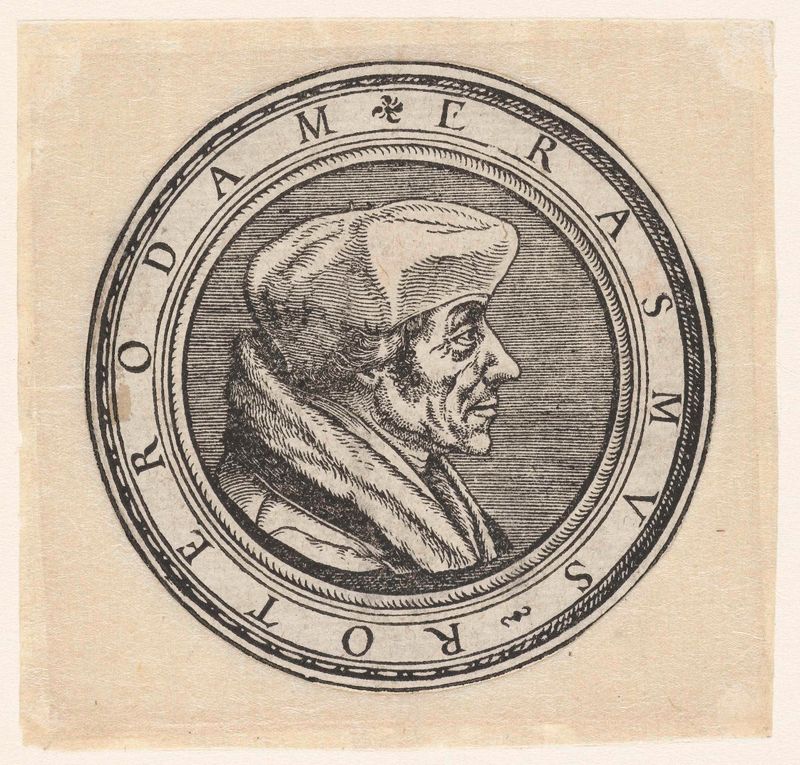
Portret van Erasmus
Hans Holbein (II)
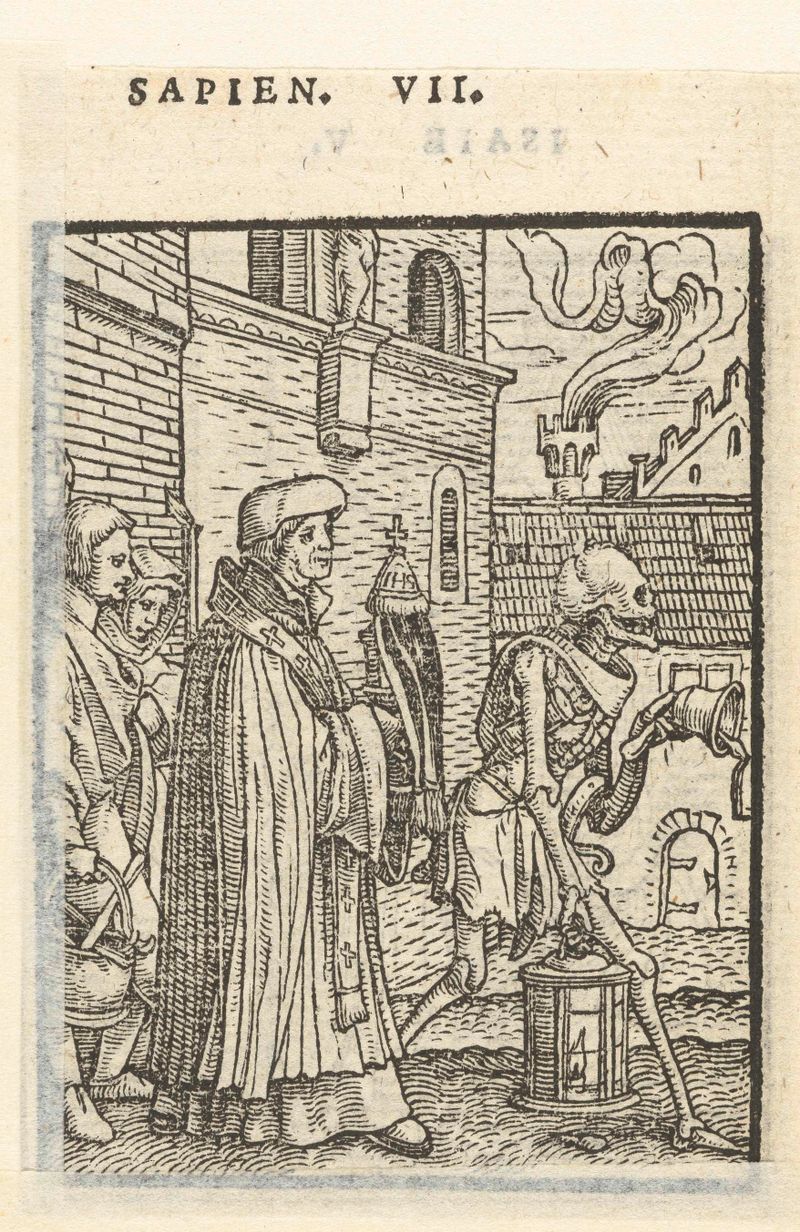
Priester en de Dood
Hans Holbein (II)
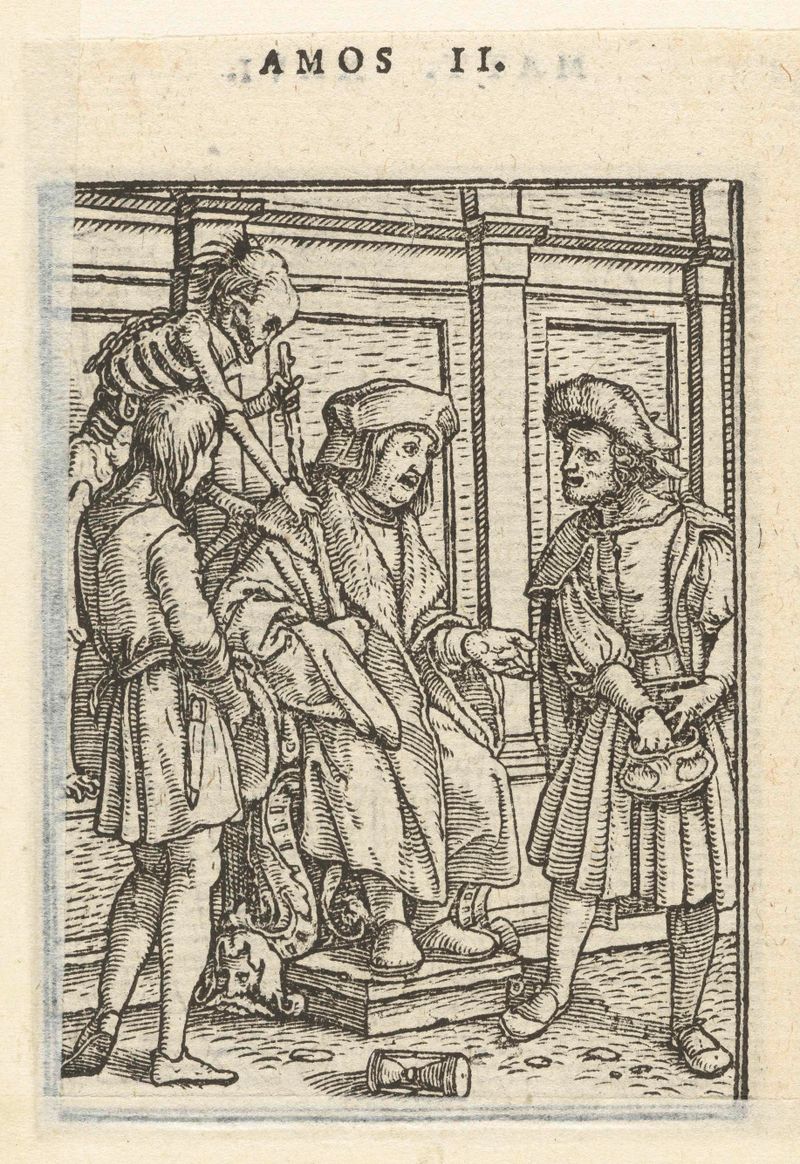
Rechter en de Dood
Hans Holbein (II)
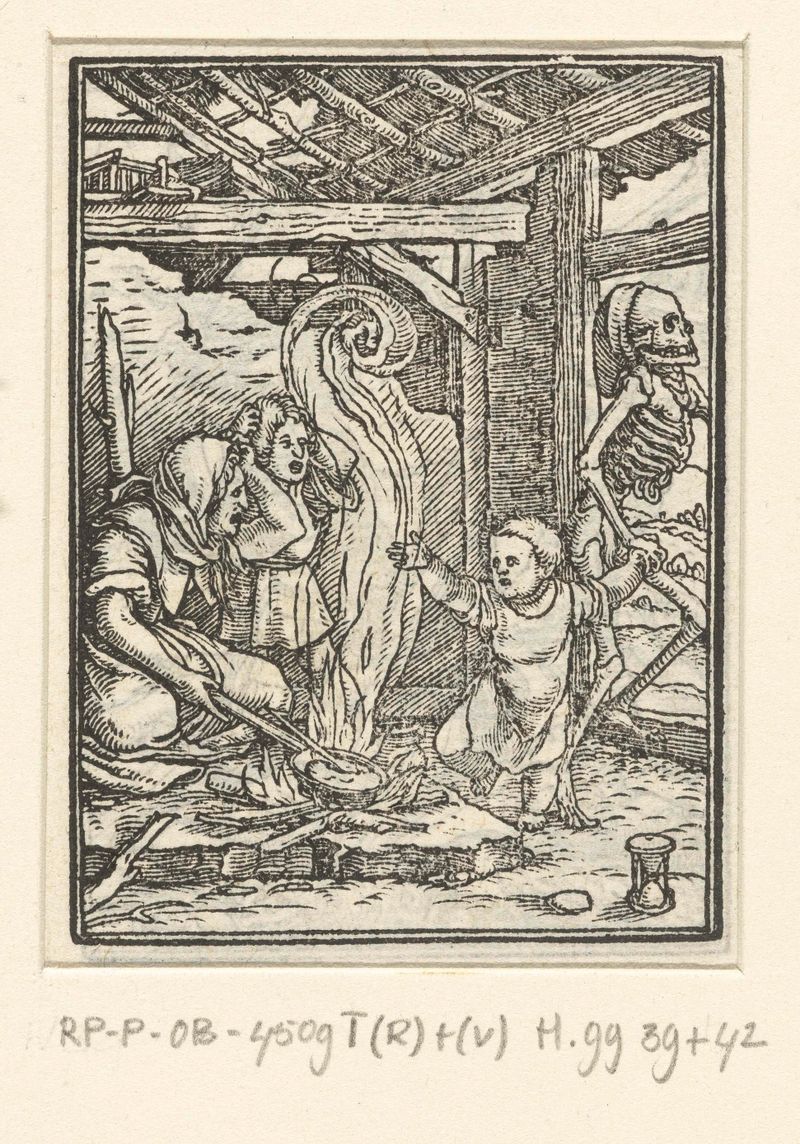
Kind en de Dood
Hans Holbein (II)
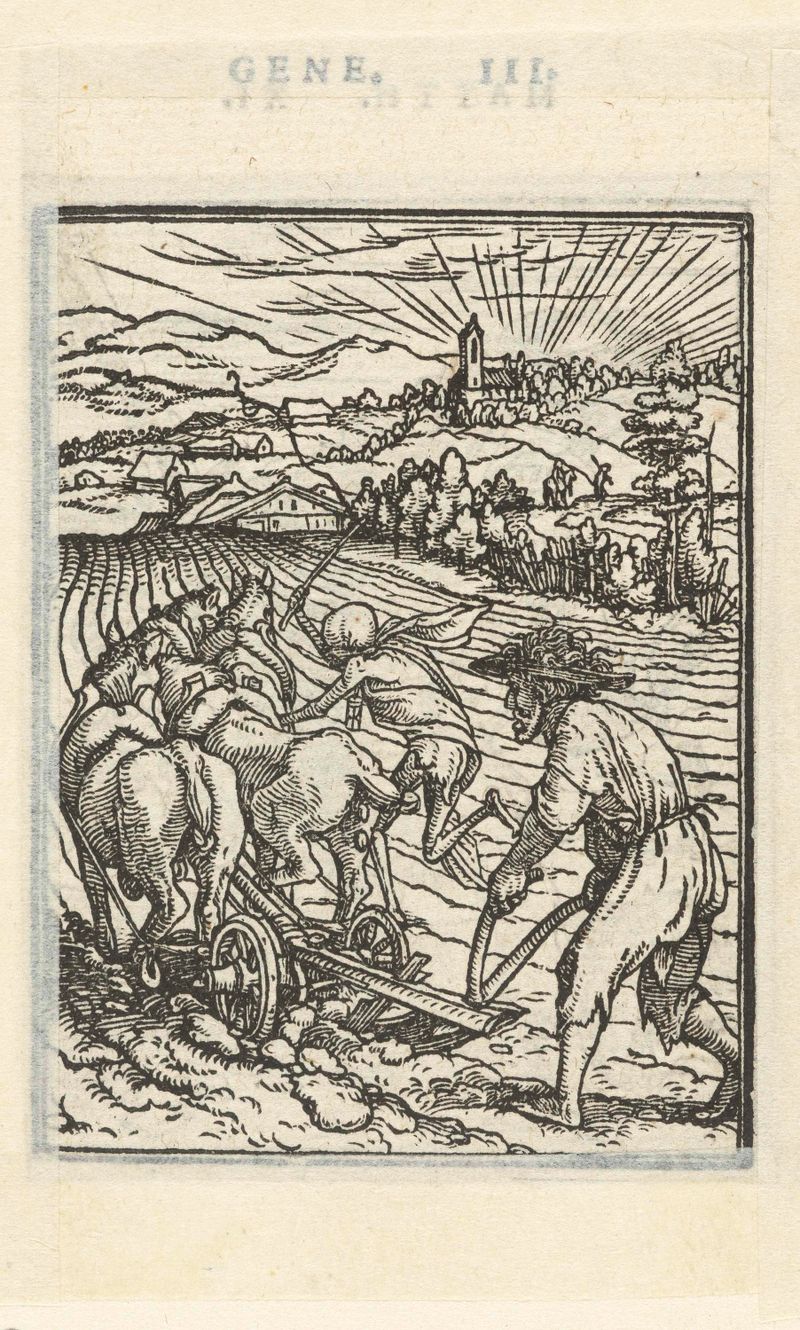
Boer en de Dood
Hans Holbein (II)
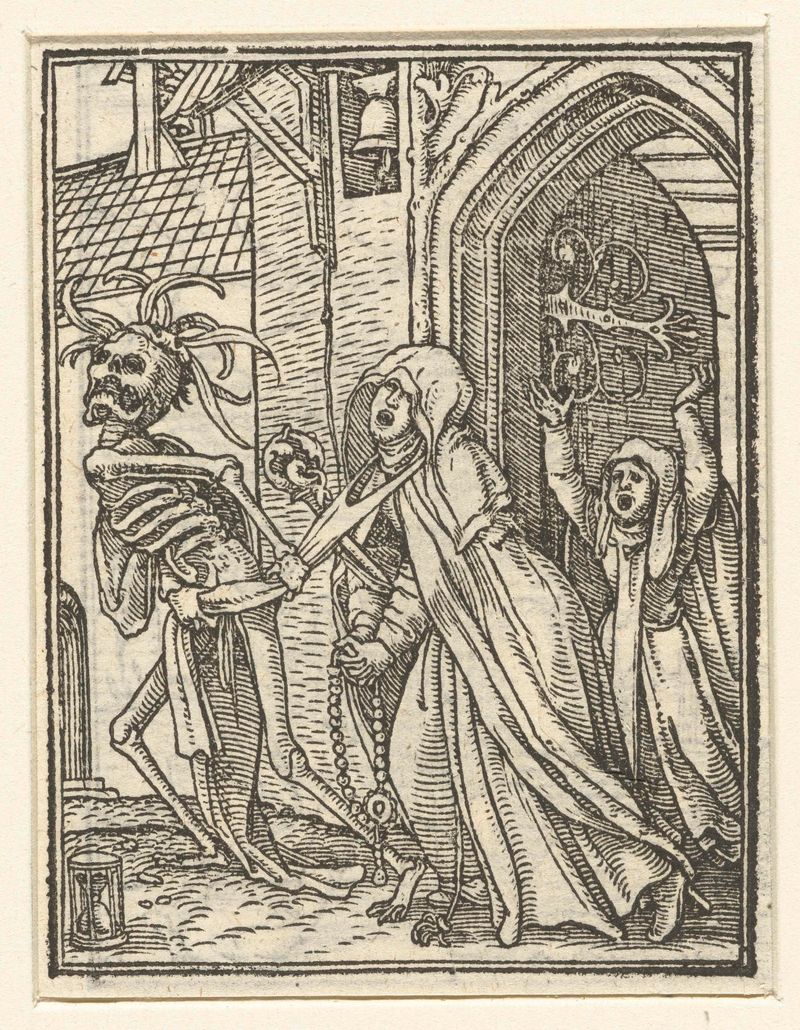
Abdis en de Dood
Hans Holbein (II)
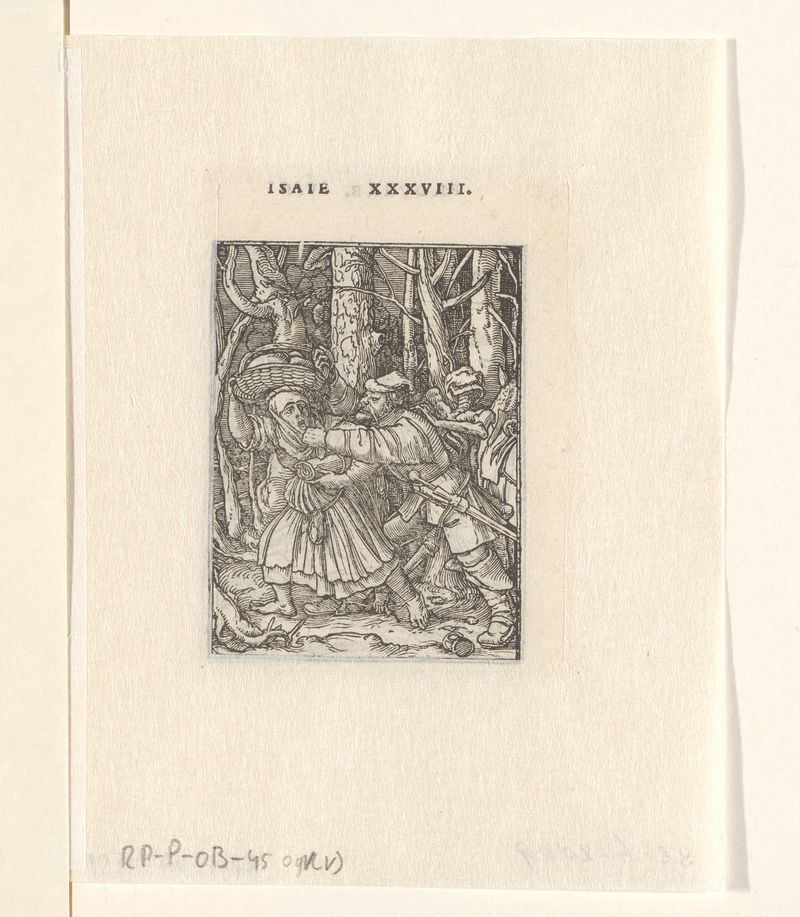
Dief en de Dood
Hans Holbein (II)
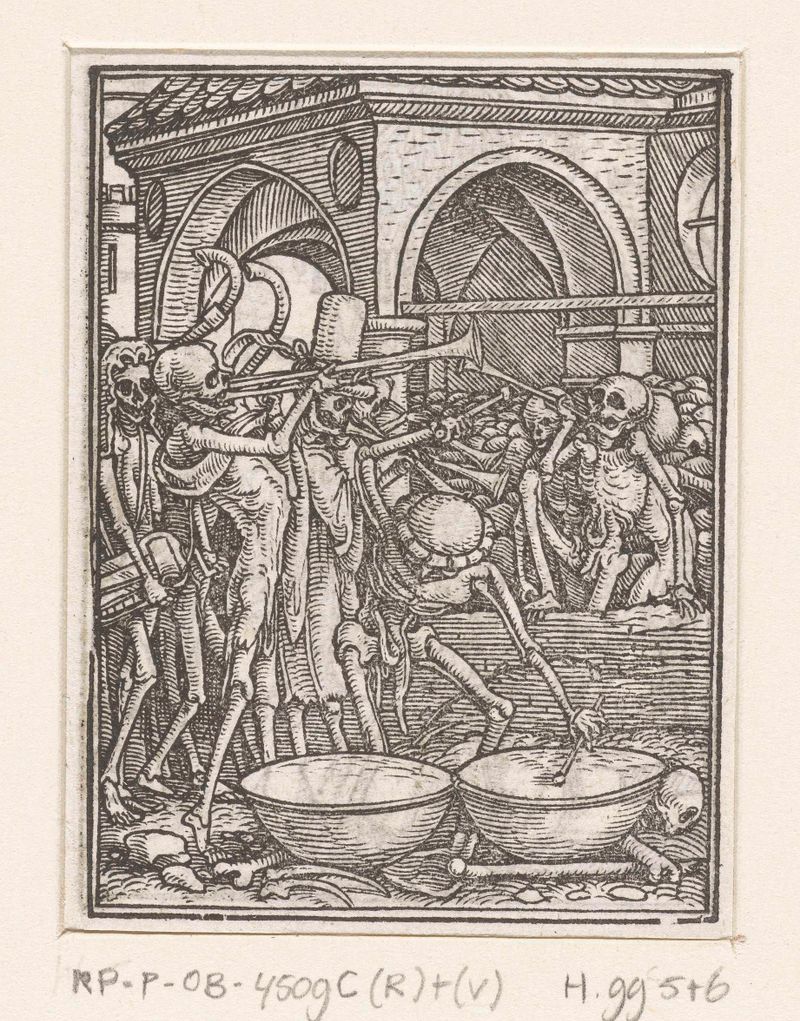
Skeletons Making Music from Dance of the Dead
Hans Holbein (II)
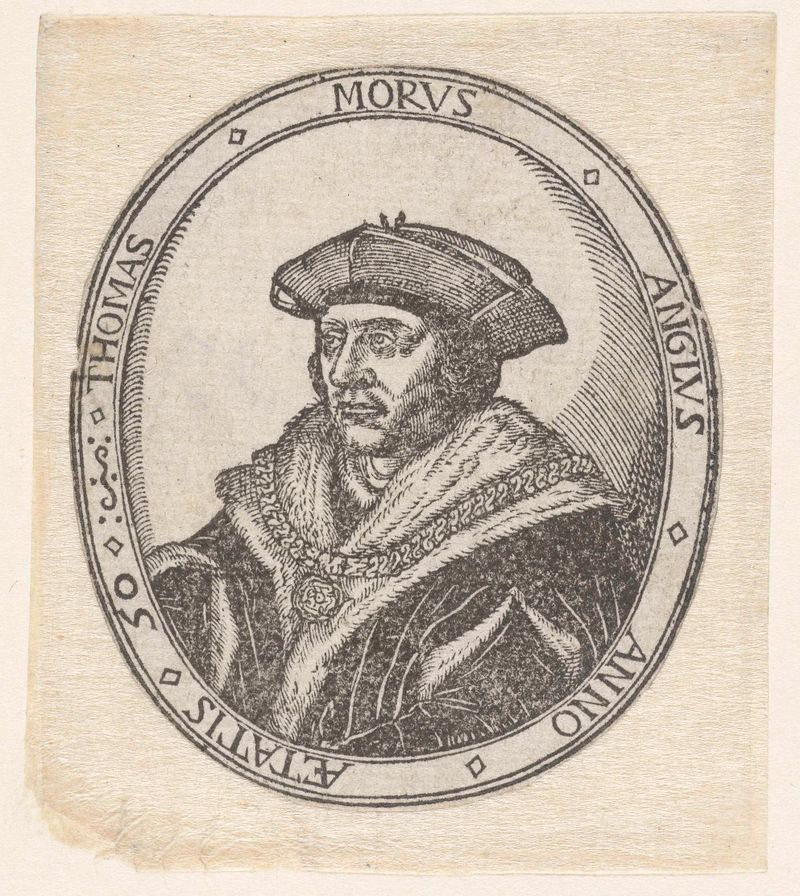
Portret van Thomas More
Hans Holbein (II)
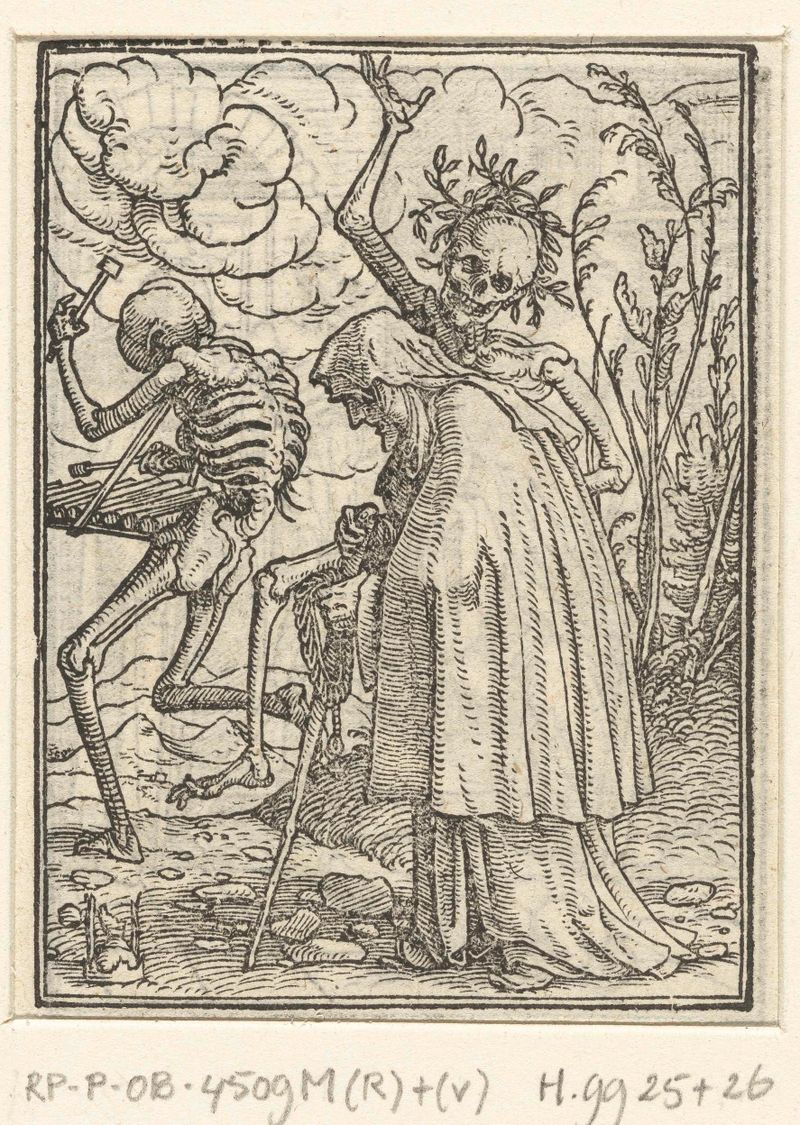
Oude vrouw en de Dood
Hans Holbein (II)
More Religious Art
Browse all →
The Return of the Prodigal Son
Rembrandt van Rijn

The Garden of Earthly Delights
El Bosco

Count Orgaz’ funeral
El Greco

The Hundred Guilder Print: the central piece with Christ preaching, the plate arched
Rembrandt van Rijn

The Descent from the Cross
Rogier van der Weyden

The return of the prodigal son
Rembrandt van Rijn