
Verzamelen van het manna — History & Facts
Can paint confess what words never could? In Verzamelen van het manna, Hans Holbein II captures the fleeting essence of sustenance and decay, inviting the viewer to ponder the fragility of existence. Look to the center of the canvas where figures gather, their hands reaching eagerly for the divine morsels of manna. The muted earth tones dominate the scene, setting a somber tone that contrasts sharply with the vibrancy of the manna itself — depicted as a delicate, glowing substance. Notice how Holbein skillfully employs chiaroscuro to create depth; shadows cling to the figures, suggesting both their yearning and their mortality.
The meticulous attention to facial expressions breathes life into the painting, drawing the eye across the varied reactions of hope, desperation, and reverence. Delve deeper into the small details; the textures of the figures’ clothing hint at a weariness wrought by their toil, embodying the constant struggle between nourishment and decay. In the background, barren trees loom, echoing the transient nature of their feast, while the lushness of the manna serves as a stark reminder of divine providence amidst human fragility. This juxtaposition not only highlights the weight of expectation but also evokes a poignant contemplation of the ephemeral moments that define human experience. Holbein created this work in 1538, during a time marked by religious upheaval and the Reformation in Europe.
As a prominent painter in the court of Henry VIII, his artistry flourished amidst the intertwining currents of faith and politics. This period of his life saw him striving to convey moral lessons through visual narratives, reflecting both the spiritual and temporal conflicts of the era.
More Artworks by Hans Holbein (II)
Browse all →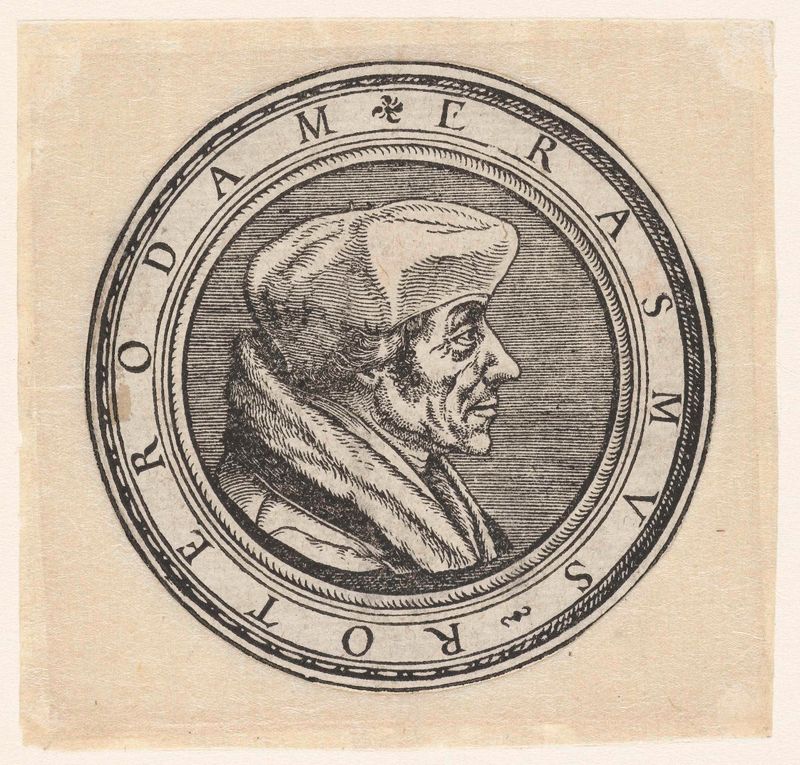
Portret van Erasmus
Hans Holbein (II)
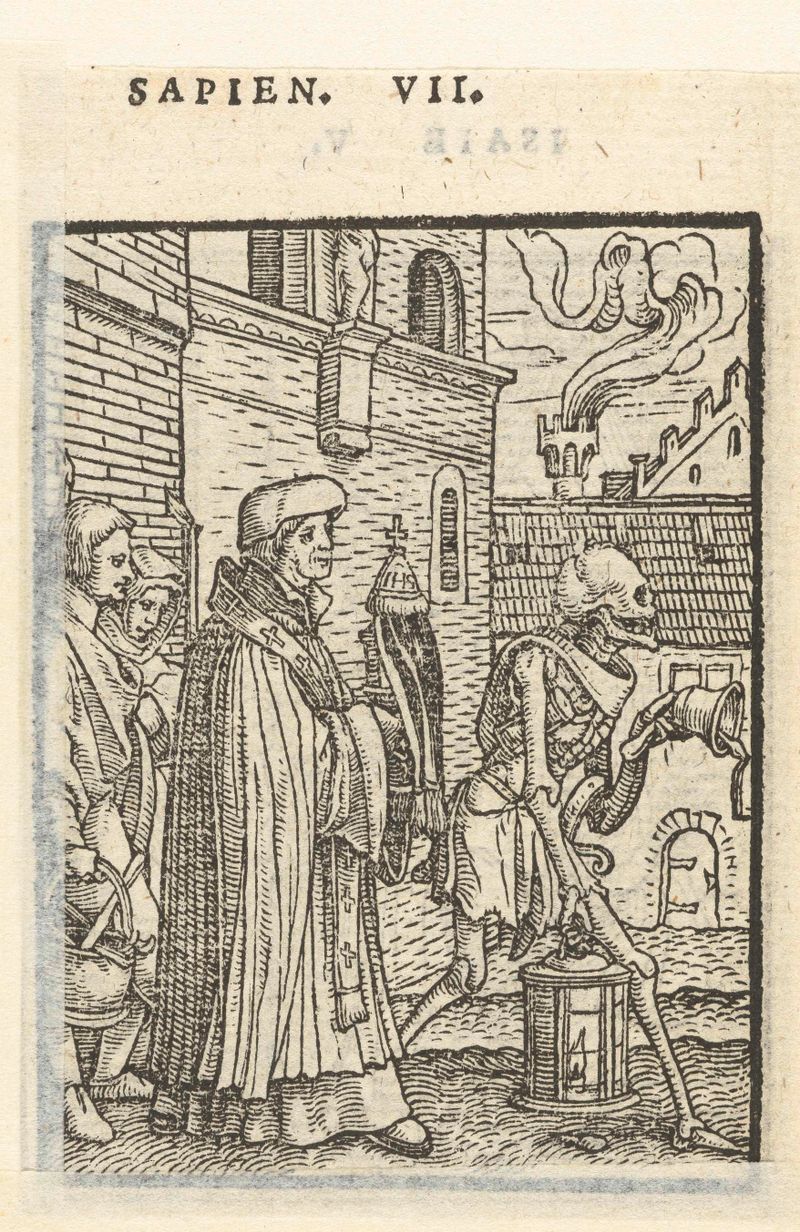
Priester en de Dood
Hans Holbein (II)
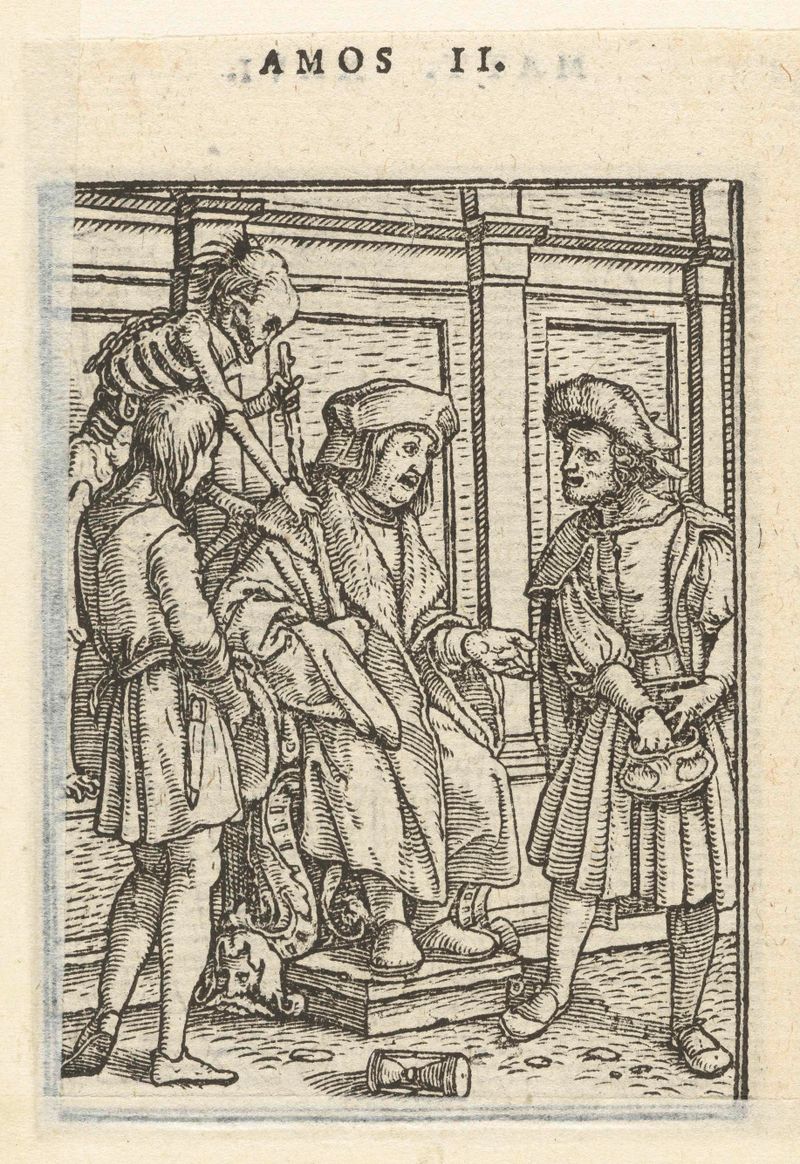
Rechter en de Dood
Hans Holbein (II)
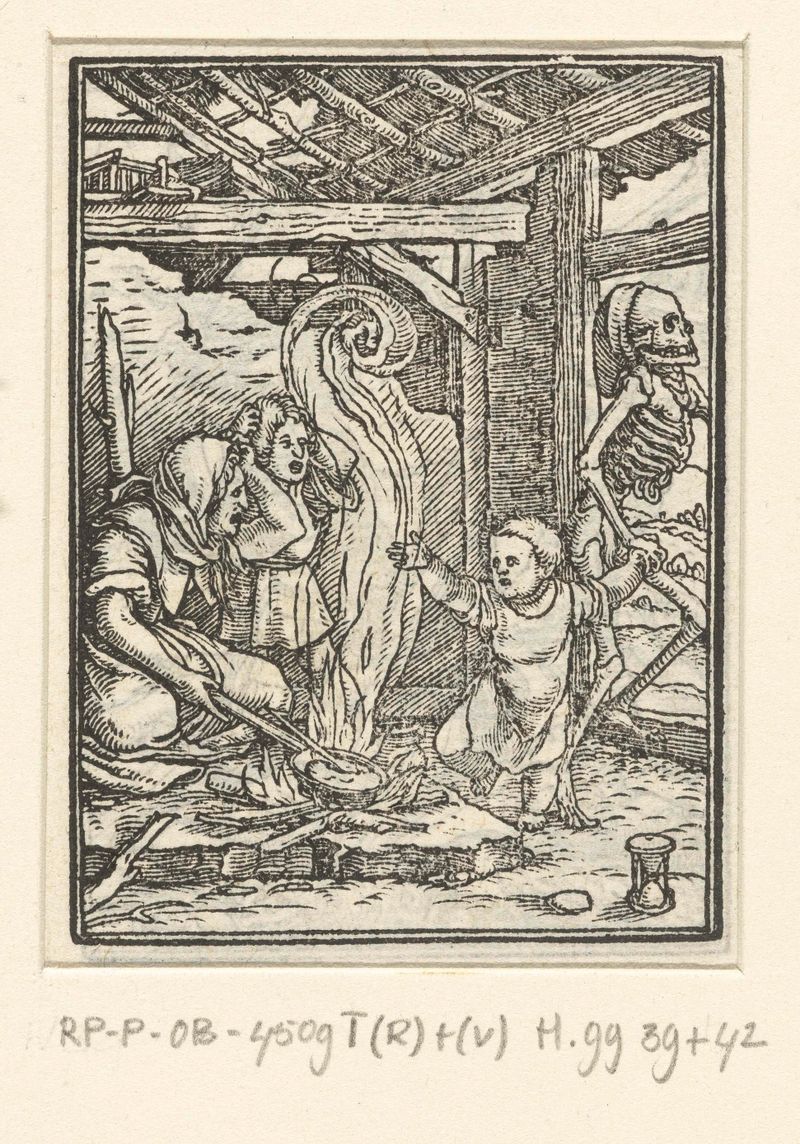
Kind en de Dood
Hans Holbein (II)
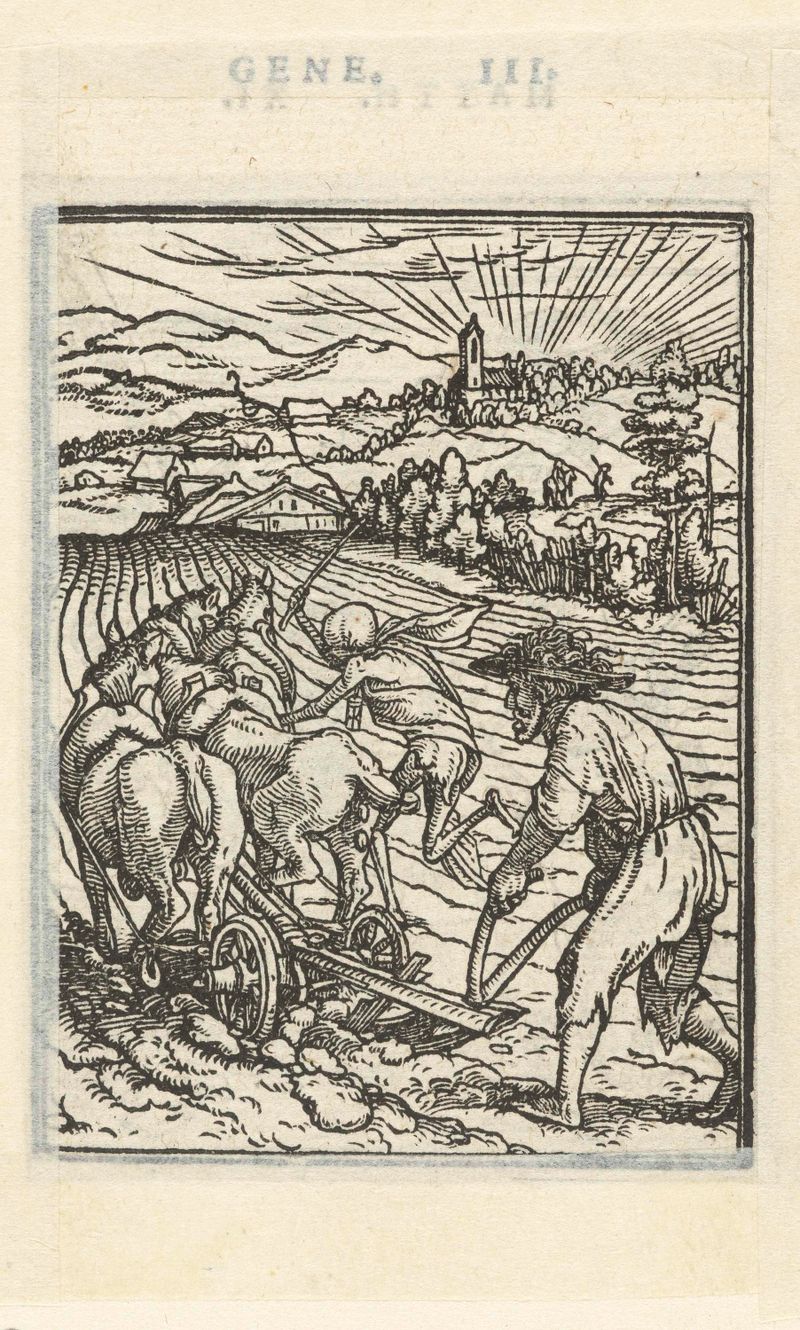
Boer en de Dood
Hans Holbein (II)
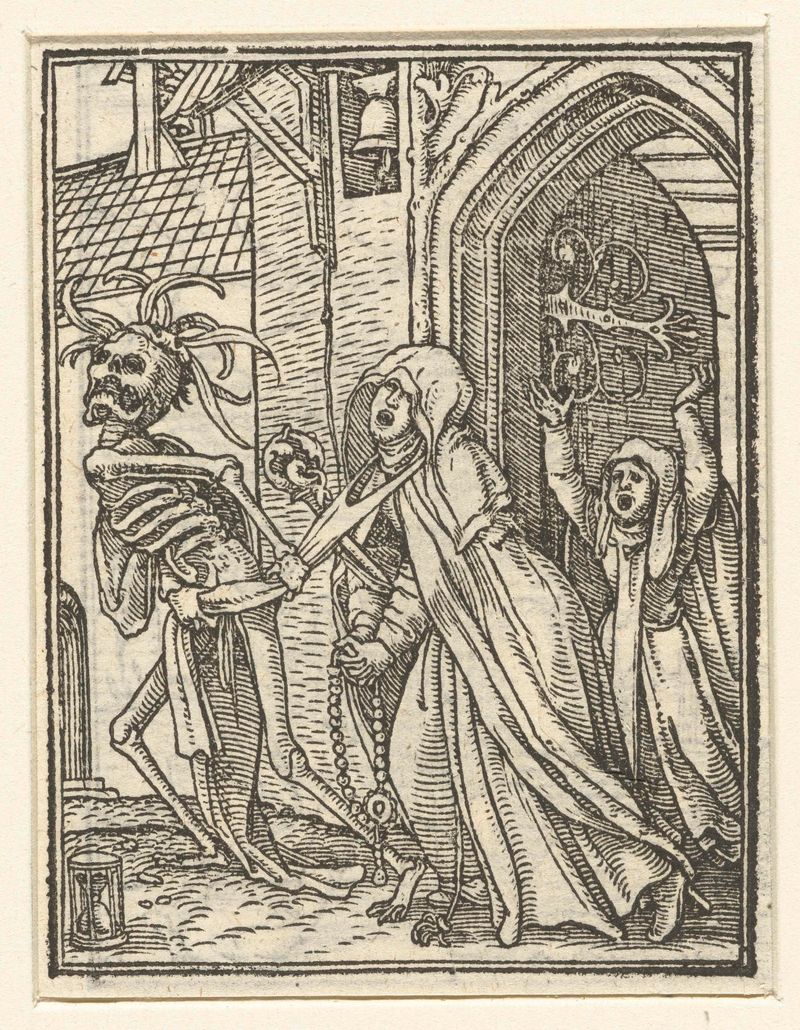
Abdis en de Dood
Hans Holbein (II)
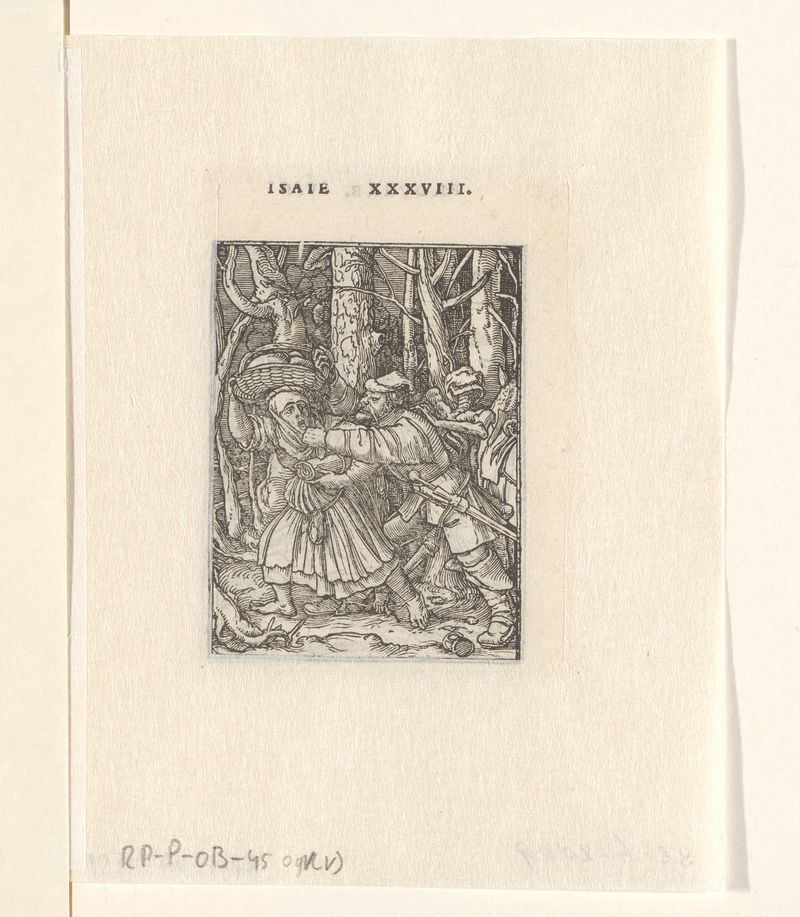
Dief en de Dood
Hans Holbein (II)
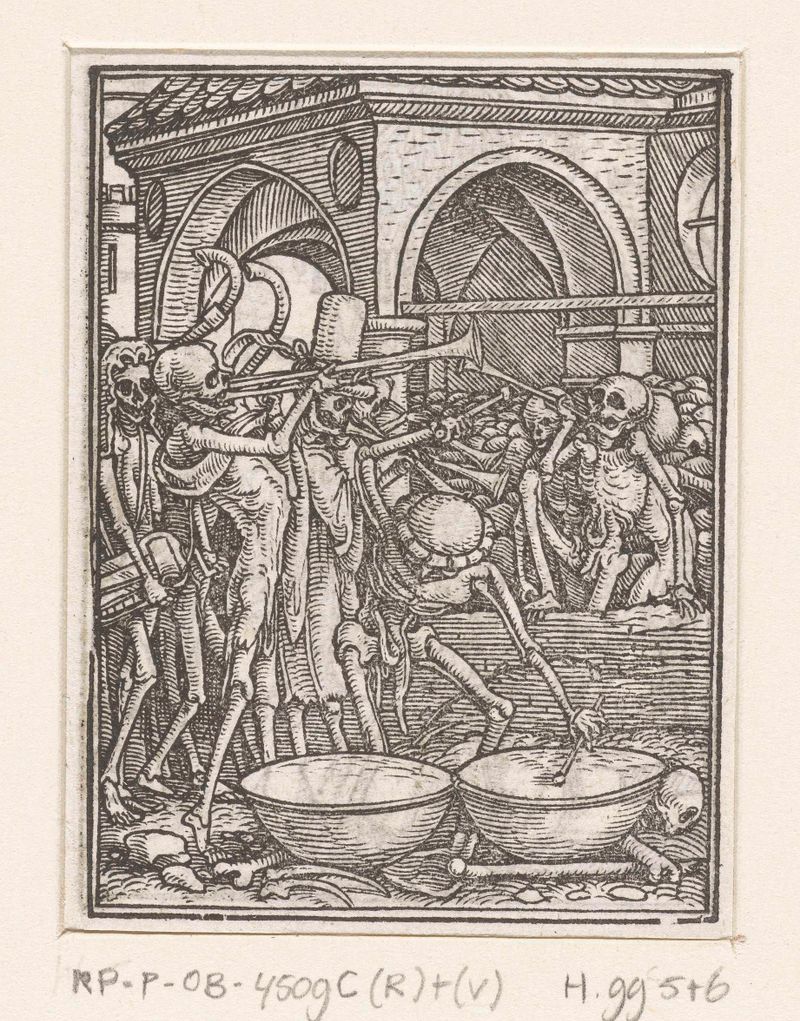
Skeletons Making Music from Dance of the Dead
Hans Holbein (II)
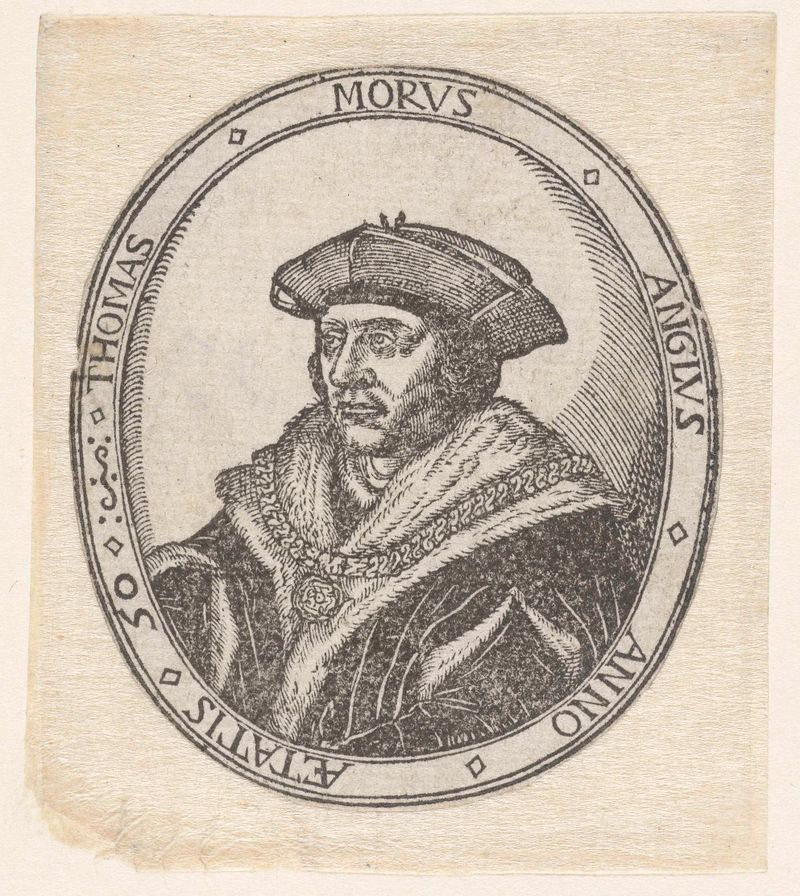
Portret van Thomas More
Hans Holbein (II)
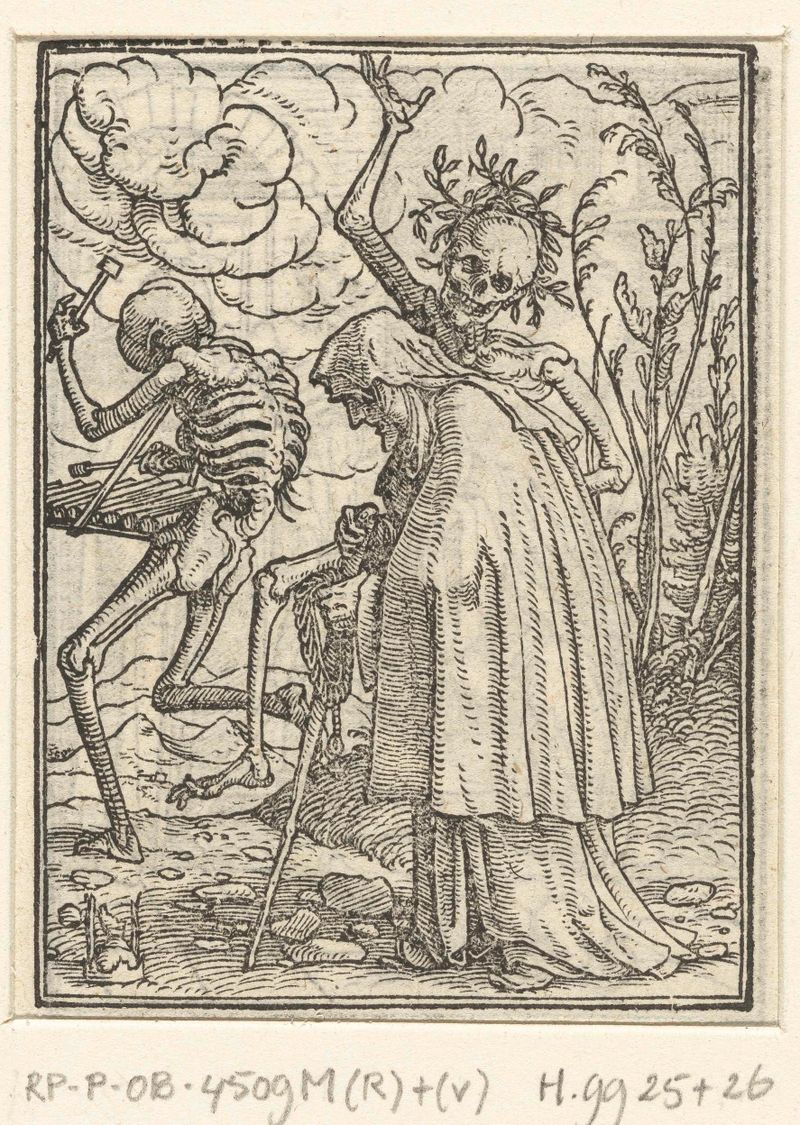
Oude vrouw en de Dood
Hans Holbein (II)
More Religious Art
Browse all →
The Return of the Prodigal Son
Rembrandt van Rijn

The Garden of Earthly Delights
El Bosco

Count Orgaz’ funeral
El Greco

The Hundred Guilder Print: the central piece with Christ preaching, the plate arched
Rembrandt van Rijn

The Descent from the Cross
Rogier van der Weyden

The return of the prodigal son
Rembrandt van Rijn