
Vesuvius seen from Posillipo — History & Facts
In the shimmering interplay of beauty and destruction, how does one capture the illusion of a moment before it slips away? Look to the horizon where the gentle curves of Vesuvius rise against a soft, azure sky, casting a shadow that dances upon the tranquil waters of the bay. The artist's meticulous brushstrokes create a subtle blend of greens and blues, leading your eye into a serene landscape that belies the volcano’s latent menace. Notice the delicate interplay of light on the surface of the water, a shimmering reflection that invites you to linger and contemplate the juxtaposition of peace and potential chaos. Beneath the surface beauty lies a profound narrative of tension and transformation.
The serene foreground, with its lush greenery and inviting vistas, contrasts starkly with the looming presence of Vesuvius, a silent guardian that holds the promise of destruction. This duality evokes a sense of fragility in life, where stillness can swiftly give way to turmoil. Each stroke seems to whisper of the latent power beneath the calm, inviting reflection on the nature of existence itself. In 1847, Johan Christian Dahl painted this landscape while residing in Dresden, a period marked by a growing fascination with Romanticism and nature's sublimity.
This work emerged during an era when artists sought to capture not only the physical world but also the emotional resonance it held. As Europe grappled with industrial advances and a changing landscape, Dahl's rendering of such a formidable natural force reflects both his mastery of landscape painting and his deep connection to the profound complexities of life.
More Artworks by Johan Christian Dahl
Browse all →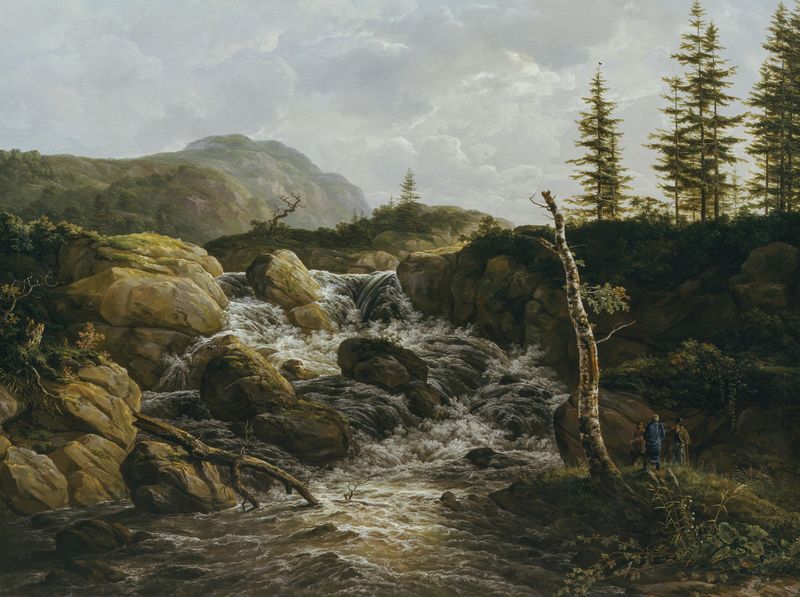
Mountainous Landscape with a Waterfall, Norway
Johan Christian Dahl
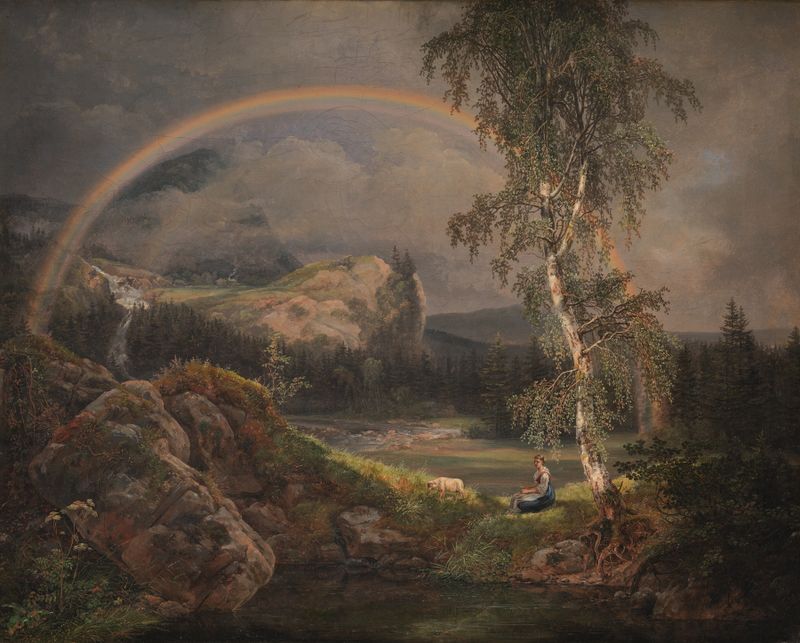
Norwegian Landscape with a Rainbow
Johan Christian Dahl
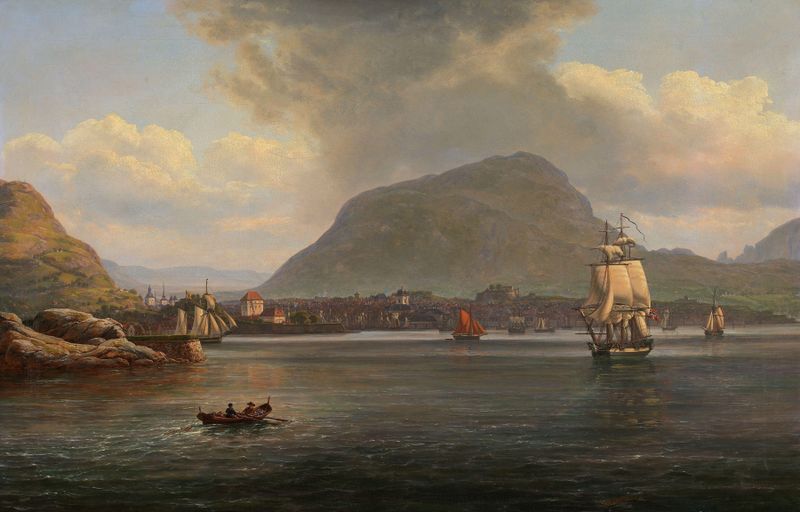
Bergen seen from the northern Inlet
Johan Christian Dahl
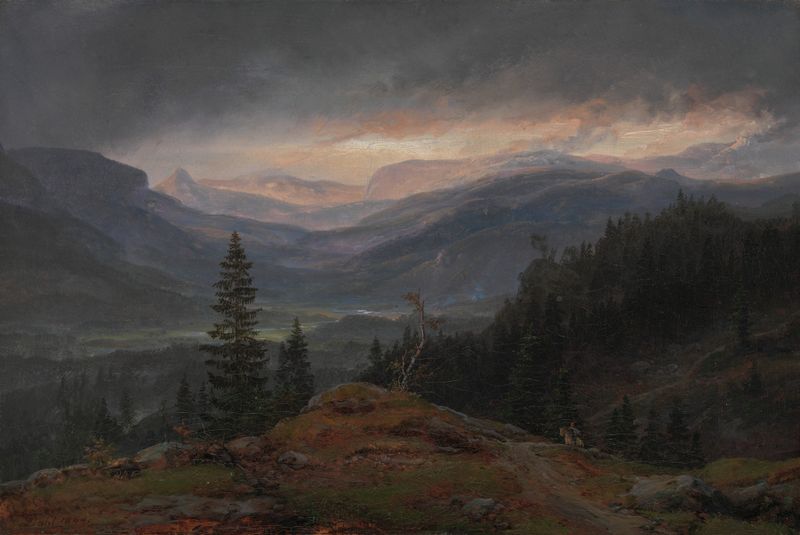
View over Hallingdal
Johan Christian Dahl
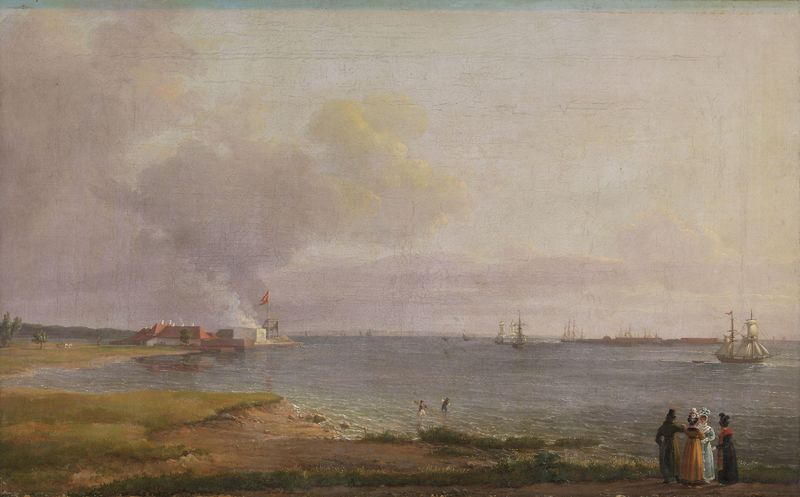
View over Øresund near the Lime Works
Johan Christian Dahl
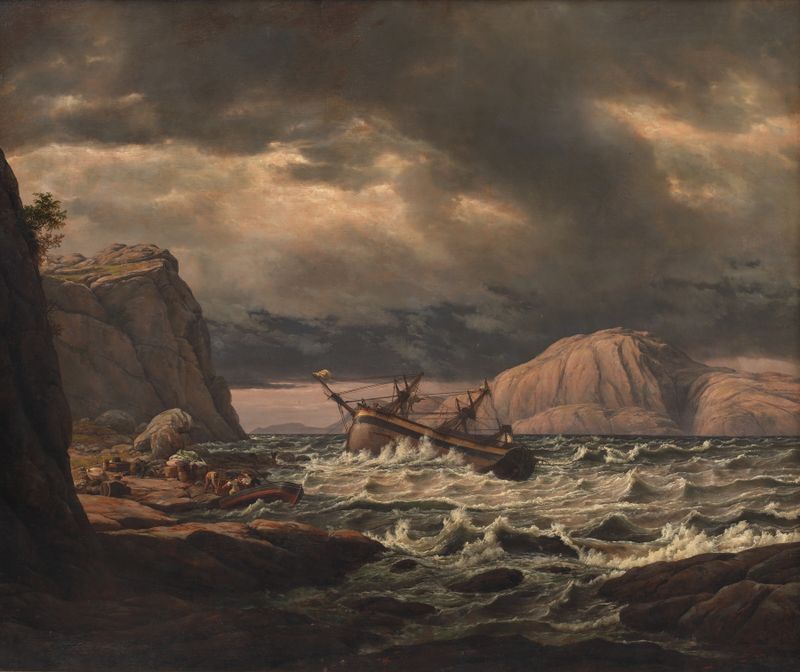
A Shipwreck on the Coast of Norway
Johan Christian Dahl
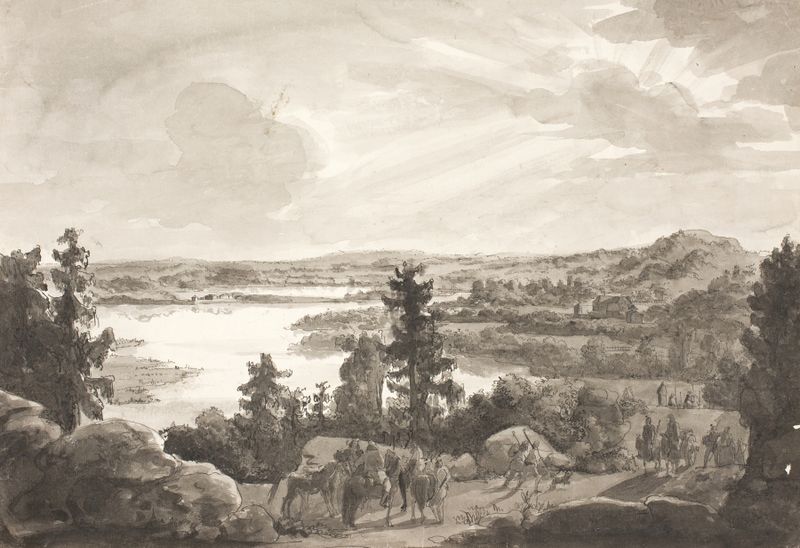
View of a Lake, Norway
Johan Christian Dahl
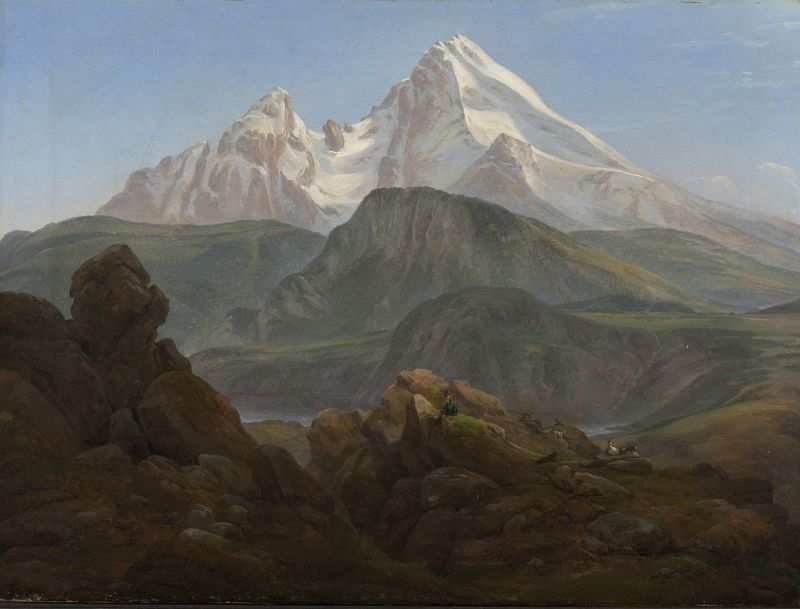
The Watzmann
Johan Christian Dahl
View of Hjelle in Valdres
Johan Christian Dahl

View At Skjolden In Lyster
Johan Christian Dahl





