
Victor Chocquet (1821-1891) — History & Facts
Can beauty exist without sorrow? In the delicate brushstrokes of this portrait, a complex harmony emerges, where joy and melancholy intertwine within a single frame. Look to the left at the subject's expressive gaze, which reflects both contemplation and warmth. The subtle play of light on Victor Chocquet's face draws attention, enhancing the contours and creating a lifelike presence. Notice how the soft palette of blues and greens envelops the figure, juxtaposed against the lively floral background, emphasizing the tranquility amidst a swirling world.
The careful composition invites the viewer to not only observe but to feel the essence of the man captured in the moment. In this work, emotional tension is palpable. The vibrant colors evoke a sense of life, while the muted tones hint at underlying struggles, suggesting a narrative of personal revolution. Chocquet's posture, relaxed yet slightly withdrawn, speaks volumes about the tumultuous era of artistic innovation and social change during which this portrait was created.
Each brushstroke becomes a testament to the duality of existence, where joy coexists with the weight of unvoiced challenges. Renoir painted this portrait around 1875, a time when he was establishing his identity within the Impressionist movement. Living in Paris, he was surrounded by a burgeoning art scene that was redefining traditional norms. This period marked a significant shift in his career as he began to embrace a more personal style, celebrating the beauty in everyday life amid the backdrop of revolutionary artistic ideas.
More Artworks by Pierre-Auguste Renoir
Browse all →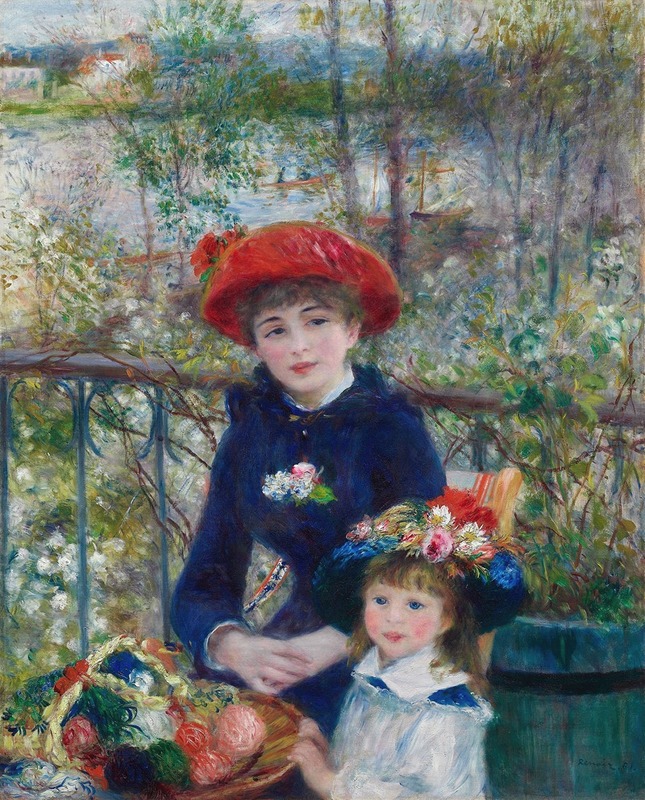
Two Sisters (On the Terrace)
Pierre-Auguste Renoir
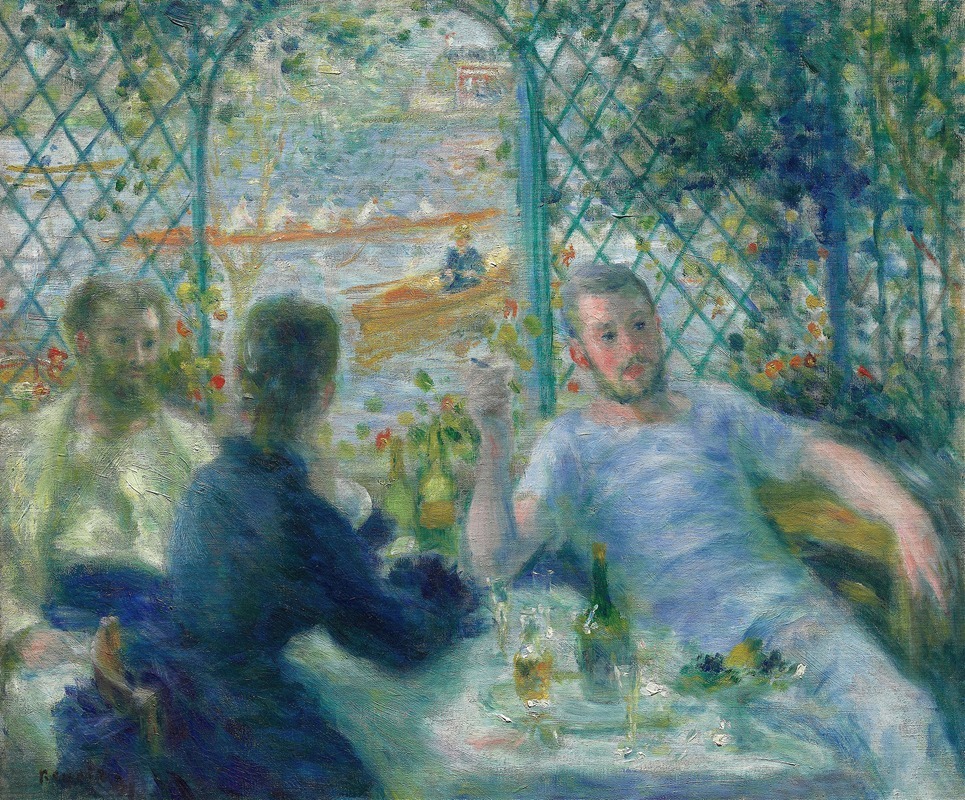
Lunch at the Restaurant Fournaise (The Rowers' Lunch)
Pierre-Auguste Renoir
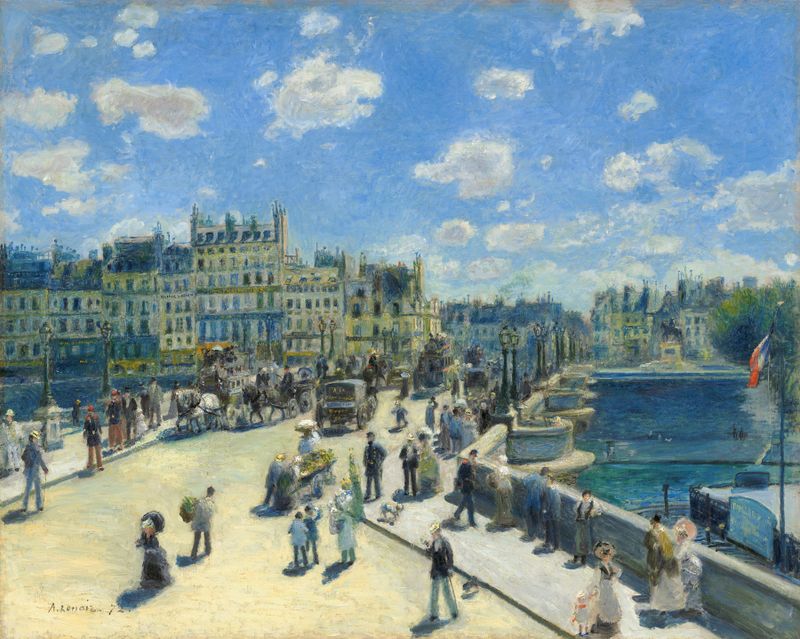
Pont Neuf, Paris
Pierre-Auguste Renoir
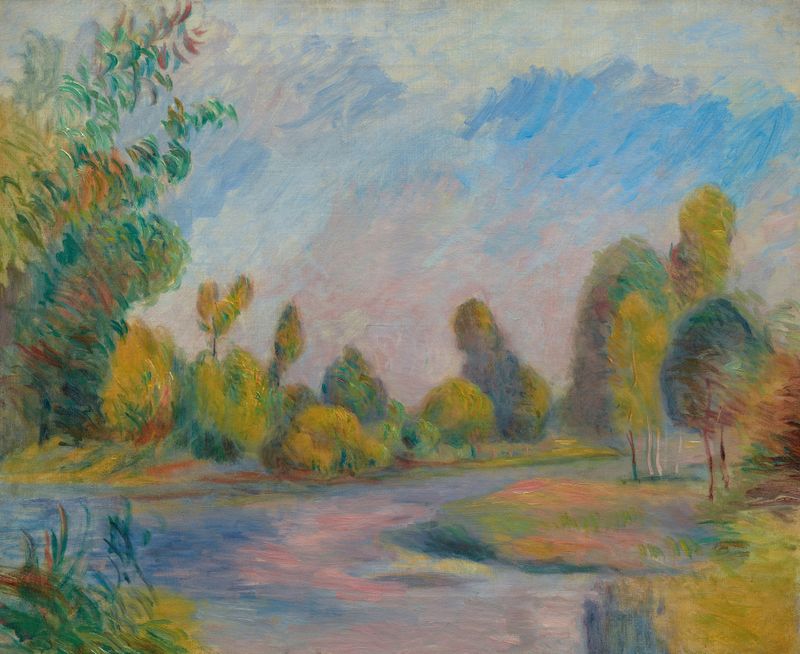
Au bord de la rivière
Pierre-Auguste Renoir

Near the Lake
Pierre-Auguste Renoir
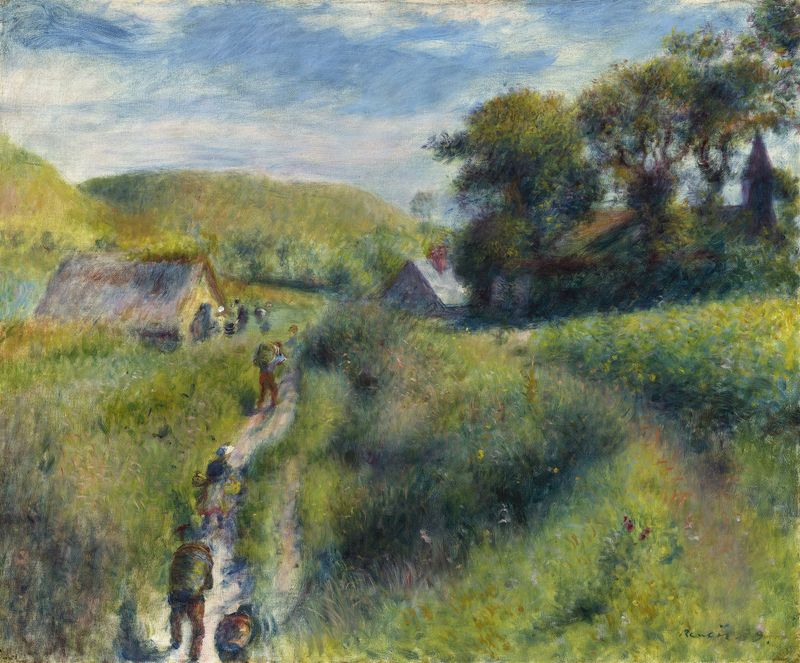
The Mussel Harvest
Pierre-Auguste Renoir

The Seine at Chatou
Pierre-Auguste Renoir
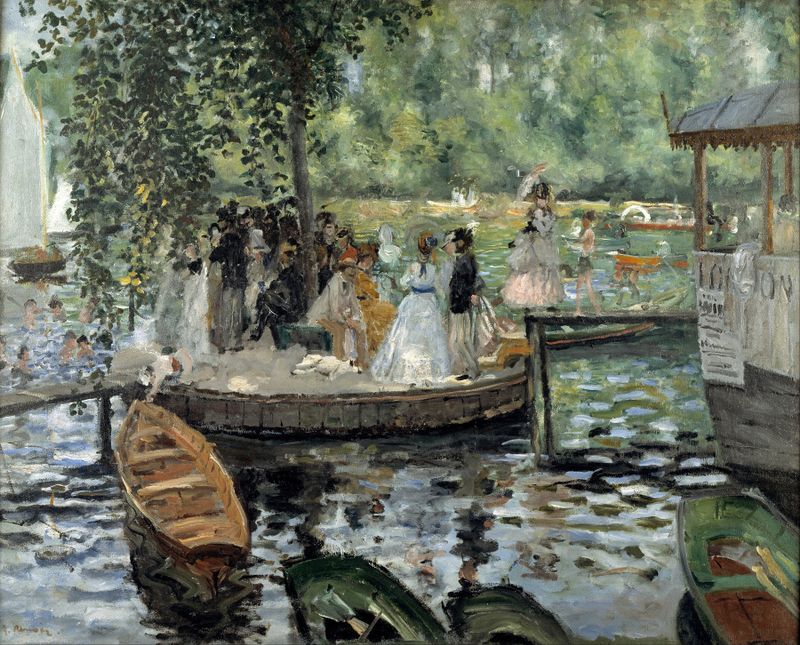
La Grenouillère
Pierre-Auguste Renoir
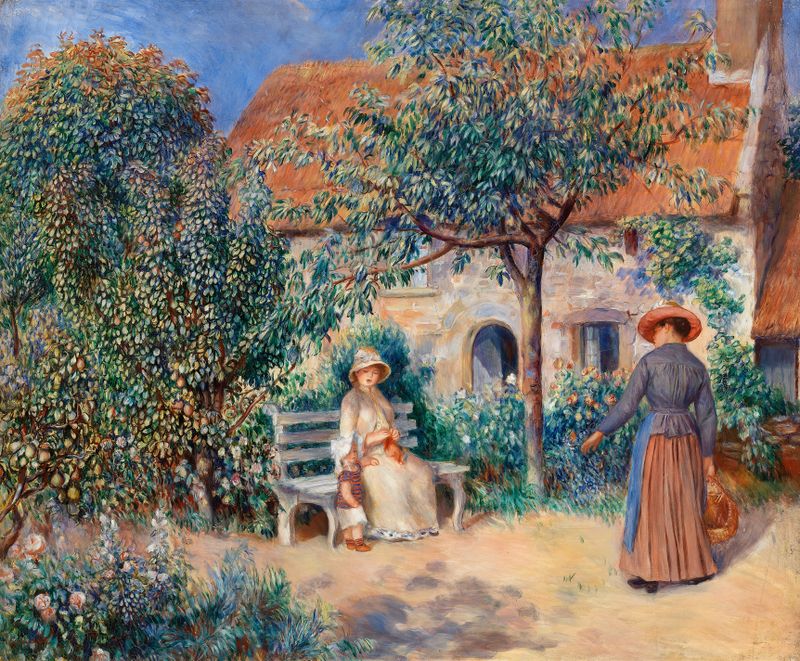
In Brittany (En Bretagne)
Pierre-Auguste Renoir
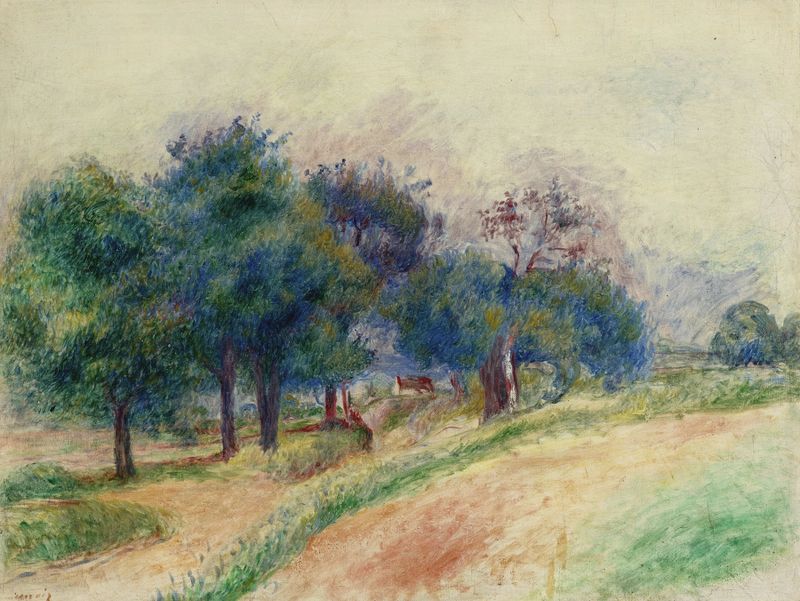
Paysage d’Essoyes
Pierre-Auguste Renoir
More Portrait Art
Browse all →
Las meninas
Diego Velázquez

Self-portrait with a Bandaged Ear and Pipe
Unidentified artist

Girl with a Pearl Earring
Johannes Vermeer

The Sampling Officials of the Amsterdam Drapers’ Guild, Known as ‘The Syndics’
Rembrandt van Rijn

The Hundred Guilder Print: the man seen on the back in the lower left corner
Rembrandt van Rijn

Portrait of Dr Gachet
Vincent van Gogh