
Vieille Chaumière Aux Sablons — History & Facts
Could beauty survive in a century of chaos? In Vieille Chaumière Aux Sablons, a serene landscape reveals the delicate balance between nature and human existence. The quiet charm of the old cottage invites contemplation, suggesting that, even amid turmoil, moments of tranquility can flourish. Focus first on the gentle hues that define this painting — soft greens and warm earth tones envelop the scene. Look to the left where the slanted roof of the thatched cottage meets the rich foliage, both harmonizing in a graceful embrace.
The brushstrokes evoke a sense of movement, as if the trees sway lightly in an unseen breeze, while the dappled sunlight filters through, creating playful shadow patterns that dance across the ground. Beneath the tranquil surface lies an interplay of solitude and nostalgia. The solitary cottage, surrounded by flourishing nature, evokes a longing for a simpler past, a stark contrast to the rapid industrialization of the time. The lush greenery speaks to the resilience of the environment, while the rustic dwelling stands as a testament to human vulnerability — a fragile refuge against the encroaching changes of modern life. In 1885, while residing in France, Alfred Sisley painted this work amidst the Impressionist movement's rising influence.
At this time, he faced struggles with financial instability yet remained dedicated to capturing the essence of his surroundings. This piece reflects not only Sisley’s artistic vision but also the broader tension between nature and industrial progress, a theme that resonated deeply with many artists of his generation.
More Artworks by Alfred Sisley
Browse all →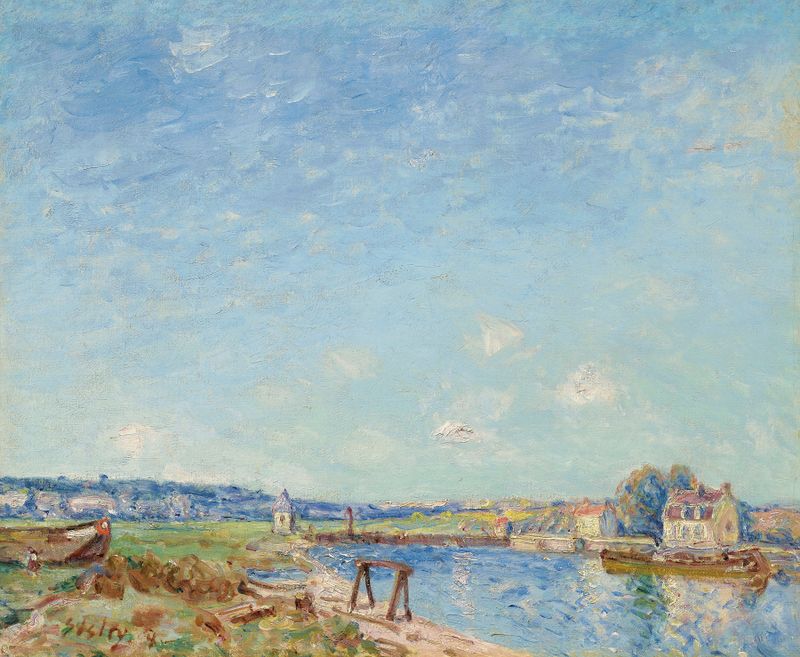
Le Loing à Saint-Mammès
Alfred Sisley
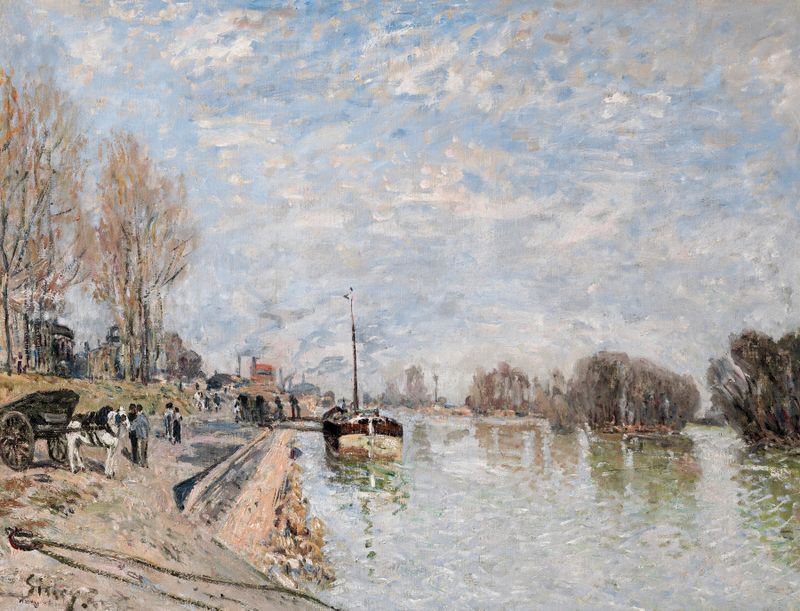
La Seine à Suresnes
Alfred Sisley
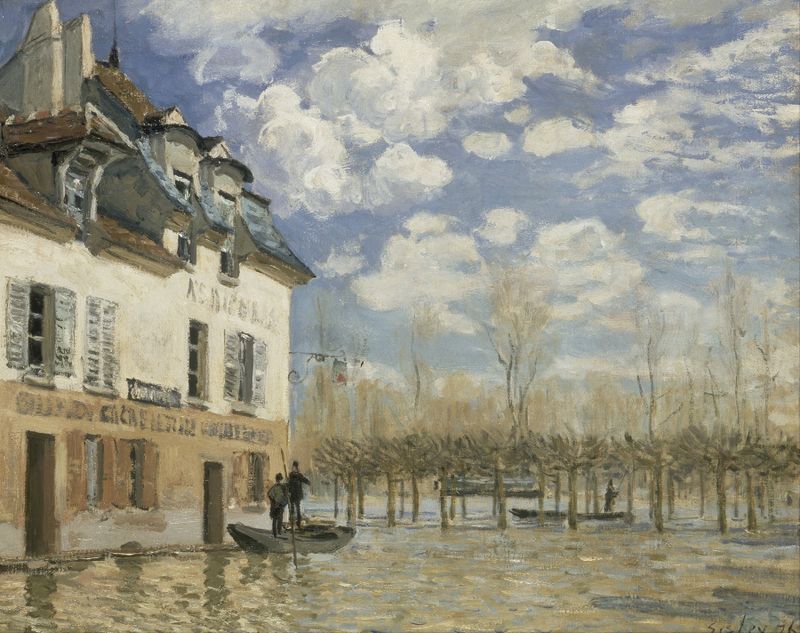
Boat in the Flood at Port Marly
Alfred Sisley
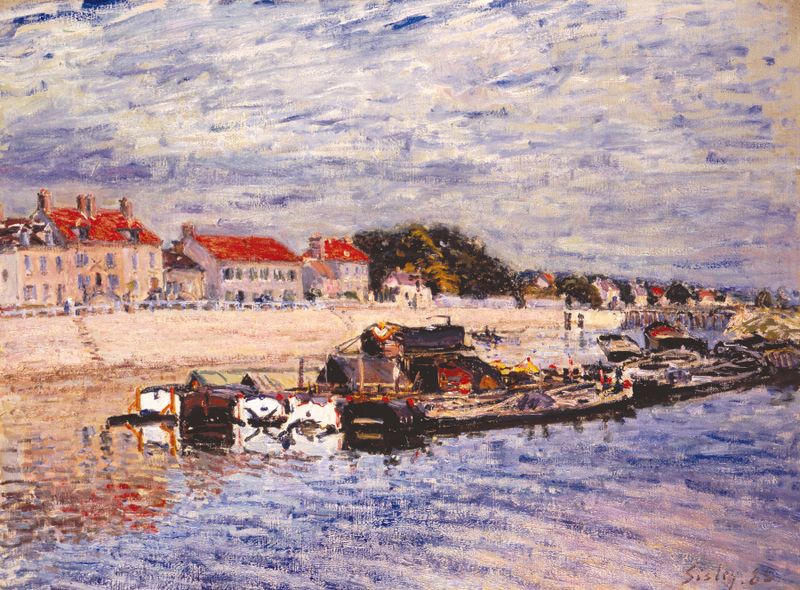
Barges on the Loing at Saint-Mammès
Alfred Sisley

L’allée des peupliers au bord du Loing
Alfred Sisley

Molesey Weir, Hampton Court
Alfred Sisley
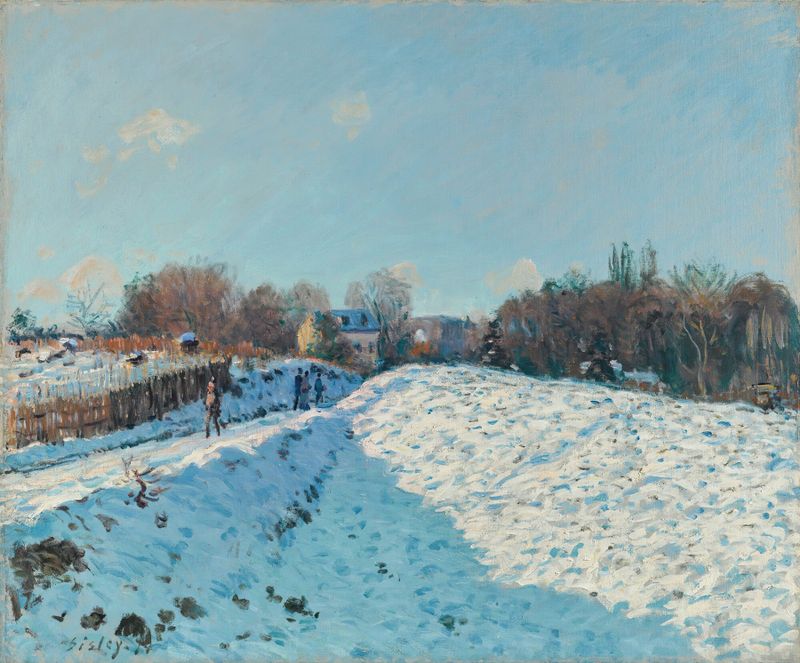
Effet De Neige À Louveciennes
Alfred Sisley
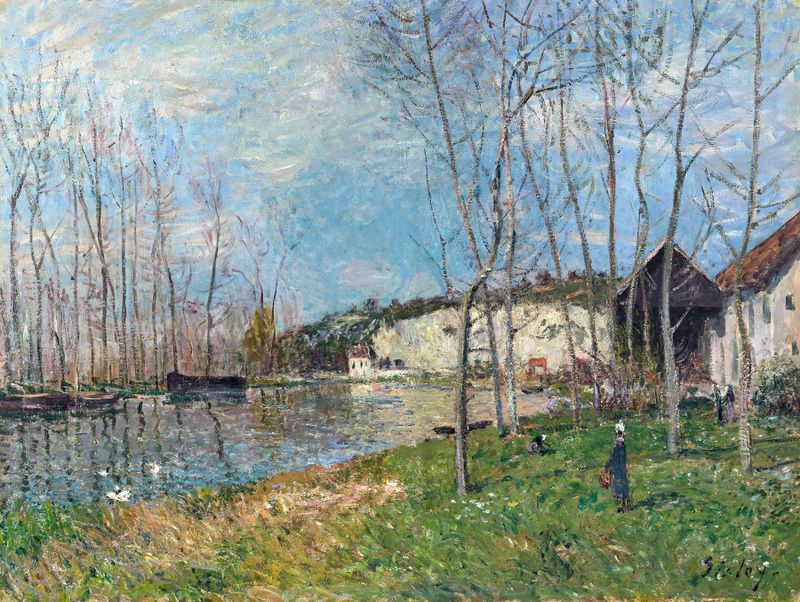
Printemps au bord du Loing
Alfred Sisley
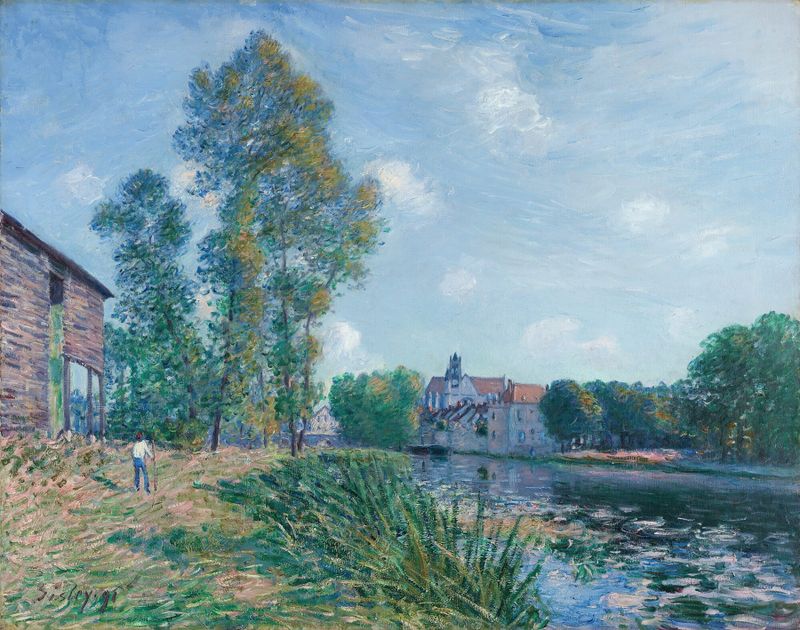
Le Loing À Moret, En Été
Alfred Sisley
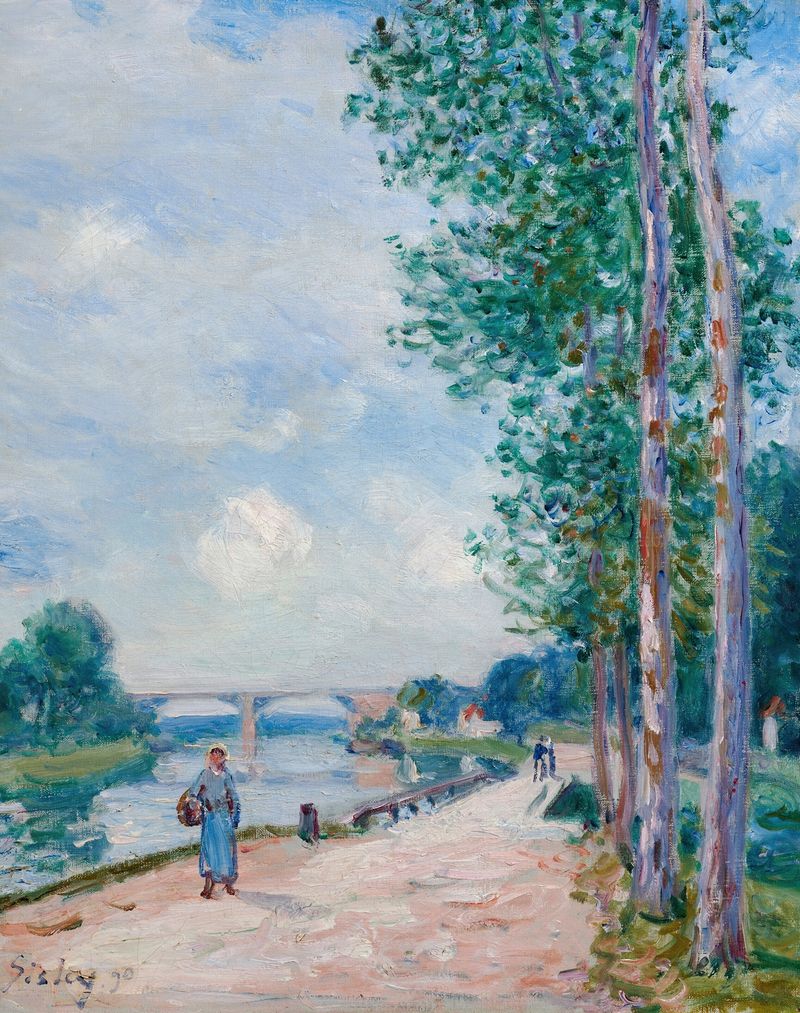
Les bords du Loing près de Moret
Alfred Sisley





