
Vier scènes uit het leven van Maria en vier Passiescènes: Annunciatie, De twaalfjarige Christus in de tempel, Besnijdenis van Christus, Presentatie van Christus in de tempel, Hemelvaart, Kruisiging, Kruisafneming, Opstanding — History & Facts
When did color learn to lie? It’s a question that reverberates through the vivid scenes captured by Callot, where beauty intermingles with profound truths and deeper sorrows. Each panel reveals a moment that transcends the ordinary, beckoning the viewer to consider the intersection of sanctity and humanity. The dichotomy of grace and suffering is expressed not only through meticulous detail but also in the emotional depth that these events carry. Look to the left at the haunting figure of the Annunciation, where a radiant light envelops the angel, casting shadows that dance across a reverent Mary.
The palette is rich with the blues and golds of divinity, skillfully layered to evoke an ethereal quality, while the architectural elements draw the eye towards the spiritual encounter. Notice how the delicate linework captures the tension in Mary’s posture—an elegant yet uncertain acceptance of the divine message, setting the tone for the narratives that follow. Delve deeper into the contrasts within the work; the innocence of the twelve-year-old Christ juxtaposed with the solemnity of His crucifixion. Each scene unfolds a story punctuated by intricate details—the hesitant gazes, the weight of burdens carried, and the fervent hope of resurrection.
These elements converge to create a tapestry of life, reflecting the complexities of faith, sacrifice, and redemption that resonate deeply with the viewer’s own experiences. In 1631, Callot was navigating the turbulent waters of European politics and art, his life a reflection of the Baroque period's dramatic and emotional currents. Working in Nancy, he produced Vier scènes uit het leven van Maria en vier Passiescènes during an era marked by both conflict and revival in the arts. This collection not only represents his technical prowess but also captures the spirit of a moment when artistic expression sought to transcend the temporal, inviting contemplation on the eternal.
More Artworks by Jacques Callot
Browse all →
Titelprent voor de prentreeks 'De kleine apostelen' (Het martelaarschap van de apostelen)
Jacques Callot
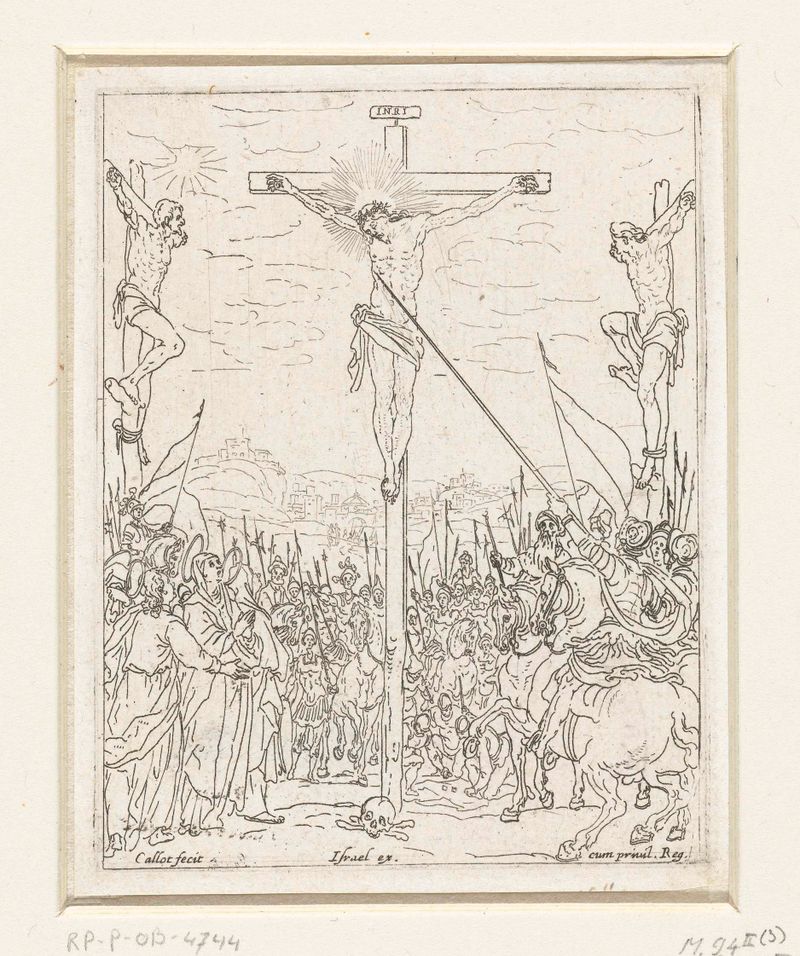
Kruisiging
Jacques Callot

De doortocht door de Rode Zee
Jacques Callot

De verloren zoon als zwijnenhoeder
Jacques Callot

Annunciatie
Jacques Callot
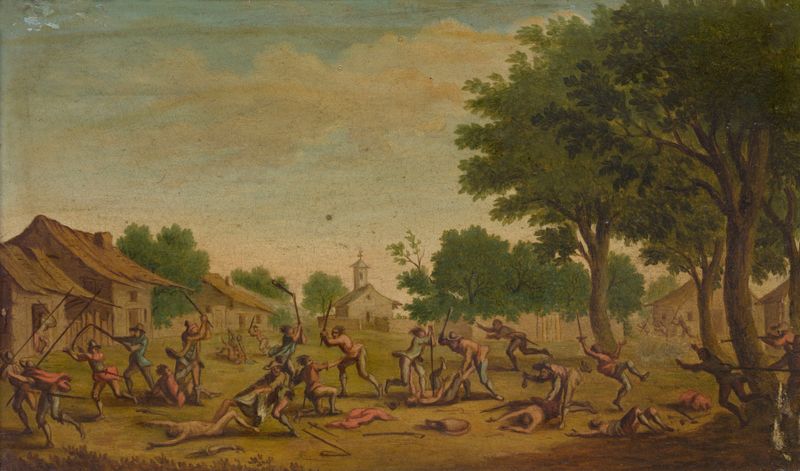
Village Fight
Jacques Callot

Titelprent voor prentreeks 'Het leven van Maria'
Jacques Callot
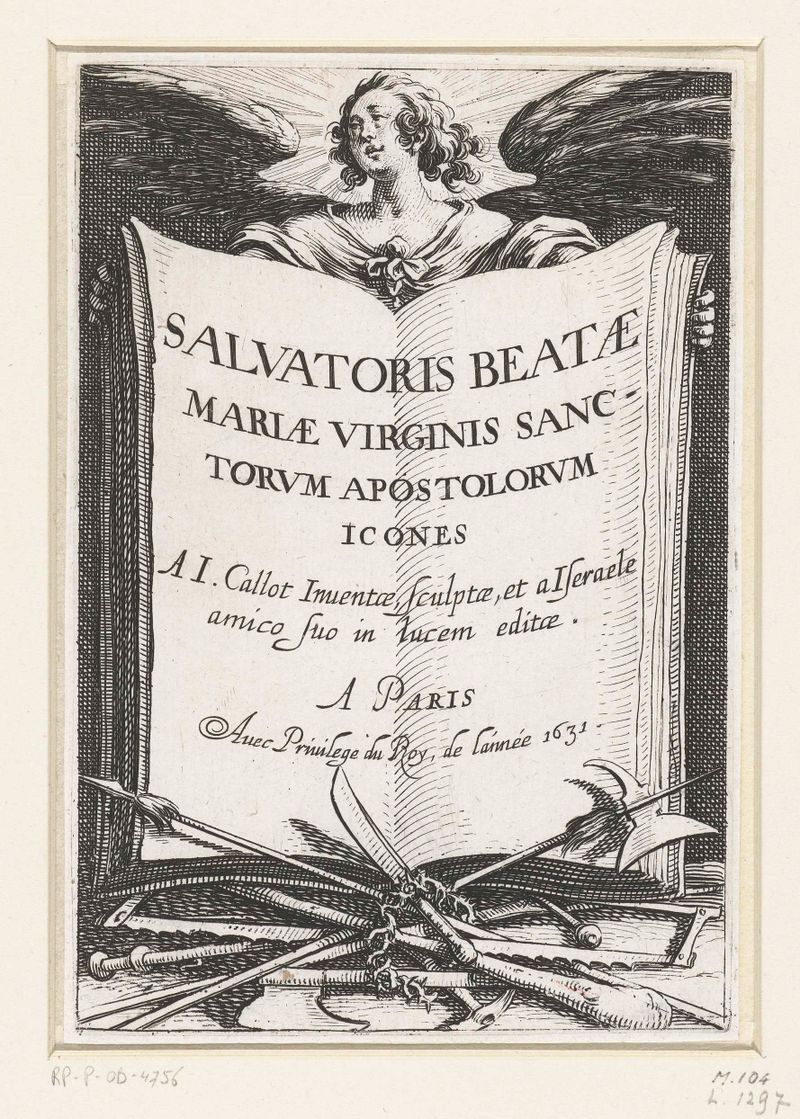
Titelprent voor de prentreeks 'De grote apostelen' (Christus, Maria en de apostelen)
Jacques Callot

Christus aan het volk getoond (Ecce homo)
Jacques Callot
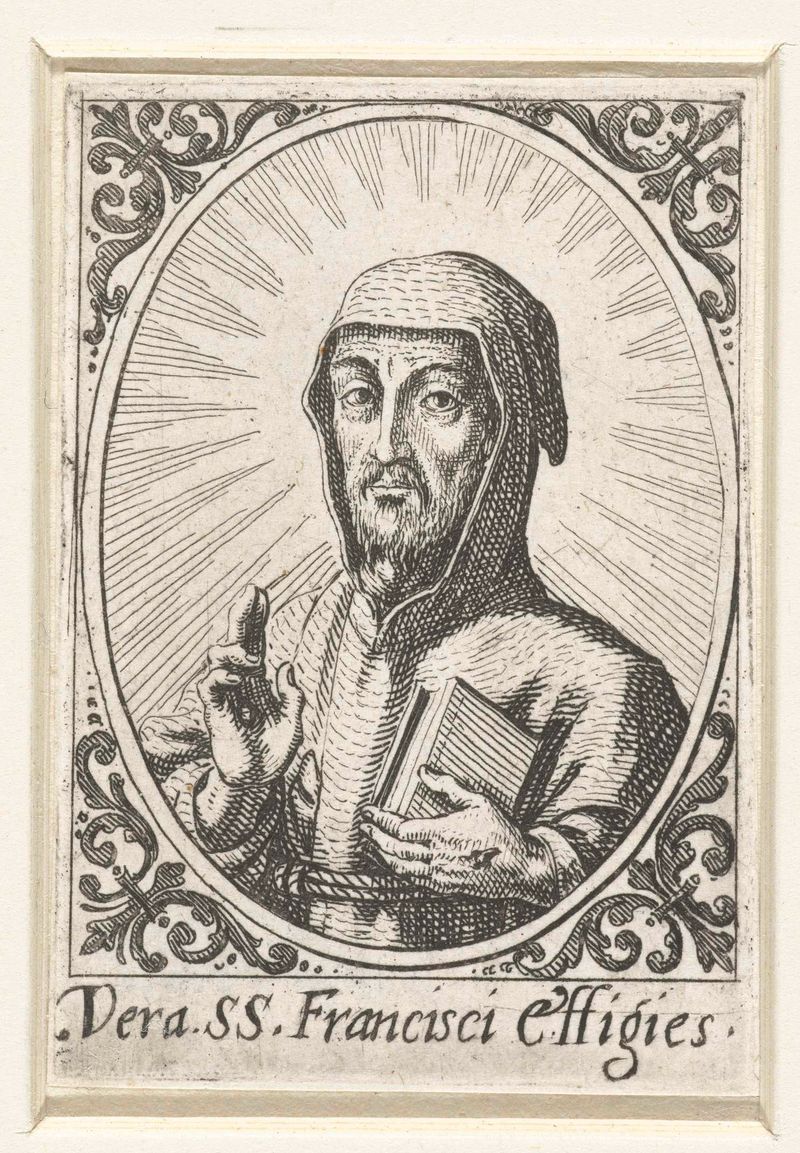
Portret van de Heilige Franciscus
Jacques Callot
More Religious Art
Browse all →
The Return of the Prodigal Son
Rembrandt van Rijn

The Garden of Earthly Delights
El Bosco

Count Orgaz’ funeral
El Greco

The Hundred Guilder Print: the central piece with Christ preaching, the plate arched
Rembrandt van Rijn

The Descent from the Cross
Rogier van der Weyden

The return of the prodigal son
Rembrandt van Rijn