Vier vlinders, een mot, twee torren en een vlieg — History & Facts
Can beauty exist without sorrow? In the tiny world of Vier vlinders, een mot, twee torren en een vlieg, the answer unfolds in delicate lines and soft nuances, where each insect tells a story of life's fleeting moments, woven into the fabric of nature’s bare elegance. Look to the center, where four butterflies rest, their wings a cascade of vivid colors set against a muted background. Notice how the fine details of their intricate forms contrast with the subtlety of the surrounding elements. Hollar's masterful use of chiaroscuro breathes life into each creature, creating a dance of light and shadow that draws the viewer’s eye.
The meticulous inkwork captures the delicate textures of the wings, while the gentle play of light highlights the fragile beauty of existence. Within this seemingly simple arrangement lies profound meaning. The juxtaposition of the butterflies' delicate grace and the unassuming fly suggests a tension between beauty and transience. Each insect depicts a moment suspended in time, an homage to the cycle of life and death.
The silent presence of the moth and beetles evokes a sense of quiet contemplation, inviting viewers to ponder the interplay of attraction and repulsion in nature's design. In 1646, Wenceslaus Hollar created this work amidst a period of transformation in Europe, marked by the echoes of revolution and changing ideals. Living in England after fleeing the Thirty Years’ War, Hollar immersed himself in the burgeoning world of natural history and scientific exploration. This engraving exemplifies the intricate balance of observation and artistry during a time when the beauty of the natural world was becoming a focal point in artistic endeavors.
More Artworks by Wenceslaus Hollar
Browse all →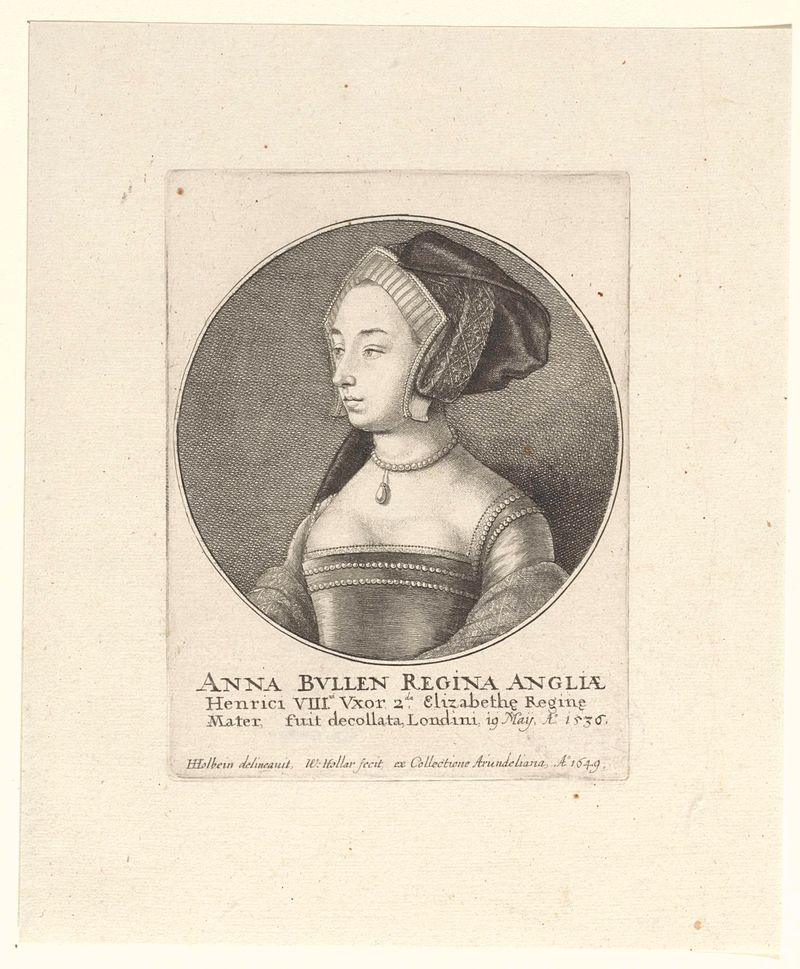
Portret van Anna Boleyn, koningin van Engeland
Wenceslaus Hollar
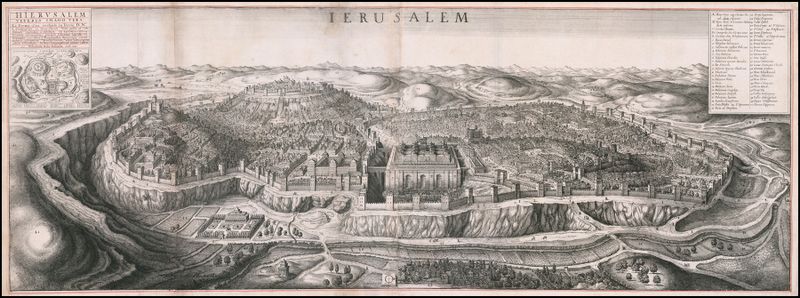
Bird’s eye view of Jerusalem
Wenceslaus Hollar
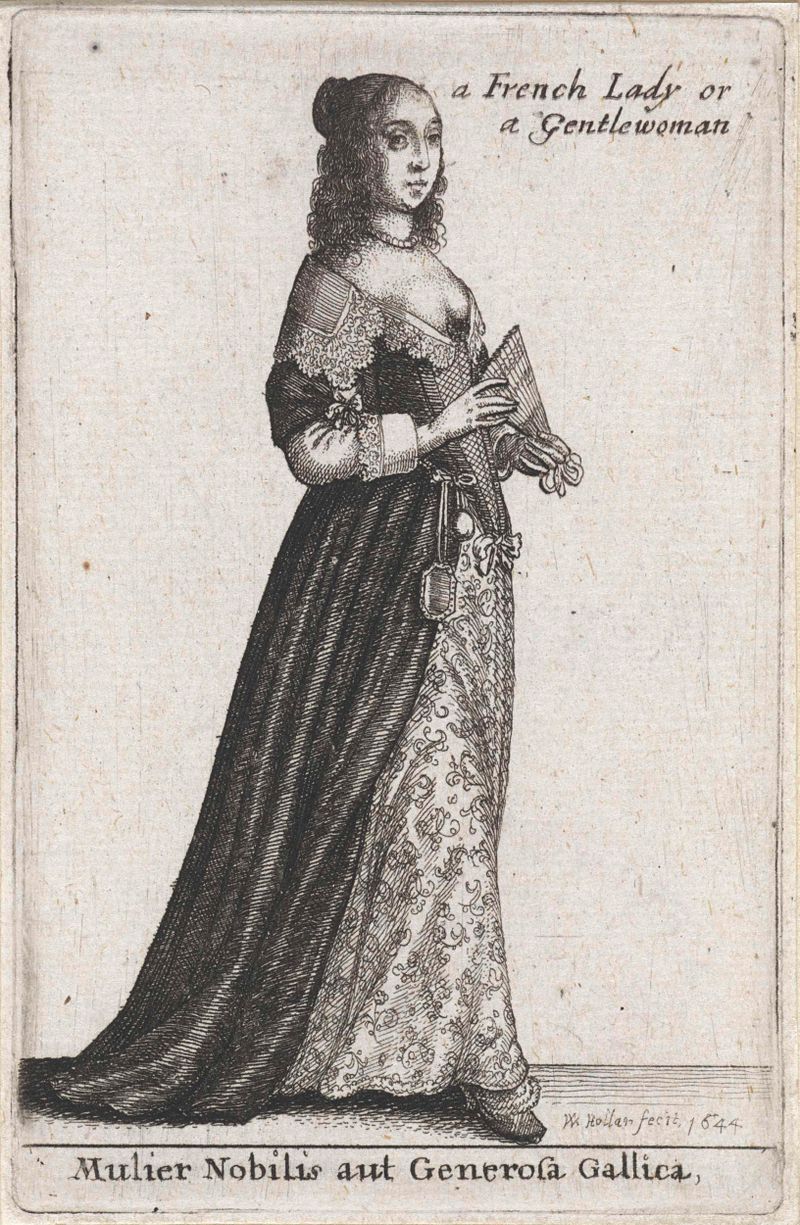
Mulier Nobilis aut Generosa Gallica / a French Lady or Gentlewoman
Wenceslaus Hollar
Titelprent voor: Ornatus Muliebris Anglicanus
Wenceslaus Hollar
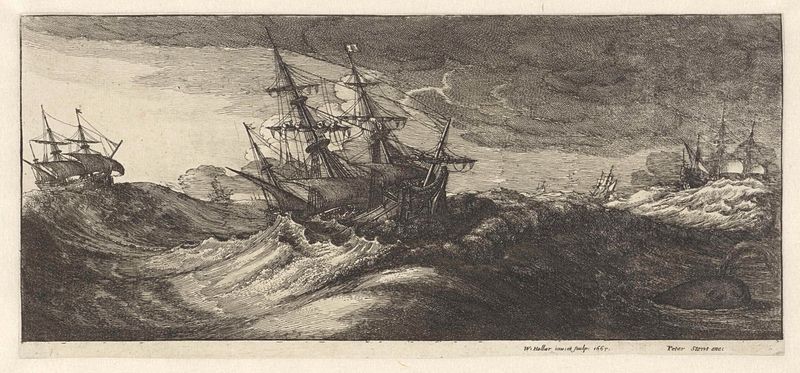
Oorlogsschepen en een walvis in een zeestorm
Wenceslaus Hollar
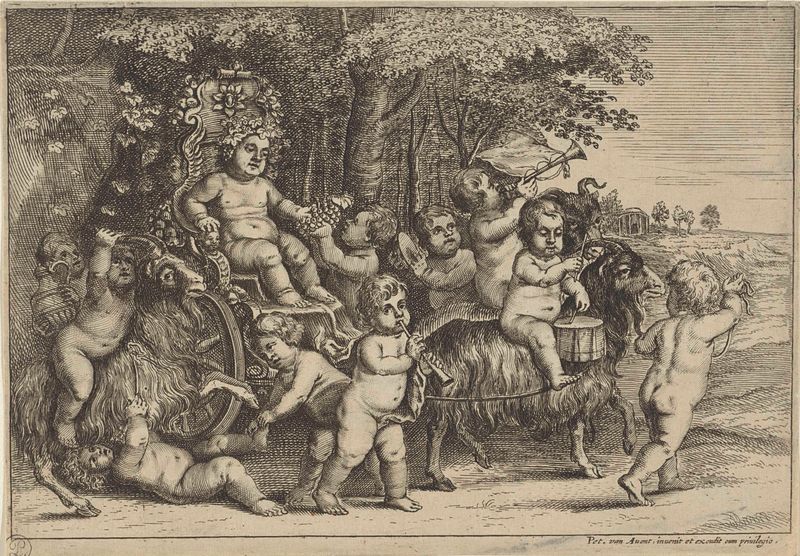
Optocht van bacchant en jongetjes op geiten
Wenceslaus Hollar
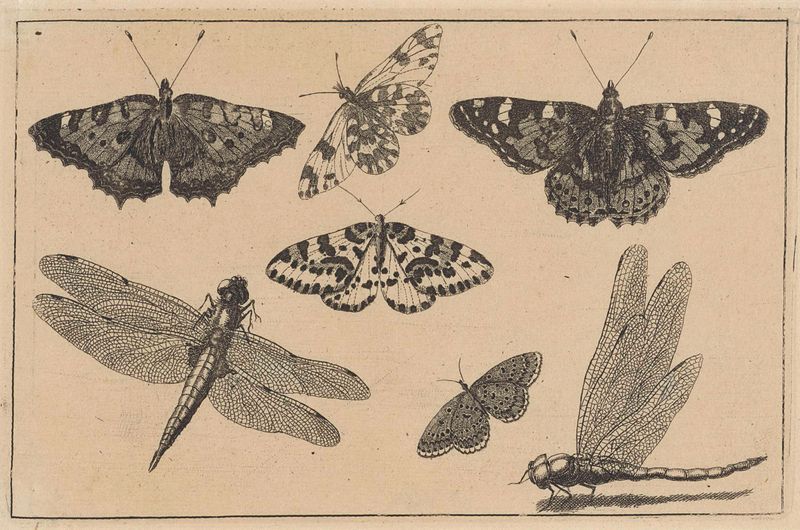
Twee libellen en vijf vlinders
Wenceslaus Hollar
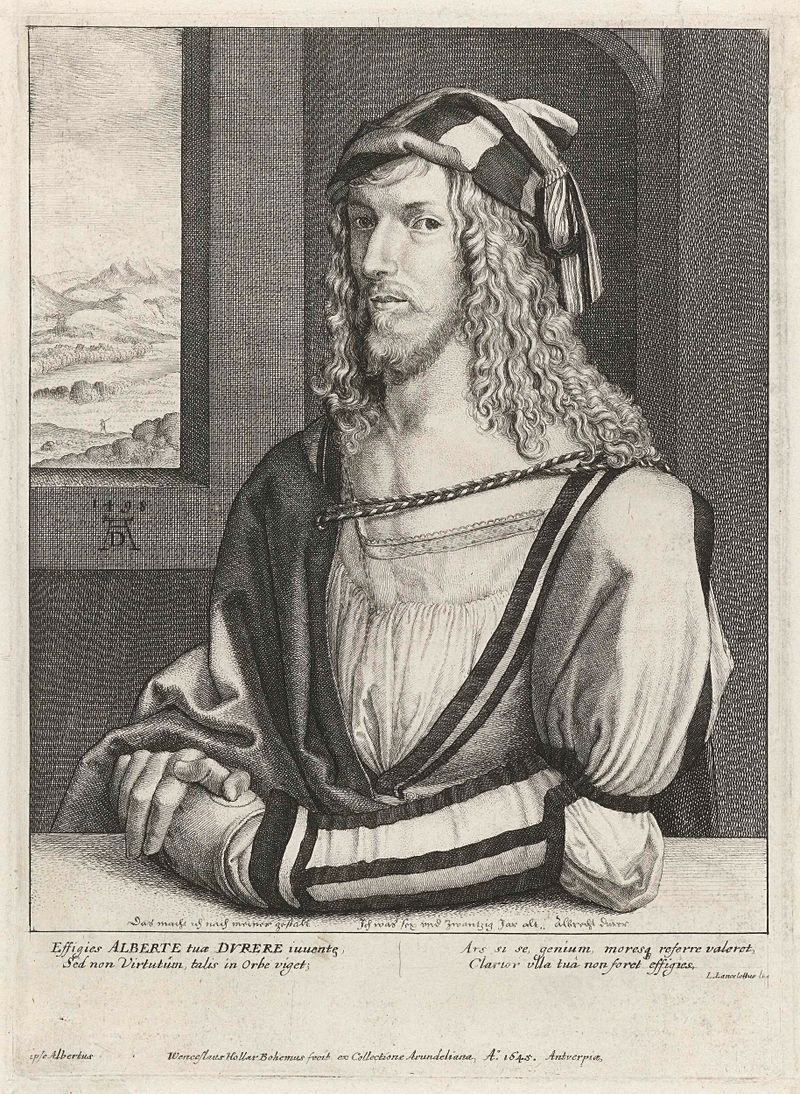
Portret van Albrecht Dürer
Wenceslaus Hollar
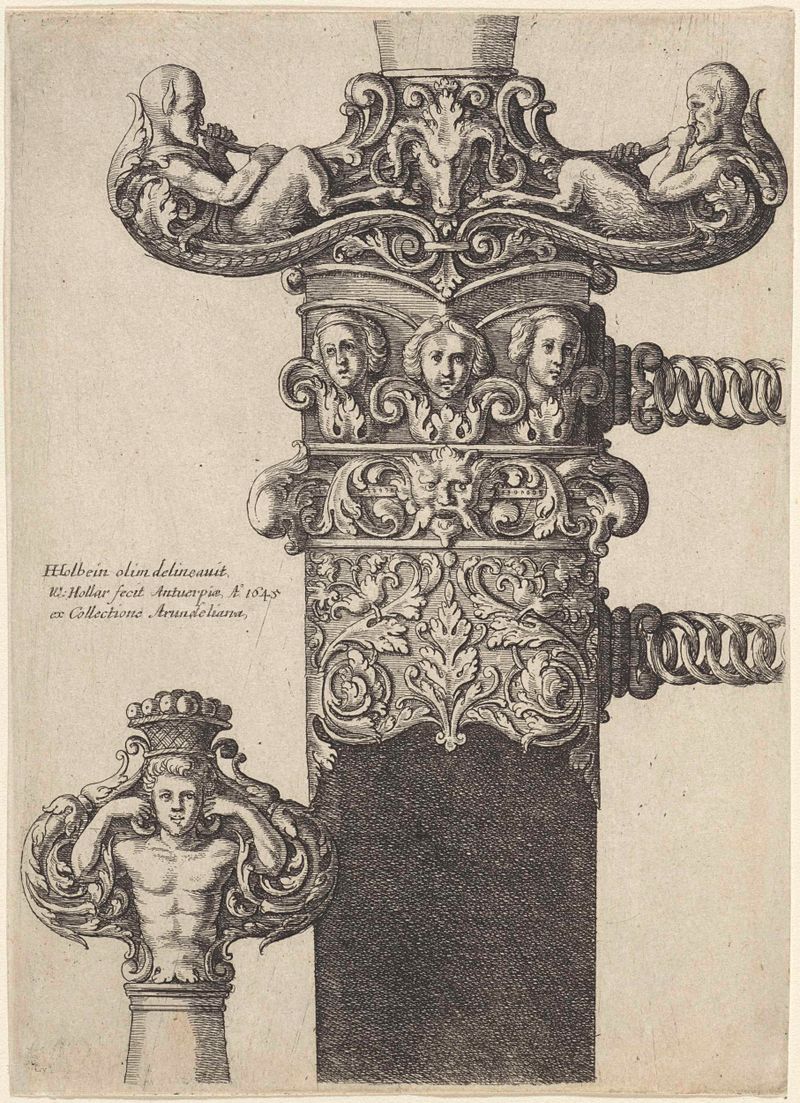
Ornamenteel ontwerp voor een dolk
Wenceslaus Hollar
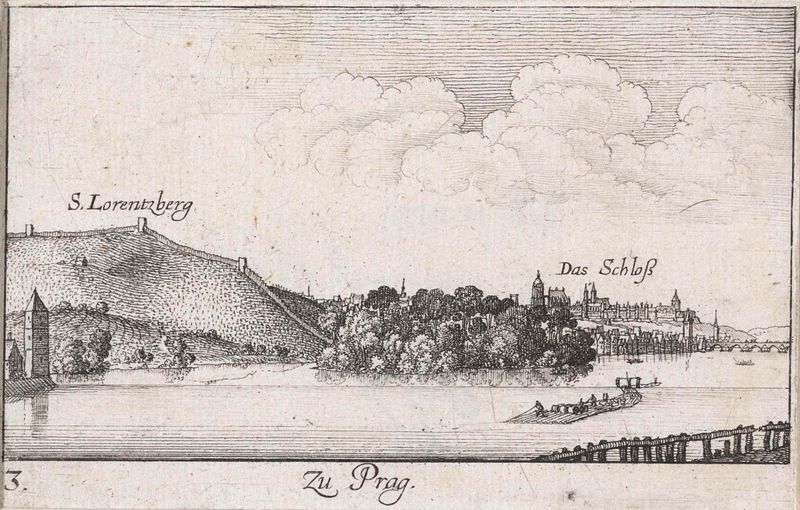
Gezicht op Praag vanaf de Moldau
Wenceslaus Hollar