
View at Caernarvon, Wales — History & Facts
Could a single brushstroke hold eternity? The delicate interplay of light and landscape in the painting invites such contemplation, drawing viewers into a moment that transcends time. Look to the left at the gentle rise of the hills, where soft greens blend seamlessly into the sky, creating a sense of harmony. The artist’s brushstrokes are fluid yet purposeful, capturing the reflection of the distant castle upon the rippling water below. Notice how the light dances across the surface, illuminating the subtle blues and grays, contrasting with the vibrant earth tones of the foreground.
This careful composition guides the viewer's eye across the landscape, revealing a rich tapestry of natural beauty. Underlying the tranquility is a tension between permanence and transience. The sturdy castle stands as a sentinel of history, while the water's surface shifts with the breezes, echoing the ephemeral nature of life. The juxtaposition of solid structures against the agile reflections speaks to a deeper philosophical dialogue about existence and memory.
Each brushstroke encapsulates fleeting moments, inviting contemplation on what lasts and what fades. William Payne created this painting in 1826 during a period marked by Romanticism, which celebrated nature and individual experience. Living in England, he was influenced by the picturesque movement, which sought to capture the beauty of the landscape. At this time, many artists were exploring the relationship between humanity and the natural world, a theme beautifully embodied in this serene view of Caernarvon, Wales.
More Artworks by William Payne
Browse all →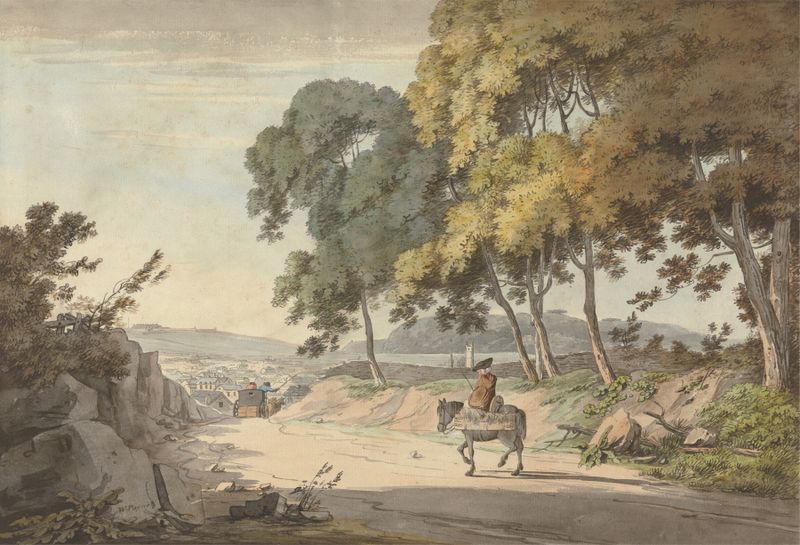
View of Plymouth taken from the Seven Trees, Exeter Road
William Payne

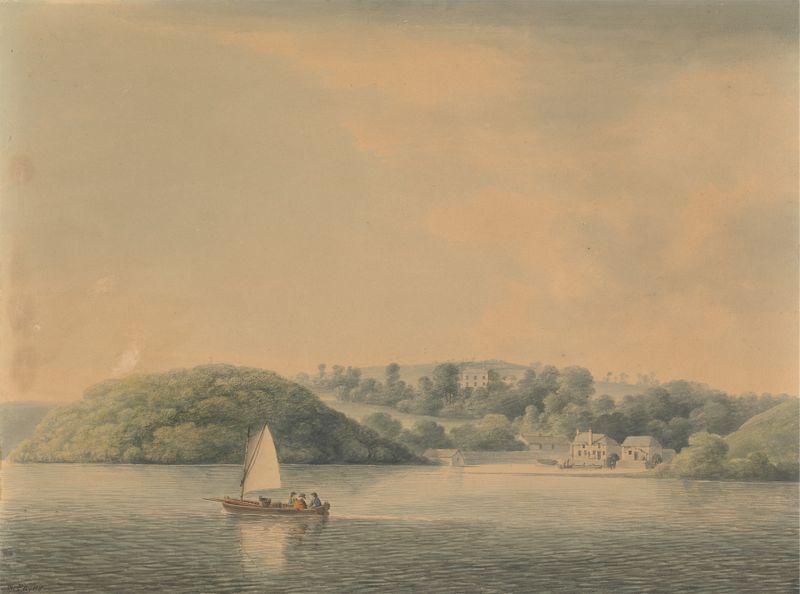
Britten Ferry, Mount Edgecombe
William Payne
Mill on the Tavy
William Payne

Distant View of Exmouth from Exeter
William Payne
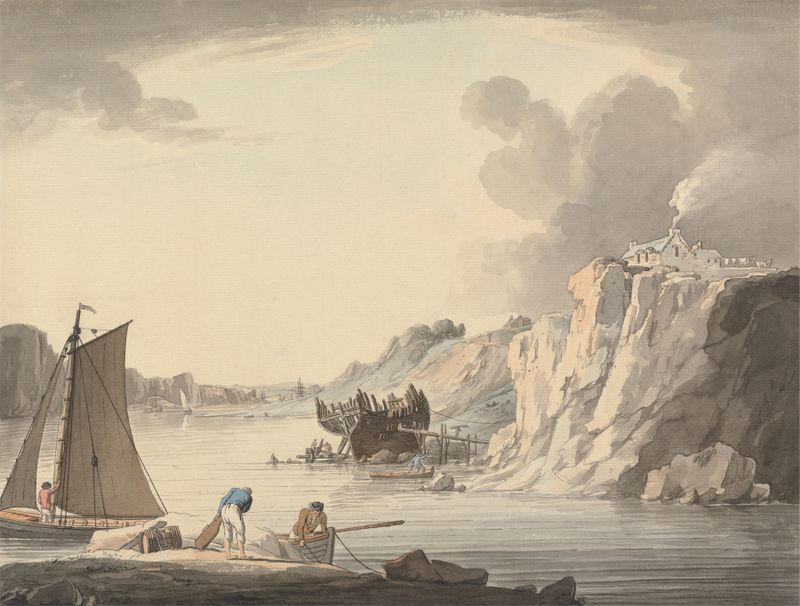
Entrance to Stonehouse Creek, between Plymouth and Dock, Devon
William Payne
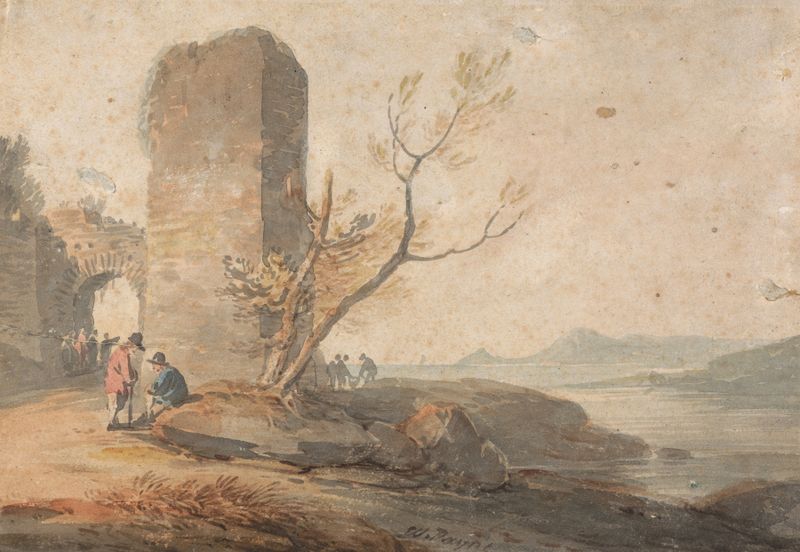
Figures by a Ruined Arch
William Payne
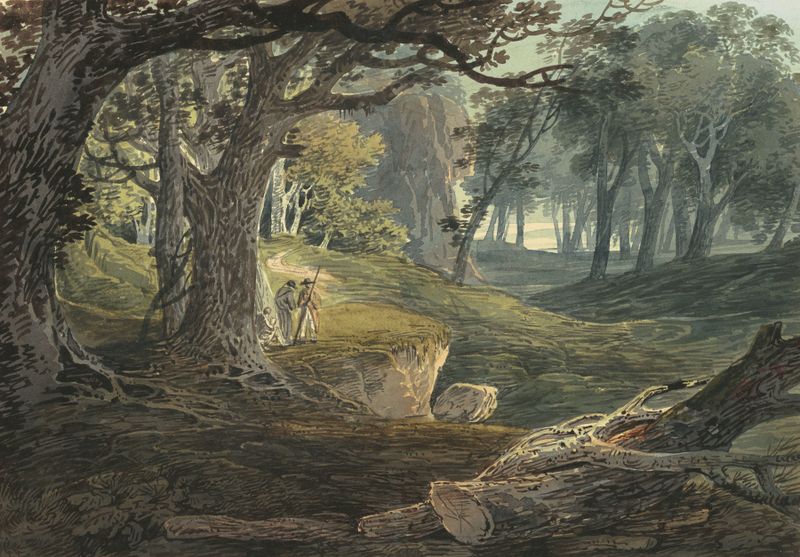
Travellers in a Woodland Glade
William Payne
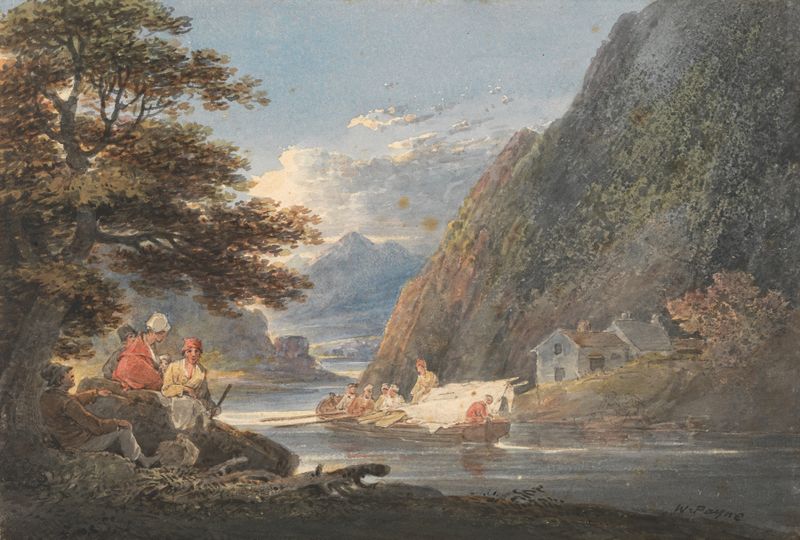
On the River Tivy, near Cardigan, Wales
William Payne
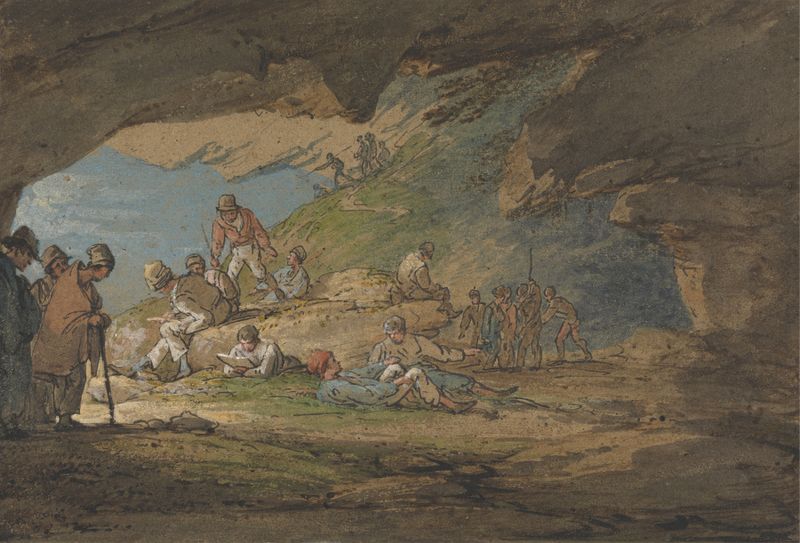
A Cave in Sunlight, with Figures
William Payne
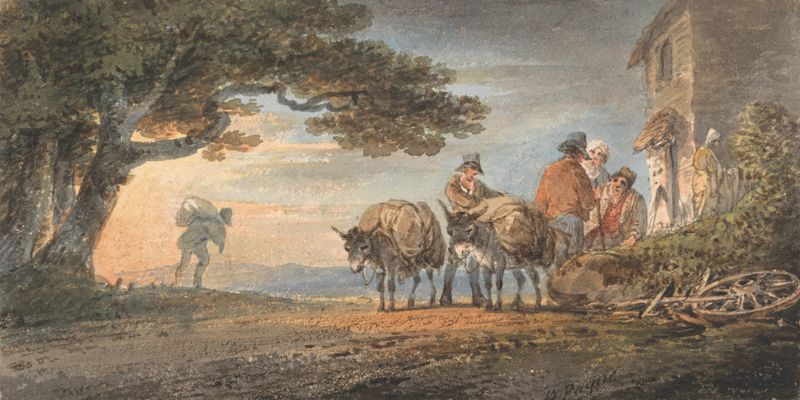
Drivers and Burros Resting at Sunset
William Payne





