
View at Villa Scabrosa — History & Facts
What if silence could speak through light? In View at Villa Scabrosa, a poignant hush envelops the landscape, whispering tales of longing and reflection. Look to the horizon where soft hues of dusk bleed into one another, casting a serene glow over the villa. The intricate details of the architecture stand resilient, yet seem to fade into the background, as if yearning for the past. Notice how the gentle undulation of the hills cradles the scene, the trees, painted with delicate strokes, sway as if caught in an eternal moment, inviting the viewer to linger in their embrace. The interplay of light and shadow reveals a deeper narrative beneath the tranquil surface.
The warmth of the setting sun juxtaposes the coolness of the shadows, embodying the tension between memory and the passage of time. There’s a haunting quality to the stillness; the empty benches suggest a story untold, and the distant mountains loom like silent witnesses to the dreams once harbored within the villa's walls. Created in 1810, this piece emerged during a pivotal moment for Luigi Mayer, who was deeply influenced by the Romantic movement and the emerging interest in capturing the sublime beauty of nature. Living in Italy, he was surrounded by a resurgence of classical themes and picturesque landscapes, which inspired him to portray the emotional depths of the environment.
This work reflects not just the aesthetic ideals of his time, but also a personal desire to convey the bittersweet essence of solitude and reflection.
More Artworks by Luigi Mayer
Browse all →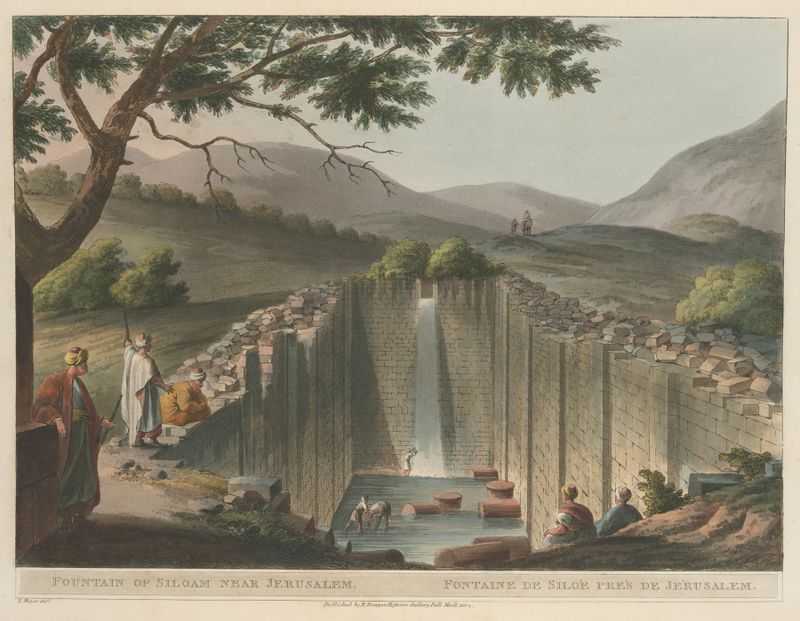
Fountain of Siloam Near Jerusalem
Luigi Mayer

View of the Dardanelles
Luigi Mayer
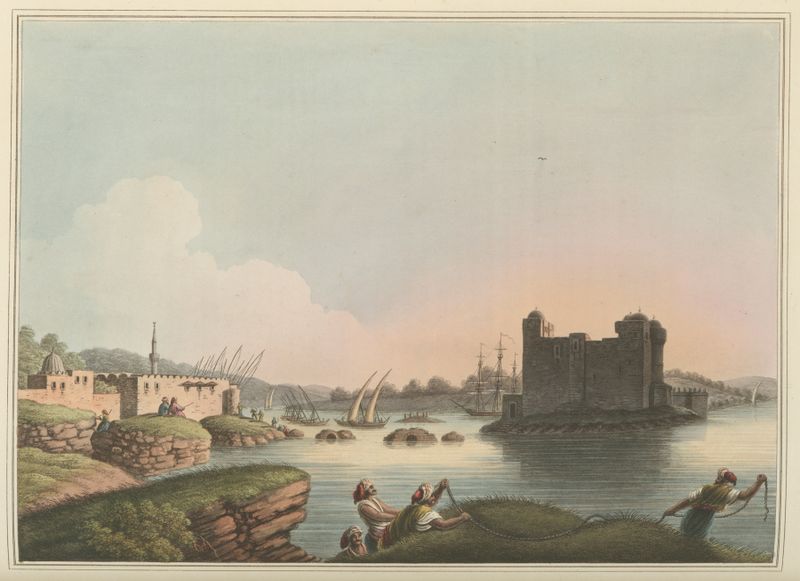
Port of Latachia
Luigi Mayer

Stadium at Ephesus
Luigi Mayer

Ancient Temples at Agrigentum
Luigi Mayer
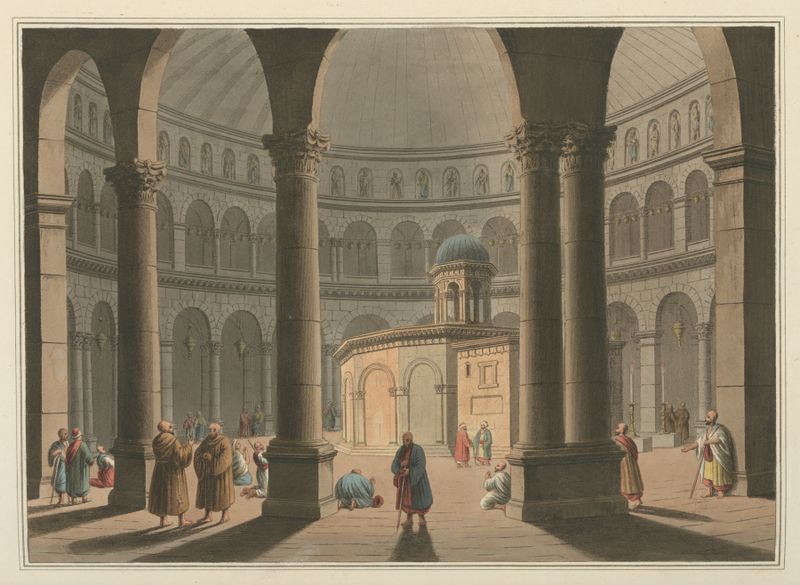
Church of the Holy Sepulchre
Luigi Mayer
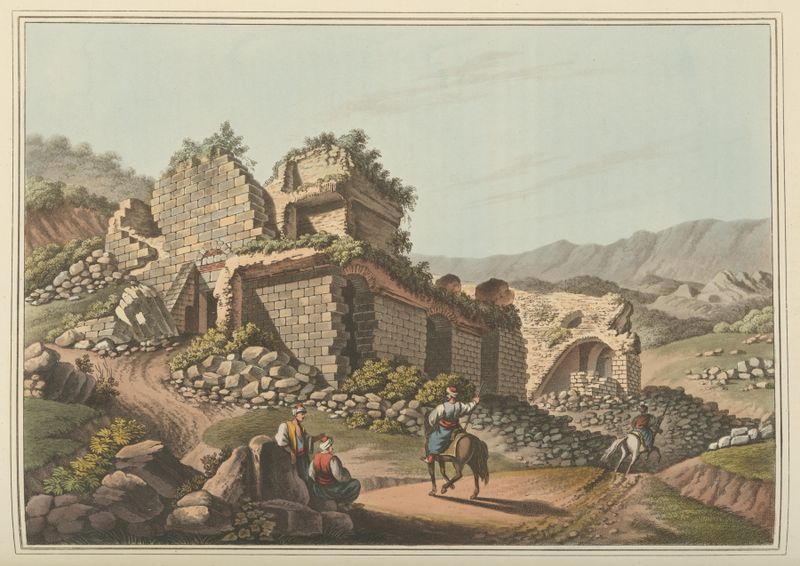
Theatre at Ephesus
Luigi Mayer
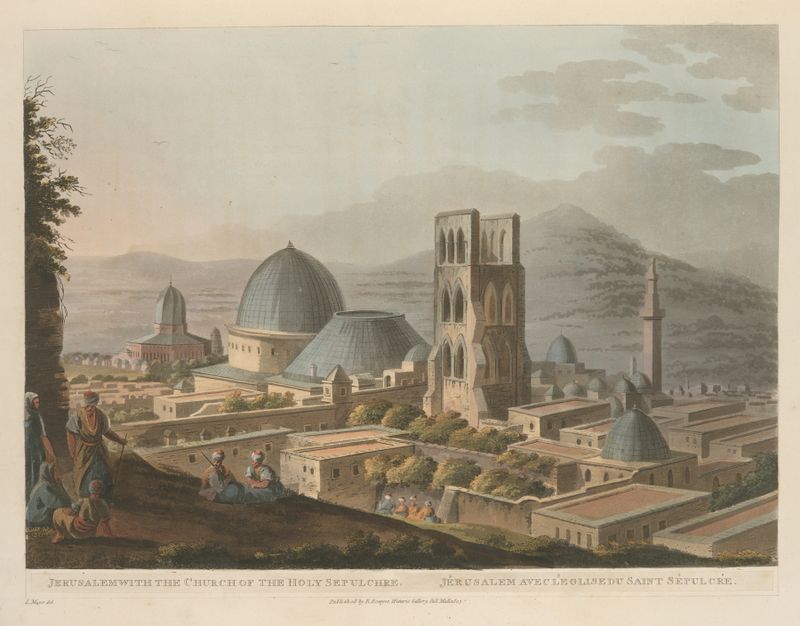
Jerusalem with the Church of the Holy Sepulchre
Luigi Mayer
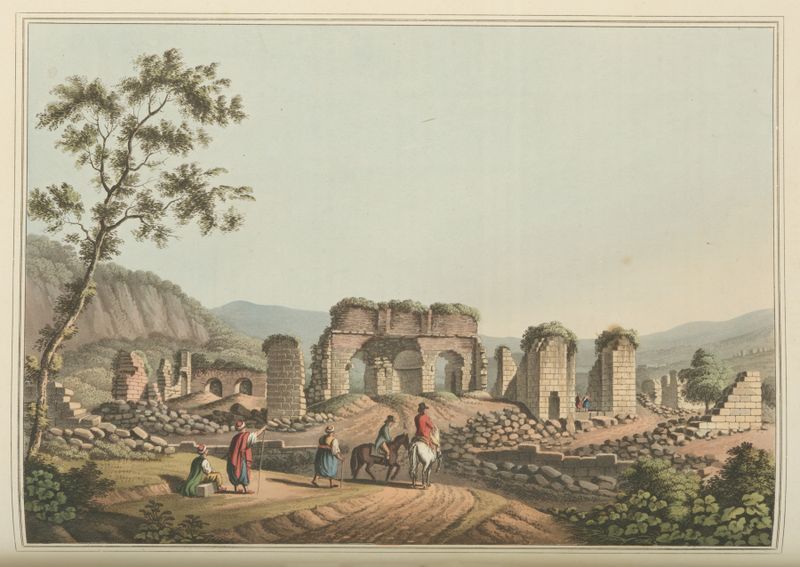
Ruins of the Temple of Diana at Ephesus
Luigi Mayer

Crater in the Island of Volcano
Luigi Mayer





