
View from a grotto near Posillipo — History & Facts
What if silence could speak through light? In Johan Christian Dahl's View from a grotto near Posillipo, the interplay of luminosity and shadow unveils an ecstatic revelation of nature’s serenity. Look to the left at the steep, rugged cliffs that cradle the grotto, their surfaces richly textured with earthy hues of ochre and umber. The sunlight filters through the opening, illuminating the water's surface with a shimmering brilliance that invites you to dive deeper into the scene. Notice how the gentle waves lap against the rocks, creating a sense of eternal rhythm, while the delicate interplay of blues and greens conjures a tranquil atmosphere that envelops the viewer. Amid this beauty lies a contrast between the wildness of the cliffs and the serenity of the waters.
The grotto serves as a sanctuary, a refuge from the chaos outside, suggesting both isolation and connection to the vastness of the seascape. The subtle hints of foliage peeking through the rocks symbolize life’s persistence, echoing the ecstatic harmony that exists between the untamed and the serene. Dahl painted this masterpiece in 1820, during a time when Romanticism was flourishing in Europe. He was based in Dresden, Germany, deeply influenced by the sublime landscapes of Italy, which he had visited.
The work reflects not only his personal quest for beauty and tranquility but also the broader artistic movement that sought to evoke deep emotional responses to nature and its majesty.
More Artworks by Johan Christian Dahl
Browse all →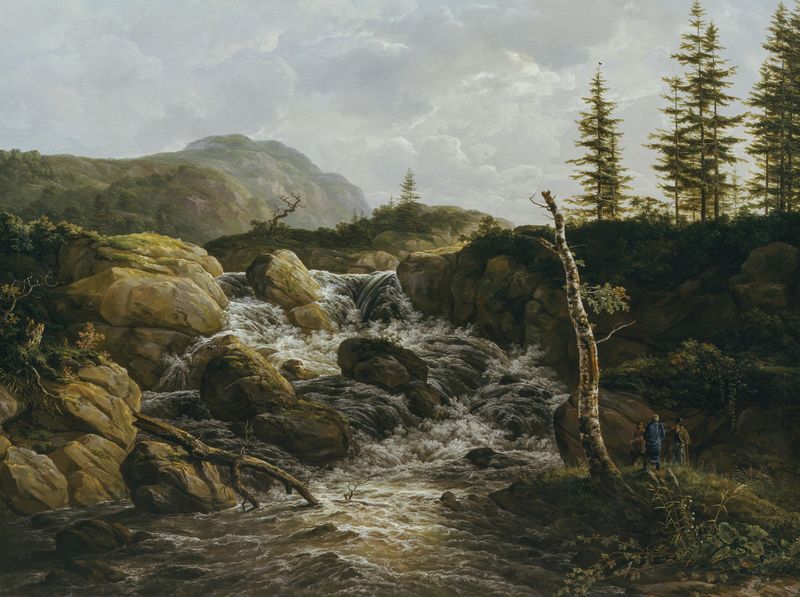
Mountainous Landscape with a Waterfall, Norway
Johan Christian Dahl
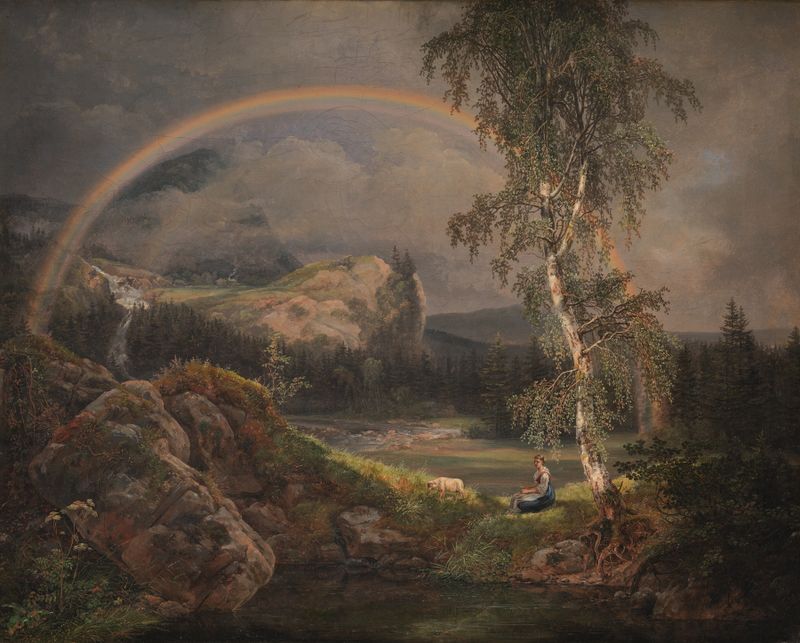
Norwegian Landscape with a Rainbow
Johan Christian Dahl
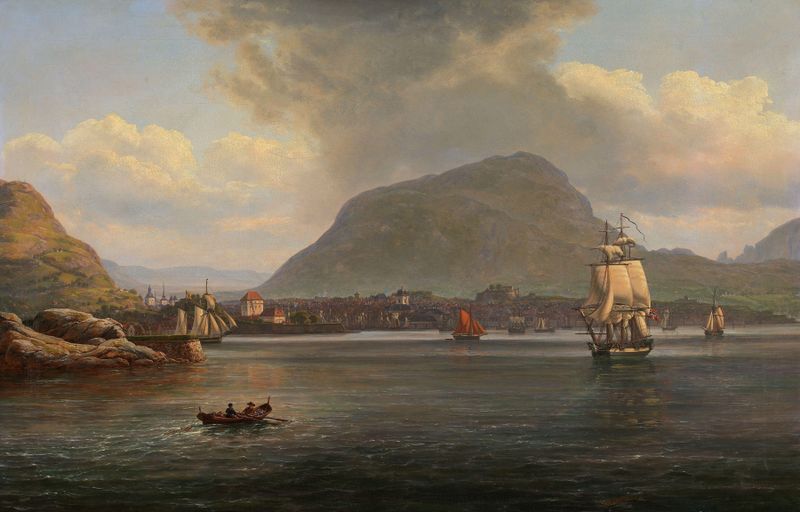
Bergen seen from the northern Inlet
Johan Christian Dahl
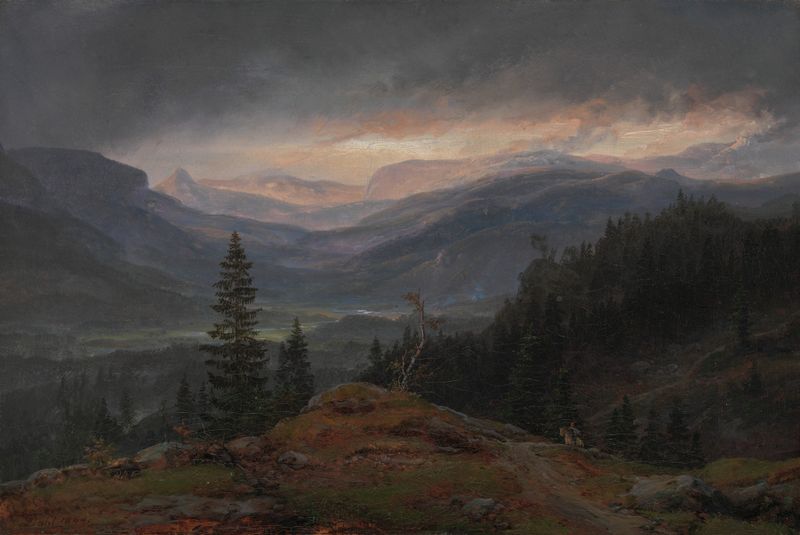
View over Hallingdal
Johan Christian Dahl
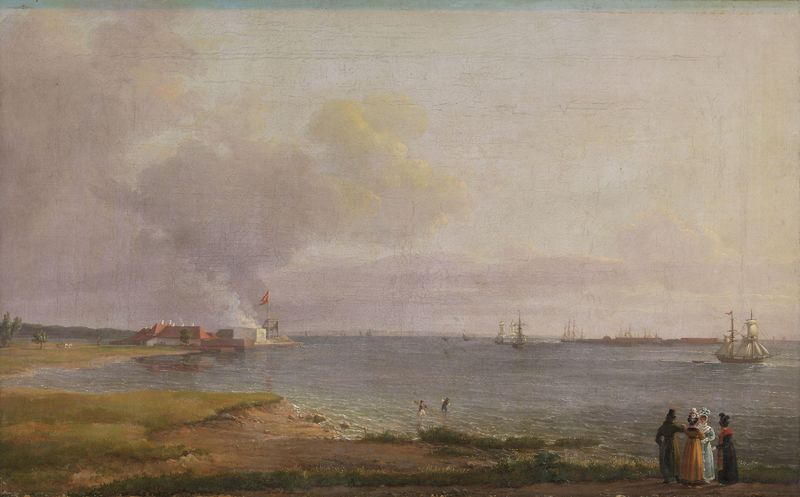
View over Øresund near the Lime Works
Johan Christian Dahl
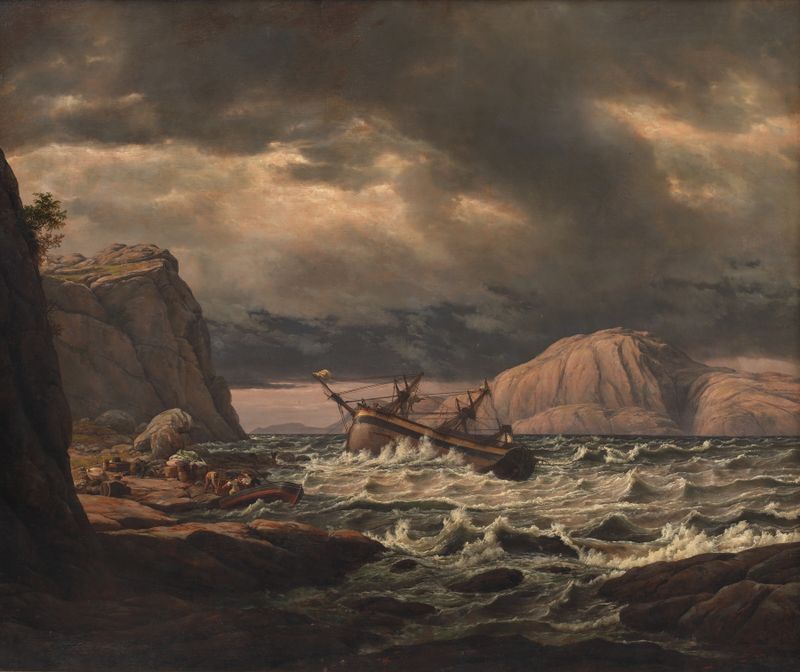
A Shipwreck on the Coast of Norway
Johan Christian Dahl
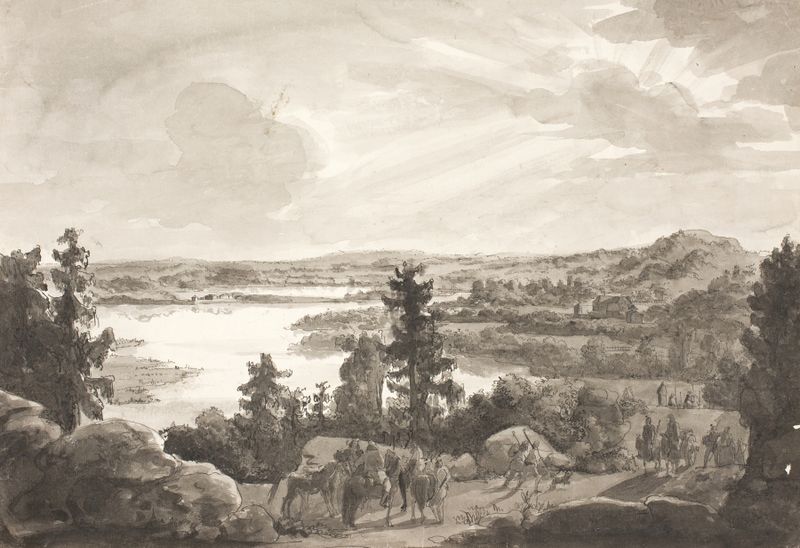
View of a Lake, Norway
Johan Christian Dahl
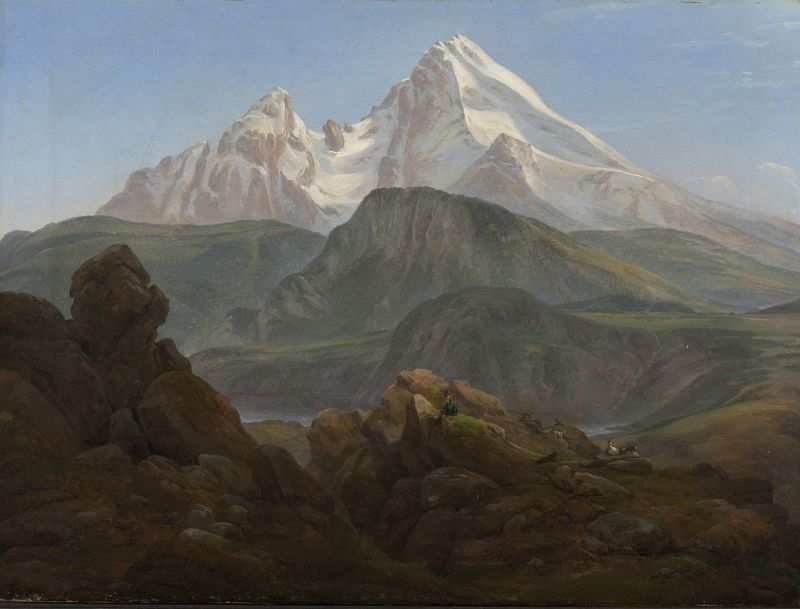
The Watzmann
Johan Christian Dahl
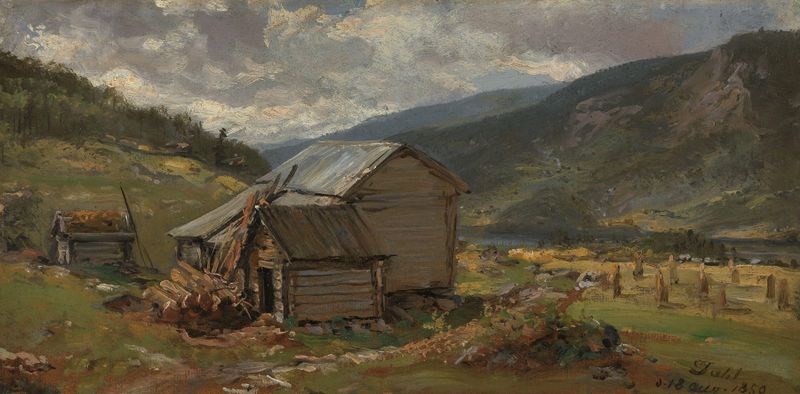
View of Hjelle in Valdres
Johan Christian Dahl

View At Skjolden In Lyster
Johan Christian Dahl





