
View from Pimonte — History & Facts
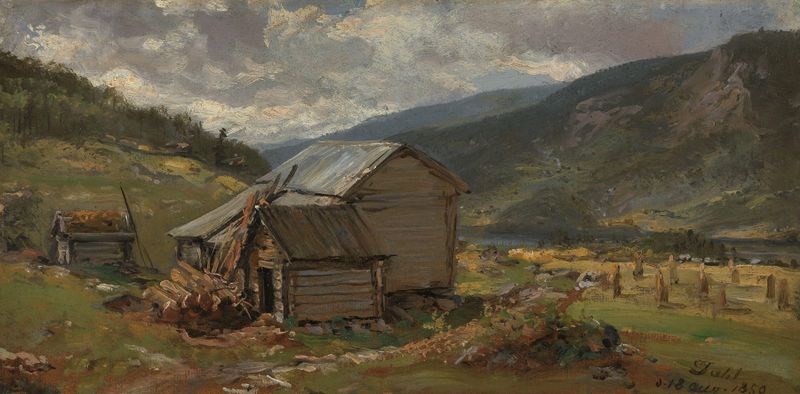
This sentiment resonates deeply in the sweeping landscape painted in front of us, where color transcends mere representation and beckons us to ponder the depths of what we see. Look to the horizon, where the sun begins its descent, casting a golden light that bathes the rolling hills in a warm embrace. Notice how the vibrant greens of the meadows contrast sharply with the deep blue of the sky, creating a palpable tension between earth and heaven. The artist employs delicate brushwork to suggest movement in the clouds, almost as if they are whispering secrets to the valleys below, while the foreground reveals darkened, shadowy figures of trees that frame the scene, inviting us to delve deeper into its beauty. Yet beneath this picturesque exterior lies an interplay of solitude and longing.
The path winding through the hills seems to lead us into an unknown expanse, whispering of journeys both physical and emotional, while the distant mountains loom—silent witnesses to the dreams and struggles of those who traverse their slopes. The colors themselves speak of transient moments, where joy and melancholy coexist, suggesting that beauty can often mask the pain of isolation. In 1820, Johan Christian Dahl painted this work while living in Dresden, a city at the heart of Romanticism. This period was marked by a growing interest in nature and emotional expression, reflecting the turbulent changes occurring in Europe.
Dahl, a prominent figure in the movement, sought to capture the sublime beauty of landscapes, drawing inspiration from both his native Norway and the picturesque scenery of the German countryside, creating a bridge between the two worlds through his evocative use of color and light.
More Artworks by Johan Christian Dahl
Browse all →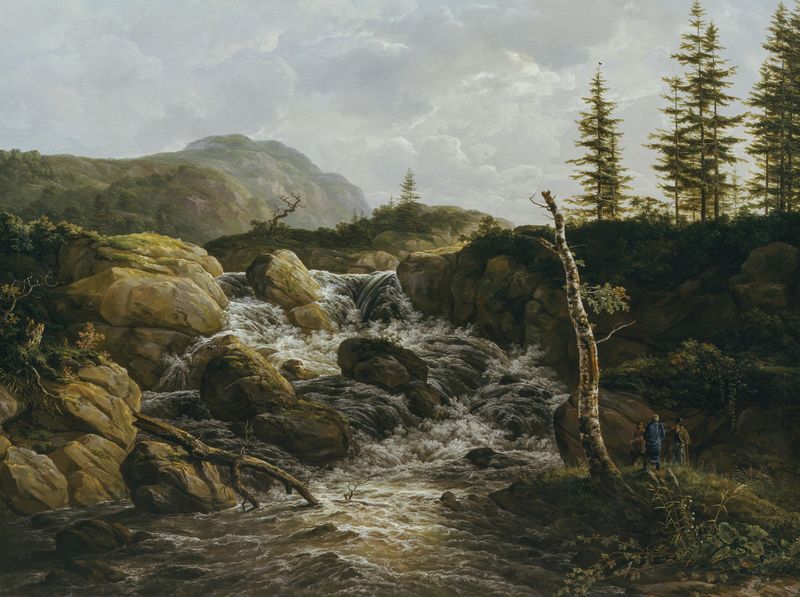
Mountainous Landscape with a Waterfall, Norway
Johan Christian Dahl
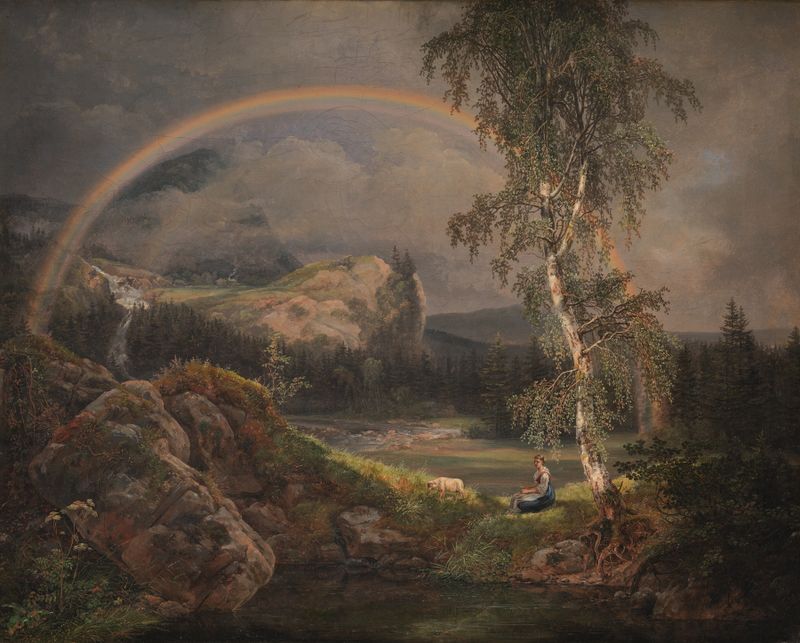
Norwegian Landscape with a Rainbow
Johan Christian Dahl
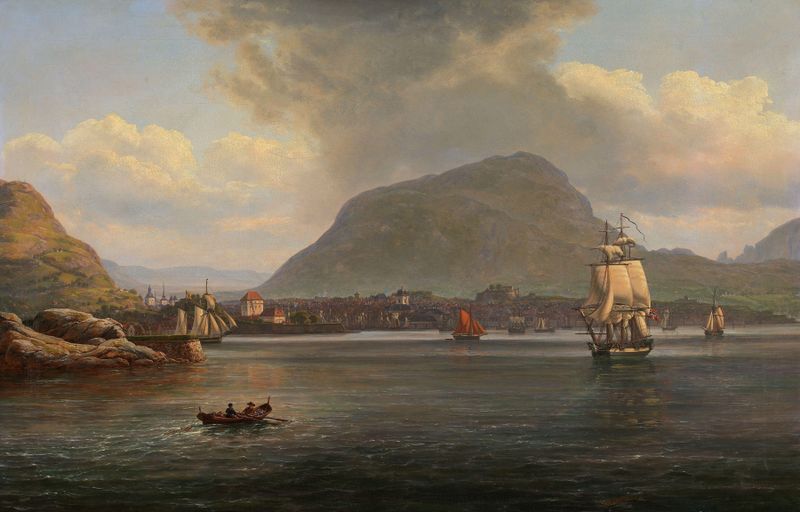
Bergen seen from the northern Inlet
Johan Christian Dahl
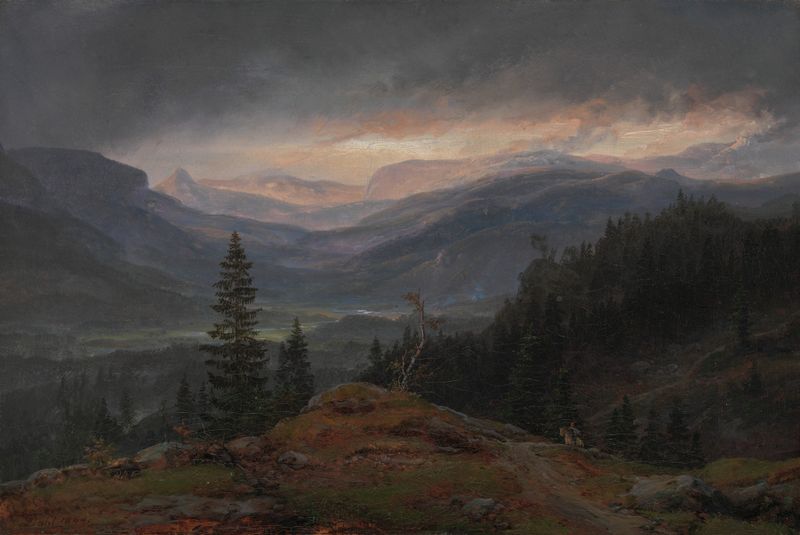
View over Hallingdal
Johan Christian Dahl
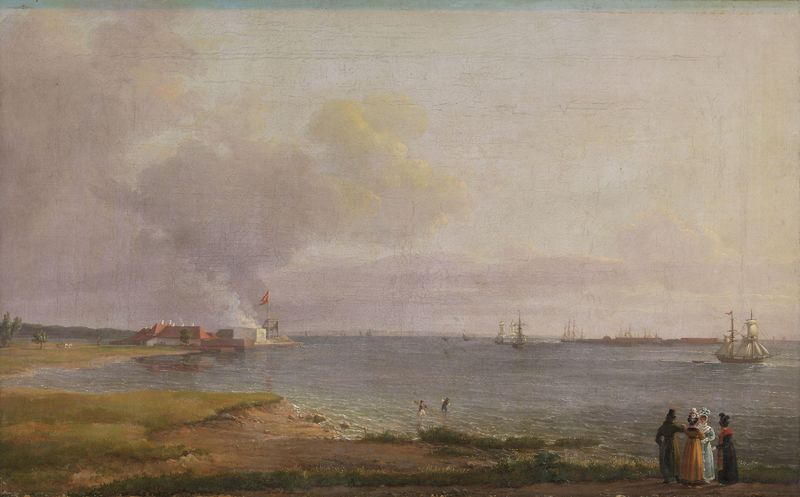
View over Øresund near the Lime Works
Johan Christian Dahl
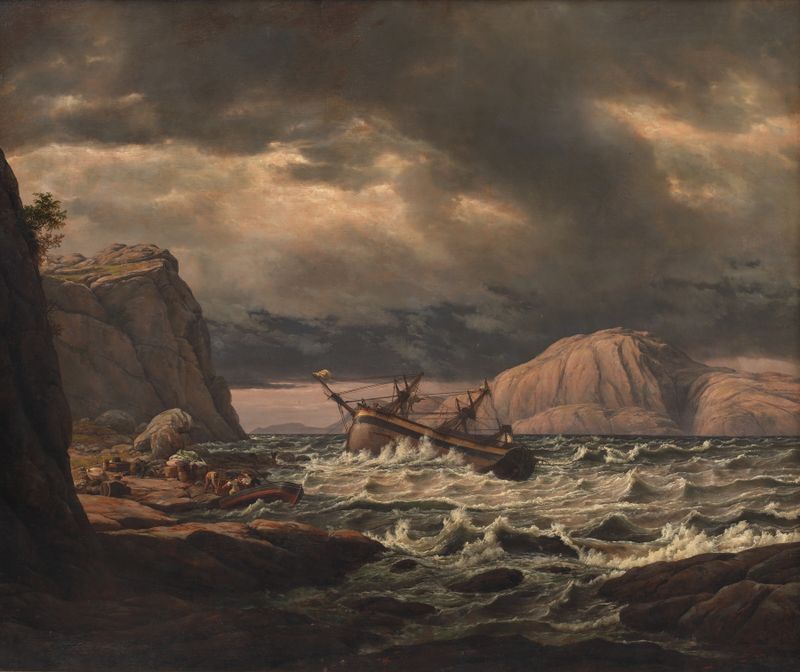
A Shipwreck on the Coast of Norway
Johan Christian Dahl
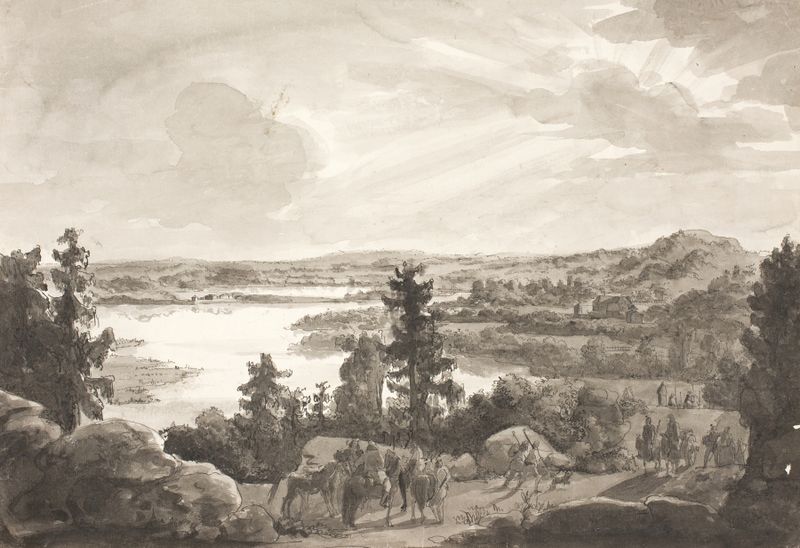
View of a Lake, Norway
Johan Christian Dahl
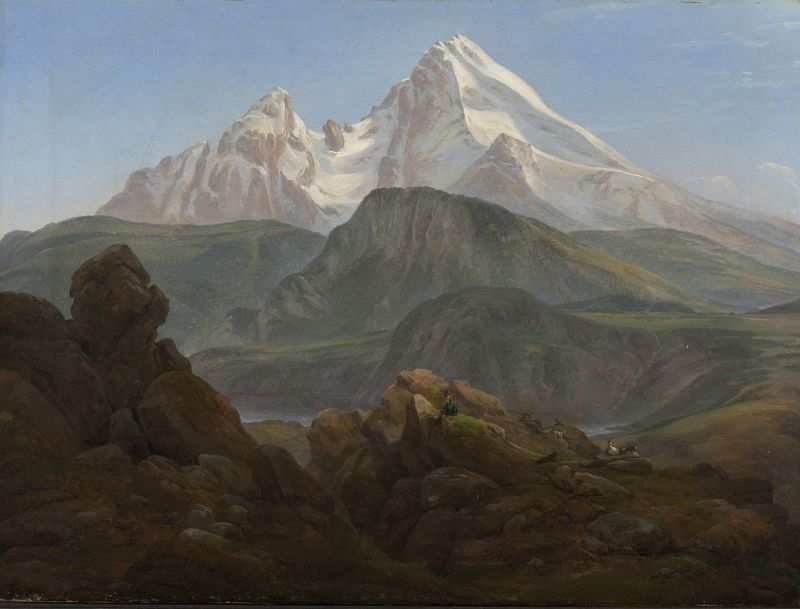
The Watzmann
Johan Christian Dahl
View of Hjelle in Valdres
Johan Christian Dahl

View At Skjolden In Lyster
Johan Christian Dahl





