
View from Powell’s Plateau, Grand Canyon, Colorado — History & Facts
Could beauty survive in a century of chaos? In Frederic Edwin Church's View from Powell’s Plateau, Grand Canyon, Colorado, the answer whispers through every brushstroke, echoing the yearning for untouched landscapes amidst the tumult of industrial advancement. Look to the sweeping expanse of the canyon that dominates the canvas, where bold strokes of ochre and cerulean evoke the raw power of nature. Notice how the sun spills golden light across the rugged rock formations, illuminating their textures and depth. The meticulous detail in the foreground draws the eye to the delicate flora clinging to the precipice, a poignant reminder of life’s tenacity in the face of vastness.
The composition invites the viewer to feel both small and significant, a personal connection to grandeur. Delve deeper, and you’ll find a contrast between the serenity of the scene and the tumultuous world beyond the canvas. The grandeur of the canyon, majestic yet intimidating, represents the sublime—a beauty that evokes both awe and fear. The interplay of light and shadow suggests a transient moment, where timelessness meets the fleeting nature of experience.
Here, desire intertwines with melancholy; it captures not only the longing for exploration but also the bittersweet recognition of the ephemeral. In 1873, Church painted this masterpiece while immersed in the American landscape movement, championing the natural world as a subject worthy of reverence. He sought to portray the sublime beauty of untouched wilderness at a time when the rapid expansion of railroads and urbanization threatened these majestic landscapes. This work reflects not just his artistic vision but a cultural moment where nature was celebrated even as it faced impending change.
More Artworks by Frederic Edwin Church
Browse all →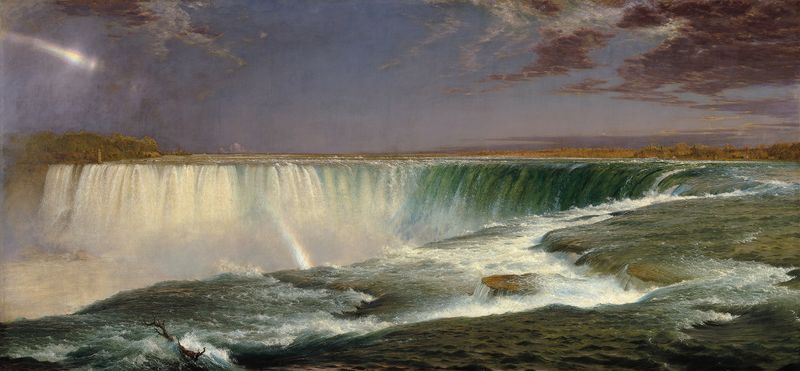
Niagara
Frederic Edwin Church
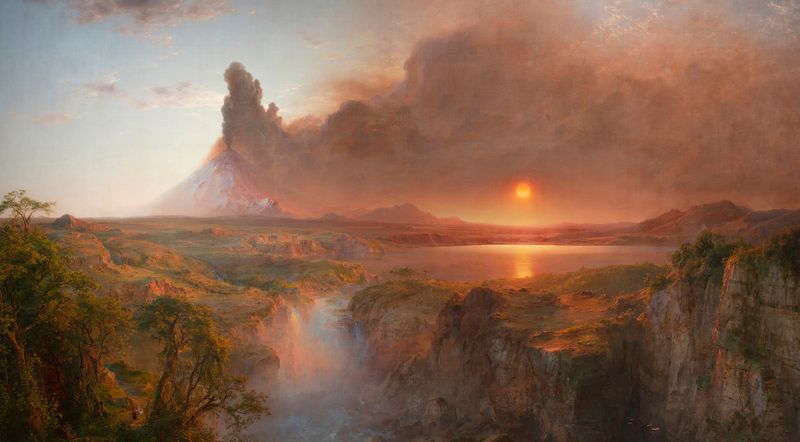
Cotopaxi
Frederic Edwin Church
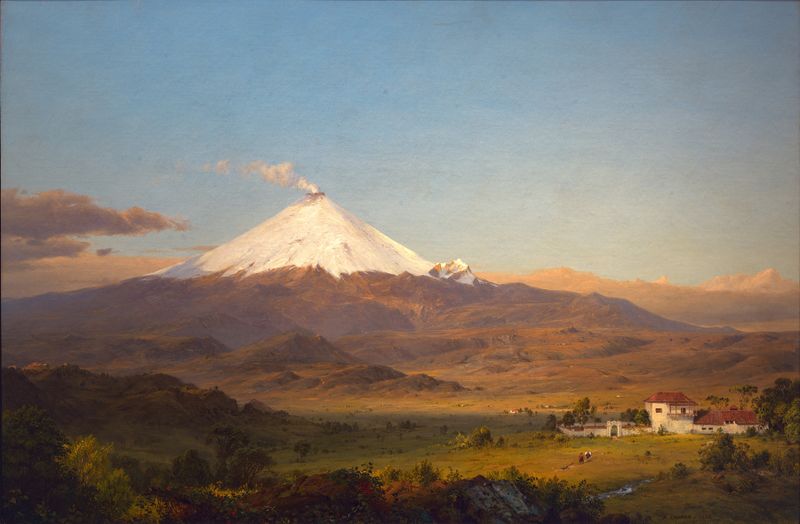
Cotopaxi
Frederic Edwin Church
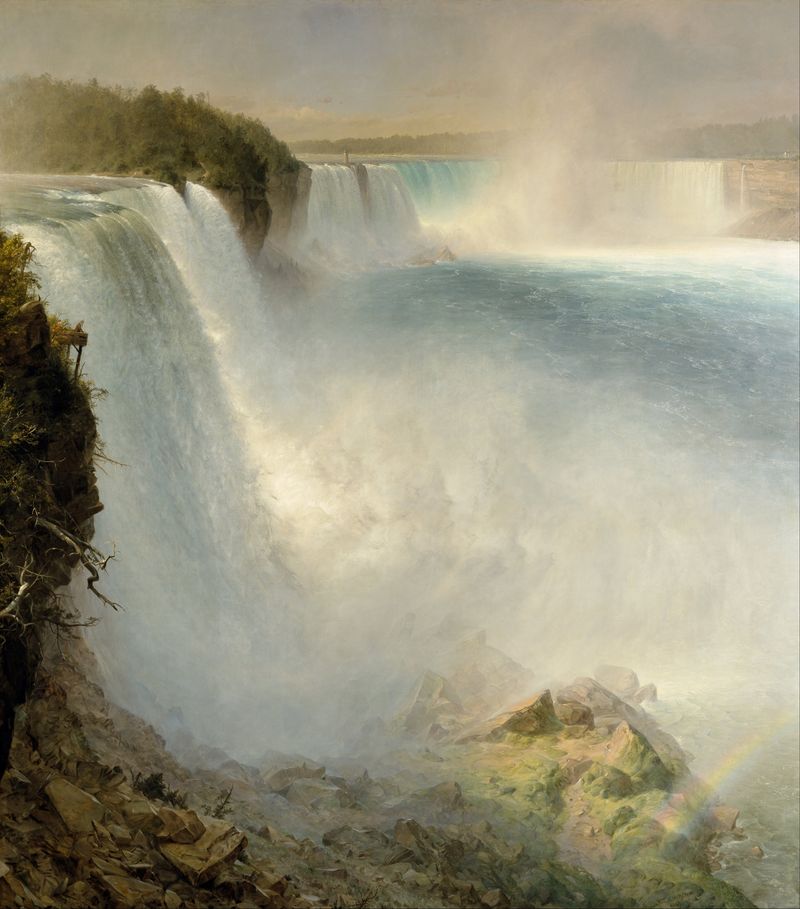
Niagara Falls, from the American Side
Frederic Edwin Church
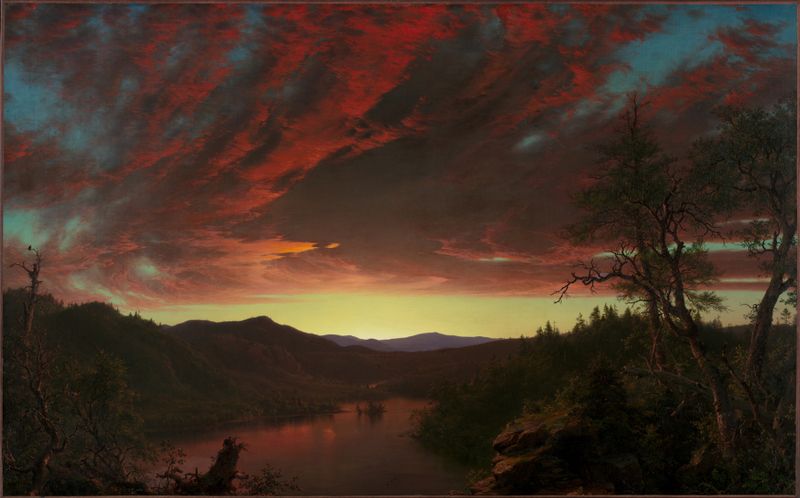
Twilight in the Wilderness
Frederic Edwin Church
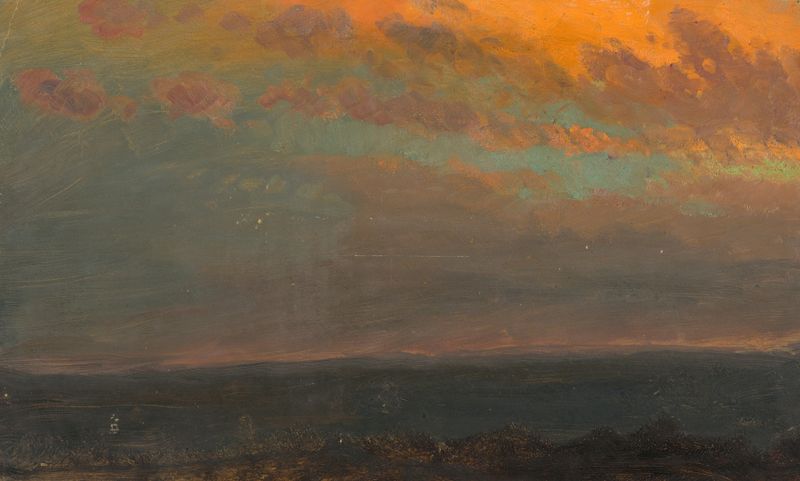
Hudson Valley at Sunset
Frederic Edwin Church
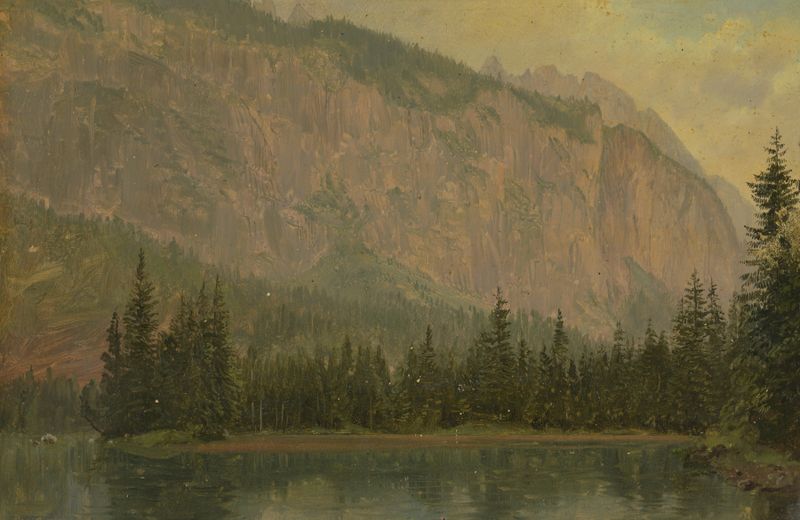
The Hintersee, near Berchtesgaden, Bavaria
Frederic Edwin Church
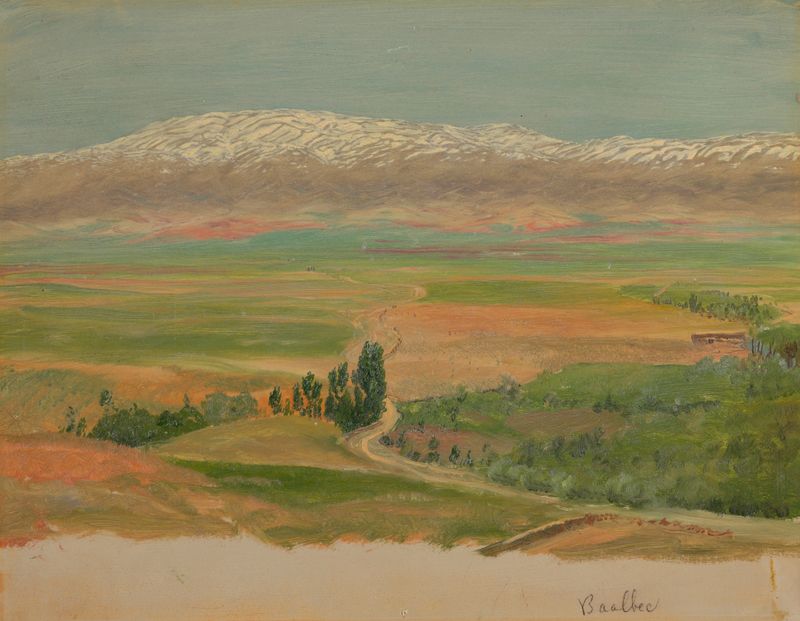
Mountains near Baalbec
Frederic Edwin Church
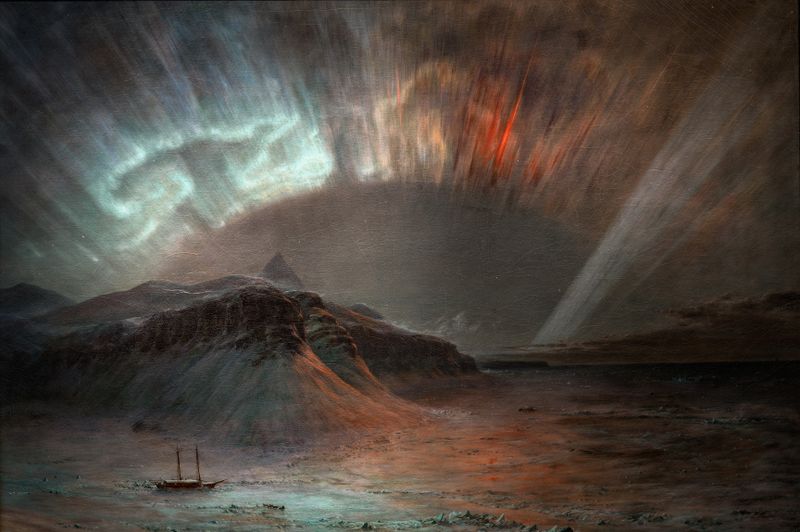
Aurora Borealis
Frederic Edwin Church
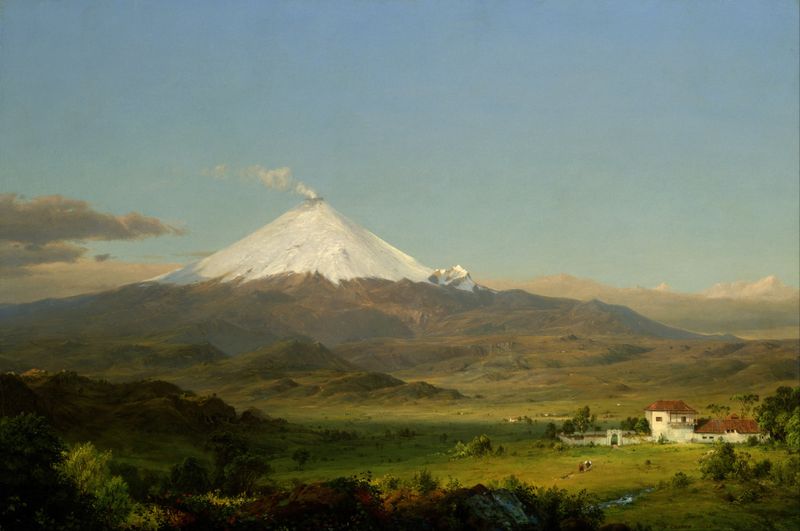
Cotopaxi
Frederic Edwin Church





