
View of a Canal — History & Facts
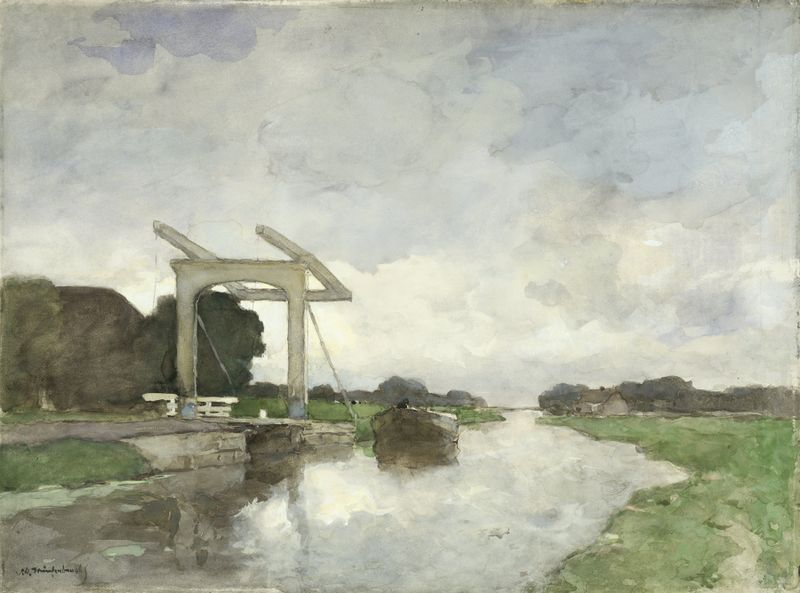
This notion lingers in the air as we contemplate the legacy of art—the delicate balance between nature’s wild beauty and the artist’s hand. Focus on the shimmering waterway that slices through the canvas; it is a winding ribbon of tranquility amid lush landscapes. Immediately, the interplay of soft blues and greens captures your eye, guiding you towards the reflections that dance on the canal's surface. Notice how the gentle strokes create a sense of movement, while the wisps of cloud above mirror the flow below, binding the sky and water together in a harmonious embrace. Hidden within the serene surface are deeper tensions, where the fleeting light represents both the ephemeral nature of life's moments and the lasting impact of artistic expression.
The juxtaposition of the tranquil canal against the vibrant greenery evokes a sense of nostalgia, hinting at the passage of time and the legacy each viewer carries with them. The meticulous detail in the foreground draws attention to the powerful connection between the local landscape and the broader narrative of human existence. In 1901, Johan Hendrik Weissenbruch captured this scene while working in the Netherlands, a time marked by a burgeoning interest in Impressionism. The world of art was evolving around him, as traditional techniques were being challenged by new expressions of light and emotion.
This painting reflects both his mastery of technique and his deep appreciation for the landscapes that shaped his artistic journey, solidifying his legacy in the pantheon of Dutch painters.
More Artworks by Johan Hendrik Weissenbruch
Browse all →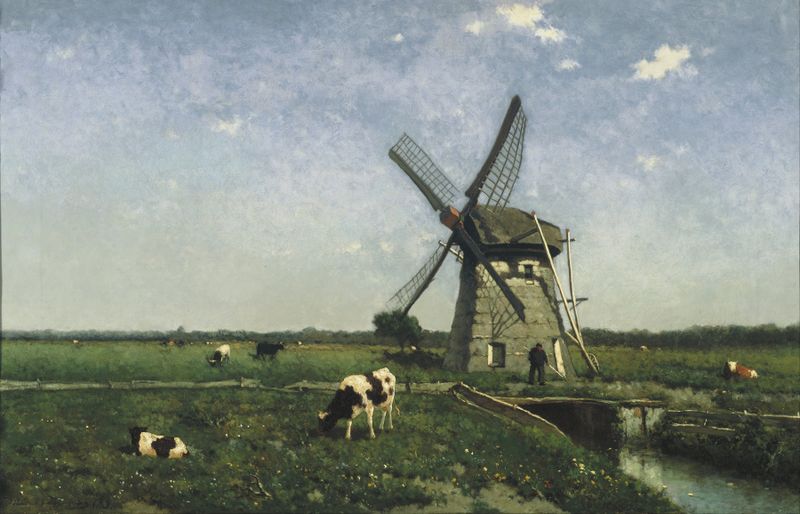
Landscape with Windmill near Schiedam
Johan Hendrik Weissenbruch
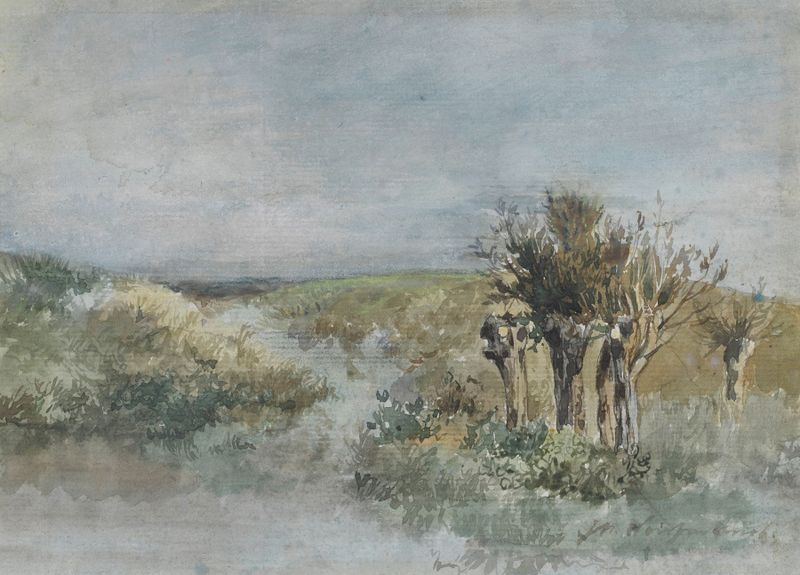
Landschap met knotwilgen langs een sloot
Johan Hendrik Weissenbruch
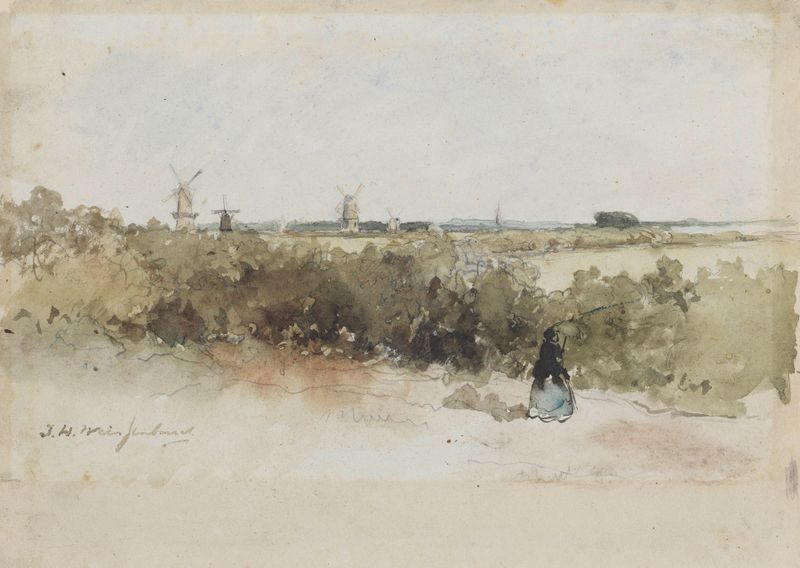
Landschap met windmolens
Johan Hendrik Weissenbruch
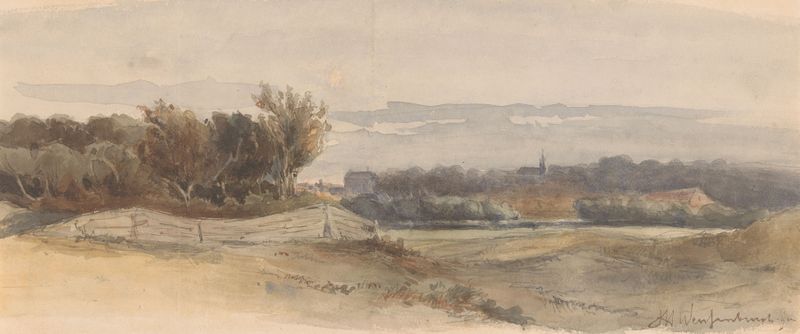
Panoramisch landschap
Johan Hendrik Weissenbruch
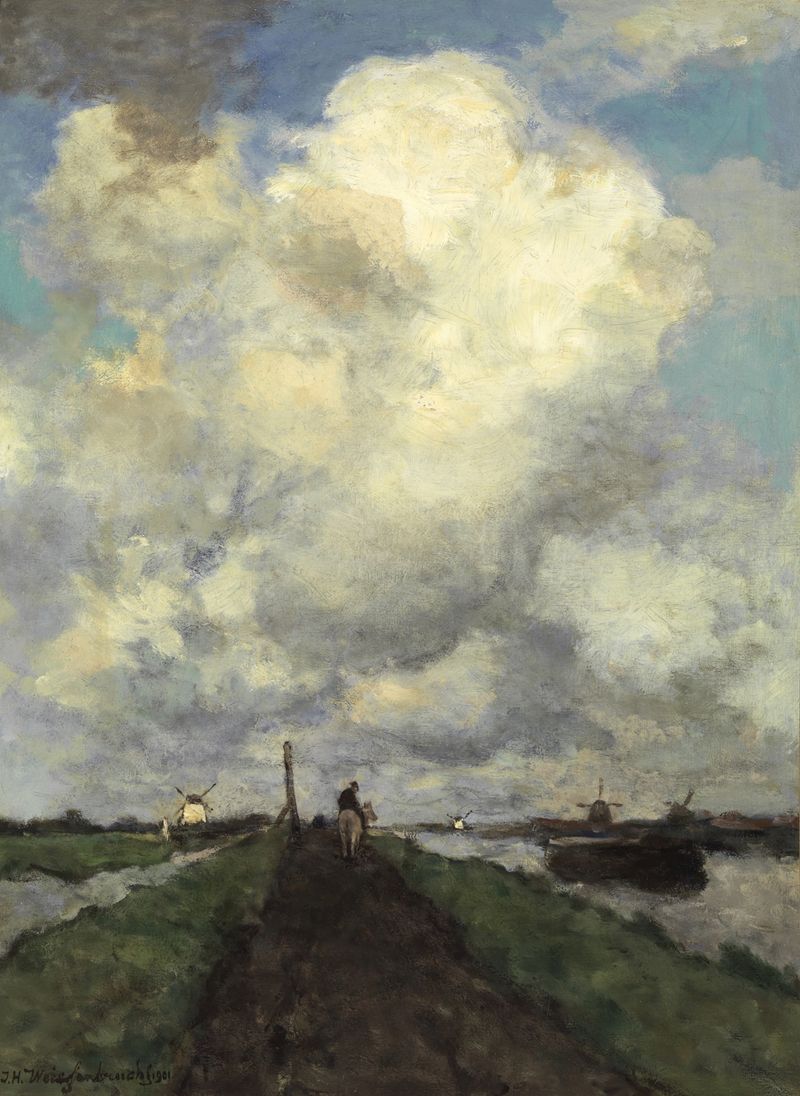
De witte wolk
Johan Hendrik Weissenbruch
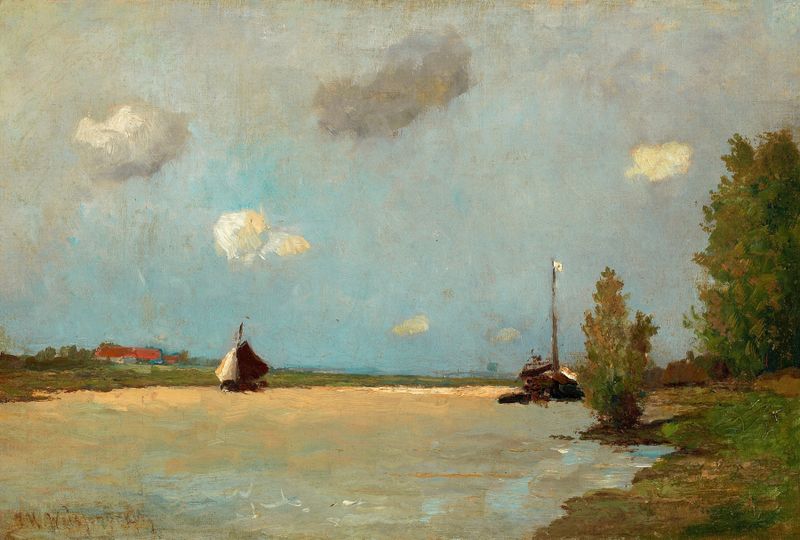
Dutch Landscape with Boats
Johan Hendrik Weissenbruch
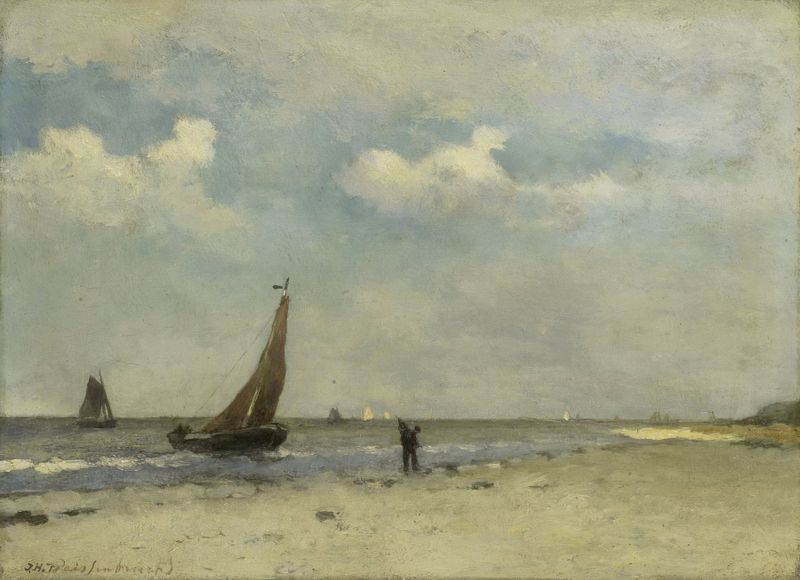
Beach Scene
Johan Hendrik Weissenbruch
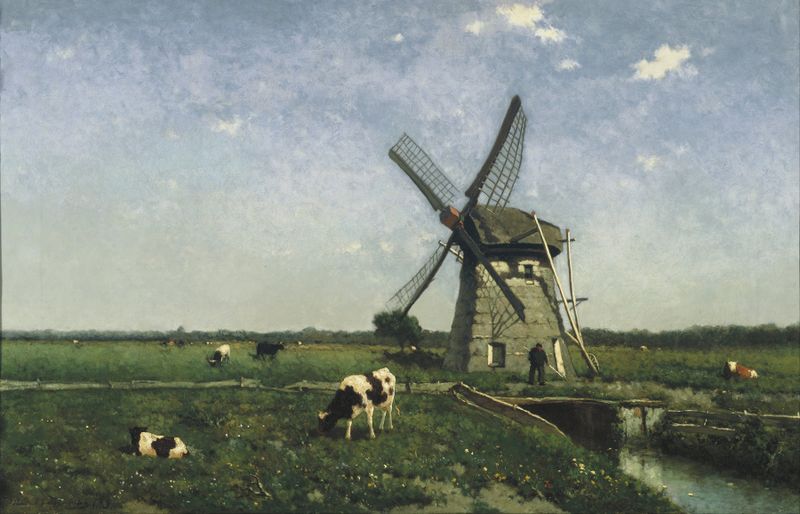
Landscape with Windmill near Schiedam
Johan Hendrik Weissenbruch
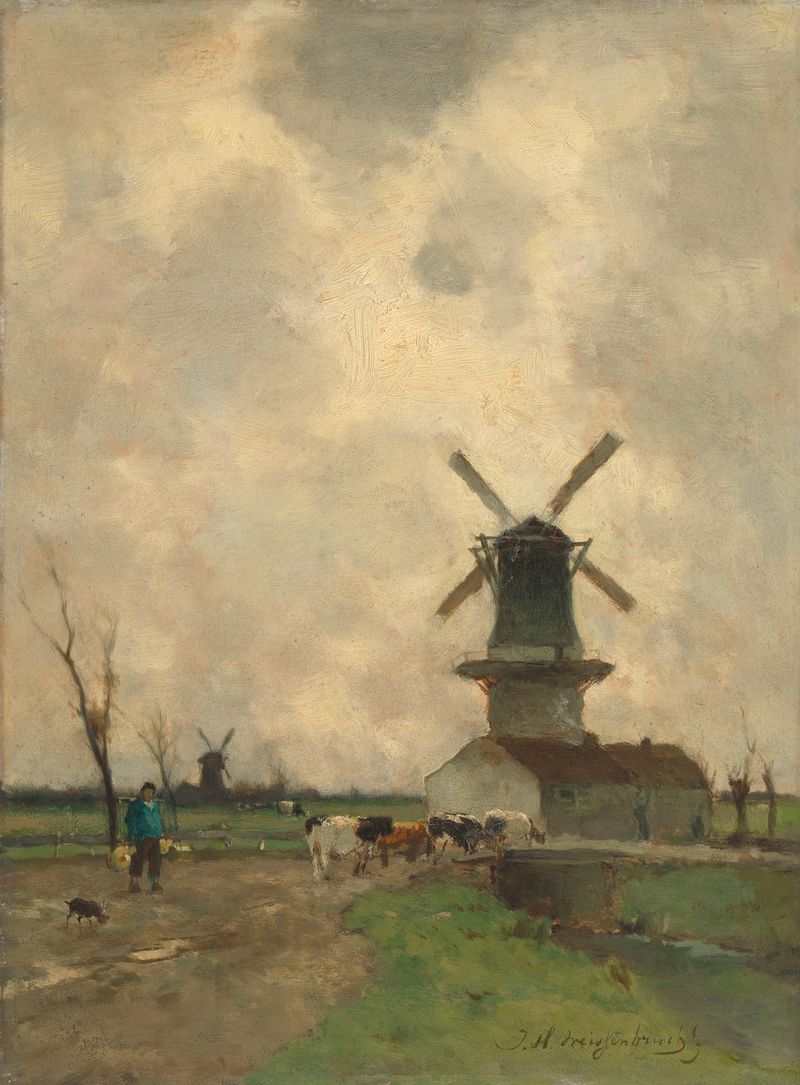
The Mill
Johan Hendrik Weissenbruch
Drawbridge at Noorden
Johan Hendrik Weissenbruch





