
View of a Shore with the Artist’s Wagon and Tent at Enö — History & Facts
Could beauty survive in a century of chaos? In a world brimming with uncertainty, the calm of a solitary shore invites reflection on resilience and tranquility. Look to the center where the artist’s wagon and tent stand, anchored against the rugged shoreline. The composition draws the eye with soft, muted greens and blues that blend seamlessly into the horizon, evoking a sense of harmony amidst nature. Notice how the sky, brushed with gentle pastel hues, cradles the scene in a delicate embrace, while the dappled light dances across the water’s surface, creating a shimmering path that leads us into deeper contemplation. Within this serene setting lies a powerful juxtaposition.
The sturdy wagon, a symbol of travel and exploration, contrasts with the gentle waves lapping at the shore, representing the constant ebb and flow of life. The tent, an ephemeral structure, speaks to the fragility of human existence against the vastness of nature. Together, these elements suggest a dialogue between stability and transience, urging the viewer to ponder the relationship between the individual and the world that surrounds them. Painted in 1913, this work emerged during a transformative period for Laurits Andersen Ring, who sought solace in nature amid the tumult of societal changes in Denmark and beyond.
As artists began to grapple with modernity, Ring embraced the simplicity of landscapes, capturing moments of stillness that stand in stark contrast to the chaos of the era. His canvas reflects not only a personal refuge but also a universal quest for peace in an ever-shifting world.
More Artworks by Laurits Andersen Ring
Browse all →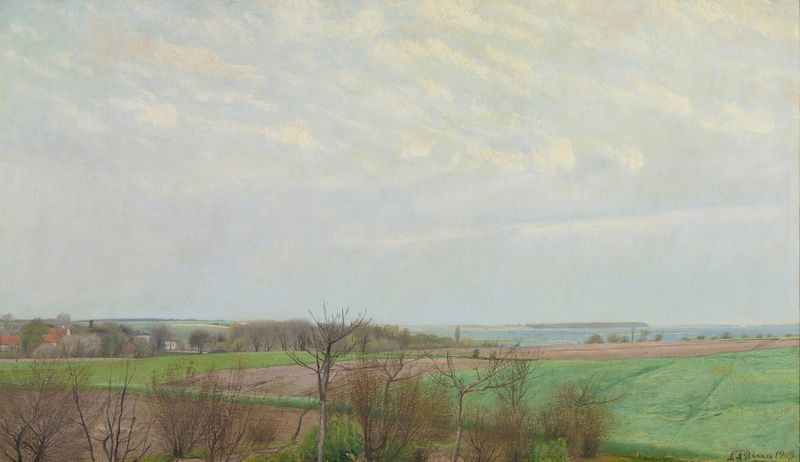
View Of Roskilde Fjord, Early Spring
Laurits Andersen Ring
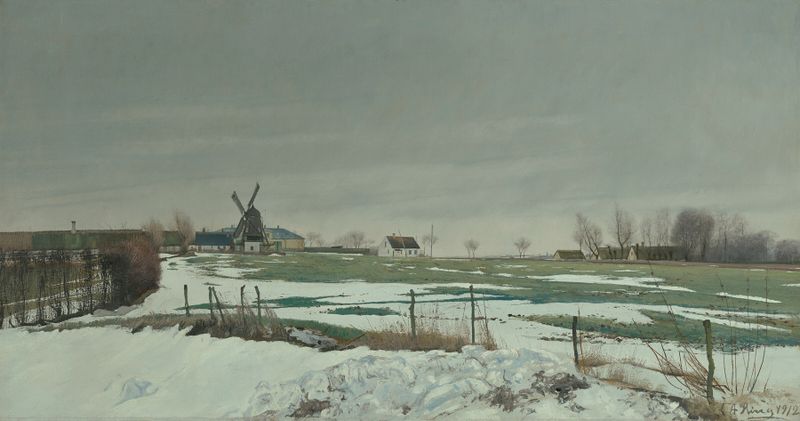
Winter landscape with a windmill
Laurits Andersen Ring
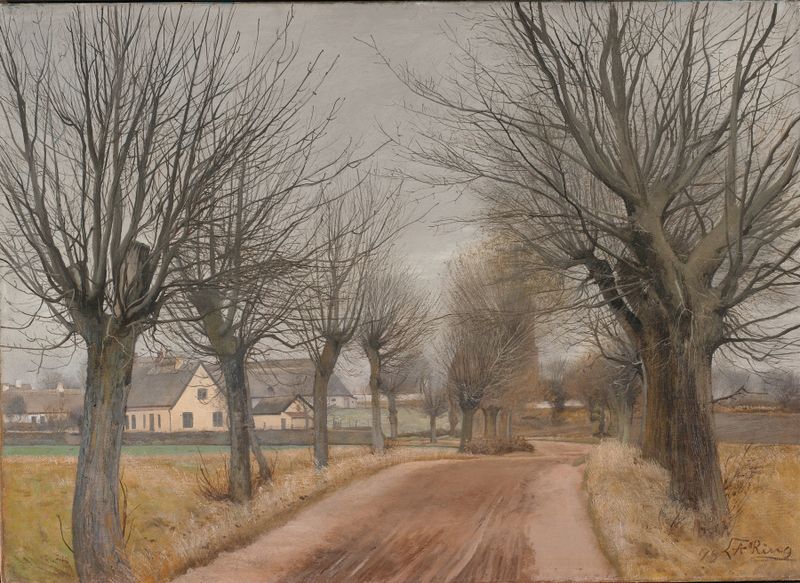
A Road near Vinderød, Zealand
Laurits Andersen Ring
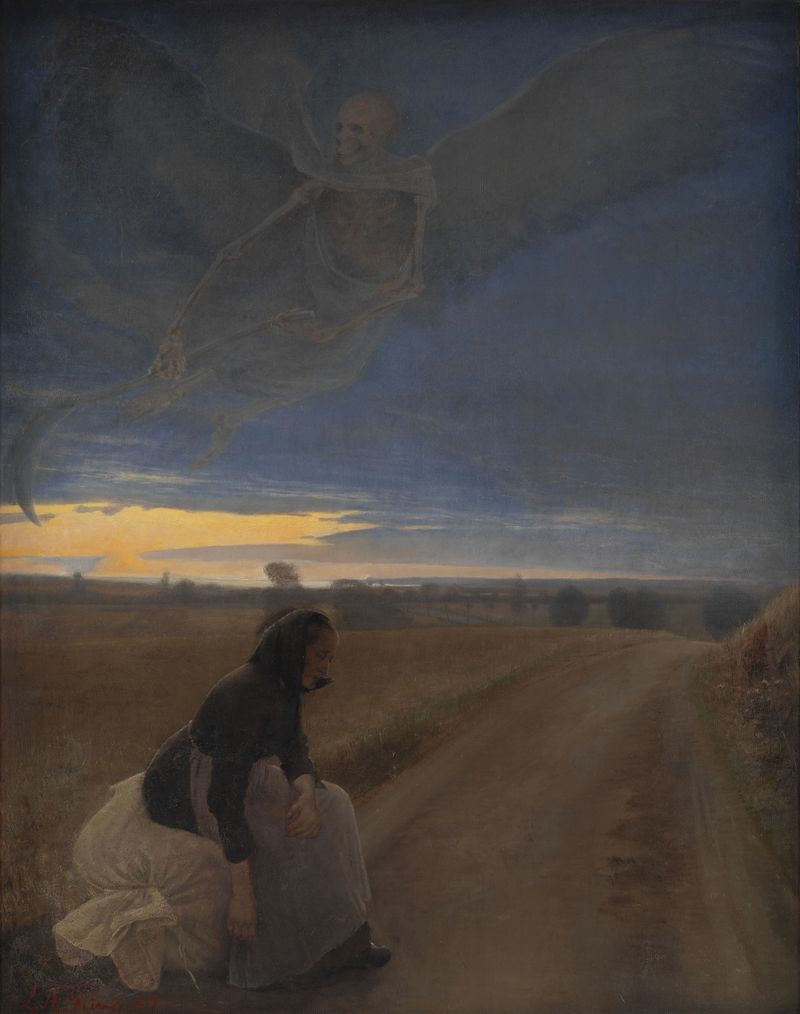
Evening
Laurits Andersen Ring
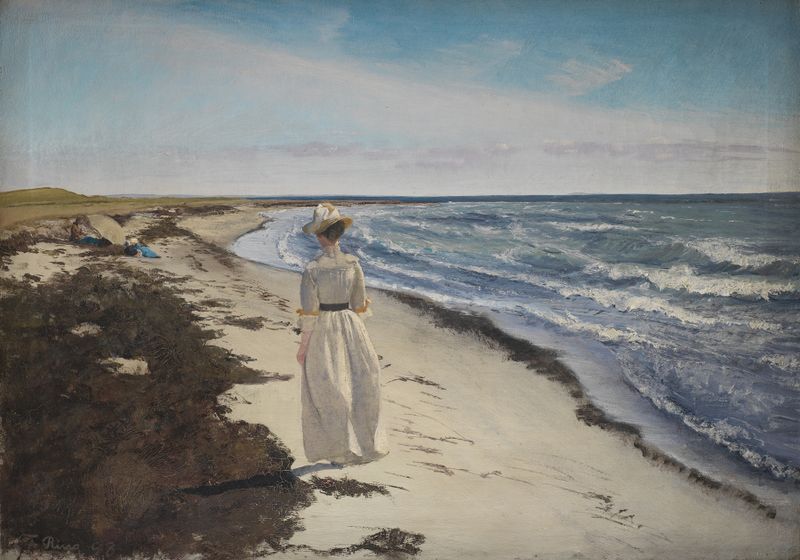
Lady at Karrebæksminde Beach, Zealand
Laurits Andersen Ring
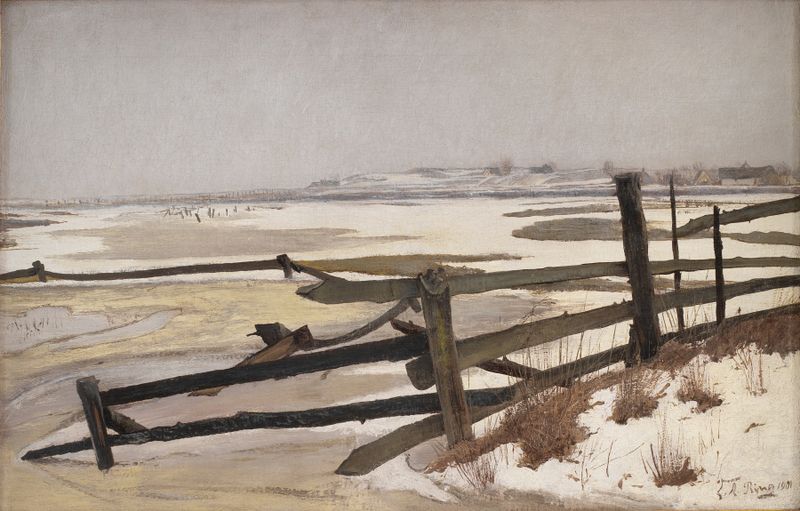
Thaw
Laurits Andersen Ring
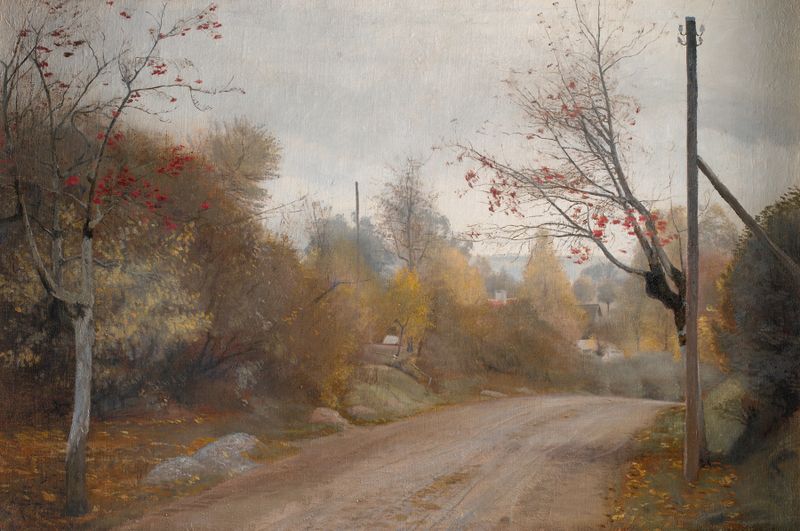
The Road at Mogenstrup, Zealand. Autumn
Laurits Andersen Ring
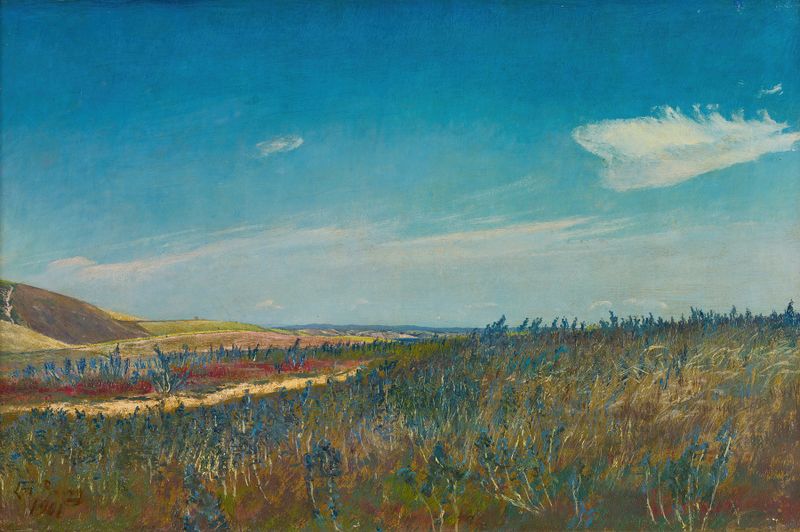
View Near Karrebaeksminde In North Zealand
Laurits Andersen Ring
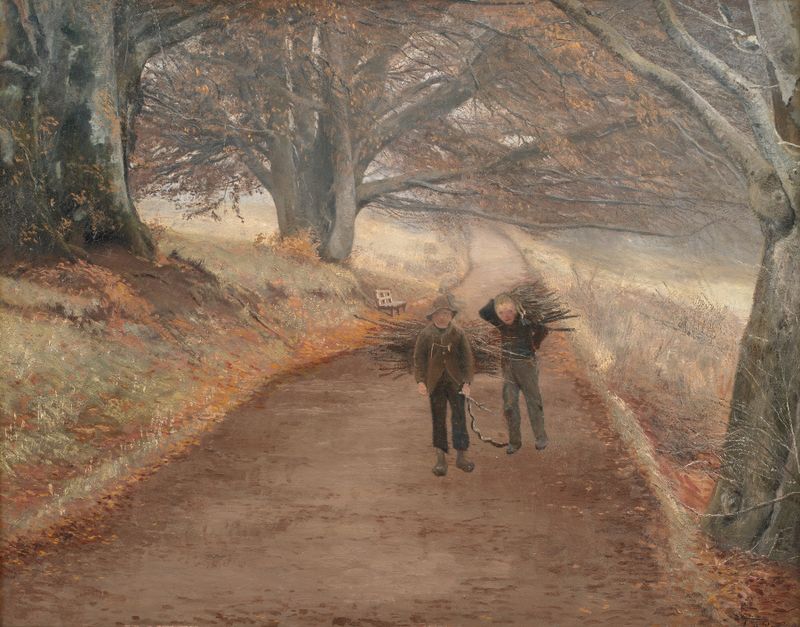
Footpath near Herlufsholm, Zealand
Laurits Andersen Ring
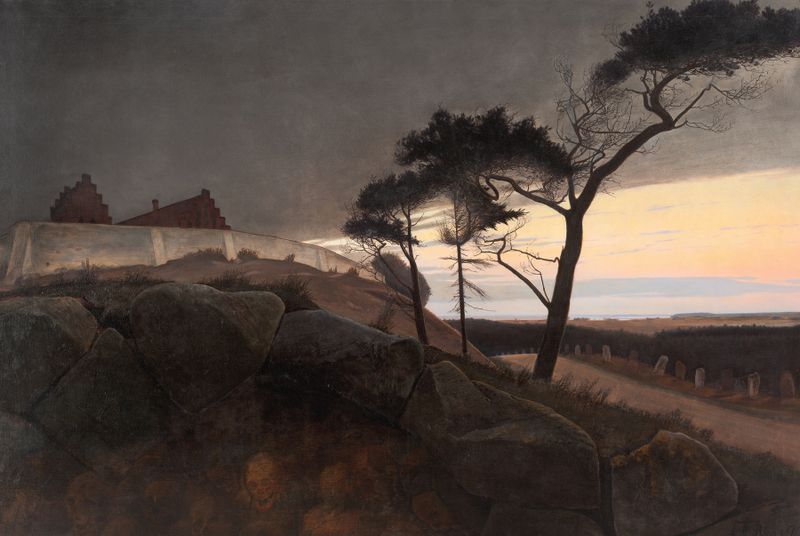
After Sunset
Laurits Andersen Ring





