
View Of A Villa Beside The Cascades At Tivoli, With Figures Below — History & Facts
Where does light end, and longing begin? This question lingers in the air as you gaze upon the serene yet vibrant tableau before you. Look to the left at the cascading water, where the gentle rush captures the essence of both movement and stillness. The artist employs a delicate interplay of soft blues and greens, which contrast with the stark whites of the villa’s architecture. Notice how the sunlight dances across the surface of the water, illuminating the figures below, rendering them mere silhouettes against the grandeur of nature.
Each brushstroke evokes a sense of quietude, inviting viewers to immerse themselves in the tranquil landscape. Delve deeper into the scene and you'll uncover layers of emotional tension. The figures, small and seemingly insignificant, illustrate the balance between humanity and nature, portraying a harmonious existence that invites reflection on our own place in the world. The villa stands as a symbol of aspiration and achievement, yet its isolation amidst the beauty of Tivoli also speaks to a yearning for connection.
This contrasting dynamic heightens the emotional resonance, reminding us of the intricate dance between our ambitions and the sublime forces of the natural world. Ducros painted this work in the late 18th century, a time when the Grand Tour and romanticism shaped the artistic landscape of Europe. Living in France, he was influenced by the classical ideals of beauty and harmony, which found their expression in this portrayal of the Italian countryside. His commitment to capturing both the majesty of the landscape and the tenderness of human presence reflects the evolving sensibilities of the era, establishing his place within the continuum of art history.
More Artworks by Abraham-Louis-Rodolphe Ducros
Browse all →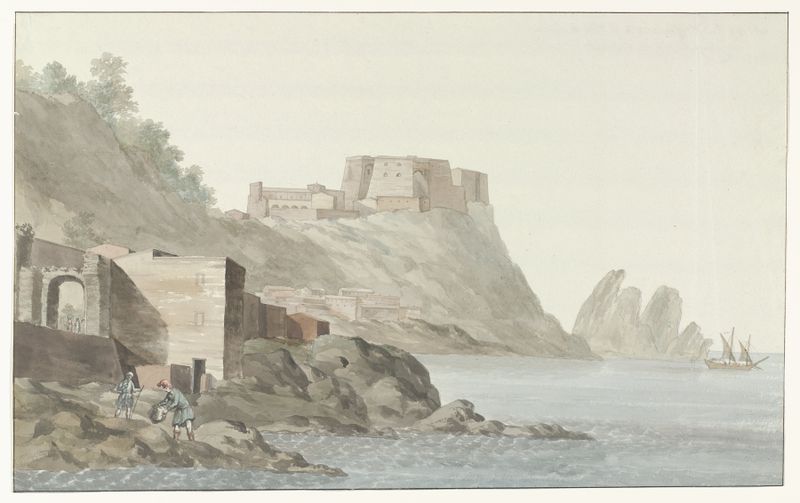
Rots en stad Scilla in de regio Calabrië aan de oostkust
Abraham-Louis-Rodolphe Ducros
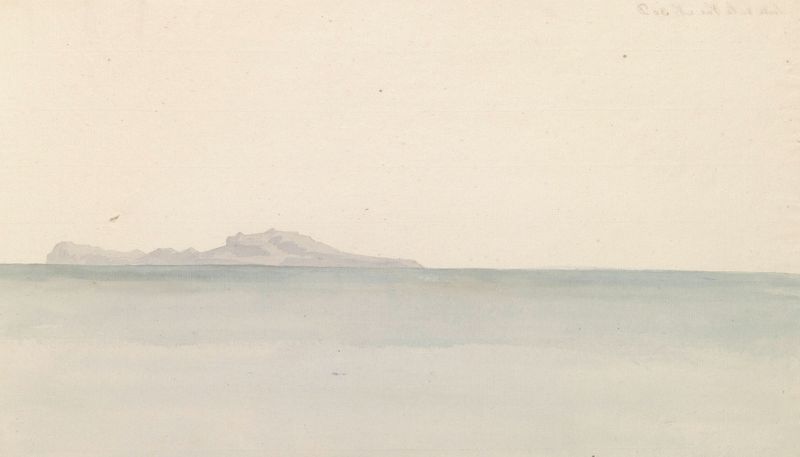
Gezicht op Golf van Napels vanaf kade bij kerk Santa Maria del Carmine
Abraham-Louis-Rodolphe Ducros
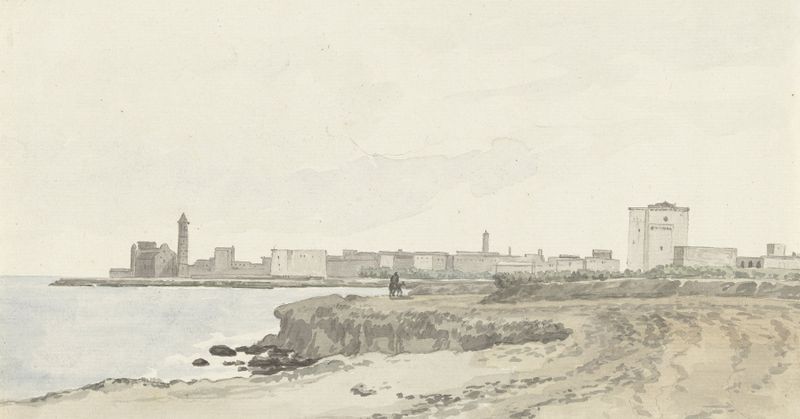
Gezicht op Trani gelegen aan de kust
Abraham-Louis-Rodolphe Ducros
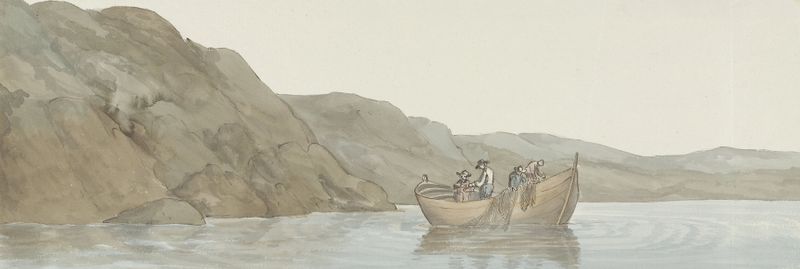
Gezicht op Kaap Paceco in Calabrië nabij de stad Scilla
Abraham-Louis-Rodolphe Ducros
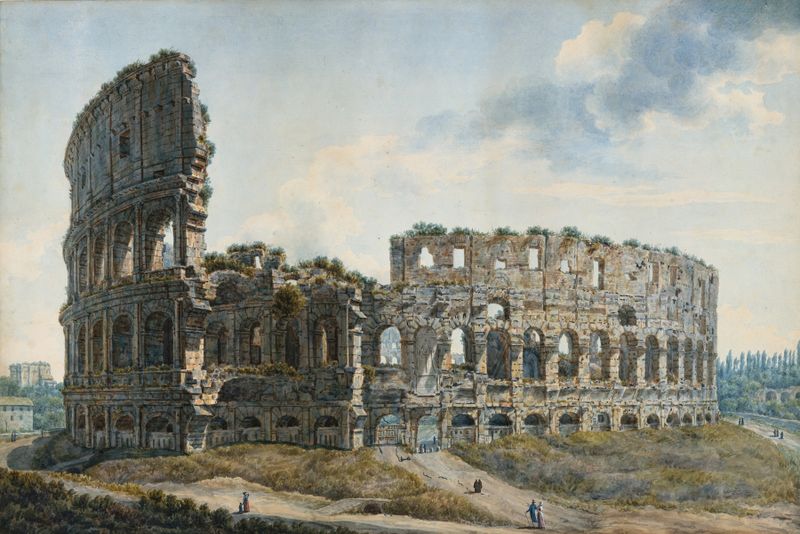
The Colosseum, Rome.
Abraham-Louis-Rodolphe Ducros
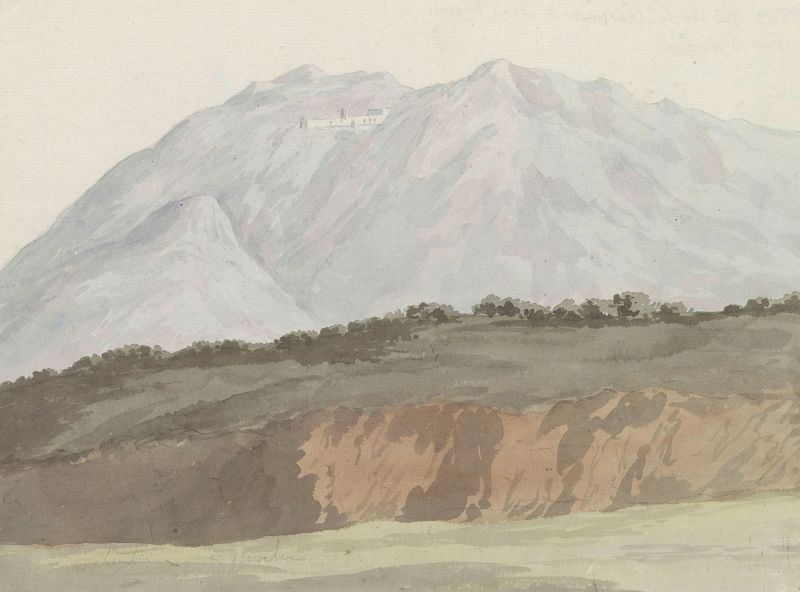
Gezicht op kartuizerklooster van Monte Vergine hoog gelegen boven Avellino
Abraham-Louis-Rodolphe Ducros
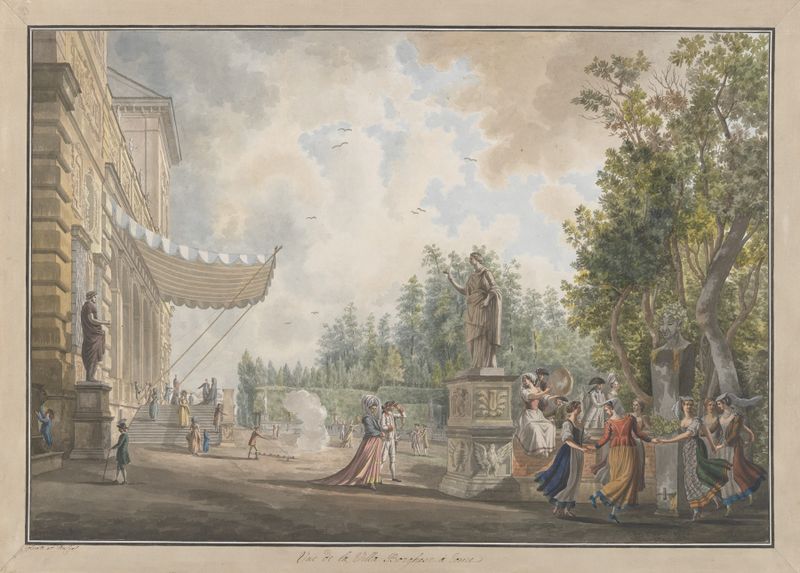
Villa Borghese
Abraham-Louis-Rodolphe Ducros
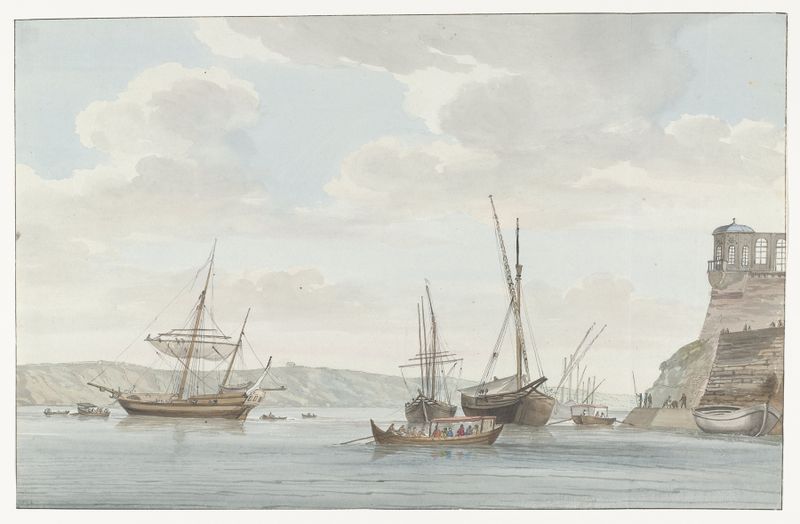
Tuinhuis van de Jardin du Grand Maître uittorend boven de haven met galei schepen op Malta
Abraham-Louis-Rodolphe Ducros
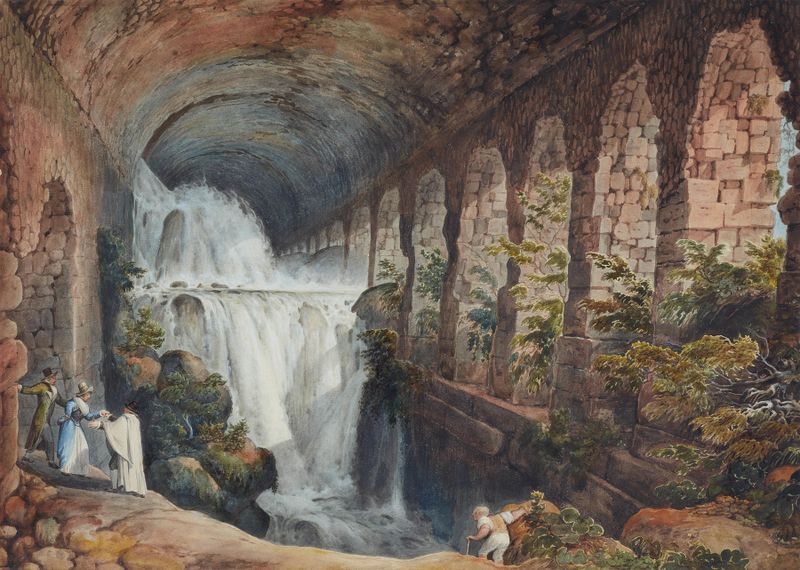
Aquädukt unter der Villa des Maecenas in Tivoli
Abraham-Louis-Rodolphe Ducros
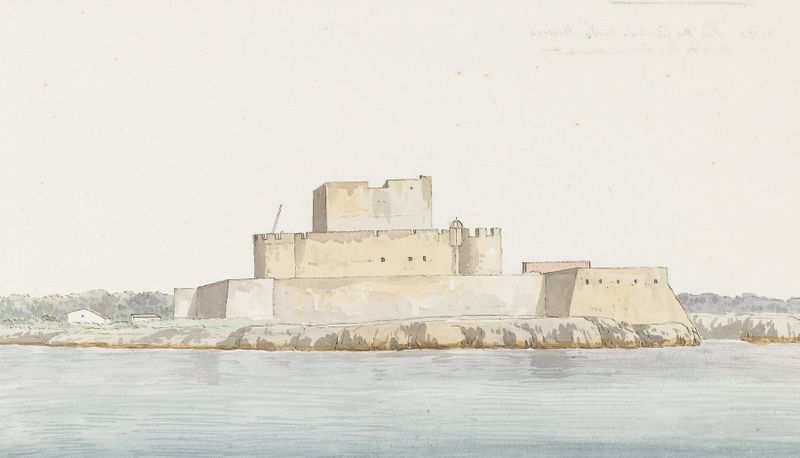
Gezicht op kasteel van San Mauro la Bruca vanaf zee bij aankomst
Abraham-Louis-Rodolphe Ducros





