
View of Basel and the Rhine — History & Facts
A city pulses with color and motion in View of Basel and the Rhine by Ernst Ludwig Kirchner. The eye is pulled first to the bold, unnatural palette—turquoise water, pink buildings, violet shadows—each hue chosen not for accuracy but for its emotional charge. Figures stride along the quay, their forms simplified but animated, as if swept along by the current of the river itself.
A dog, rendered in earthy brown, hurries ahead, a small but lively counterpoint to the architectural mass behind. The sky looms in deep blue and green, lending the whole scene a sense of drama and immediacy, while the cathedral’s twin towers anchor the city in a sense of place and history. Kirchner’s brushwork is loose but decisive, giving every surface a restless energy. Painted between 1927 and 1928, this work belongs to a period when artists across Europe were reimagining the cityscape, not as a static backdrop but as a living organism.
Kirchner, a leading figure of German Expressionism, was known for channeling psychological intensity into urban scenes, often reflecting the anxieties and exhilarations of modern life. Such paintings were rarely private commissions; instead, they spoke to a public eager for new visions of their rapidly changing world. Now in the collection of the Saint Louis Art Museum, View of Basel and the Rhine invites us to see the city not as it is, but as it feels—vivid, urgent, and always in motion.
More Artworks by Ernst Ludwig Kirchner
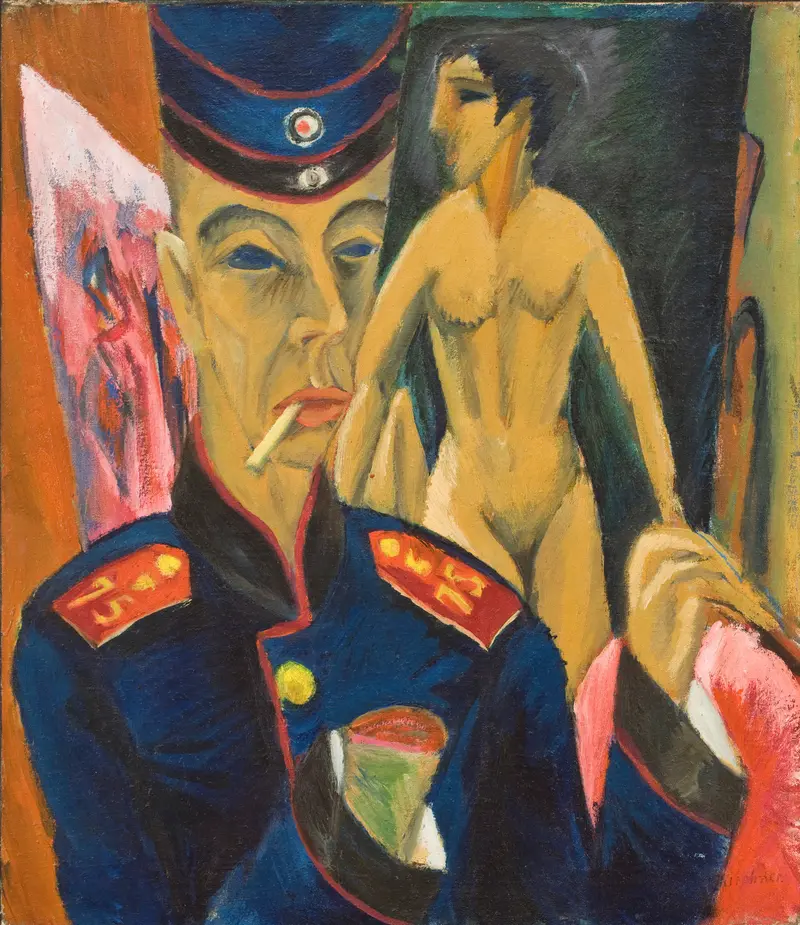
Self-Portrait as a Soldier
Ernst Ludwig Kirchner
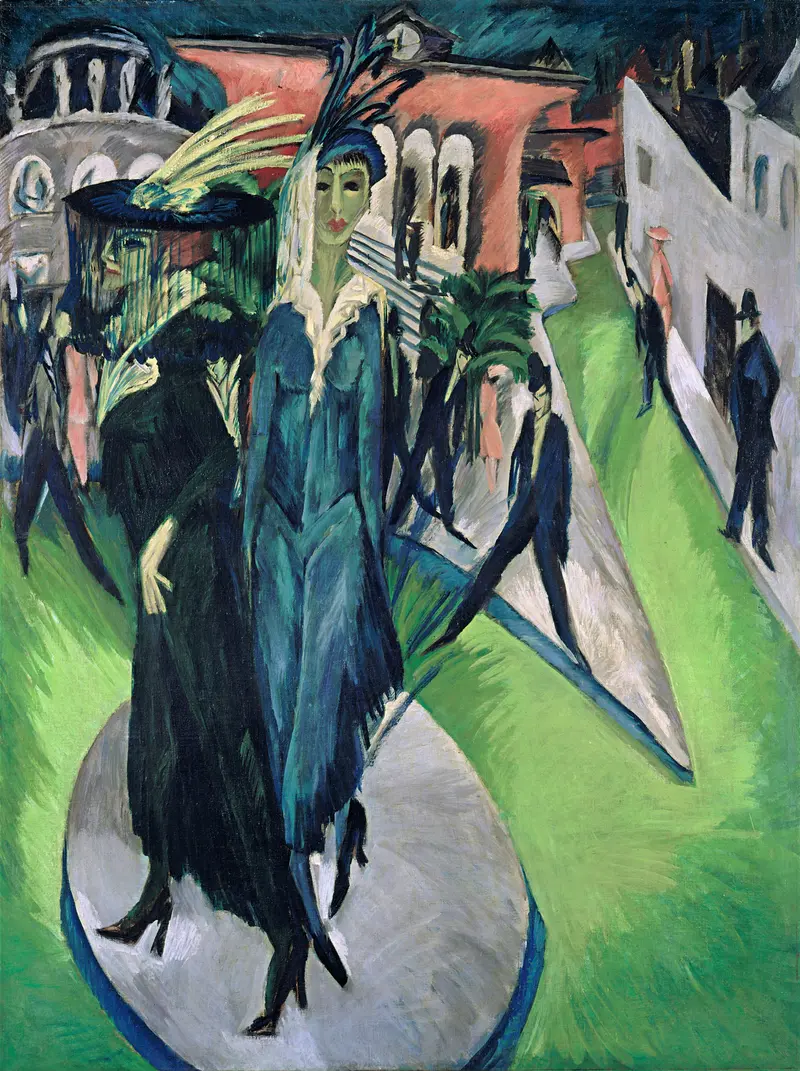
Potsdamer Platz
Ernst Ludwig Kirchner

Alphütten und Tinzenhorn
Ernst Ludwig Kirchner
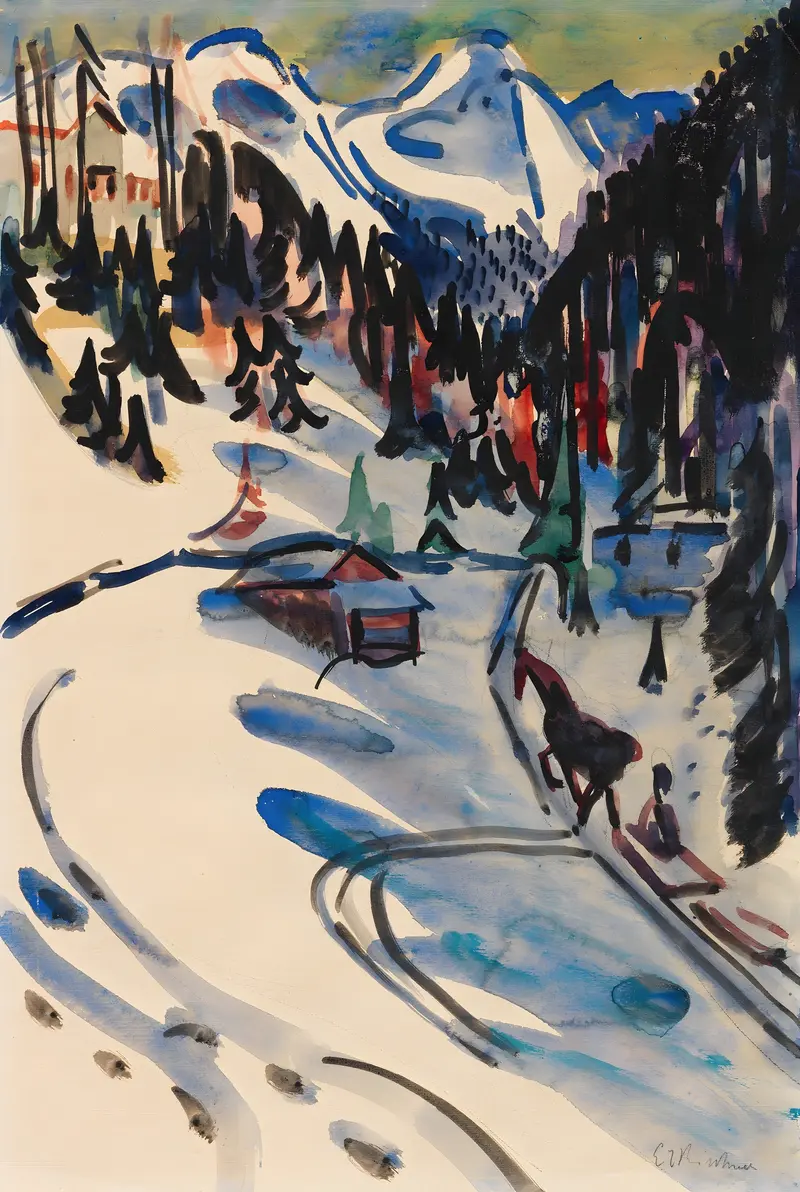
Sertigtal im Winter
Ernst Ludwig Kirchner
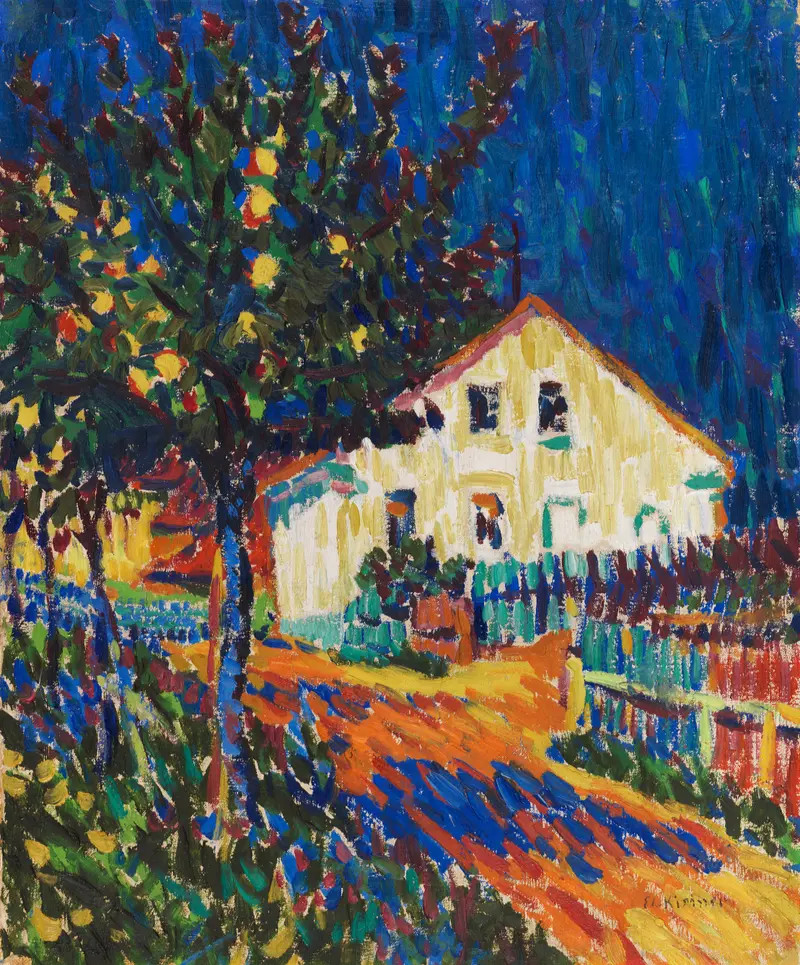
Dorfstraße mit Apfelbäumen
Ernst Ludwig Kirchner
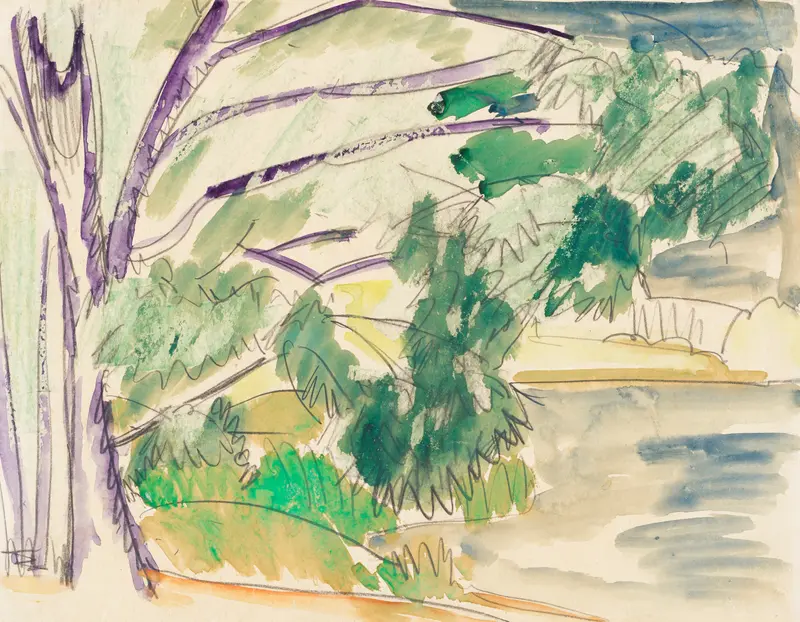
Unter Bäumen am See
Ernst Ludwig Kirchner
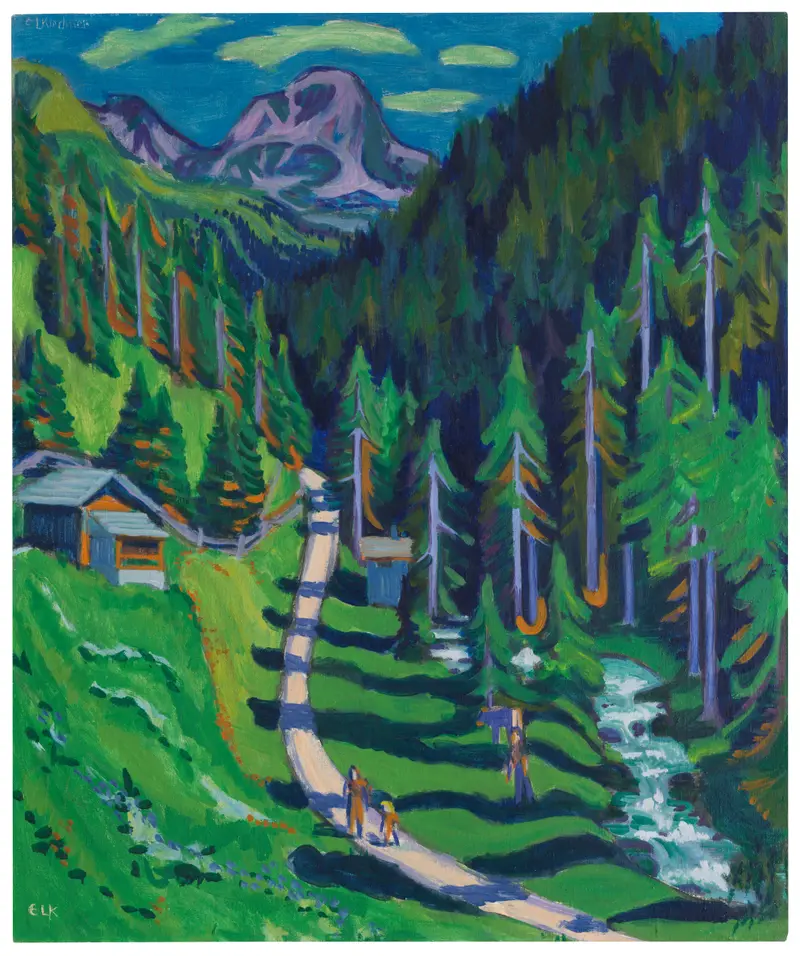
Sertigweg
Ernst Ludwig Kirchner
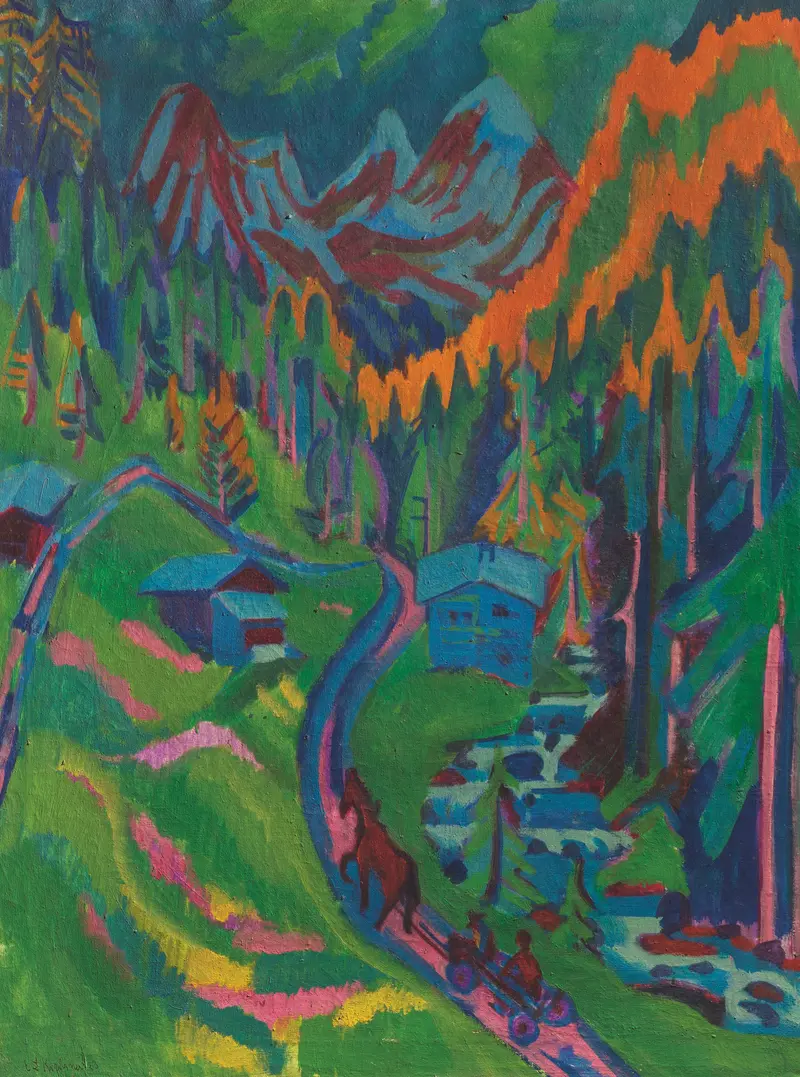
Sertigweg im Sommer
Ernst Ludwig Kirchner
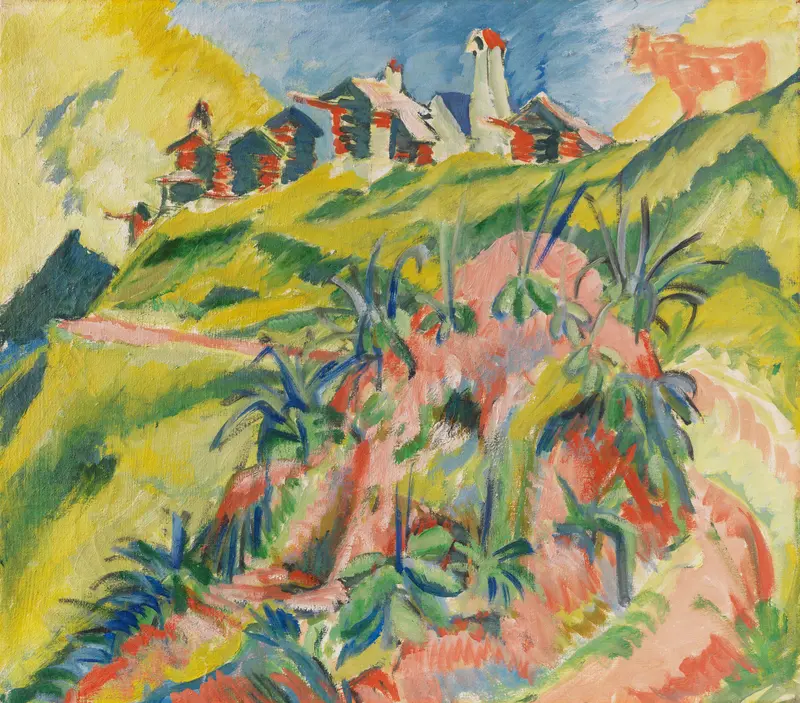
Bergdorf mit rosa Kuh
Ernst Ludwig Kirchner
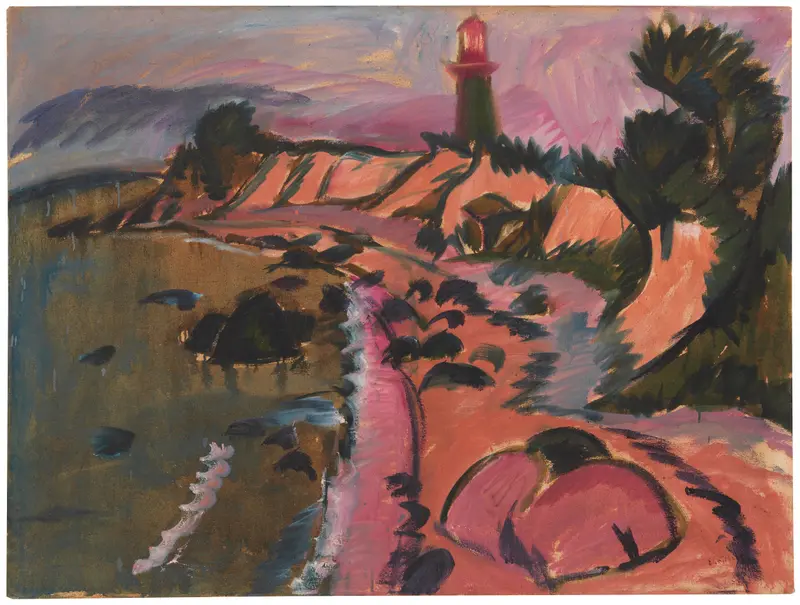
Fehmarnküste mit Leuchtturm
Ernst Ludwig Kirchner
More Landscape Art

The Starry Night
Vincent van Gogh

View of Delft
Johannes Vermeer

Water Lilies
Claude Monet

The Grand Canal, Venice, looking north-west from the Ca' Corner to the Ca' Contarini degli Scrigni, with the campanile of Santa Maria della Carità
Canaletto

Windsor Castle
Canaletto

The Grand Canal looking North-East from the Palazzo Dolfin-Manin to the Rialto Bridge
Canaletto