
View of Bath from Spring Gardens — History & Facts
The sun dips low in the evening sky, casting a warm golden hue over the quaint town of Bath. A gentle breeze stirs the leaves in the garden, while the distant sound of laughter and clinking glasses wafts through the air from the nearby assembly rooms. Figures meander through the soft, verdant landscape, their silhouettes outlined against the vibrant backdrop of the fading day, unaware of the lurking remnants of time and decay that cling to the edges of this idyllic view. Look to the left at the sprawling gardens, where meticulously arranged flower beds burst with color, drawing the eye into a vibrant palette of greens, pinks, and purples.
Notice how the intricate brushwork captures the shimmering reflections in the water, creating a sense of tranquility that contrasts with the looming structures of the town. The architectural elements, both grand and crumbling, reveal Hearne's deft handling of light and shadow, lending depth and dimension to the scene while evoking a sense of nostalgia. The juxtaposition of life and decay is palpable here. The flourishing gardens represent vitality and human endeavor, while the distant buildings, some showing signs of wear, evoke a haunting reminder of the past.
This tension between growth and decline invites the viewer to reflect on the ephemeral nature of beauty and the relentless march of time. Small details—a wilting flower, a fading brick—whisper concealed stories of both prosperity and oblivion. In 1790, while residing in England, the artist crafted this captivating landscape during a time of significant social and political change. The Industrial Revolution was beginning to ripple through society, impacting the natural world and daily life.
Hearne, known for his topographical abilities, sought to capture the essence of his surroundings, preserving Bath’s charm even as the winds of change swept through the country.
More Artworks by Thomas Hearne
Browse all →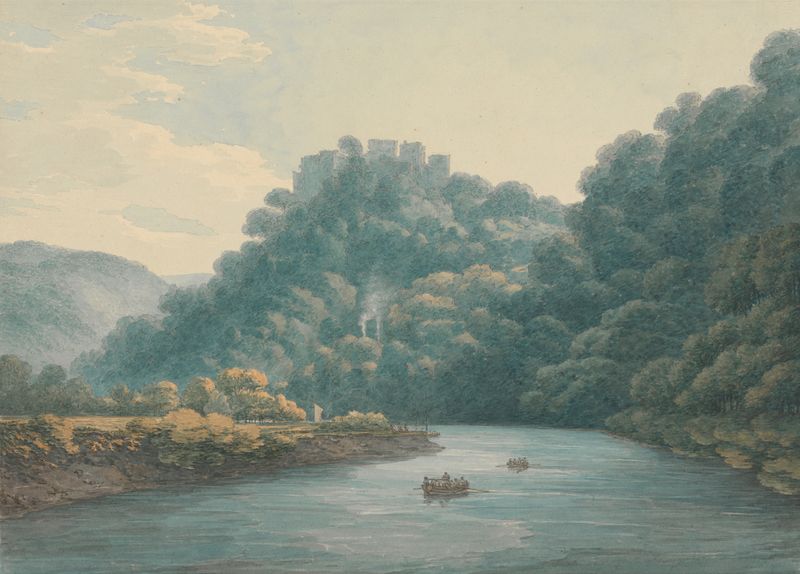
Goodrich Castle on the Wye
Thomas Hearne
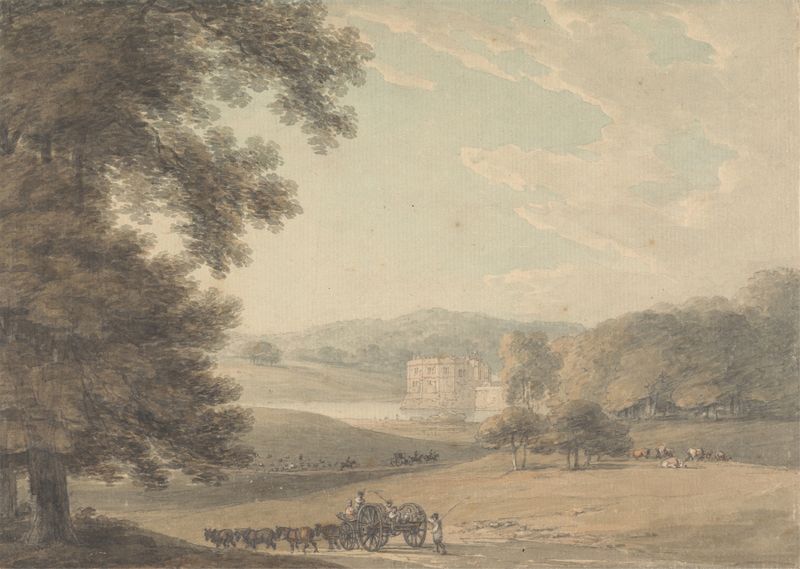
Leeds Castle, Kent
Thomas Hearne

The Ruins of Leiston Abbey
Thomas Hearne
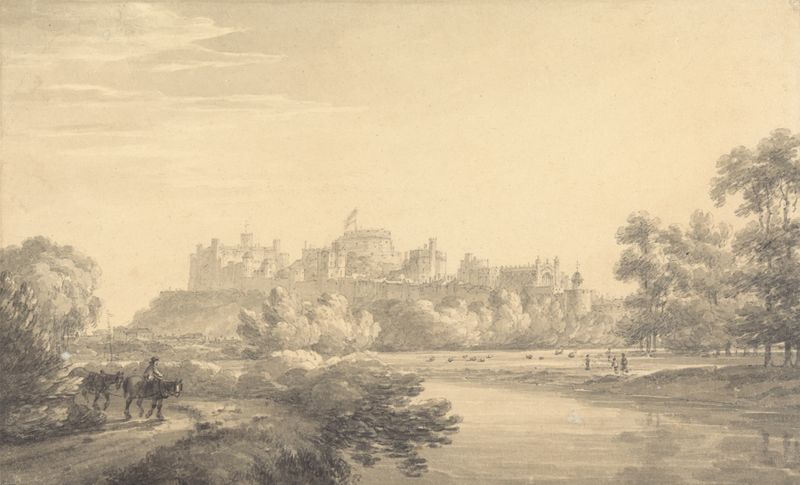
Windsor Castle
Thomas Hearne
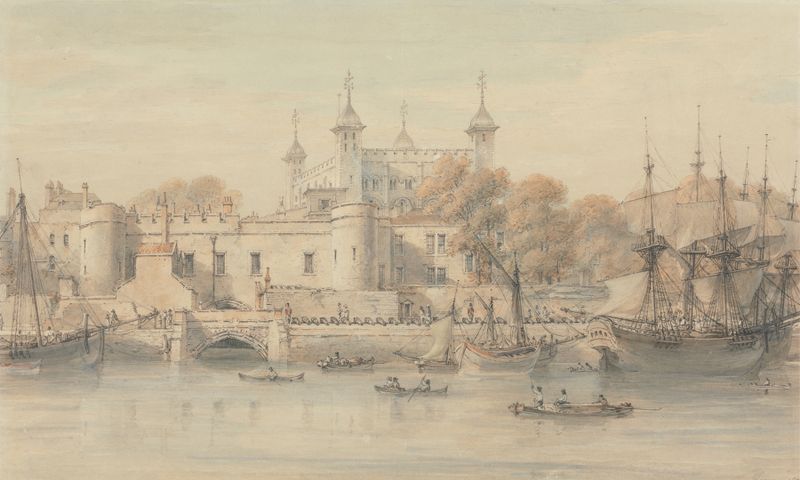
The Tower of London
Thomas Hearne
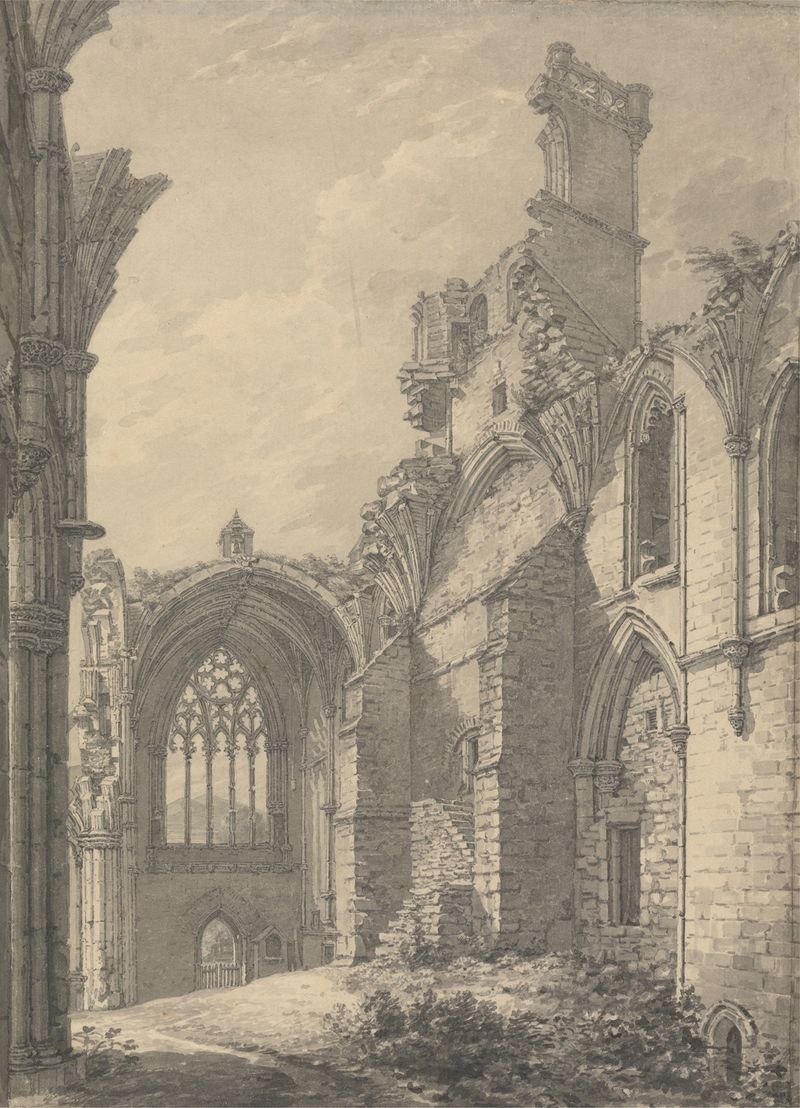
Transept of Melrose Abbey, 1778 Near Old Melrose on the River Tweed, Roxburgh
Thomas Hearne
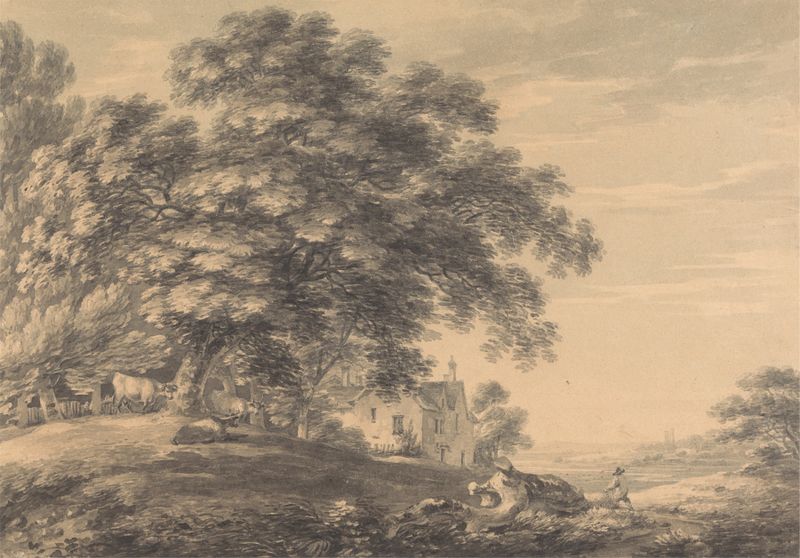
Landscape
Thomas Hearne
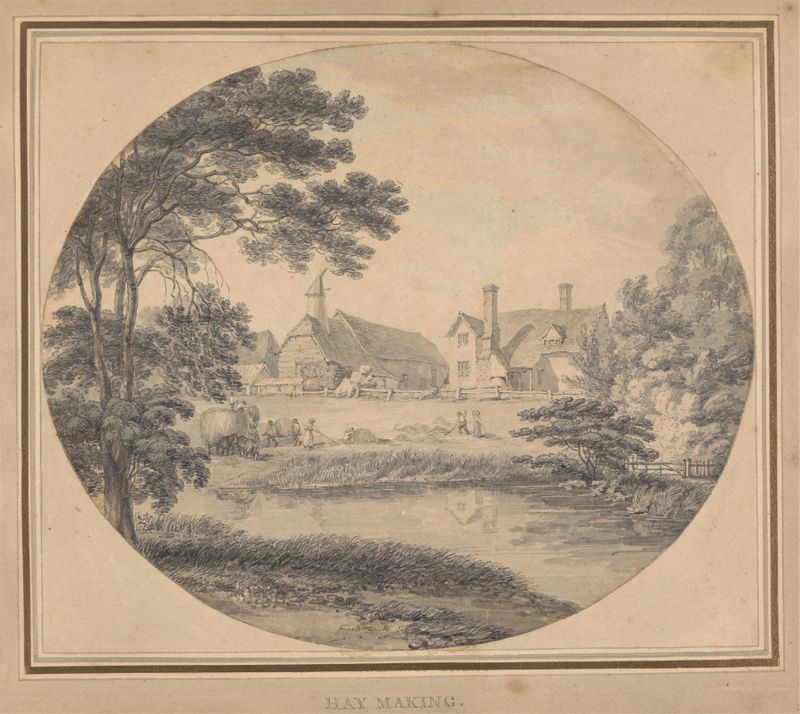
Haymaking
Thomas Hearne

Castle Acre Priory
Thomas Hearne
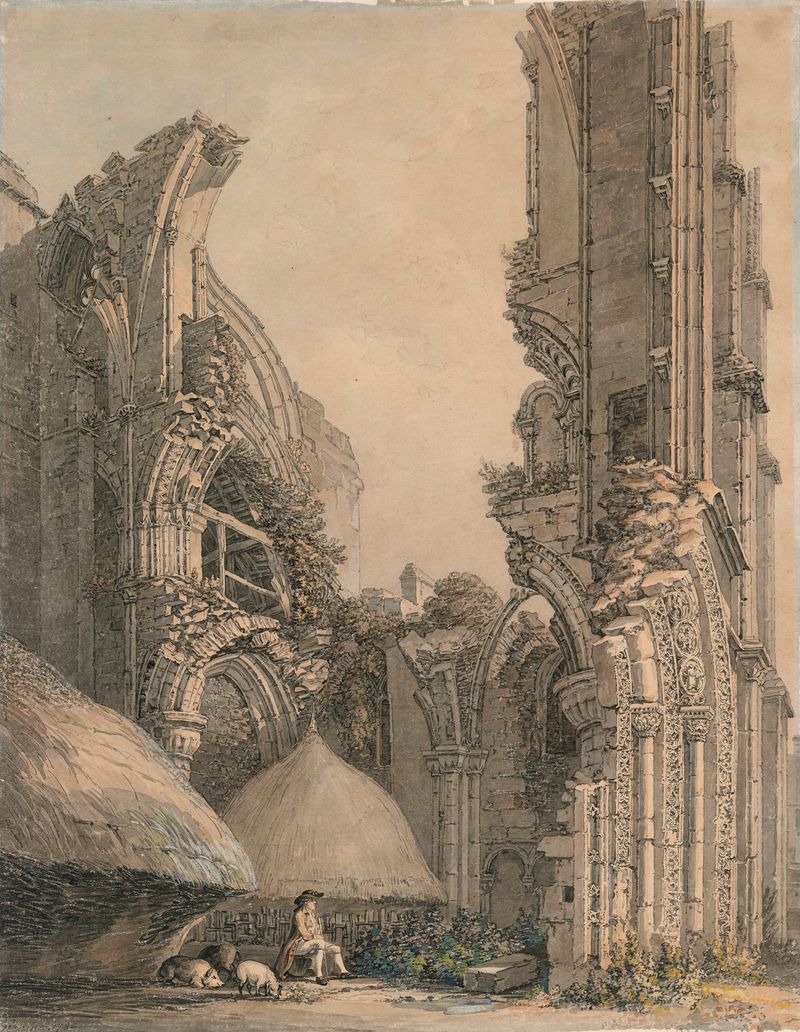
The Ruins of Malmesbury Abbey, Somerset, from the West Front (ill. for ‘The Antiquities of Great Britan’ 1807)
Thomas Hearne





