
View of Cittaducale — History & Facts
Who listens when art speaks of silence? In View of Cittaducale, an unyielding stillness invites contemplation, revealing a world etched in delicate detail. The very essence of obsession radiates from the canvas, drawing the viewer into a landscape steeped in tranquility yet charged with an undercurrent of longing. Look to the center of the composition, where the quaint town of Cittaducale emerges, nestled in the embrace of rolling hills. Notice how the artist expertly captures the play of light upon the terracotta rooftops, each shade transitioning seamlessly into the next.
The serene azure sky looms overhead, punctuated by wisps of cloud, while shadows dance languidly across the verdant landscape, suggesting the passage of time. This meticulous attention to the interplay of light and shadow not only enhances the geographical accuracy but also imbues the scene with a palpable emotional resonance. As you venture deeper, subtle details begin to surface, illuminating the artist’s intent. The distant mountains, though majestic, seem to loom with a sense of isolation, mirroring an inner yearning that mirrors the human experience.
The emptiness of the foreground, devoid of figures, evokes a silence that feels both peaceful and oppressive, prompting reflections on solitude and the human condition. This paradox of serenity and anxiety serves as a reminder of the complexity of obsession—both a source of inspiration and a heavy burden. During the early 1810s, Josephus Augustus Knip was immersed in the burgeoning Romantic movement, primarily in Italy. Working in a region ripe with transformative landscapes, he sought to capture not merely the physical beauty of the land, but the emotions it stirred within him.
In this period, his focus on detailed topographical studies and atmospheric nuances helped to define his legacy as a significant landscape artist of his time.
More Artworks by Josephus Augustus Knip
Browse all →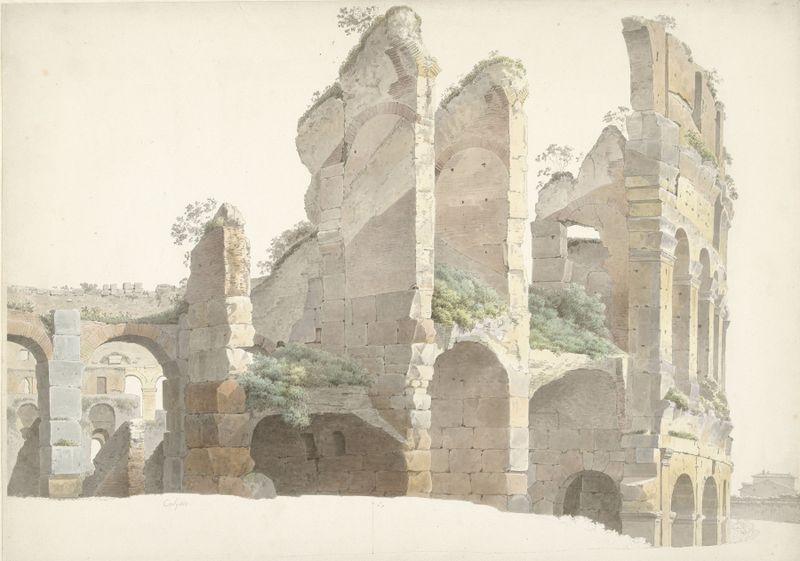
Het Colosseum te Rome
Josephus Augustus Knip
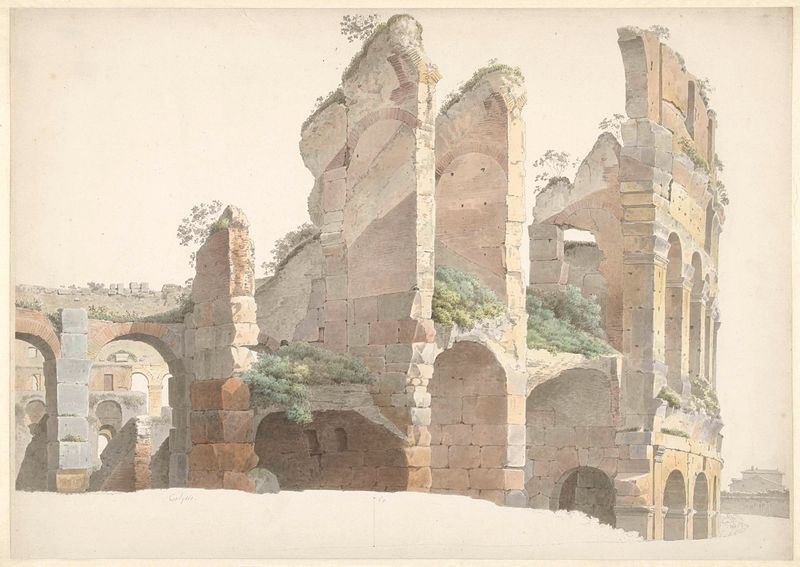
Het Colosseum te Rome
Josephus Augustus Knip
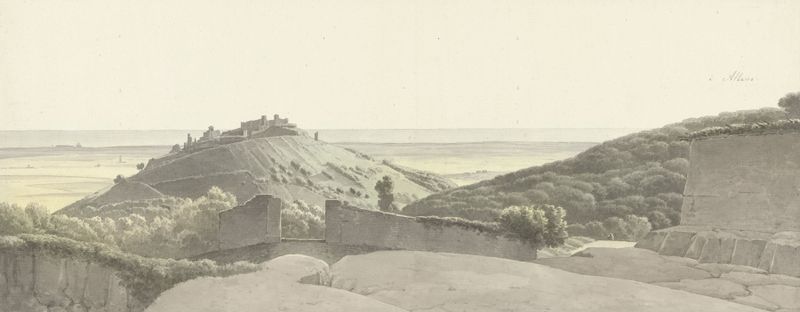
Landscape around Albano Laziale
Josephus Augustus Knip

View of Ariccia from Genzano
Josephus Augustus Knip
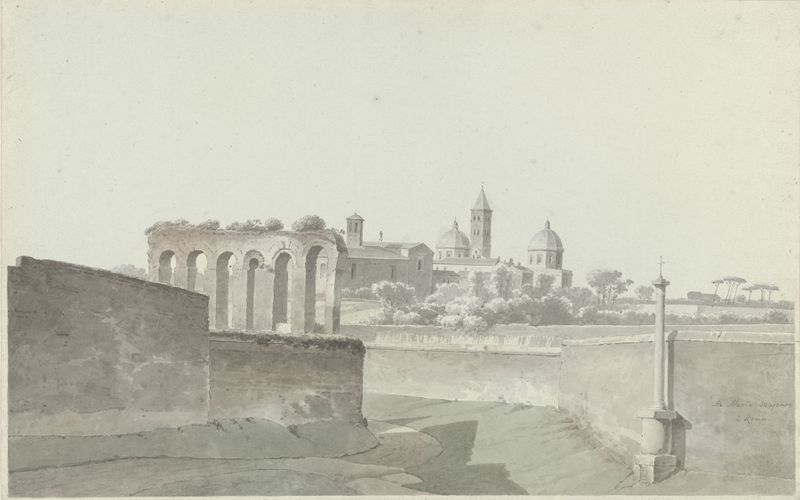
The Basilica of Santa Maria Maggiore in Rome
Josephus Augustus Knip
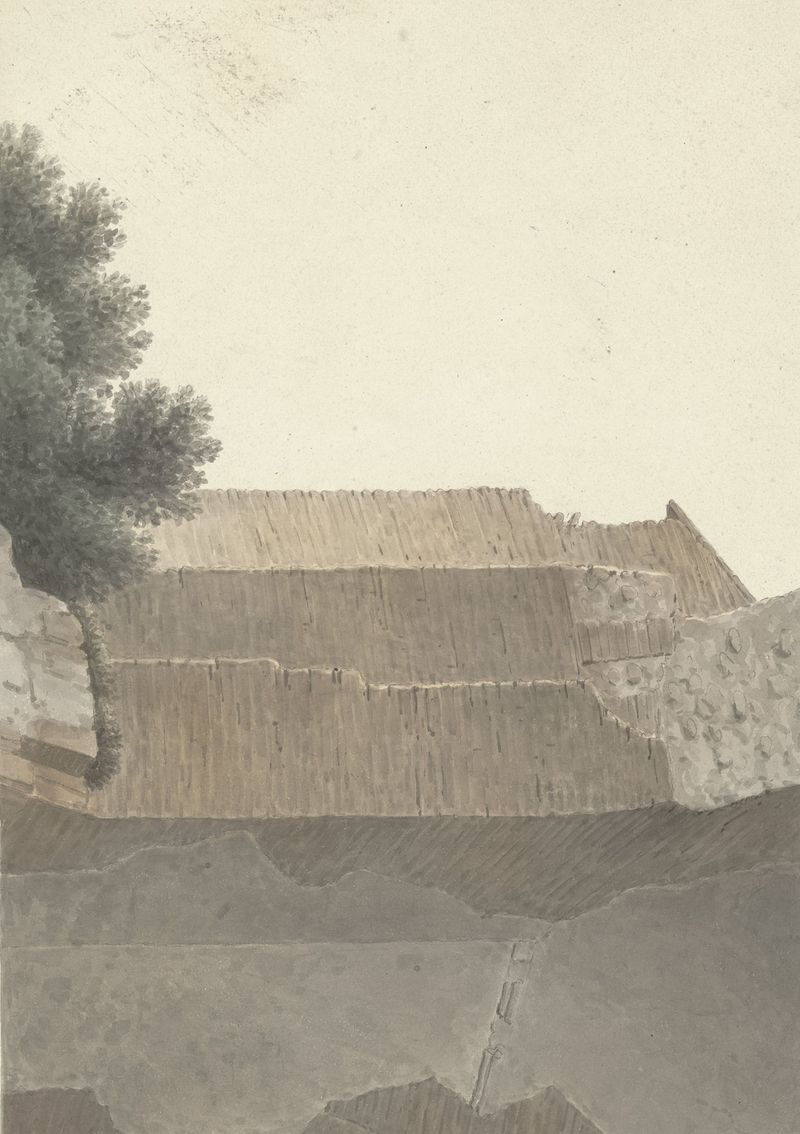
Part of the Vault of the Temple of Minerva Medica in Rome
Josephus Augustus Knip
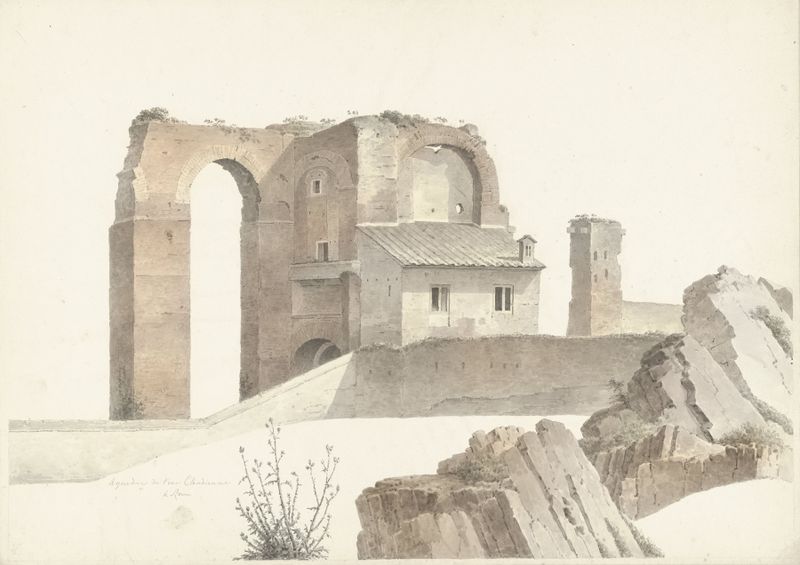
The Aqua Claudia in Rome
Josephus Augustus Knip
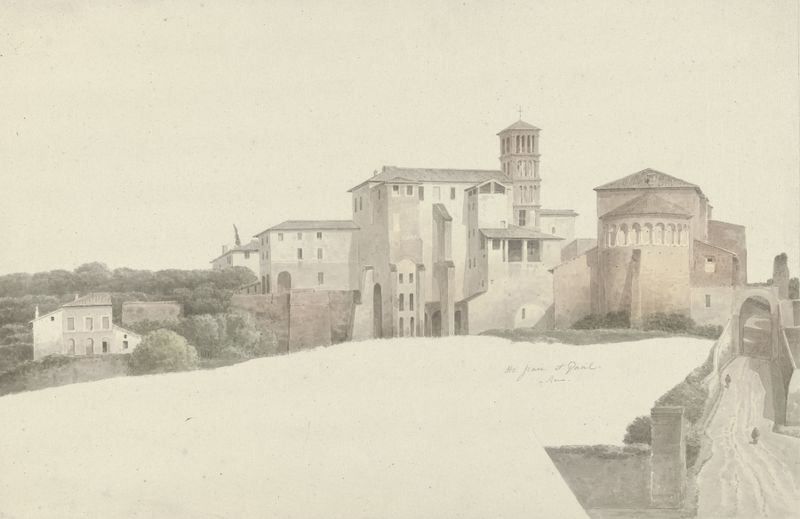
Basilica and Monastery of Santi Giovanni e Paolo in Rome
Josephus Augustus Knip
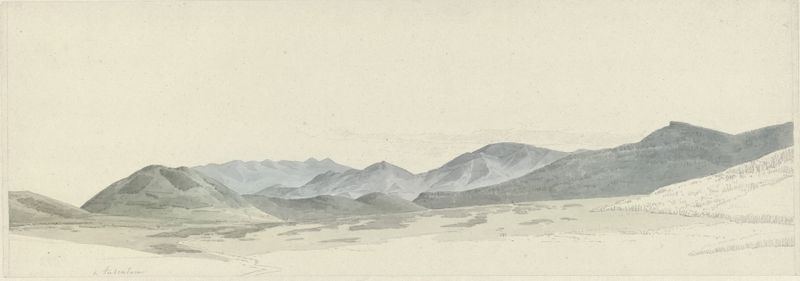
Mountain Landscape at Tusculum
Josephus Augustus Knip
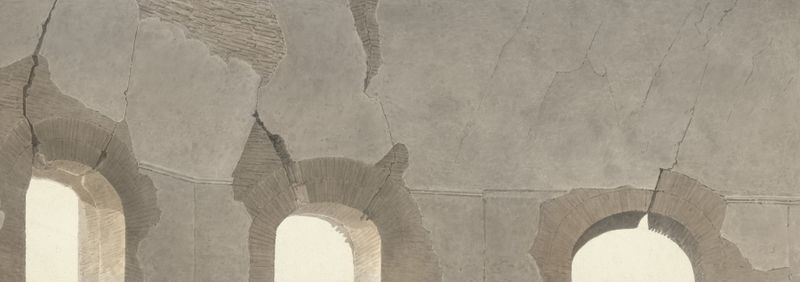
Part of the Vault of the Temple of Minerva Medica in Rome
Josephus Augustus Knip





