
View of Dresden by Moonlight — History & Facts
In the stillness of twilight, beauty reveals itself not just in the visible, but in the emotions it evokes. The moonlight bathes the landscape in a soft glow, inviting us to explore the secrets of a city transformed by night. Focus on the shimmering river in the foreground, its surface catching the silvery light and reflecting the outlines of the buildings that line its banks. Look closely at the delicate brushwork that captures the fluid movement of water, while the sky dances between deep blues and muted purples—a masterful play of color that evokes a serene yet profound atmosphere.
The carefully placed silhouettes of the majestic architecture create a harmonious balance, drawing the eye upwards towards the celestial body illuminating the scene. Hidden beneath the tranquil surface lies a tension between the natural and the man-made, a reminder of the transient moments in life. The moon, a symbol of solitude, contrasts with the structured forms of the city, evoking a sense of longing for connection amid isolation. The blend of serene beauty and subtle melancholy invites viewers to reflect on their own experiences, challenging them to find beauty even in solitude. In 1838, Johan Christian Dahl painted this masterpiece while residing in Dresden, Germany, a city rich with cultural heritage.
At the time, he was gaining recognition as a leading figure in Romantic landscape painting, capturing the interplay of nature and civilization. This work not only showcases his technical skill but also reflects the era's fascination with the sublime, positioning him firmly within the evolving world of art.
More Artworks by Johan Christian Dahl
Browse all →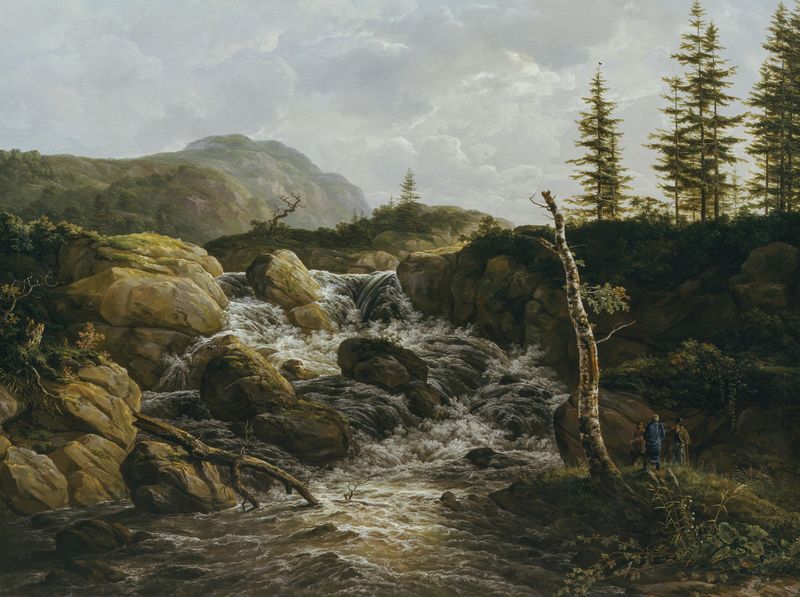
Mountainous Landscape with a Waterfall, Norway
Johan Christian Dahl
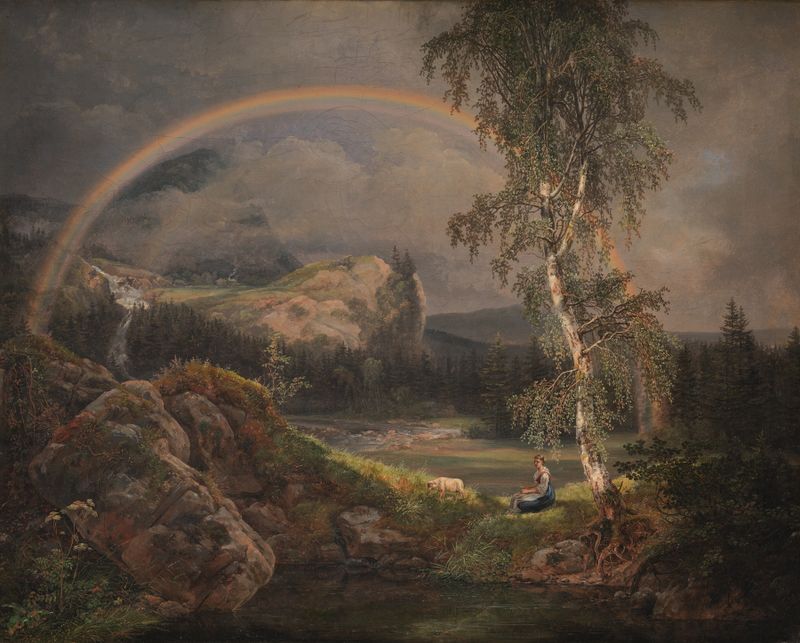
Norwegian Landscape with a Rainbow
Johan Christian Dahl
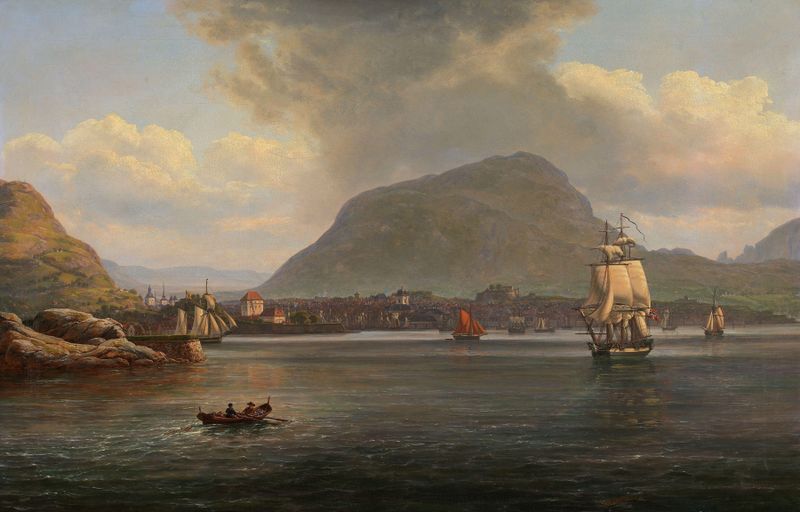
Bergen seen from the northern Inlet
Johan Christian Dahl
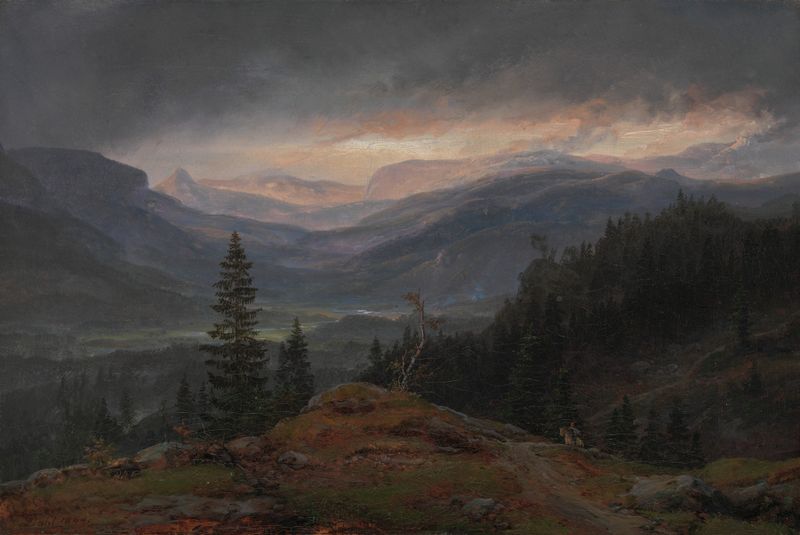
View over Hallingdal
Johan Christian Dahl
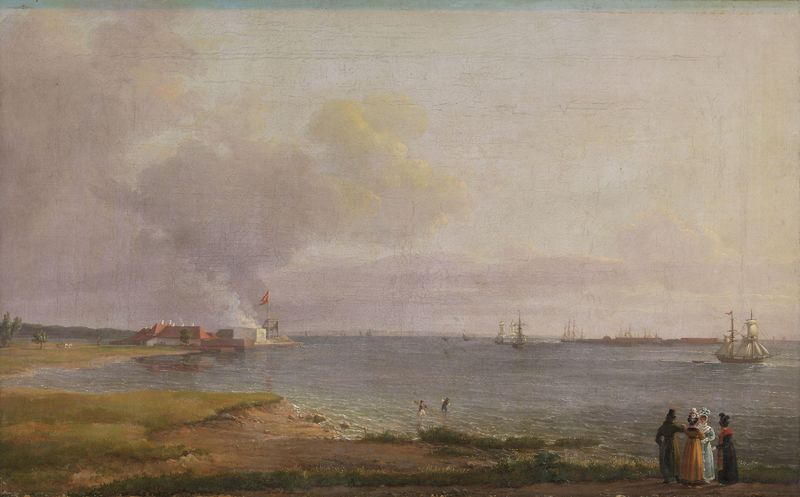
View over Øresund near the Lime Works
Johan Christian Dahl
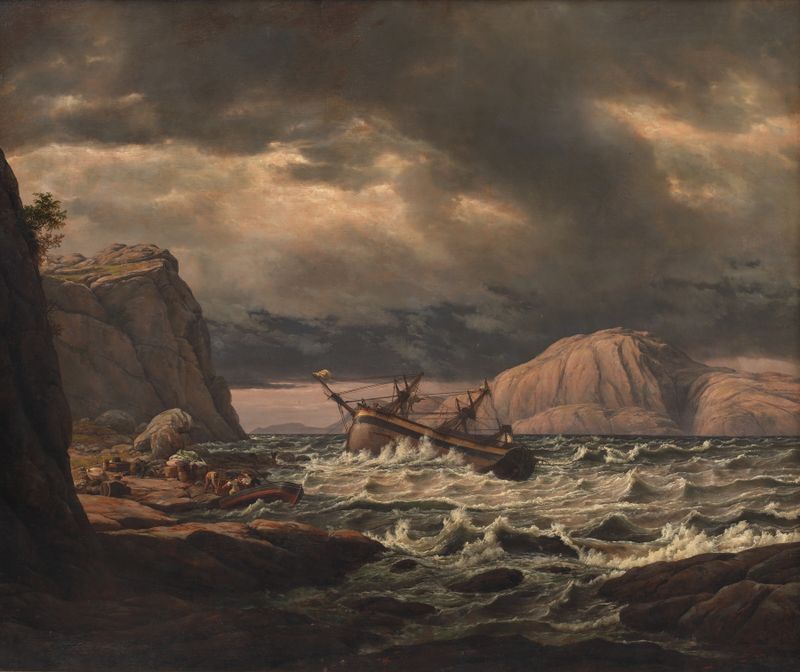
A Shipwreck on the Coast of Norway
Johan Christian Dahl
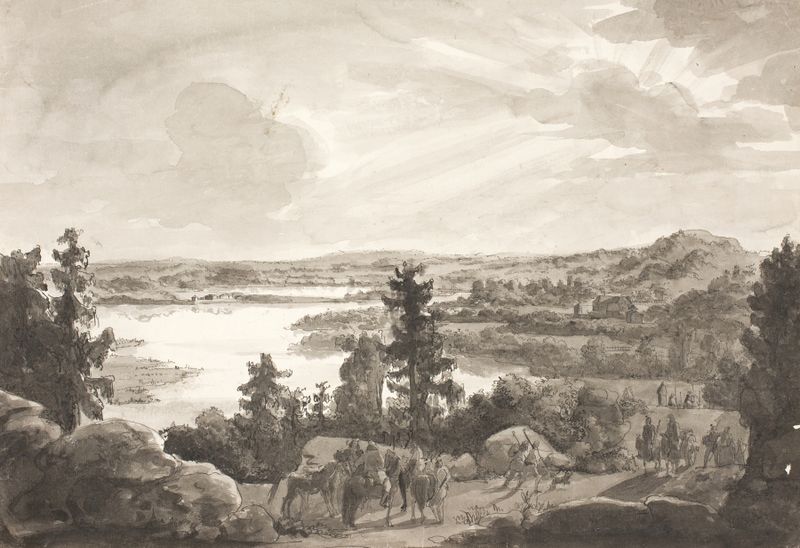
View of a Lake, Norway
Johan Christian Dahl
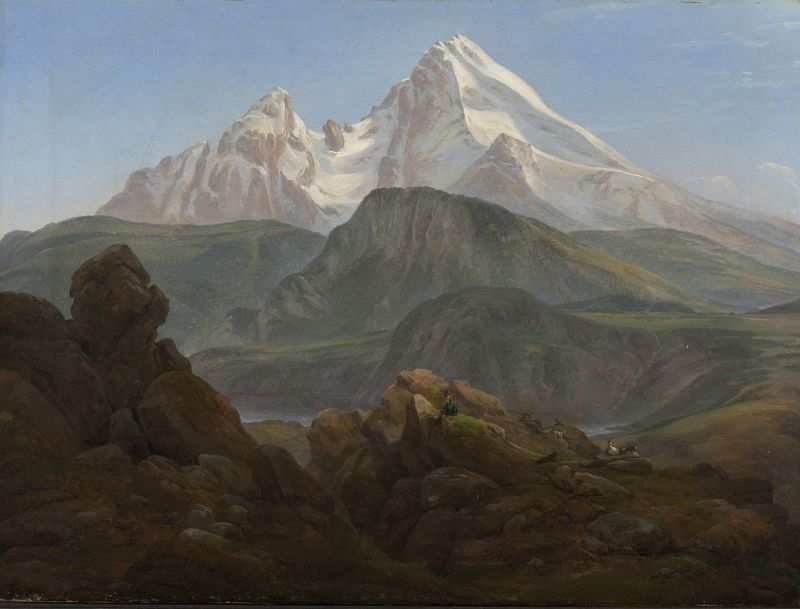
The Watzmann
Johan Christian Dahl
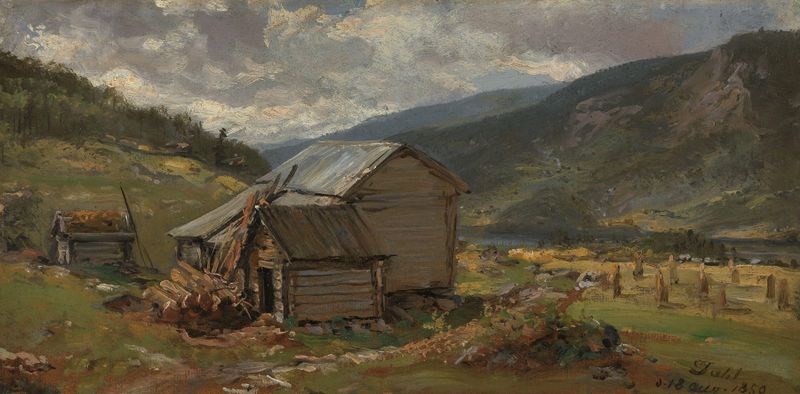
View of Hjelle in Valdres
Johan Christian Dahl

View At Skjolden In Lyster
Johan Christian Dahl





