View of Dresden with the Augustbrücke — History & Facts
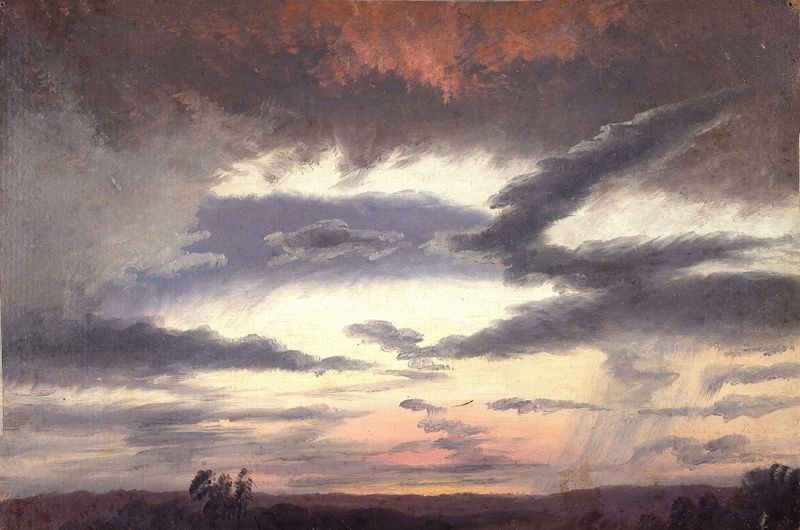
Could a single brushstroke hold eternity? In View of Dresden with the Augustbrücke, the artist captures a moment where time pauses, inviting the viewer to reflect on beauty and transience. Look to the left at the delicate arch of the Augustbrücke, its structure almost cradling the flowing waters below. The vibrant hues of blue and green in the river reflect the soft pastels of the sky, creating a seamless bond between earth and heavens. Notice how the light dances on the surface, mirroring fleeting moments and ephemeral thoughts.
The gently layered brushstrokes illustrate the city’s architecture, infusing it with life while maintaining a serene distance — the juxtaposition of movement and stillness. Beneath this tranquil surface lies a deeper tension: the contrast between nature and civilization. The serene river signifies continuity, while the bustling city hints at the inevitable march of progress. The colorful landscape invites a sense of nostalgia, perhaps a lament for what is lost amidst urban growth.
Each detail, from the glowing clouds to the meticulously rendered buildings, serves to remind us of the delicate balance between permanence and change. In 1844, as nationalism surged through Europe, Knud Baade found himself painting in Dresden, a city rich with history and cultural significance. This period marked a shift in the artistic landscape, as Romanticism illuminated the emotional connection between humanity and nature. As an artist, Baade wove these themes together, seeking solace in his brush to both capture and immortalize an ever-changing world.